8 Best Swiss Lakes by Trip Type, Access & Season
Compare the best Swiss lakes by trip type, access, season and swimming, then pick a lake and follow our guides.
On this page
Last updated November 2026: Swiss lakes split into big cruise-and-town lakes, turquoise alpine hike lakes and southern lakes with a Mediterranean feel. Lake Zurich suits first visits, Oeschinensee and Blausee reward hikers, and Lake Lugano is the pick for southern light. Use this guide to match a lake to your trip type, access and season.
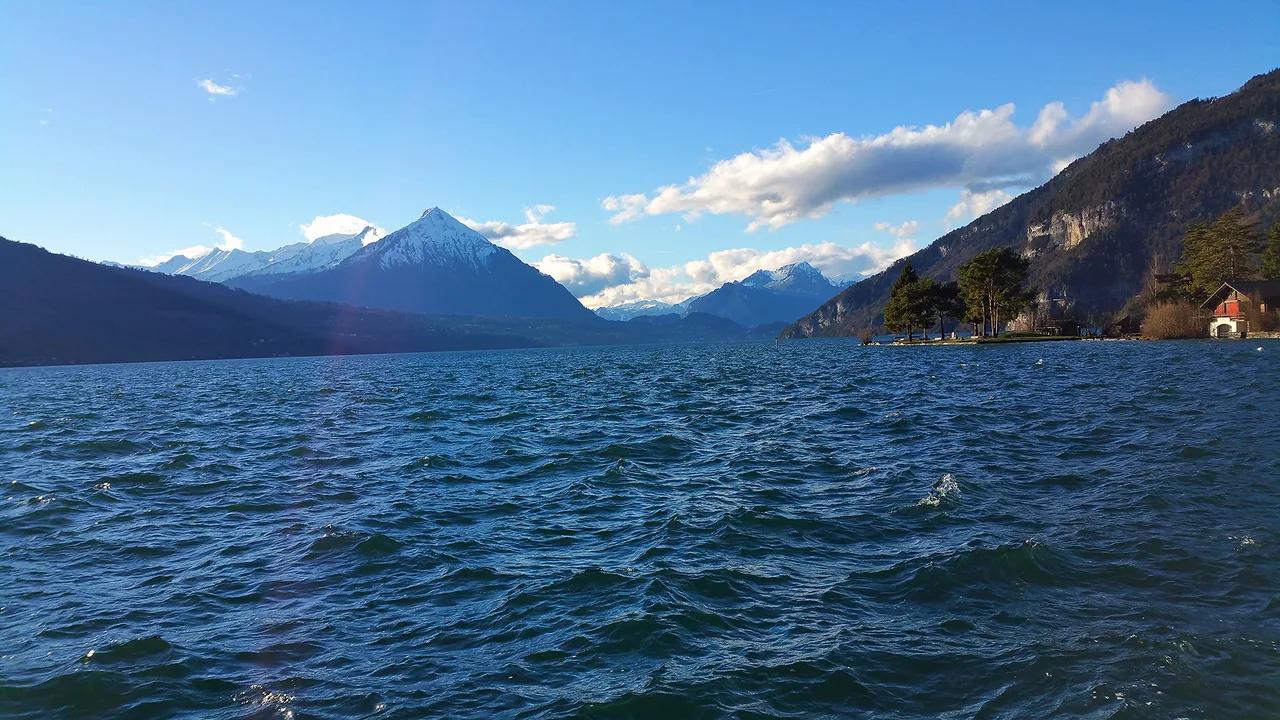
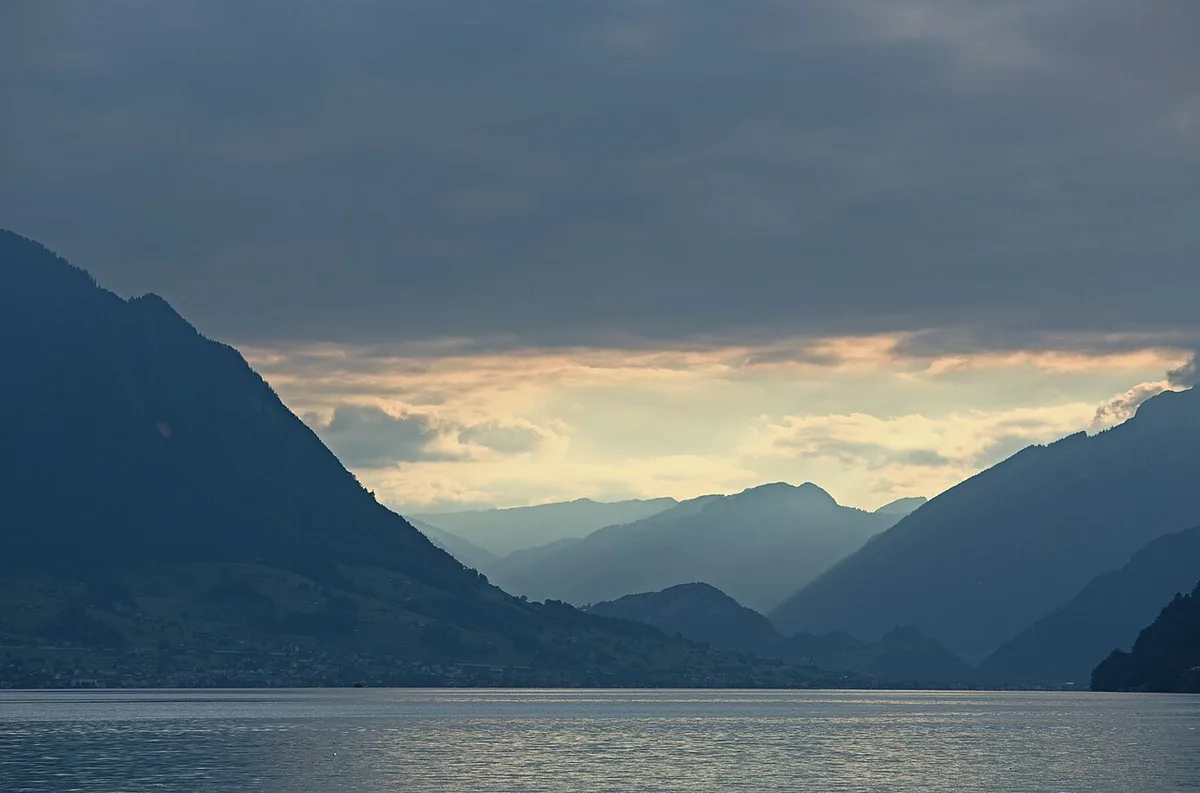
Featured image: WiseTea, CC BY-SA 4.0, via Wikimedia Commons.
Pick Your Swiss Lake in a Minute
Start with how you travel, then follow the matching guide in the list further down. Each line below points to one lake or pair.
- First visit with trains and boats: Lake Zurich.
- No car and a slow pace: Lake Neuchâtel with Murten, or Lake Thun with Lake Brienz.
- Hiking and photography: Oeschinensee and Blausee.
- Swimming: Zurich's lake baths, plus Caumasee and Crestasee near Flims.
- Quiet half-day walks: Lake Lungern, Klöntalersee or Seealpsee.
- High-valley scenery and autumn larch color: Lake Sils and Lake St. Moritz.
- Southern light and palm-lined shores: Lake Lugano and Morcote.
8 Best Swiss Lakes by Trip Type
Prices and hours checked November 2026. Access and season details for high lakes change, so use the linked operator pages for current dates. Each pick below groups lakes that sit in the same region.
1. Lake Zurich, Zurich Cruises and Rapperswil
Lake Zurich works as a first lake because trains, boats and public lake baths all start in the city. Begin with our Lake Zurich guide for lakefront walks and swim spots. For a boat day, read our Lake Zurich Cruise Guide: Boat Types, Tickets & Timing guide.
Current routes and times are on the ZSG Zurichsee Schifffahrt site. Rail or boat then reaches Rapperswil, a lakeside old town on the same lake. Give it a miss if you want alpine scenery, because these shores are urban.
2. Lake Neuchâtel and Murten
Slower trips fit Lake Neuchâtel and Murten, where vineyards line the northern shore and marshland sits on the southern one. Start with our Lake Neuchâtel guide for the French-speaking shoreline in the Jura foothills. Add Murten for a smaller lake and a compact town base.
Murten Tourism lists local boat and walking options. Best in warm months for boats and swimming. Pass on both if high-alpine scenery is your priority.
3. Lake Thun and Lake Brienz
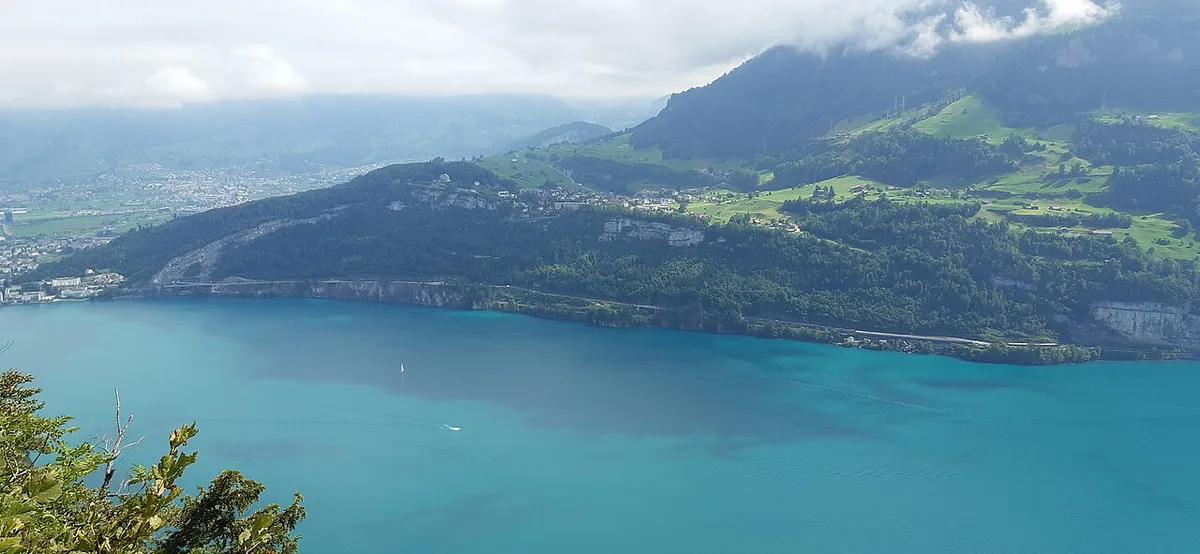
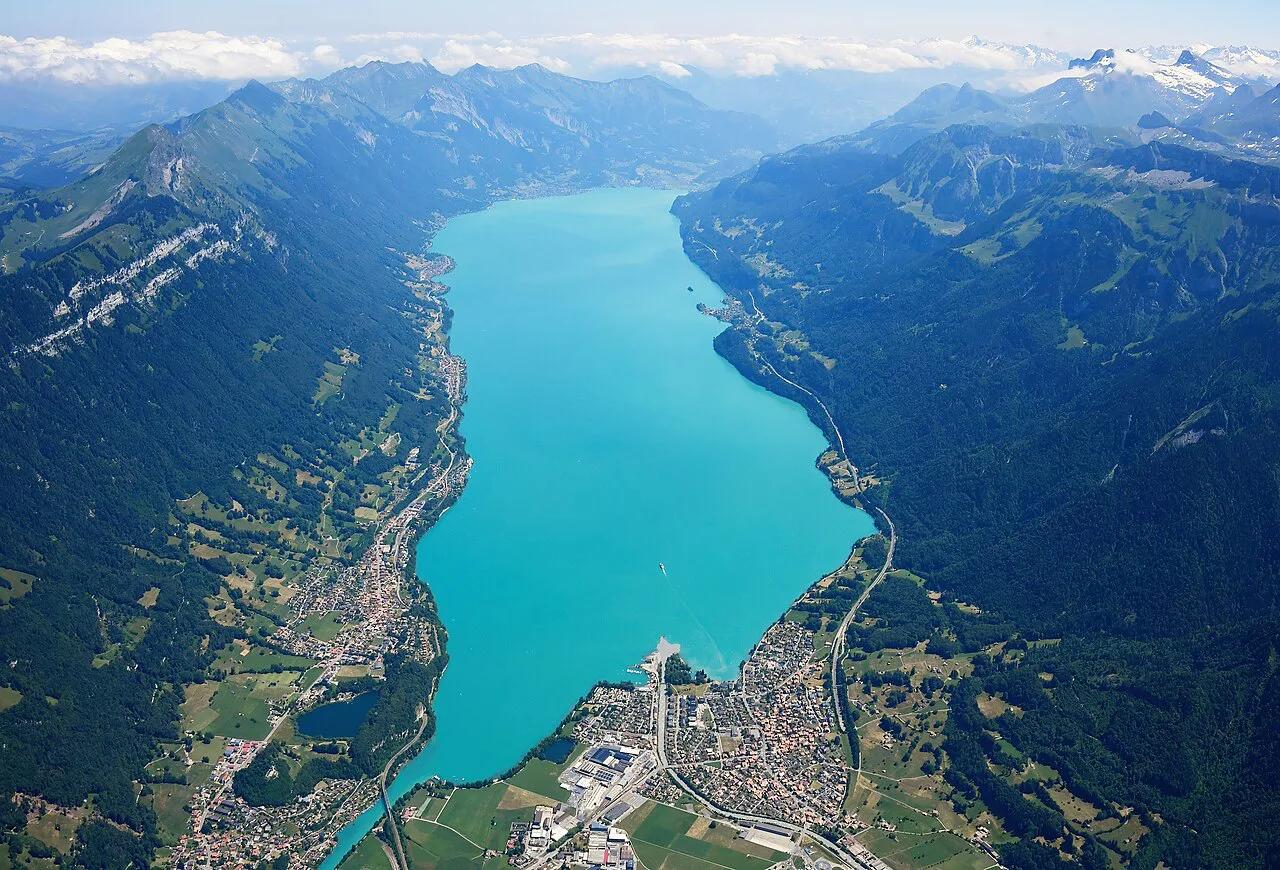
Thun and Brienz form the Bernese Oberland's lake pair, linked by towns, trains and boats. Thun's old town and Spiez hold Romanesque churches, and a cruise reaches the Beatushöhlen landing stage near the karst caves. Brienz is known for turquoise water, and Giessbach Falls drop straight into the lake.
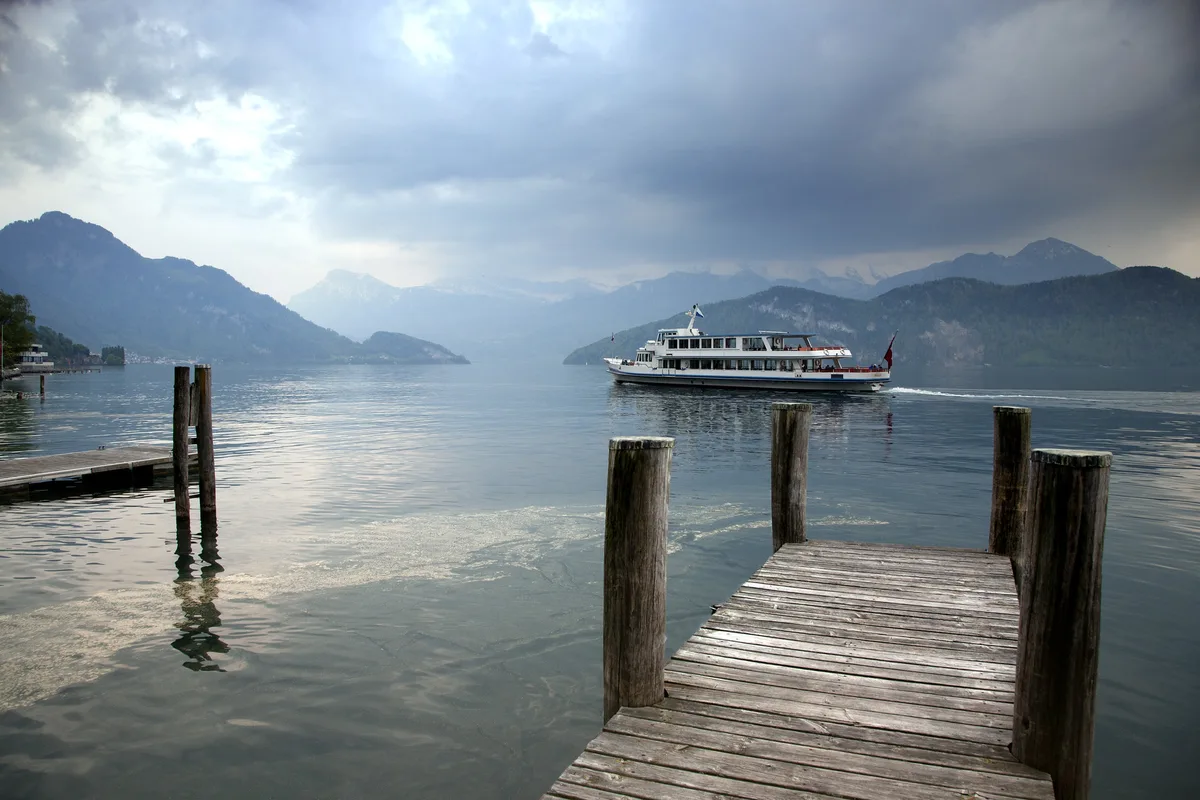
Rail and boat times are on the BLS timetable pages. Use a posted bathing area rather than any open shoreline. Not ideal as a rushed day trip, since both lakes reward a half day each.
4. Oeschinensee and Blausee
Hikers and photographers base themselves around Kandersteg for these two. Oeschinensee is a glacial lake above Kandersteg, reached on foot or by gondola. Gondola operating dates change by season, and Kandersteg Tourism lists them.
Blausee is a small lake between Kandersteg and Frutigen, reached by a paved path through forest. Entry details and opening times are on the Blausee Nature Park site. Both lose most of their appeal in poor weather, so save them for a clear day.
5. Seealpsee, Lake Lungern and Klöntalersee
These three suit short walks and quieter days away from the big lake towns. Seealpsee sits near Wasserauen and Ebenalp, and cable car operating dates decide how easy the approach is. Lake Lungern Guide: Getting There, Things to Do, Tips fits a central Switzerland route alongside Lucerne.
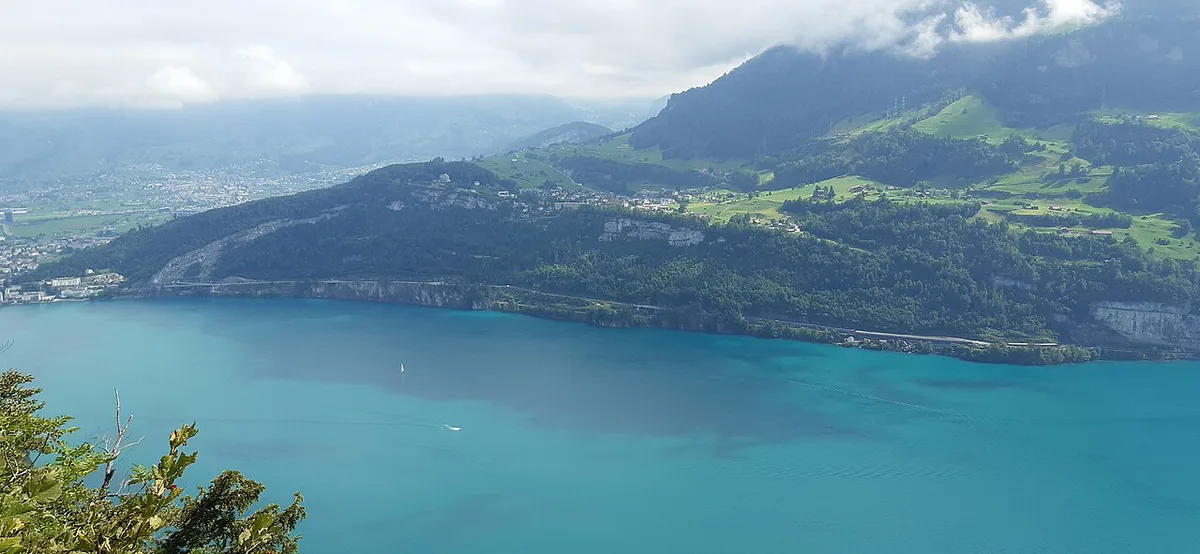
Klöntalersee works as a walk-and-photo stop rather than a full-day destination. Choose elsewhere if you need cafés, boats and a town around you.
6. Lake Sils and Lake St. Moritz
Engadin's two lakes suit travelers who want high-valley scenery in Graubünden. Lake Sils Guide: Walks, Winter & Getting There sits in the Engadin valley, ringed by larch forest that turns gold in autumn. Lake St. Moritz keeps you beside a resort town with services and bus links.
Road and bus access and any winter frozen-lake trails vary, so ask the local tourism office before planning around them. Poor fit for a tight transfer from Zurich or Ticino.
7. Caumasee and Crestasee
Swimmers and photographers head to these two lakes in the Flims area of Graubünden. Read about Caumasee first. Follow with Crestasee for a second swim stop nearby.
Access and seasonal details are on the Flims Laax Falera site. Not worth the trip outside summer if swimming is the goal.
8. Lake Lugano, Morcote and Lake Maggiore
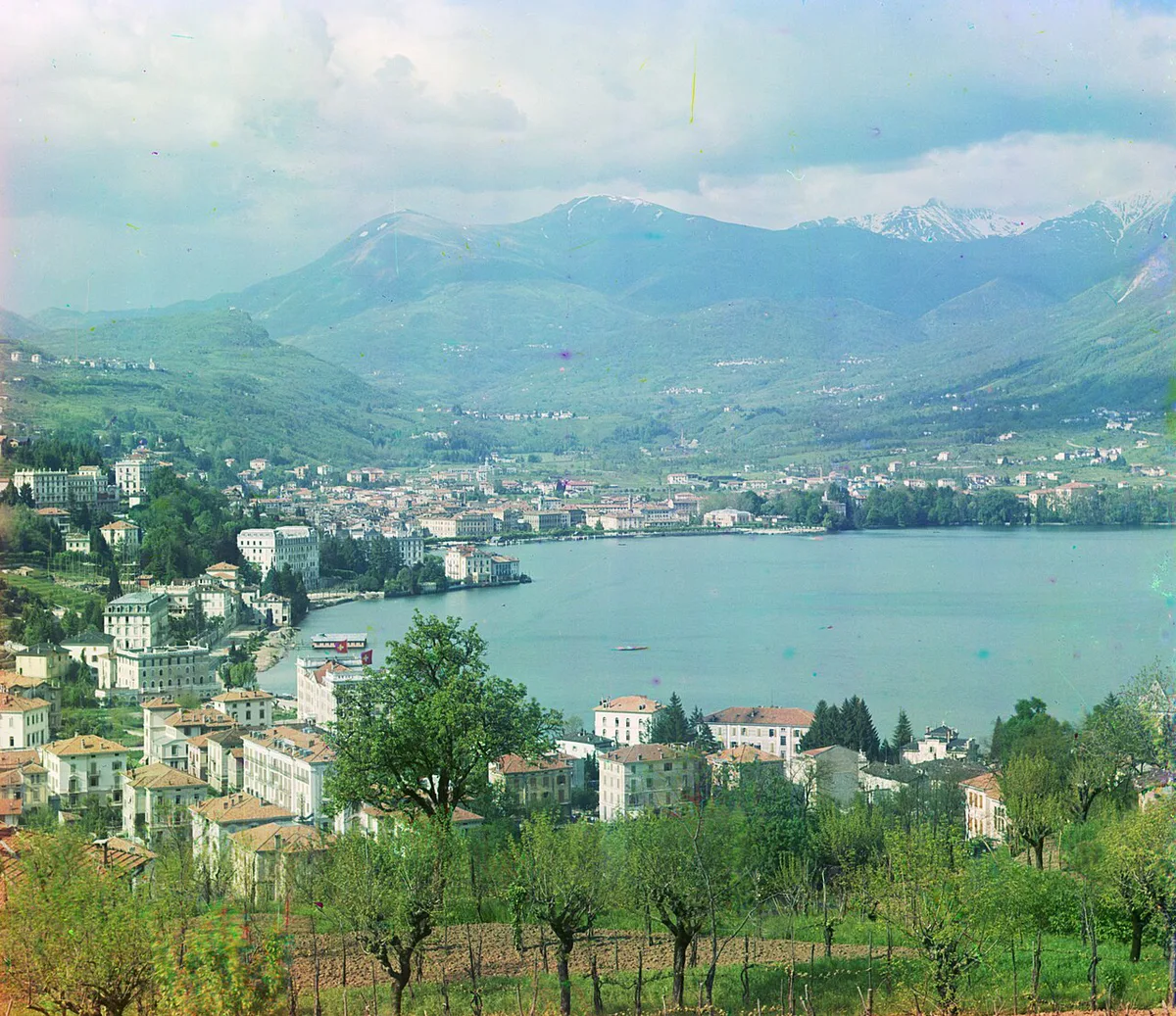
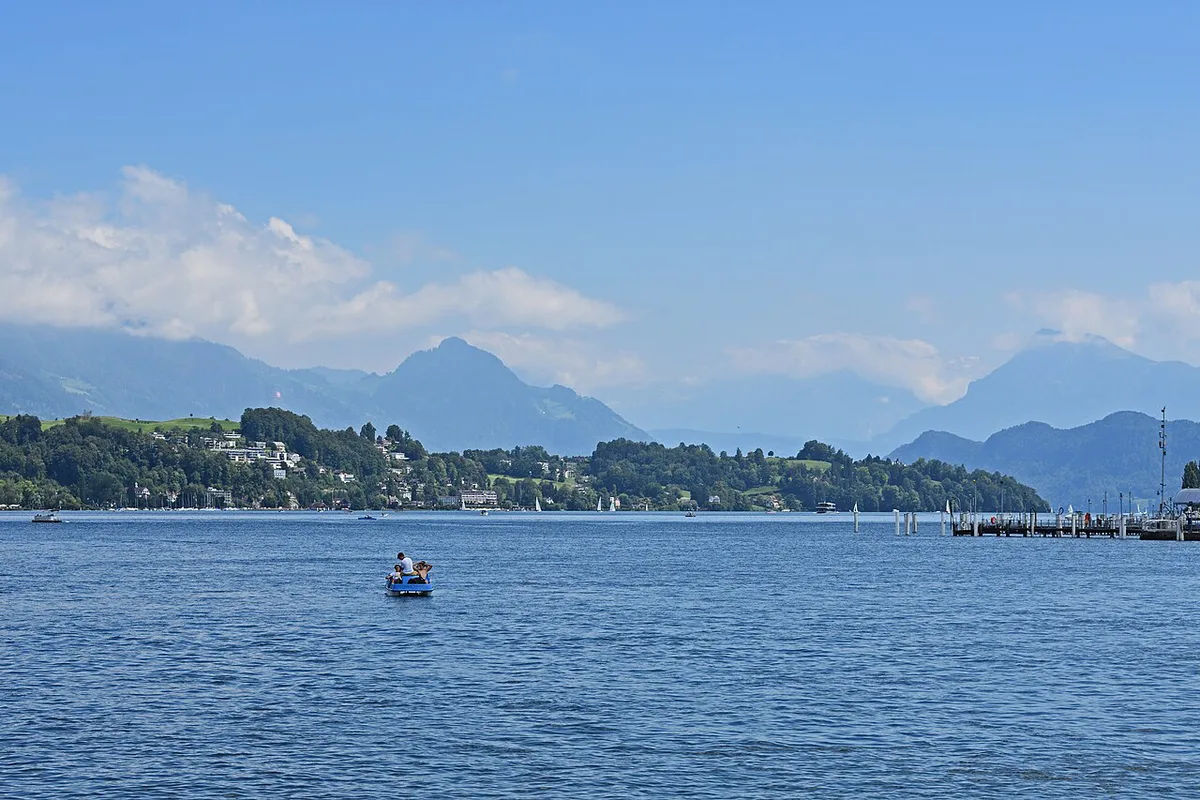
Southern light and palm-lined shores define Lake Lugano, in Italian-speaking Ticino. Lake Lugano Guide: Where to Stay, Boats, Mountains & Costs works as the base for restaurants, boutiques and Monte Brè views. Continue to Morcote for a quieter lakeside village.
Maggiore, shared with Italy, adds Ascona and the Brissago Islands on the Swiss side. Leave Ticino off a short Zurich trip, since transfers from the north are long.
Other Big Swiss Lakes and Shared Shores
Lake Lucerne is central Switzerland's classic steamer lake, and Lake Geneva anchors the French-speaking southwest. Lake Zug Guide: Things to Do, Boats and How to Visit makes a calmer town stop on a Central route. Walensee has its own boat service, listed by the Walensee boat operator. Switzerland shares Lake Geneva with France, Lake Constance with Germany and Austria, and Lake Maggiore with Italy. Some famous sights sit across the border, so carry your passport and check entry rules before any cross-border cruise stop.
Swimming in Swiss Lakes
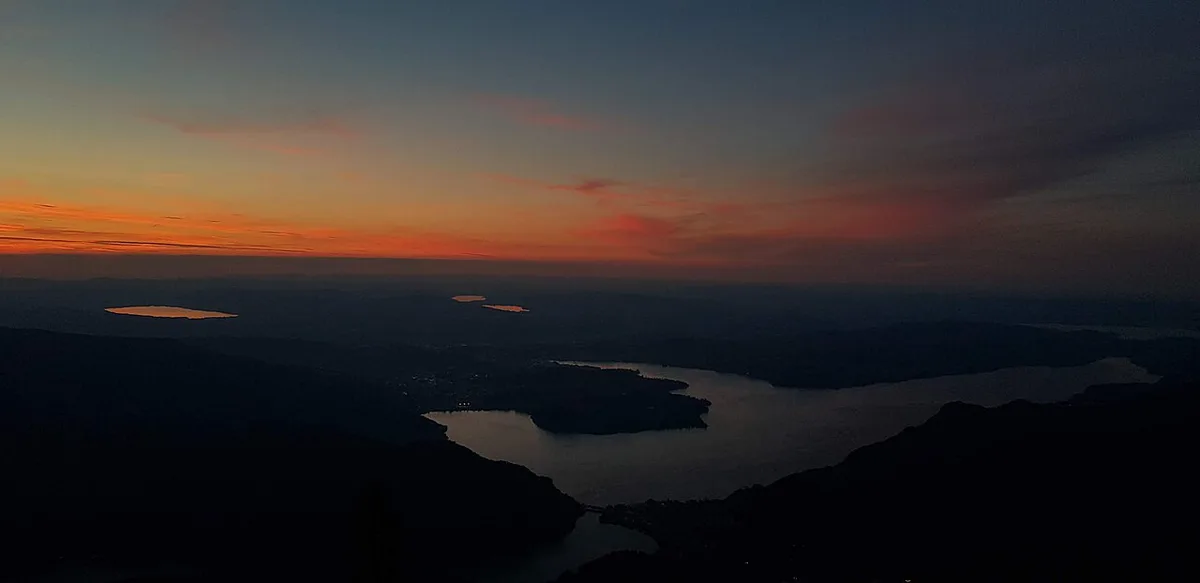
Not every lake is made for swimming. Stick to official bathing areas and read posted water-quality notices. Zurich runs public lake baths called badis, and Zurich Tourism lists them. Caumasee and Crestasee are summer swim stops, while alpine lakes such as Oeschinensee are better treated as hiking destinations.
Best Time to Visit Swiss Lakes
Summer suits swimming and boats on the big lakes. Autumn brings gold larch around Lake Sils. In winter, lake towns such as Zurich and Murten stay easy to visit, while high lakes depend on lifts and open trails. Seasonal and access details last checked November 2026, and local tourism offices publish the current dates.
Getting Around: Trains, Boats and Passes
Swiss trains, lake steamers and some lifts connect well, but passes cover them unevenly. Swiss Travel Pass and Half Fare Card benefits differ by operator, so read the fare page of each boat or lift. Lake-to-lake transfers are long, so plan one main lake per day and no more than 2.
Keep each day to no more than 2 lakes, and a 5-day trip gives room to pair two regions by direct rail.
Combining Swiss Lakes: Regional Routes
Treat these as route logic rather than a fixed itinerary. A 3-day trip fits one region, and a 5-day trip can pair two regions with direct rail links.
- Bernese Oberland: Thun, Brienz, Oeschinensee and Blausee.
- Central: Lucerne, Lungern, Zug and Zurich.
- Ticino: Lugano, Morcote and Maggiore.
- Graubünden: Sils, St. Moritz, Caumasee and Crestasee.
Mistakes to Avoid with Swiss Lakes
Most planning errors come from season, weather and distance.
- Visiting alpine lakes outside lift season or in poor weather.
- Assuming every lake is safe or legal for swimming.
- Underestimating transfers between the Bernese Oberland, Zurich and Ticino.
- Booking cross-border stops on Geneva, Constance or Maggiore without checking entry rules.
Lake Lucerne: Central Switzerland’s Steamer Lake
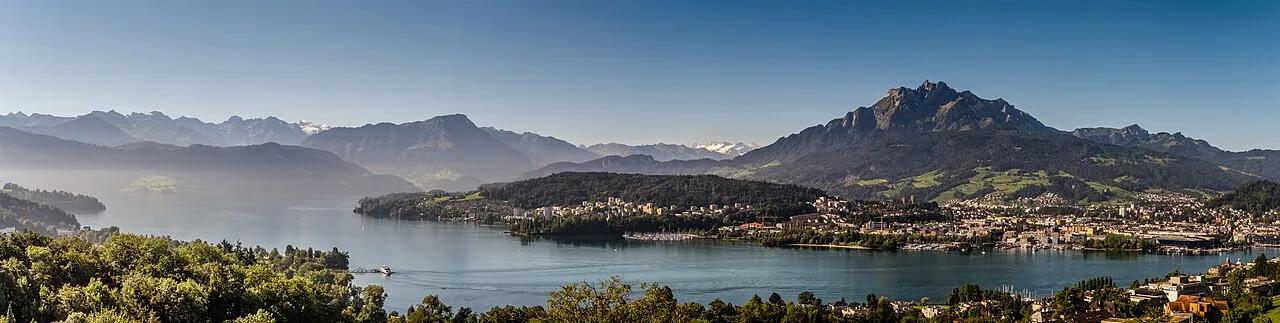
Lake Lucerne is Central Switzerland’s classic steamer lake and a practical base for combining water, rail travel and lakeside towns. Use Lucerne as the anchor for a Central route, then add Lake Lungern, Lake Zug or Lake Zurich according to your available time. Check the boat operator’s current timetable before committing to a cruise connection.
A 3-day lake trip works best when you stay within this one region. A 5-day trip gives you enough time to pair Central Switzerland with another area linked by direct rail. Keep transfers realistic: plan one main lake per day, with no more than 2 lakes on the same day. Lake Lucerne suits visitors who want town services, boats and straightforward train access rather than a remote alpine hike.
Explore More Guides
Keep planning your trip with these guides.
Guides
- Oeschinensee Guide
- Blausee Switzerland
- Caumasee (Lake Cauma), Flims
- Crestasee (Lag la Cresta)
- Walensee Guide
- Lake Neuchâtel Guide
- Murten Switzerland
- Lake Zurich Travel Guide
- Lake Zurich Cruise Guide
- Rapperswil Day Trip Guide
- Lake Lungern Guide
- Seealpsee Hike Guide
- Getting There, the Loop Trail and Bus Tips
- Lake Zug Guide
- Lake Sils Guide
- Lake St. Moritz
- Lake Lugano Guide
- Morcote, Switzerland
More lake guides across Europe
Notes for your next lake trip
Optional updates to our lake guides.
You might also like
Continue reading
More guides you'll find useful