8 Best Italian Lakes to Visit and How to Choose
Compare 8 Italian lakes by region, access, crowds and trip length, from Como and Maggiore to quieter Orta, Iseo and Trasimeno.
On this page
Last updated November 2026. The Italian lakes split into three groups: the famous northern trio of Como, Garda and Maggiore, quieter alpine alternatives such as Orta, Iseo and Lugano, and central lakes near Rome and in Umbria. Your pick depends on trip style, car or no car, and how much crowd you tolerate. Our ranked list of Italy's best lakes goes deeper, and this page helps you choose.
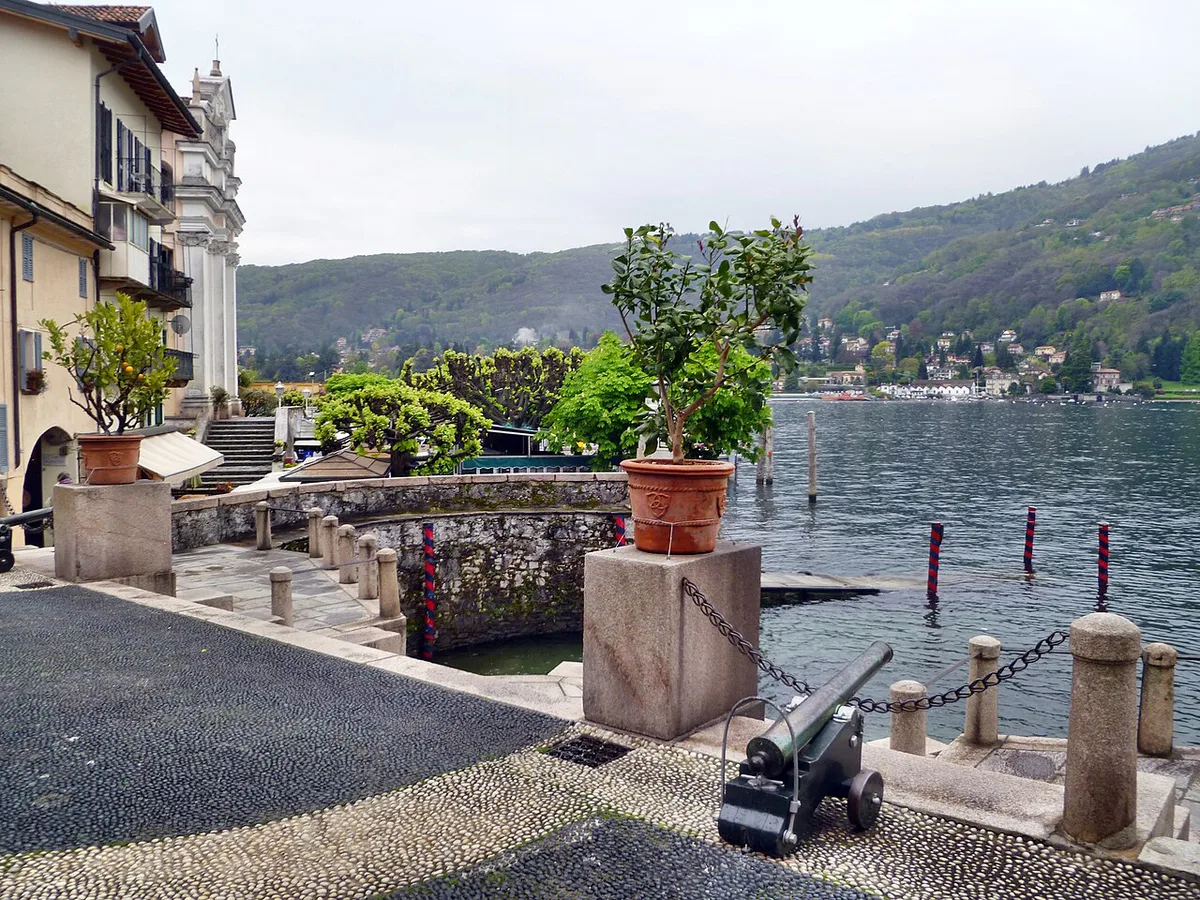
Featured image: . Ray in Manila, CC BY 2.0, via Flickr.
Italian Lakes at a Glance
Use this table to narrow the field before reading the lake-by-lake notes. Crowd levels are our editorial assessment, not measured figures. Lake Como and Lake Garda draw the most visitors, and Orta and Iseo draw fewer.
| Lake | Region | Best for | Base town | Car-free? | Crowds |
|---|---|---|---|---|---|
| Como | Lombardy | Villas, ferry hopping | Varenna, Bellagio | Yes, ferries and trains | High |
| Garda | Lombardy, Veneto, Trentino | Beaches, families, variety | Sirmione, Riva del Garda | Partly | High |
| Maggiore | Piedmont, Lombardy | Islands, gardens | Stresa | Yes, by train and ferry | Medium |
| Orta | Piedmont | Quiet village stay | Orta San Giulio | With effort | Low |
| Iseo | Lombardy | Monte Isola, wine | Iseo, Lovere | Mostly | Low |
| Lugano | Italy and Switzerland | Border-hopping, mountains | Porlezza, Campione d'Italia | Partly | Medium |
| Trasimeno | Umbria | Cycling, fish, slow pace | Castiglione del Lago | Limited | Low |
| Albano | Lazio | Day trip from Rome | Castel Gandolfo | Yes, by train | Medium |
8 Best Italian Lakes to Visit, Grouped by Region
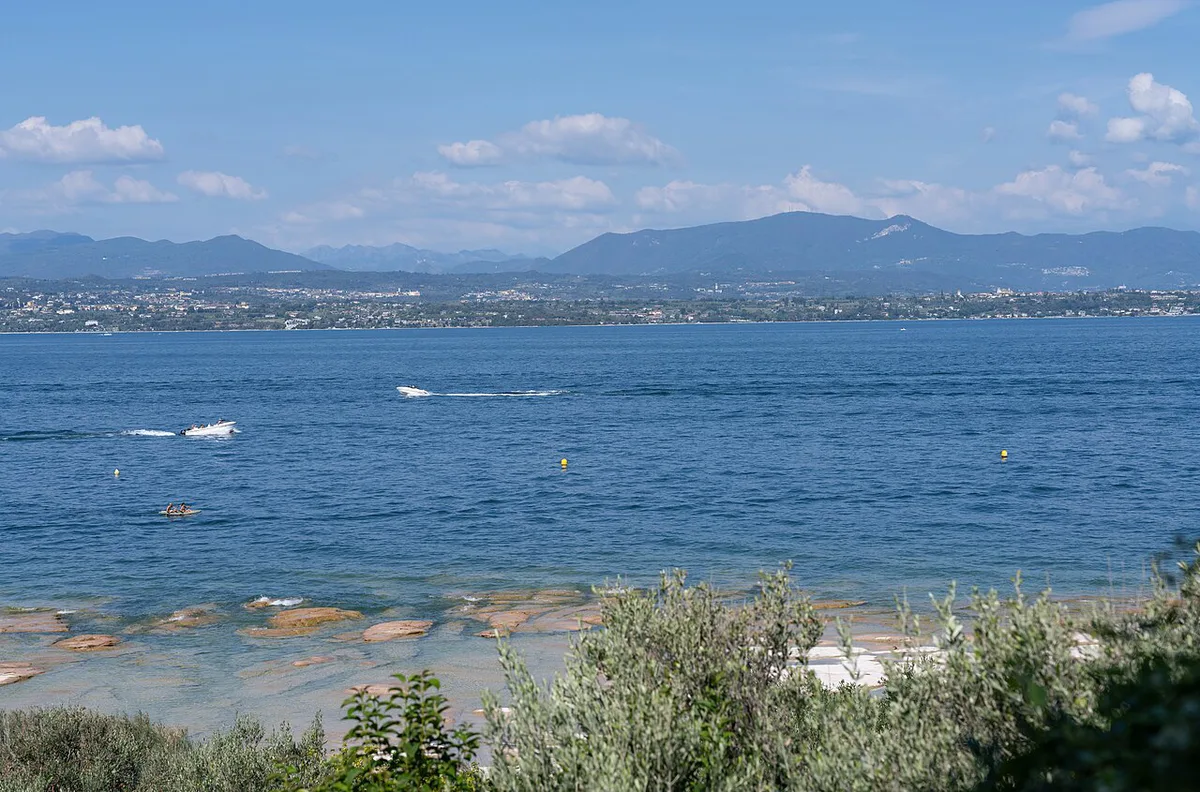
The list runs from the northern alpine lakes down to the volcanic lake near Rome. Prices and hours checked November 2026; ferry timetables change by season, so see Navigazione Laghi for current schedules on Como, Garda and Maggiore.
1. Lake Como
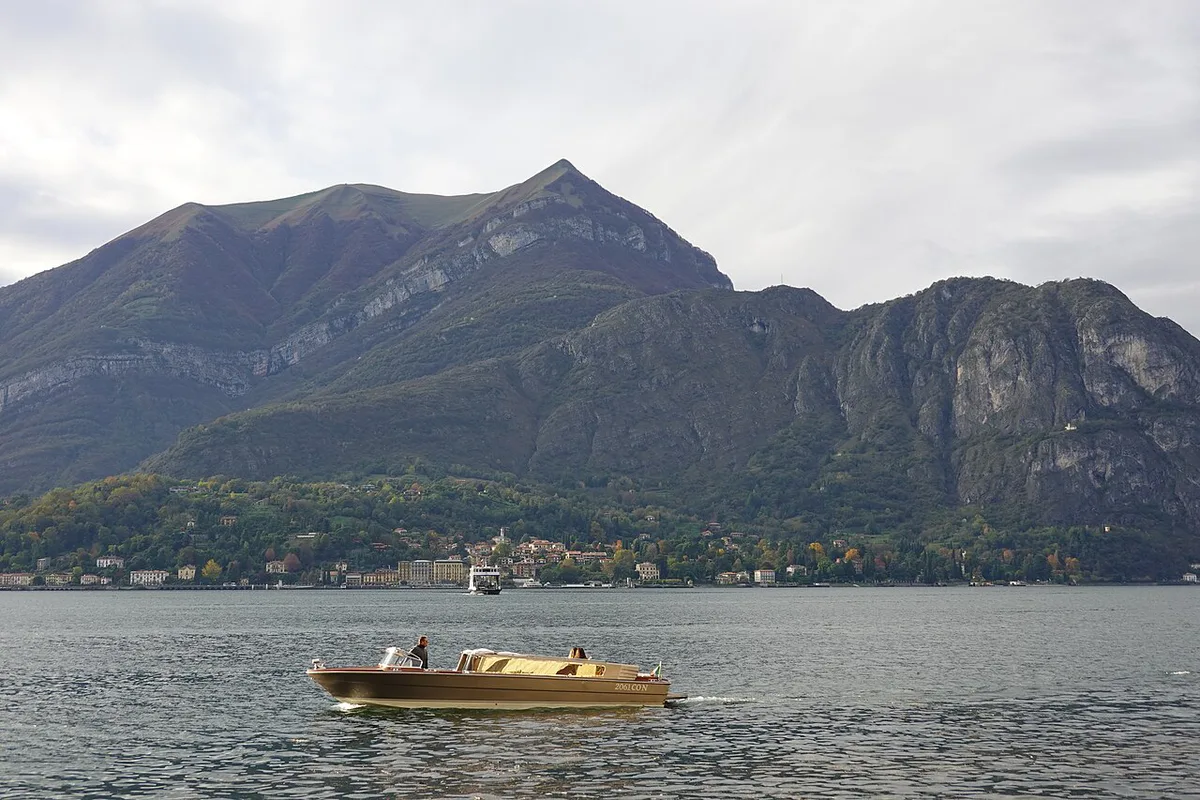
Lake Como is the northern lake most people picture, with villa gardens, steep shorelines and ferry-linked villages. Base yourself in Varenna or Bellagio and move between shores by boat. It is the right pick for a first visit with a few days and a taste for polished scenery. Summer weekends are busy, and shoulder months feel calmer.
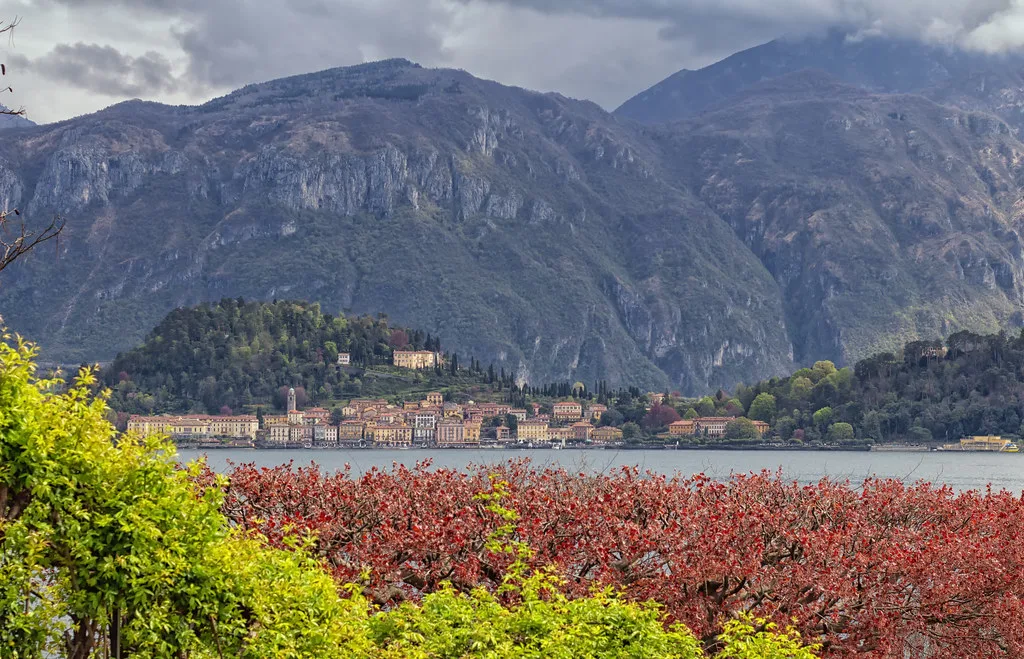
Skip it if you want empty beaches or a bargain stay. For planning, Lake Como's official tourism site lists towns and events. If you cannot decide against Garda, read our Como and Garda comparison.
2. Lake Garda
Lake Garda is the biggest of the northern lakes and touches Lombardy, Veneto and Trentino. That spread gives you beaches, walled towns and mountain trails in one trip. Sirmione and Riva del Garda are the usual bases. Families and active travelers like the range of swimming spots and outdoor sports.
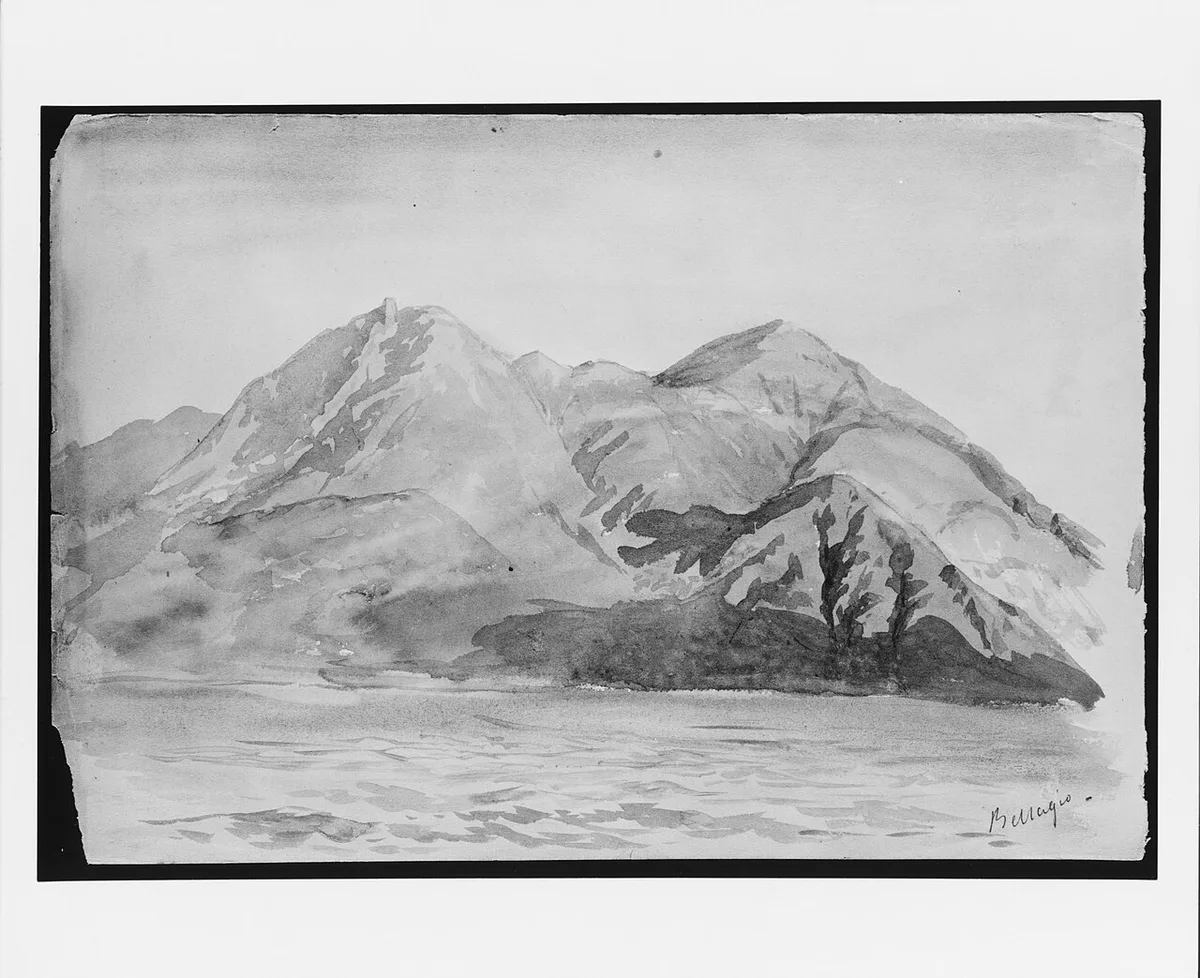
Garda is easy to enjoy by car, because the shoreline is long and public transport is thinner on some stretches. Skip it if you want one compact village base. The region's Garda tourism board covers each shore town.
3. Lake Maggiore
Lake Maggiore pairs lakeside promenades with the Borromean Islands. Isola Bella has a baroque palace and terraced gardens, Isola Madre is a botanical garden, and Isola dei Pescatori is a fishing village. Stresa is the easiest base, with trains from Milan's central station and boat links to the islands. Malpensa Airport is about a 40-minute drive from the lake's southern tip.
It suits first-timers who want island visits without Como's crowds. Skip it if you want swimming beaches, since the draw here is gardens and architecture. Island ferry details are on the Lake Maggiore tourism site.
4. Lake Orta
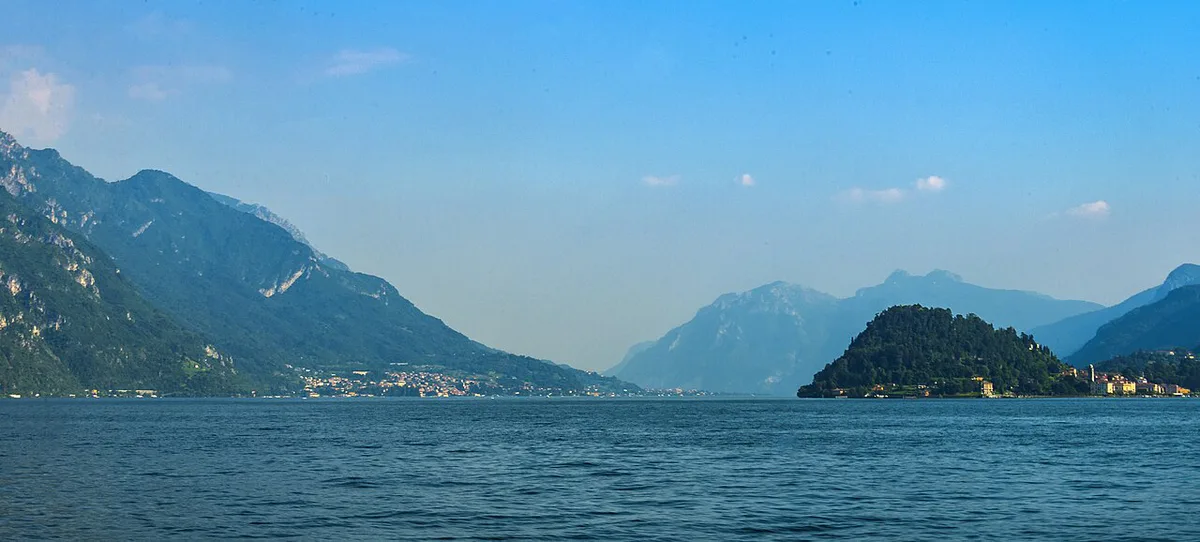
Lake Orta is smaller and quieter than Maggiore. It sits roughly 20 km west of Maggiore, set between pre-Alpine hills. Orta San Giulio is the base. Take a short boat ride to Isola San Giulio, then walk up to the Sacro Monte di Orta above the village for lake views. Reaching Omegna from Milan takes roughly two and a half hours with one change, so Orta needs more effort than Maggiore. Skip it if you want nightlife or a long list of ferry stops.
5. Lake Iseo
Lake Iseo lies between Como and Garda and gets fewer visitors than both. Its highlight is Monte Isola, a mountain island reached by ferry, with the Sanctuary of the Madonna della Ceriola on top. Lovere is a good lakeside stop, and Franciacorta vineyards sit near the shore. Bergamo makes a convenient hub. Choose Iseo for a slower stay with wine and walking. Skip it if you need grand villas or big-name landmarks.
6. Lake Lugano
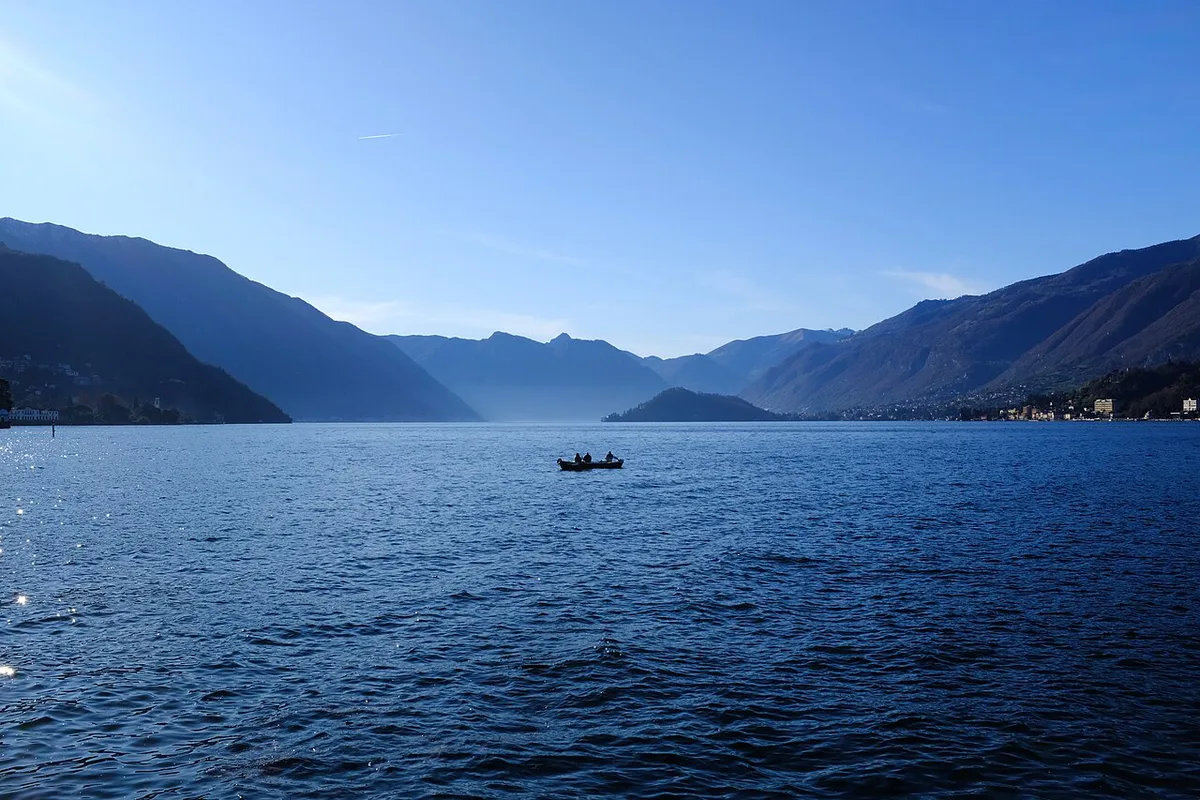
Lake Lugano straddles the Italian and Swiss border. The Italian shore has Porlezza, and the Italian enclave of Campione d'Italia sits on the water. It works as a one-day add-on to Como, or as a base if you want mountain trails nearby. Remember that the Swiss side uses a different currency and border rules.
Read our Lugano and Como comparison to weigh the two. The Lugano Region tourism site covers transport and activities. Skip it if you want an entirely Italian trip with euros throughout.
7. Lake Trasimeno
Lake Trasimeno in Umbria covers about 128 km², close to Como's size. It is rustic, with hayfields, small villages and fortified Castiglione del Lago. Take a ferry to Isola Maggiore for walking paths and lace-making traditions. Cyclists and food lovers do well here, especially with lake fish on the menu. A car makes Trasimeno much easier. Skip it if you want glamour or a dense ferry network.
8. Lake Albano
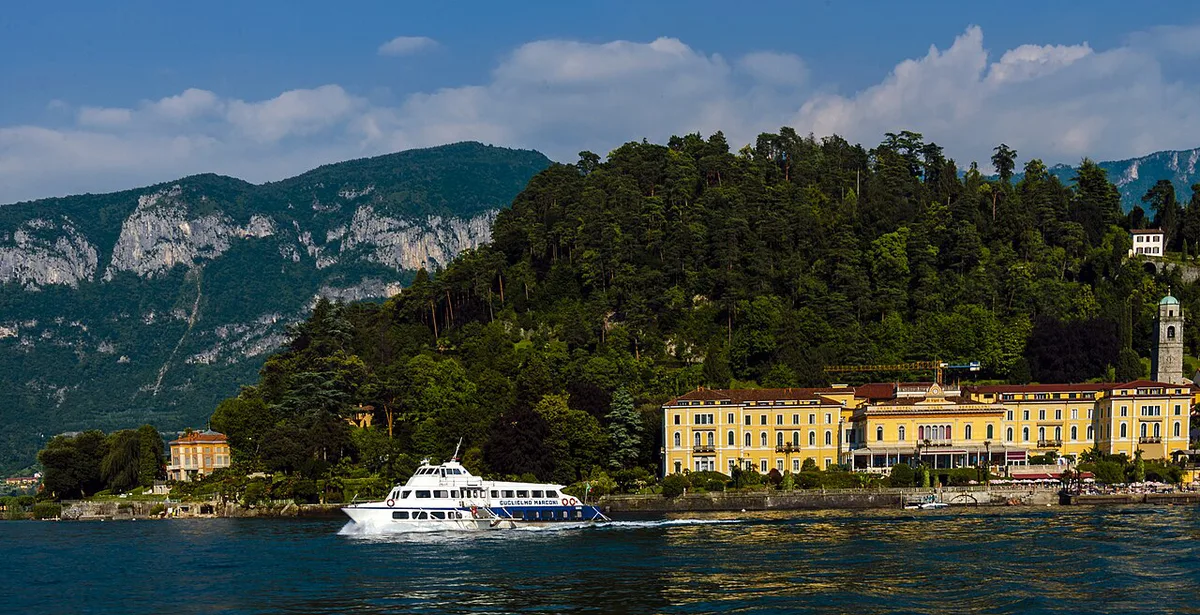
Lake Albano fills a volcanic crater near Rome and works as a day trip. Castel Gandolfo, the papal summer residence, overlooks the water and has gardens open to the public. Trains from Rome take about 40 minutes at a fare near €2.10. The town of Ariccia nearby is known for porchetta. Choose it for a half-day away from the capital. Skip it if you want a multi-night lake holiday.
How to Choose Between the Italian Lakes
Start with transport. Como and Maggiore work well without a car, while Garda, Iseo and Trasimeno reward one. Then weigh glamour against quiet. Como and Garda give the most variety, and Orta and Iseo give the most calm. Many first trips pair two lakes, such as Maggiore and Orta, because they sit about 20 km apart. If a coast is also on your shortlist, our Como versus Amalfi Coast guide compares the two trips. The Amalfi Coast tourism site covers the southern option. For regional depth across the north, see our northern Italy lakes guide.
How to Plan 3, 5 and 7 Days at the Italian Lakes
With 3 days, pick one lake and one base. Stresa on Maggiore or Varenna on Como both need no car. With 5 days, split between two neighboring lakes: Maggiore with Orta, or Como with Lugano. With 7 days, add a third lake and one day trip, such as Iseo from Bergamo. Add Albano only if you also spend time in Rome. Keep moves between bases to one per two or three nights, so transfers do not eat your time.
Orta sits roughly 20 km west of Maggiore, which is why the five-day split pairs them well.
Getting Around and Costs
Ferries link the main towns on Como, Garda and Maggiore, and Navigazione Laghi publishes the timetables and fares. Trains reach Arona, Stresa and Verbania on Maggiore from Milan. Lake fares and island ticket prices change by season, so price your own route on the operator's site. Stays in Stresa, Varenna and Sirmione cost more in summer than in shoulder months. Ferry hopping is cheaper than hiring a car if you stay on Como or Maggiore.
Arriving by air, Malpensa is about a 40-minute drive from the lake's southern tip, while trains from Milan reach Stresa.
Mistakes to Avoid
Do not treat every lake as a swimming holiday. Maggiore and Como are about gardens and villages, and Trasimeno and Bracciano suit swimming better. Do not cram three lakes into three days. Do not assume Orta is as easy to reach as Maggiore, since it needs a change and extra time. Do not add the Phlegraean lakes near Naples to a relaxing lake trip, because they are an archaeology and volcanic-area stop. Finally, do not forget currency and border checks if you cross into Switzerland from Lugano.
Lake Resia: South Tyrol’s Bell Tower Lake
Lake Resia is a striking alternative for travelers heading through South Tyrol rather than between the better-known Lombardy lakes. It is an artificial lake formed in 1950 and stretches for about 6 km, with a width of roughly 1 km. The setting is broad, windy and mountain-ringed, so it feels very different from the villa-lined shores of Como or Maggiore.
Its defining sight is the church tower rising from the water near Curon. The tower dates from 1357 and remains visible after the old village was flooded. Walk or cycle the lakeside route for changing views of the tower and surrounding peaks. Choose Resia if you are combining Italy with the Reschen Pass or want an active Alpine stop. Skip it if your priority is ferry-hopping, historic lakeside towns or a car-free base with frequent rail links.
Frequently Asked Questions
What is a beautiful lake in Italy?
Lake Como is the usual first answer, thanks to its villas and ferry villages. Lake Maggiore has the Borromean Islands, and Orta has the Isola San Giulio. Pick by trip style, not just looks.
Which is nicer, Lake Como or Amalfi Coast?
Como suits gardens, ferries and mountain scenery, while the Amalfi Coast suits sea swimming and cliff towns. Choose the lake for calm water and alpine backdrops. Choose the coast for beaches and a warmer, more Mediterranean feel.
Explore More Guides
Keep planning your trip with these guides.
Guides
Notes for your next lake trip
Optional updates to our lake guides.
You might also like
Continue reading
More guides you'll find useful