Blausee Switzerland: Is It Worth the Entry Fee?
Blausee in the Bernese Oberland: entry fee, bus 230 access, best season and who should skip it. Plan your visit with practical local detail.
On this page
Last updated November 2026: Blausee is a small, spring-fed lake inside a paid nature park in the Kander Valley of the Bernese Oberland, between Kandergrund and Kandersteg. Adult entry is listed at roughly CHF 10 to CHF 13, and the ticket includes a glass-bottom boat ride. It suits photographers, families and autumn-colour seekers, but not swimmers or hikers. For other options, browse our Swiss lakes guide.
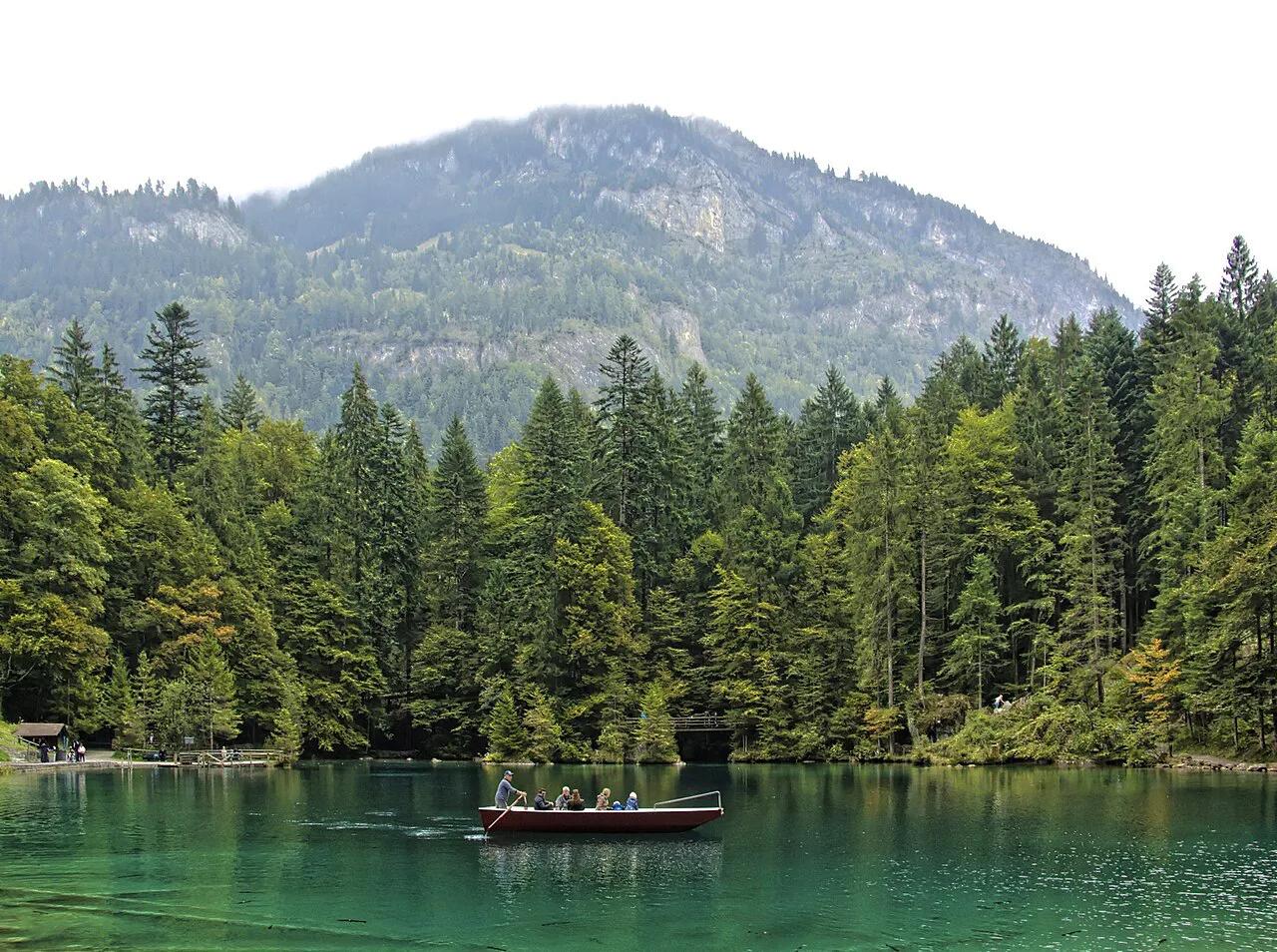
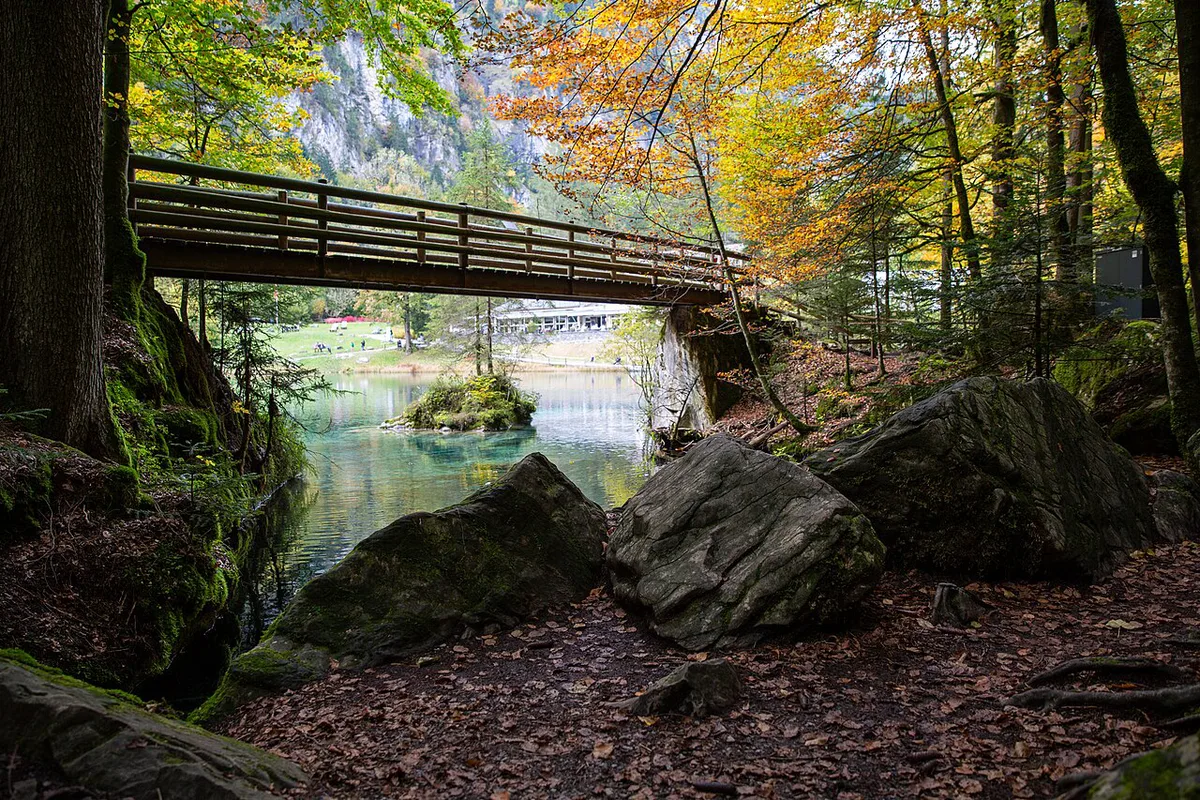
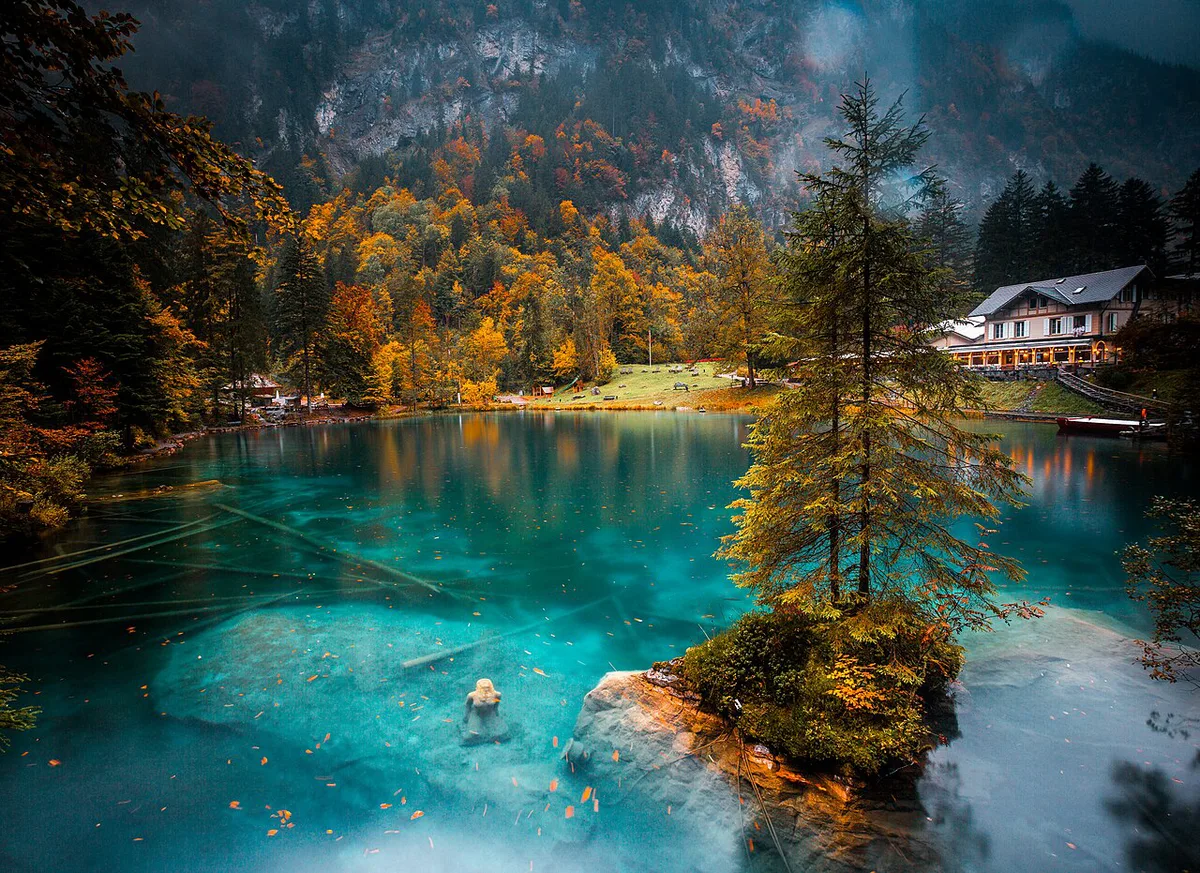
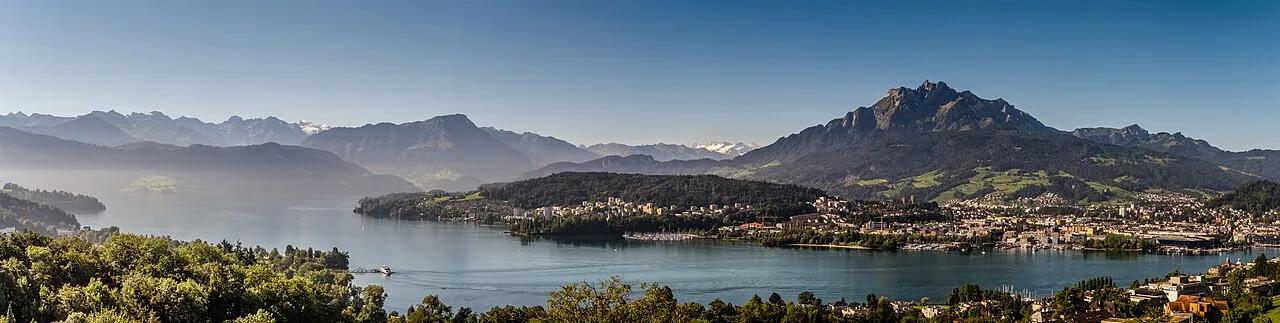
Featured image: MartyRus, CC BY-SA 4.0, via Wikimedia Commons.
What Is Blausee? Quick Answer
Blausee is a protected lake at about 887 m (roughly 2,910 ft), inside a 20-hectare park of about 49 acres. Springs feed the water, and local accounts say it refreshes within about 48 hours. Temperature stays around 6 to 8 °C (43 to 46 °F) all year. Forest walkways lead from the entrance to the shore. Opening times and park rules are published by the Blausee Nature Park.
- Location: Naturpark Blausee, Blausee 222, 3717 Blausee, Kander Valley
- Elevation: about 887 m (2,910 ft)
- Park size: about 20 hectares (49 acres)
- Water temperature: roughly 6 to 8 °C (43 to 46 °F) year-round
- Opens: from 9:00, all year
- Bus stop: Blausee BE, served by bus 230
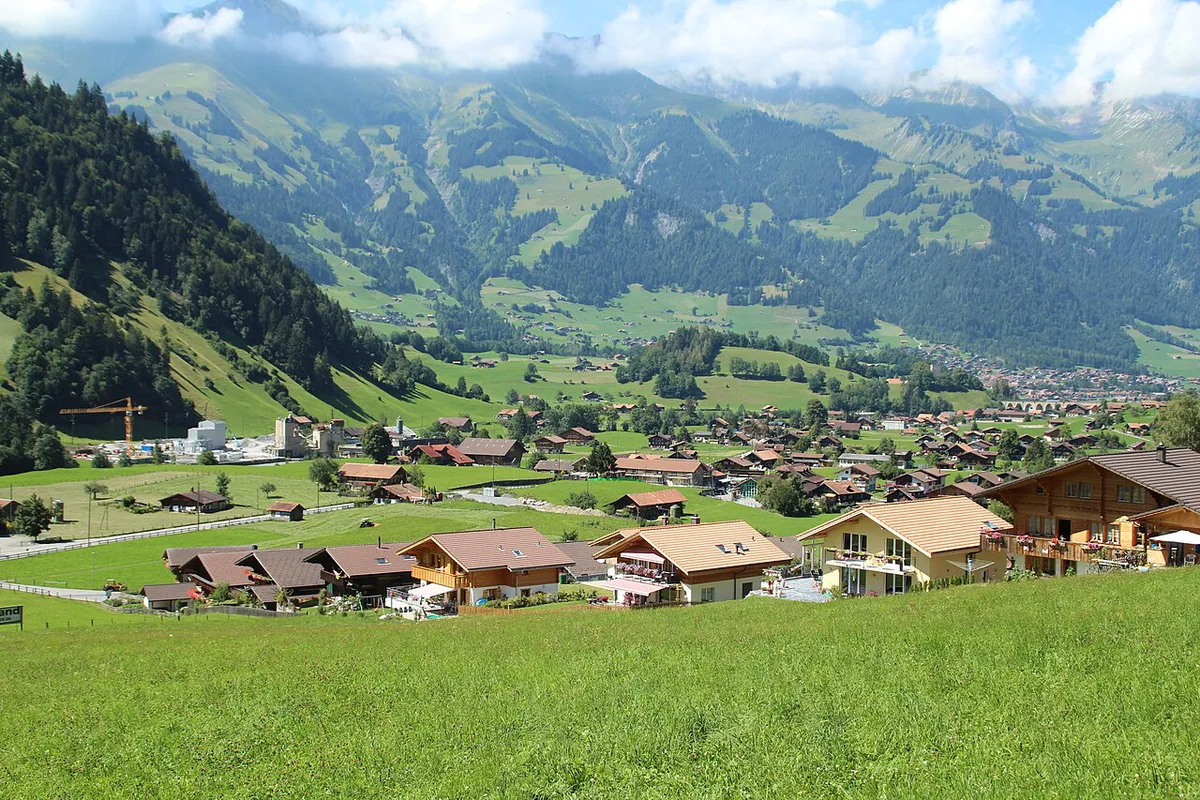
Is Blausee Worth Visiting?
Blausee is worth the fee when you want clear water, quiet forest paths and a short boat ride in one stop. Expect a compact park, not a big alpine lake. Walking from the entrance to the shore takes about 5 minutes, and the boat ride lasts about 10. In our editorial estimate, 60 to 90 minutes covers both plus photo stops. Lunch at the restaurant adds time.
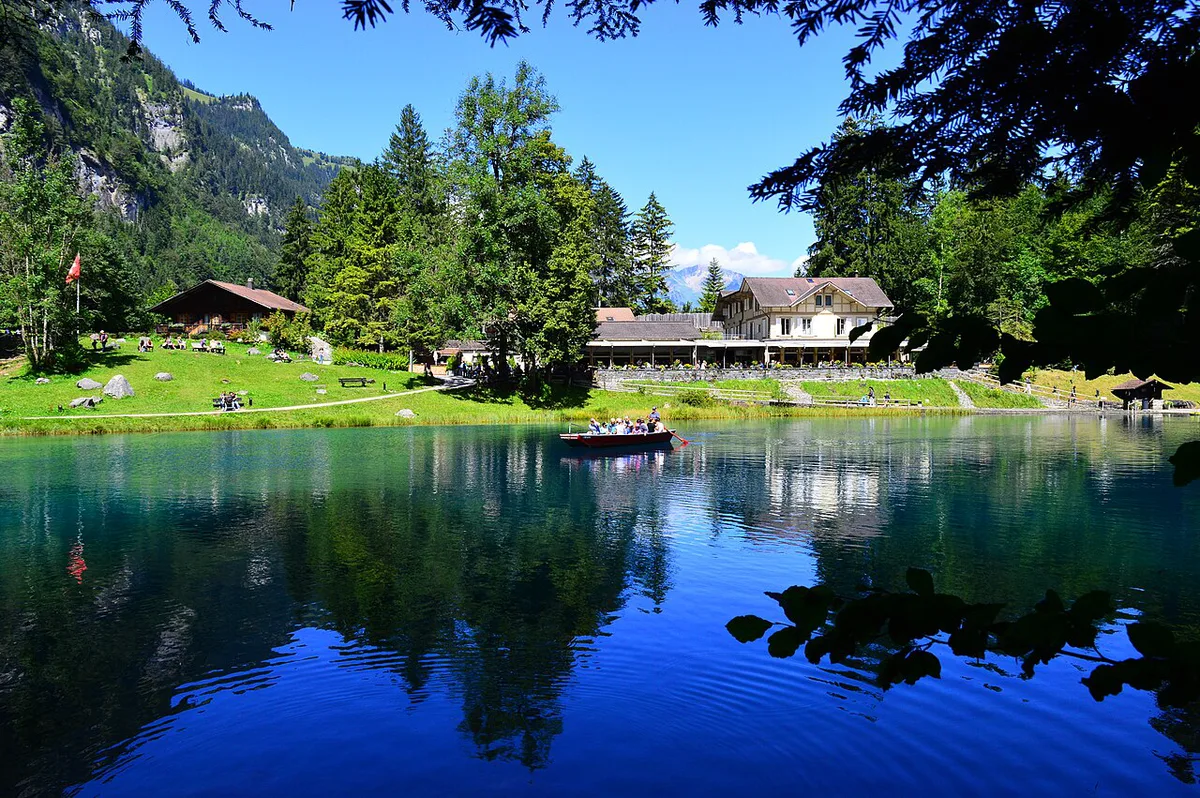
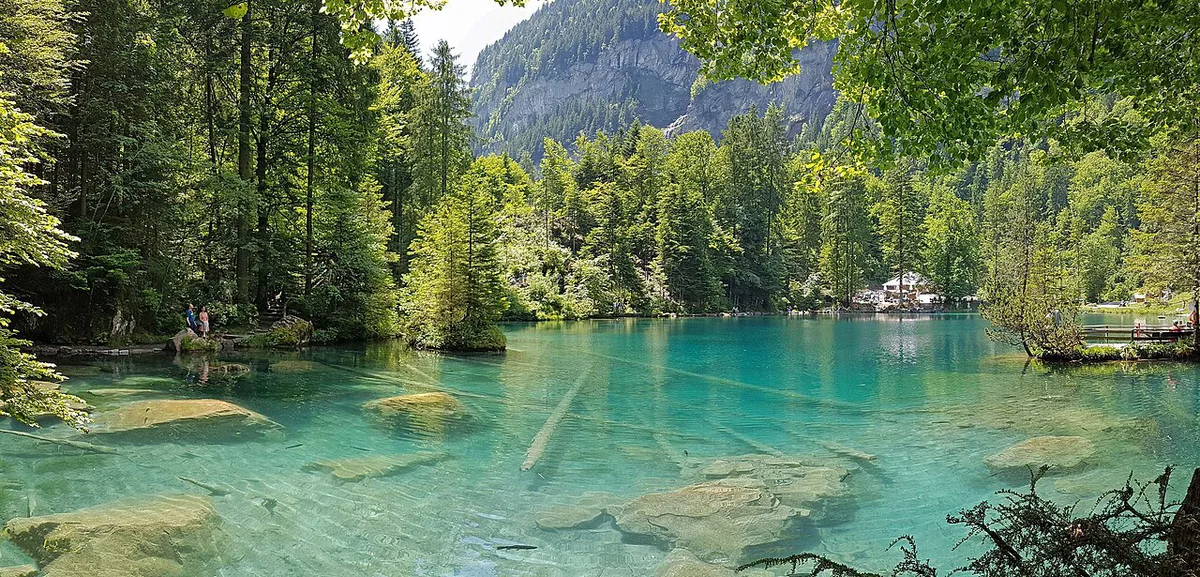
Photos online can look more saturated than the real thing. Colour shifts with light, cloud cover and season. Flat grey light mutes the blue, while low sun and still water deepen it. Judge it as a forest lake with exceptionally clear water, and the entry fee feels fair. Free lakes elsewhere in Switzerland are larger, but they do not offer the same enclosed, tree-lined setting.
- Go if: you like photography, short walks and clear water.
- Go if: you travel with children, since the park has a playground and grill areas.
- Go if: autumn foliage is the reason for your trip.
- Skip if: you plan to swim, because bathing is prohibited in the protected lake.
- Skip if: you want a hike or a free viewpoint.
- Skip if: you have only one lake slot and prefer a larger alpine setting such as Lake Oeschinen.
Blausee Entrance Fee, Tickets and Opening Hours
Third-party travel guides read in November 2026 give differing adult prices. One lists CHF 10 on weekdays and CHF 12 on weekends. Another lists CHF 11 and CHF 13, with children at CHF 7 on weekdays and CHF 9 on holidays. Children under 5 enter free in both. Treat CHF 10 to CHF 13 as a planning range, and read the current rate on the official Blausee site.
The ticket covers the park, the glass-bottom boat, the trout farm visit, the playgrounds and the grill areas. Reports mention discounts for students and for guests holding a local guest card. The park opens at 9:00 year-round. Closing times change by season, so check the official page for the month you travel.
- Adults: about CHF 10 to CHF 13, higher on weekends and holidays
- Children: reported at CHF 7 to CHF 9; under 5 free
- Included: boat ride, trout farm, playgrounds, grill areas
- Opens: 9:00 daily, all year
How to Get to Blausee
Bus 230 runs from Frutigen and from Kandersteg stations to the Blausee BE stop at the park entrance. Buses and cars stay outside, so everyone walks in. Parking gets tight at busy times, which makes the bus the easier choice. Check rail connections on the BLS timetable pages.
Travel estimates place Interlaken about 42 minutes away and Bern about 54 minutes. Lucerne is listed at 1 hour 42 minutes, and Zurich at 2 hours 12 minutes. Zurich is a long day trip, so many visitors prefer a night closer by. If you stay on the water there, see our Zurich lakefront guide or the Zurich lake cruise page instead.
| Starting point | Public transport | Indicative travel time | Notes |
|---|---|---|---|
| Kandersteg | Bus 230 from the station to Blausee BE | Short hop; check timetable | Easiest pairing with Lake Oeschinen |
| Frutigen | Bus 230 from the station to Blausee BE | Short hop; check timetable | Rail link for Spiez and Thun arrivals |
| Interlaken | Train to Frutigen or Kandersteg, then bus 230 | About 42 minutes | Good half-day base |
| Bern | Train to Frutigen or Kandersteg, then bus 230 | About 54 minutes | Manageable day trip |
| Zurich | Train to Frutigen or Kandersteg, then bus 230 | About 2 hours 12 minutes | Long day; start early |
What to Do at Blausee
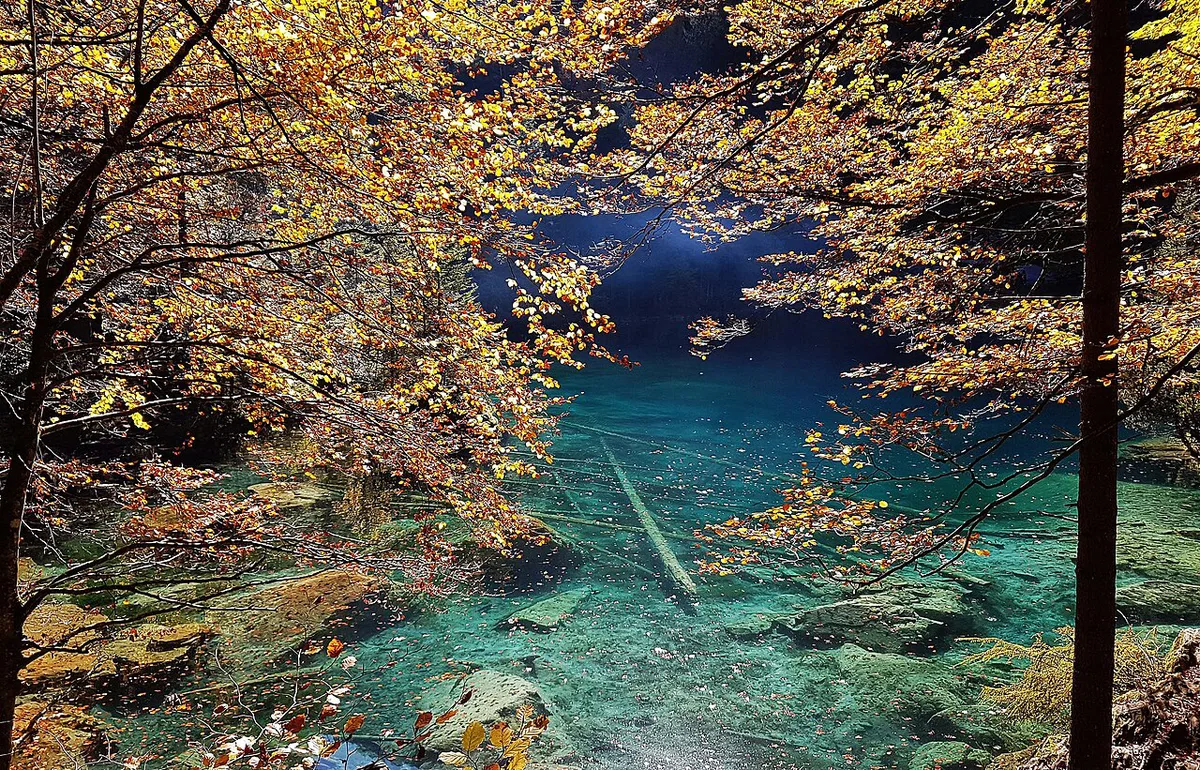
Start on the timber walkways and footbridges that wind through the forest to the shore. Paths are not always paved, so wear sturdy shoes. At the water, look for submerged tree trunks and trout beneath the surface. The boat has a glass bottom, and the ride lasts about 10 minutes.
Local legend tells of a blue-eyed maiden whose tears formed the lake. A stone sculpture of her is said to rest below the bridge. Treat the legend as folklore, and ask staff where to spot the statue.
- Trout farm: an organic farm, included with entry and open to guests.
- Playground: next to the restaurant, with toilets nearby.
- Picnic and grill: fireplaces and tables sit inside the park; ask at the entrance whether firewood is supplied.
- Restaurant: trout is the signature dish, and the operator also runs a hotel and a shop.
How Long to Plan and Best Time to Visit Blausee
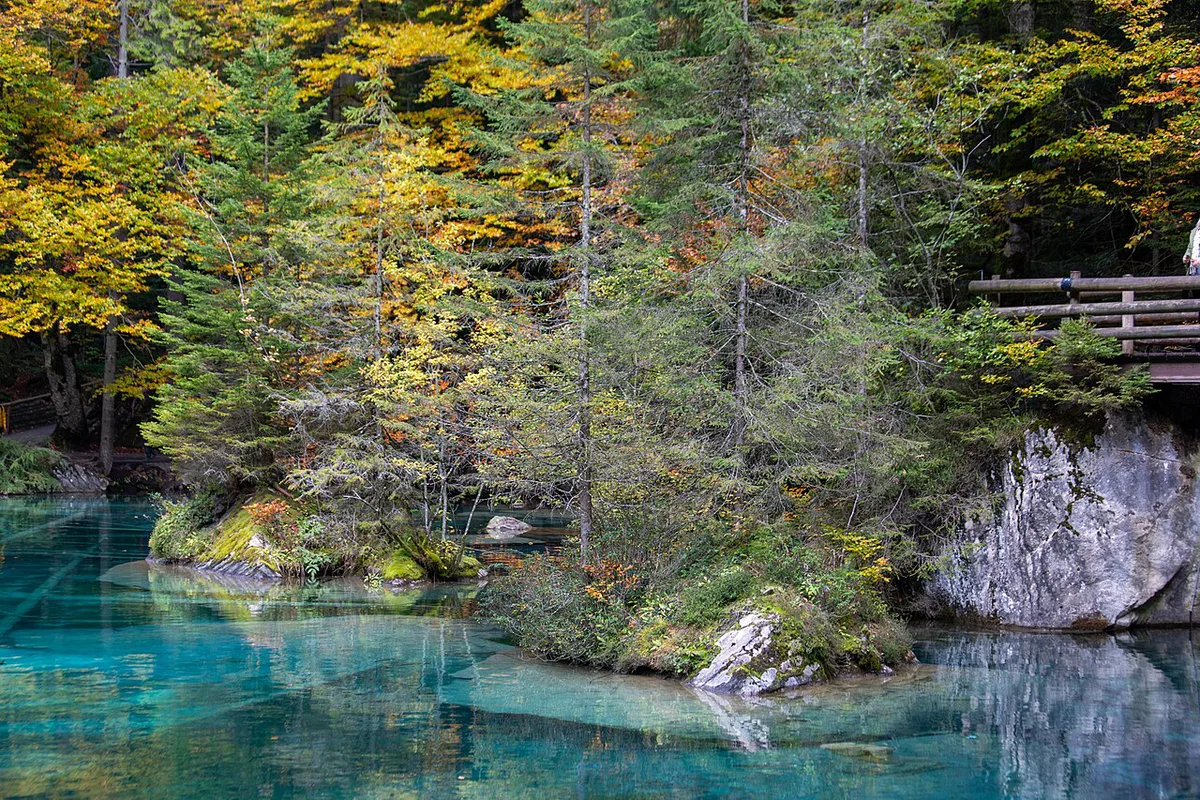
Allow 60 to 90 minutes for the walk in, the boat, and photos. Add time for lunch or the trout farm. Go early: queues grow later in the day, and morning light suits the water best. Autumn colour in the Swiss Alps is generally reported to peak from late September to late October. Winter visits are possible because the park stays open, and the lake is reported to stay unfrozen. A forecast on 21 November 2026 listed showers and daytime highs near 8 °C (46 °F), so pack layers.
| Season | What to expect | Planning tip |
|---|---|---|
| Autumn | Forest colour around the water; popular with photographers | Aim for late September to late October, and arrive early |
| Winter | Open year-round; cold, with snow possible on the trees | Pack waterproof footwear and warm layers |
| Spring | Wet paths are likely after snowmelt | Wear shoes that handle mud |
| Summer | Busiest period; parking is tight | Take bus 230 and arrive before the crowds |
Sample Day Combos Around Blausee
Blausee fits neatly into a Kander Valley day. Each combo below is logistics only, so check times before you go. Local tips on Kandersteg are on Kandersteg Tourism.
- Two lakes: Blausee in the morning, then Lake Oeschinen above Kandersteg. Bus 230 starts from Kandersteg station, so the town is your hinge.
- Thun and Spiez: visit Thun, continue to Spiez, then take a train to Frutigen and transfer to bus 230 for Blausee.
- Interlaken half day: take a train to Frutigen or Kandersteg, ride bus 230, and return for dinner in Interlaken.
Where to Stay and Eat Near Blausee
The Blausee operator runs a hotel, a restaurant, an organic trout farm and a shop on site. For other bases, pick by transport fit. Kandersteg suits Lake Oeschinen plans. Frutigen is a rail junction for bus 230. Spiez and Thun sit on Lake Thun, and Interlaken has the most services. Packing a picnic for the park's tables is a cheaper alternative to the restaurant.
Mistakes to Avoid and Practical Tips
Most problems come from wrong expectations and poor timing. Do not plan a swim, because bathing is prohibited. Do not assume entry is free. Do not arrive late at peak times, when lines and parking are worst. Skip thin-soled shoes, as forest paths are not always paved. Bring warm layers, since the water stays 6 to 8 °C (43 to 46 °F) and the air feels colder under the trees. Carry a payment method for both card and cash, and ask the entrance desk which they accept.
- Leave about 5 minutes for the walk from the entrance to the lake.
- Use the boat ride, because it is already in the ticket.
- Take rubbish with you and keep everything out of the water.
Blausee and Other Swiss Lakes to Compare
Blausee is a small, clear forest lake with paid entry. Lake Oeschinen near Kandersteg is the larger alpine alternative and the natural pairing. For a different shade of water, compare Crestasee's gorge-lake setting. If you are driving through central Switzerland, Lungern in Obwalden is another option. Our full list of Swiss lakes sorts them by region.
Frequently Asked Questions
Why is Blausee blue?
Springs feed the lake with very clear water. The colour is usually explained as a mix of light reflection, surrounding trees and the sky. Shade of blue changes with weather and season.
Can you swim in Blausee lake?
No. Swimming and bathing are prohibited because the lake is protected. Visitors can ride the glass-bottom boat and walk the paths instead.
Notes for your next lake trip
Optional updates to our lake guides.
You might also like
Continue reading
More guides you'll find useful