Lake Lugano Guide: Where to Stay, Boats, Mountains & Costs
Plan Lake Lugano: Swiss vs. Italian shore, Monte Brè vs. San Salvatore, boats, grottos, rainy-day picks and costs, with official sources to check.
On this page
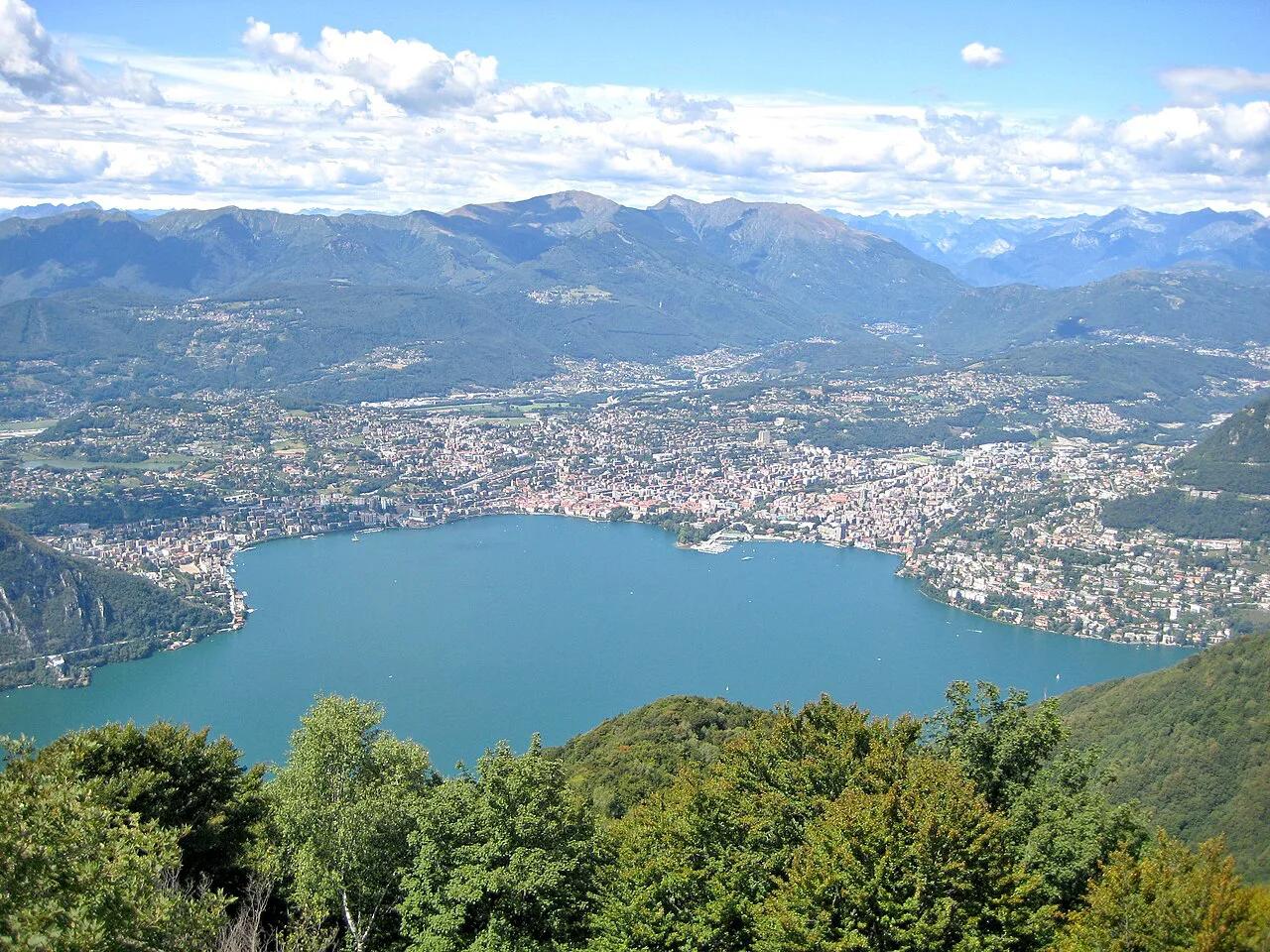
Last updated November 2026. Lake Lugano (Lago di Lugano, also called Ceresio) is a glacial lake on the border between Ticino in Switzerland and Lombardy in Italy, and most of its water is Swiss. Two decisions shape the trip: whether to base yourself in Lugano or on the Italian shore, and how many days to give it. This guide answers both, then covers mountains, boats, grottos, costs and weather.
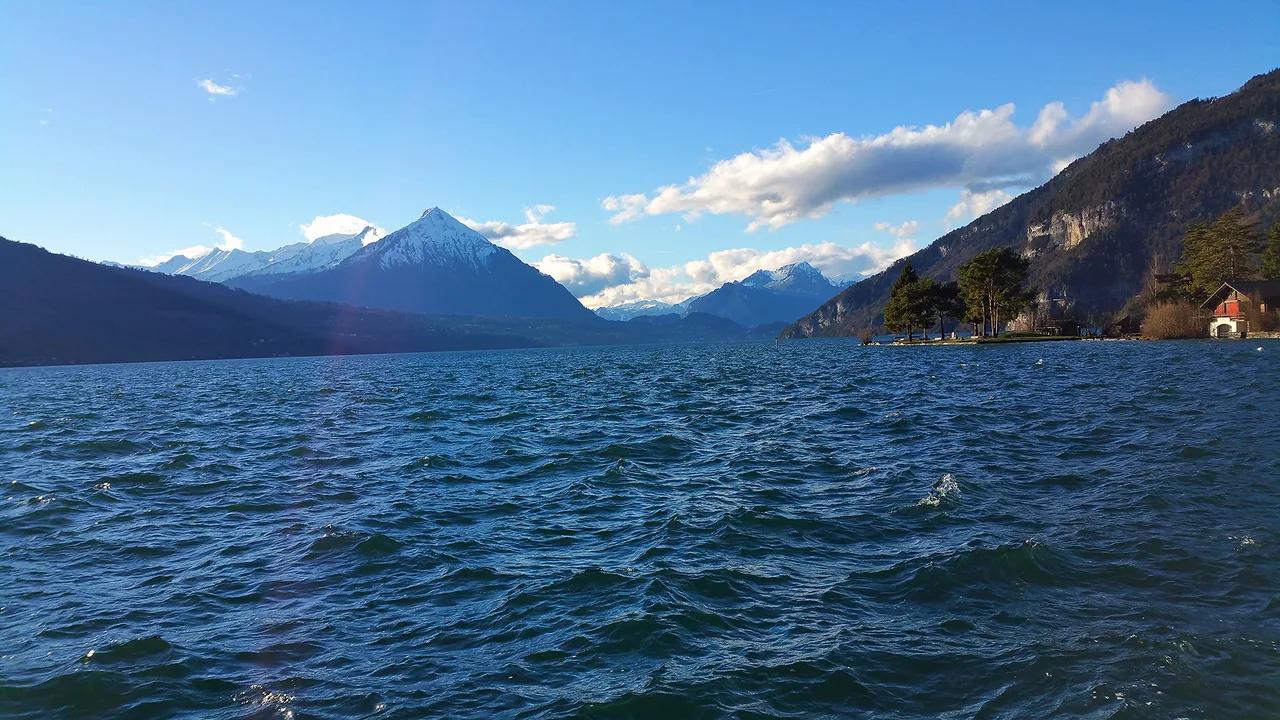
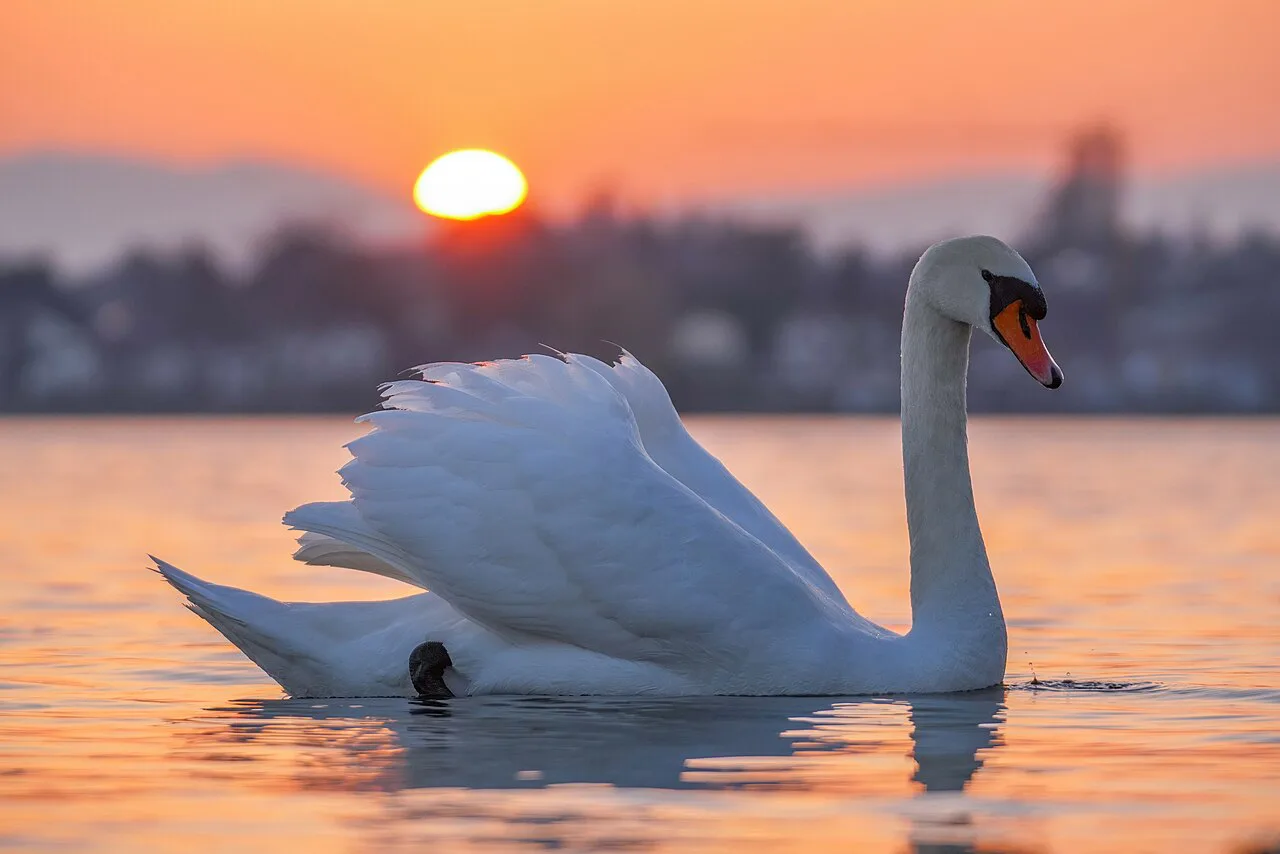
Featured image: Aconcagua, CC BY-SA 3.0, via Wikimedia Commons.
Lake Lugano at a Glance
Lugano Switzerland is the practical base for most visitors. Trains, buses and the main boat piers meet here, and the old town, the Lungolago promenade and Parco Ciani sit within walking distance of each other. Two to three days covers the lake, one mountain and one village. Late spring and early autumn give the best mix of open boats, clear views and manageable crowds. Expect Swiss prices in Lugano and noticeably lower prices across the border in Italy.
- Best base: central Lugano, or Paradiso and Cassarate for mountain funiculars.
- Ideal stay: 2–3 days; one day works as a taster.
- Best months: May–June and September–October.
- Car needed: no on the Swiss side, yes for most Italian villages.
- Cost level: Swiss prices in Lugano, cheaper on the Italian shore.
Is Lake Lugano in Switzerland or Italy? Border Basics
Both. The lake stretches about 35 km through the Lugano Prealps, and the border zigzags across it. Think of three practical zones. Lugano and the central basin are Swiss. The Italian shore around Porlezza and Valsolda is cheaper and quieter. Campione d'Italia is an Italian enclave surrounded by Swiss territory, and it is a short boat or road hop from Lugano. Carry a passport or national ID card whenever you cross, even though checks are often light. Entry rules depend on your nationality, so read the current Swiss and Italian government entry pages before you travel. Swiss francs and euros are not interchangeable everywhere, so carry a little of each if you plan to cross. Mobile data roaming can also differ between the two sides, which is worth checking with your carrier.
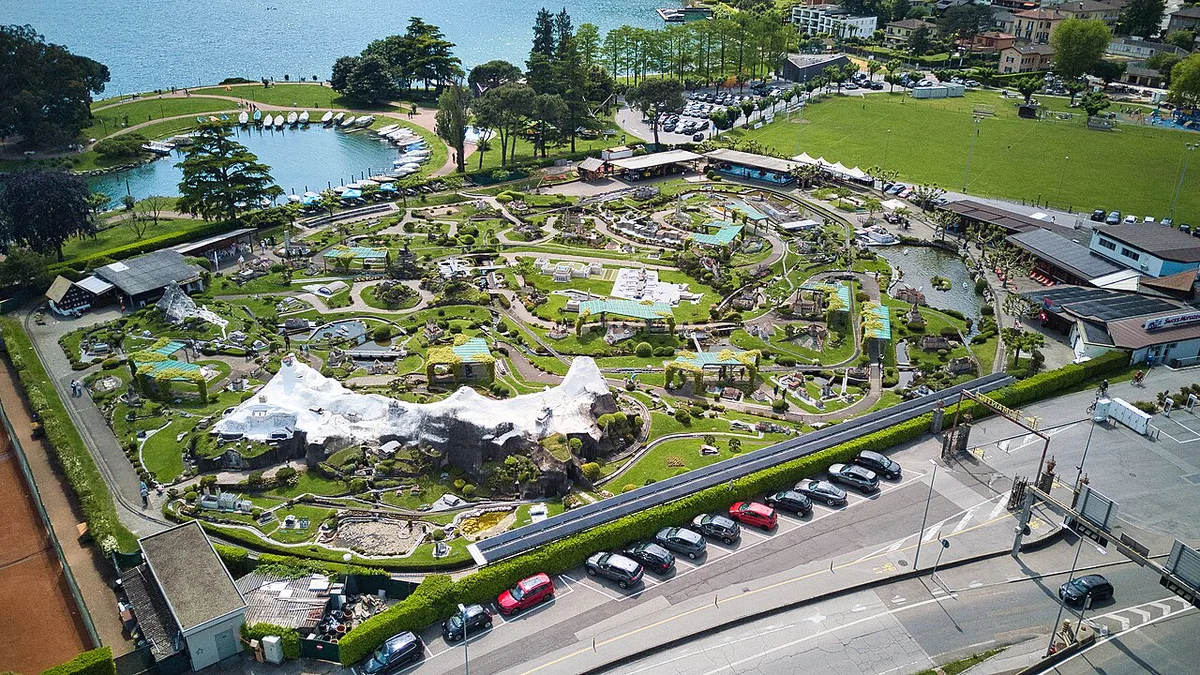
- Zone 1: Lugano and the central basin, Swiss, with the best public transport.
- Zone 2: Porlezza and Valsolda, Italian, with cheaper lodging and a car or boat needed.
- Zone 3: Campione d'Italia, an Italian enclave within Swiss territory.
Best Things to Do at Lake Lugano
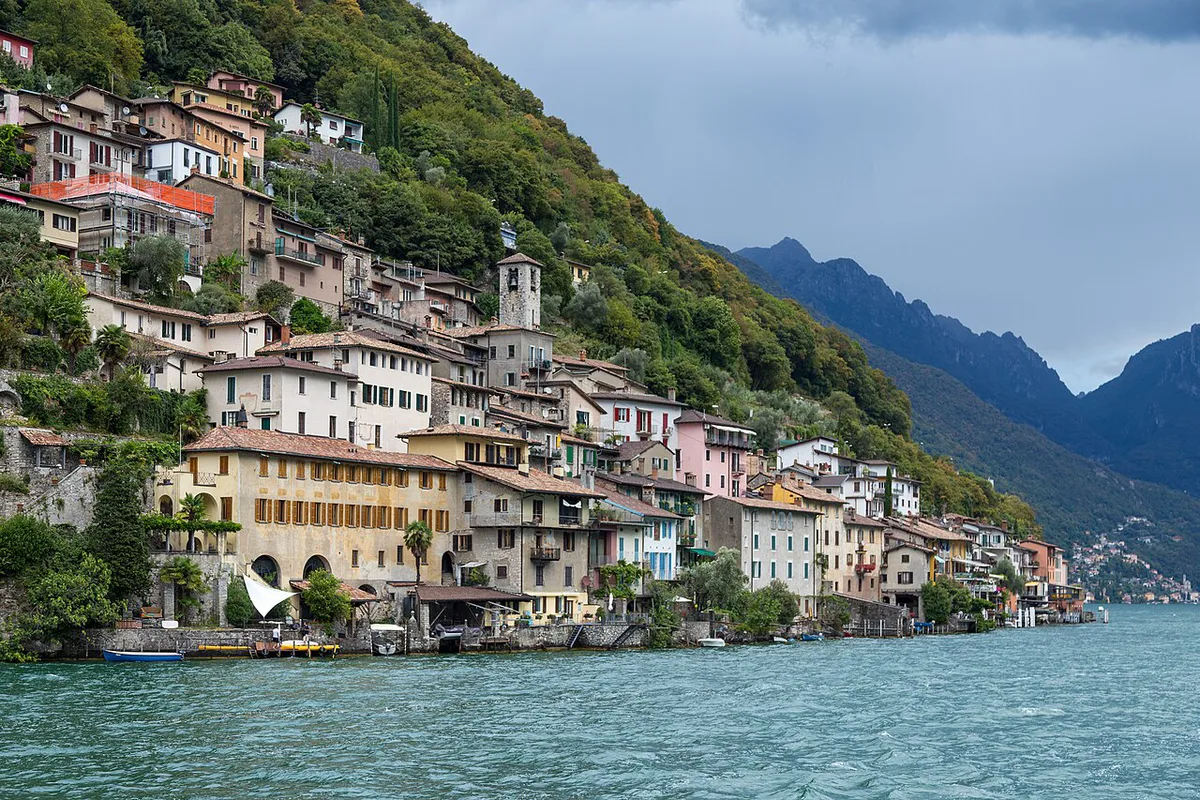
Group your days by type rather than ticking off a long list. Start with the Lungolago promenade and Parco Ciani, which cost nothing and suit any weather window. Boat trips come next, and our section on getting around explains the network. For a village, pick Morcote on the southern shore, which rewards a half day of stairs, gardens and lakeside lunch. Gandria is the other classic stop, a cliffside village known for having no road through it. Culture fans should head to LAC Lugano Arte e Cultura in the city. Literature fans can visit Montagnola, where Hermann Hesse lived from 1919 to 1962 and won the Nobel Prize in 1946. Hikers have the Monte Generoso area, whose summit reaches 1,704 m. Swimmers should look for lido and lakeside bathing spots in summer.
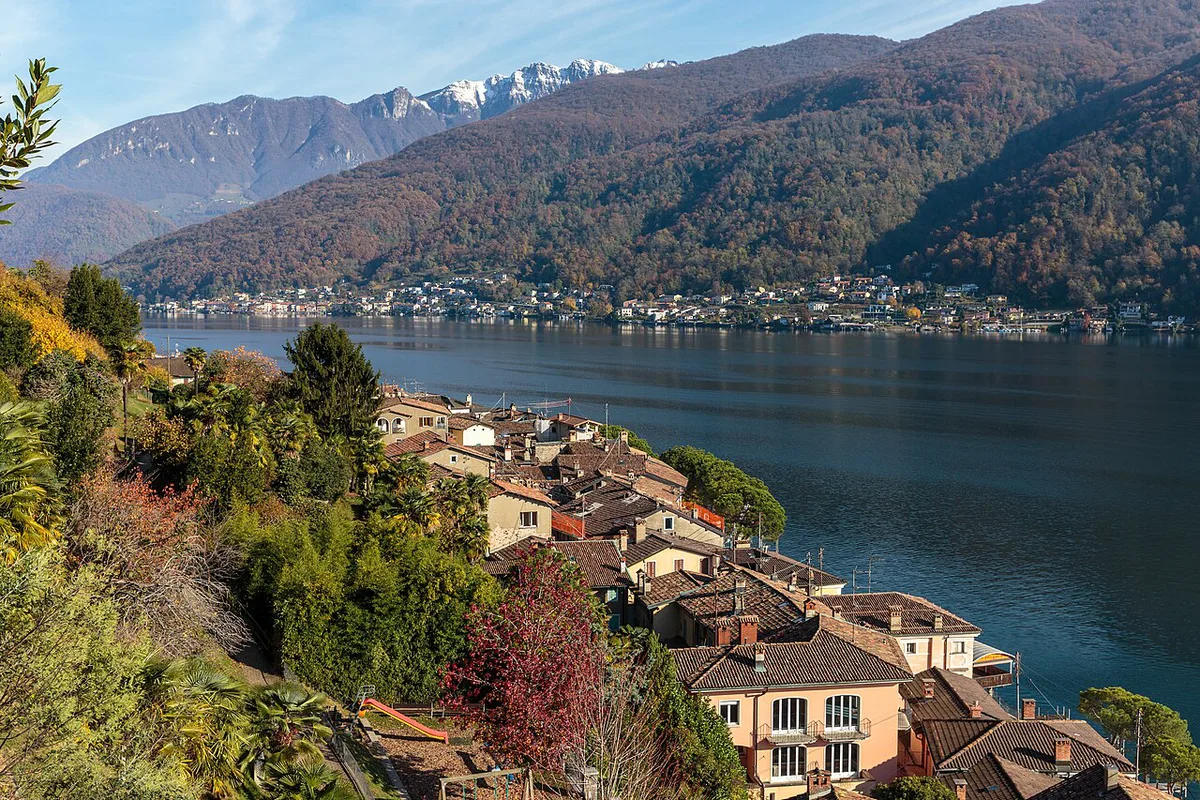
- Lungolago and Parco Ciani: 1–2 hours; best for a first evening.
- Morcote: 3–4 hours including lunch; best for photographers and slow lunches.
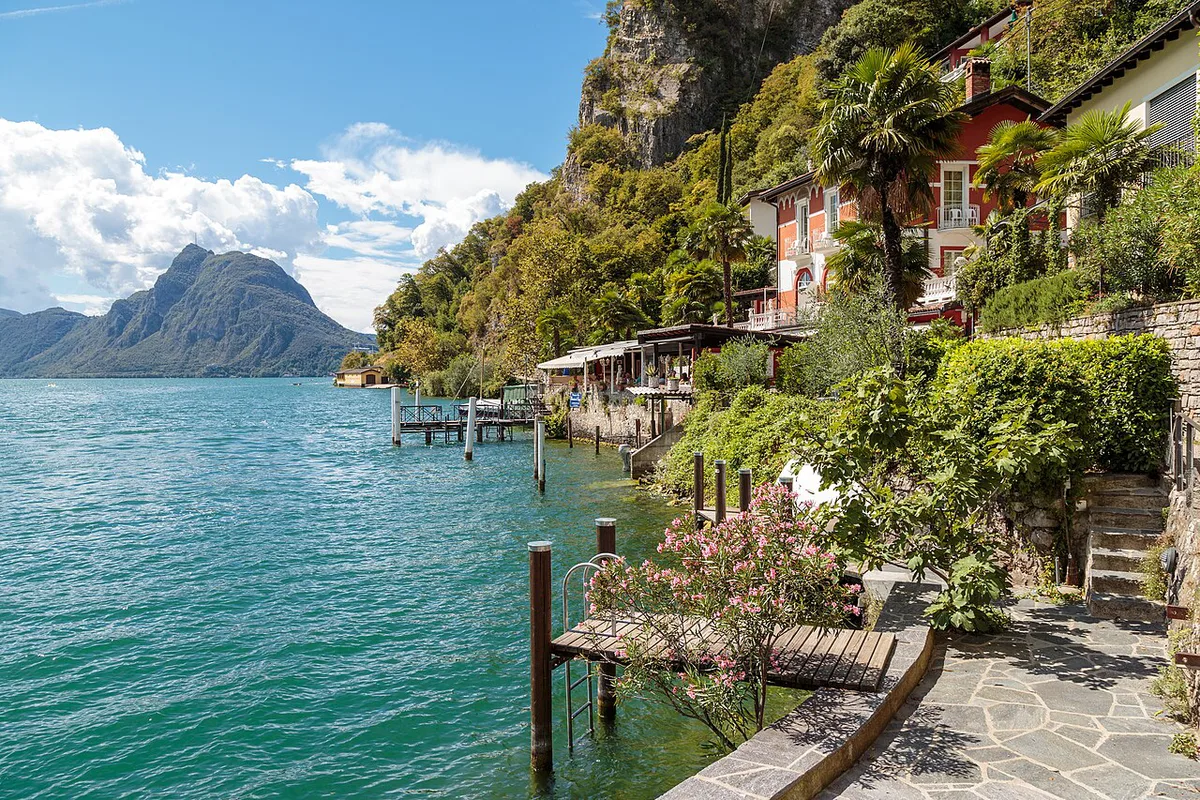
- Gandria: 2–3 hours; best combined with a boat ride or the olive trail.
- LAC Lugano Arte e Cultura: 1–2 hours; best for wet or windy days.
- Montagnola and the Hesse sites: about half a day; best for readers.
- Swimming: summer afternoons; best for families and sun seekers.
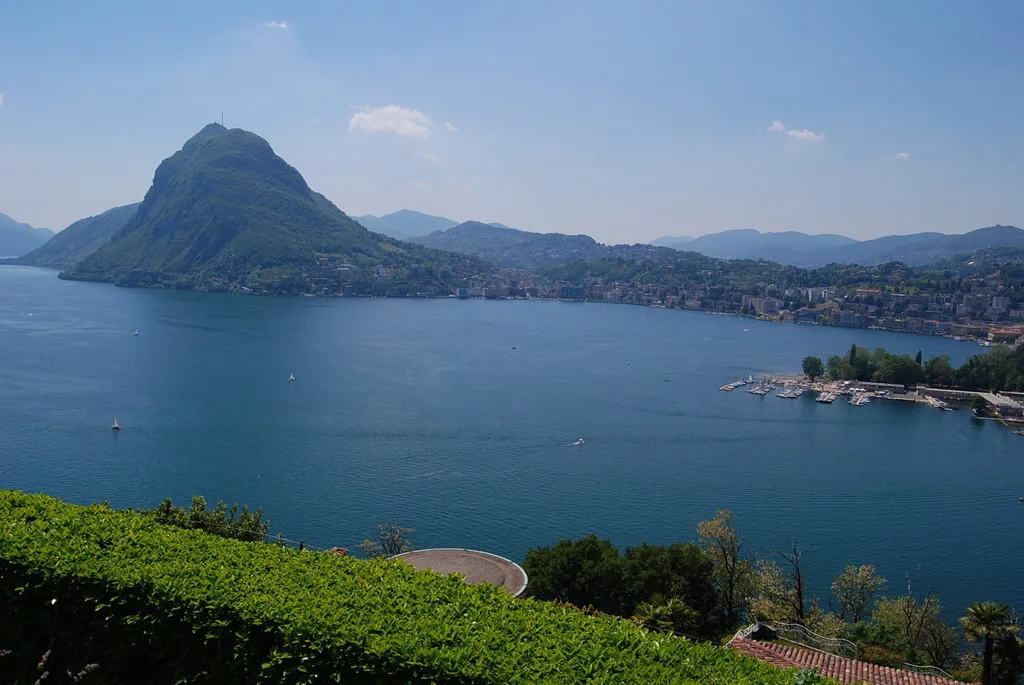
Monte Brè vs. San Salvatore: Which Mountain?
Both summits frame Lugano, and most visitors only have time for one. Monte Brè reaches 925 m and is the sunnier, village-flavoured option. San Salvatore is the one people choose for the widest panorama and a hilltop chapel. Check each funicular operator for current times, fares and winter closures before planning around either. If the forecast shows cloud on the peaks, switch to a museum or boat day and keep the summit for a clear morning. Mountain webcams and the local forecast help you decide on the day.
| Feature | Monte Brè | San Salvatore |
|---|---|---|
| Access | Funicular from Cassarate, with a village stop | Funicular from Paradiso |
| View character | Sunny, close to the lake, lake and village together | Wide panorama over lake and plains |
| Best time of day | Morning to midday | Late afternoon and evening |
| Crowds | Quieter, more village atmosphere | Busier near sunset |
| Best for | Walkers, photographers, village lunches | First-timers wanting the big view |
Where to Stay: Lugano vs. the Italian Shore
The trade-off is simple. Lugano costs more but works without a car. The Italian shore costs less but usually needs wheels or a boat timetable. Paradiso and Cassarate suit travellers who want funiculars close by. Hillside villages like Montagnola suit walkers and Hesse fans, but you will rely on buses for lake activities. Swiss lodging is the priciest option around the lake, so compare rates for your dates on the booking site you normally use.
| Base | Cost level | Transit and car | Best for |
|---|---|---|---|
| Lugano centre | Highest | Train, bus and boats nearby; no car needed | First-timers and short stays |
| Paradiso / Cassarate | High, slightly lower than the centre | Bus links plus funicular stations | Mountain days |
| Montagnola and hill villages | Medium to high | Bus only; quiet at night | Hesse fans and walkers |
| Porlezza / Valsolda | Lowest | Car or boat usually needed; Italian spoken | Budget travellers with a car |
How Many Days to Plan
One day is enough for the Lungolago, one mountain and a boat ride. Two to three days adds Morcote, Gandria and a museum or grotto lunch. Four days or more allows Montagnola, a hike, a cross-border trip to the Italian shore and one flexible weather day. Lugano also fits neatly into a rail trip across the Alps, and day trips from Milan or Zurich are possible but tiring. Check journey times with SBB or Trenitalia before you commit to a day trip.
- 1 day: promenade, Parco Ciani, one funicular, sunset on the lake.
- 2–3 days: add Morcote by boat, Gandria, LAC and a grotto meal.
- 4+ days: add Montagnola, a longer hike and the Italian shore.
Costs, Tickets and Opening Hours
Lugano is expensive by European standards, and the Italian side is cheaper for meals and rooms. Verify every fare and entry fee on official pages, because mountain railways, boats and museums set their own seasonal schedules. The Lugano Region tourism site lists current attractions, events and the Ticino Ticket. That ticket is aimed at overnight guests in participating accommodation, so check your hotel's participation before assuming it applies. It pays off mainly when you plan several mountain or museum visits. If you hold a Swiss Travel Pass, compare what it covers on boats and funiculars first, since coverage varies by line.
| Item | Cost level | Where to check |
|---|---|---|
| Coffee | Pricier in Lugano than across the border | Menu at the café |
| Restaurant meal | High in Lugano, lower in Italy | Menu at the restaurant |
| Grotto meal | Mid-range, often cheaper than the city centre | Grotto website or phone |
| Funicular return | Mid-range | Funicular operator |
| Boat trip | Varies by route and season | SNL timetable |
| Museum entry | Mid-range | LAC or museum website |
Getting Around: Boat, Train, Bus, Car
Lugano has a main railway station above the old town, and buses fan out to villages like Montagnola. The Società Navigazione del Lago di Lugano runs the lake boats, and its official timetable and fare pages show routes and seasons. Boats reach Gandria, Morcote, Campione d'Italia and Italian-side stops, with weekday and seasonal changes. Driving is easy on the Swiss side but parking in Lugano centre is limited. Italian villages can have traffic-restricted zones, so check local rules before you drive in.
- Do not assume one ticket covers Italy; it usually does not.
- Do not ignore weekday and seasonal timetables, especially in winter.
- Do not skip ID for crossings.
- Do not head up a mountain in poor visibility; check the webcam first.
Food and Drink: Grottos, Merlot and Ticino Specialities
A grotto is a traditional rustic Ticino eatery, historically tied to hillside wine cellars, with stone tables and long, unhurried meals. Expect polenta, braised meats, risotto and local sausage. Ticino is known for Merlot, so order it by the glass or in a traditional ceramic bowl. Aperitivo hours often run from about 17:00 to 19:00, and a drink there can double as a light meal. Lunch menus are usually cheaper than dinner, and Italian-side supermarkets are cheaper for picnic supplies. Check each grotto's season and booking policy before you set out, since many close in winter.
Rainy-Day and Off-Season Options
Rain pushes you toward LAC Lugano Arte e Cultura, which holds museums, concerts and a public library. The old town's arcades and shops help in showers. Spa and indoor pool options exist in the wider region, and the Hermann Hesse Museum in Montagnola suits a quieter afternoon. Many boats, museums and mountain railways run reduced schedules from late autumn to early spring, so check each operator the week you travel.
Best Time to Visit
Spring brings flowers and fewer crowds, though some seasonal boats are still limited. Summer is best for swimming and the fullest boat schedules, but it is also the busiest and hottest. Autumn offers clear light, good hiking weather and lower crowds. Winter is quiet, with reduced boat service and shorter days, but city museums and restaurants stay open. In every season, check mountain visibility before you buy a summit ticket.
Lake Lugano and Other Swiss Lakes
Lugano is the southern, Italian-speaking counterpart to Switzerland's alpine lakes. Our Swiss lakes guide puts it alongside the rest. For larger, more urban water, compare Lake Zurich Travel Guide: Where to Go and How to Get Around or Lake Zug Guide: Things to Do, Boats and How to Visit. Lowland travellers may prefer Lake Neuchâtel or Walensee. If you combine Ticino with Graubünden, Lake Sils Guide: Walks, Winter & Getting There and Lake St. Moritz offer an Engadin contrast. Hikers after turquoise alpine water can look at Oeschinensee, though it lies far from Lugano.
Using the Ticino Ticket for Lake Lugano
The Ticino Ticket can make a 2–3-day Lake Lugano stay easier, but only if your accommodation participates. Ask the hotel or host before booking, then confirm how and when the ticket is issued. It is intended for overnight guests, so a 1-day visit from Milan or Zurich should not be planned around it.
Use the ticket as part of a transport plan, not as a reason to skip checking individual operators. Boat routes, funiculars and museums have separate seasonal timetables and conditions. Check the SNL boat timetable before relying on a lake crossing. Check the mountain railway operator before travelling to Monte Brè or San Salvatore.
The ticket is most useful when your itinerary combines several local journeys with city sights. It is less useful if you stay on the Italian shore, drive most days, or only make one excursion. Do not assume it covers cross-border travel into Italy; confirm the route before boarding.
Frequently Asked Questions
Is Lugano Italy or Switzerland?
Lugano is a Swiss city in the canton of Ticino. It sits on a lake shared with Italy, and Italian is the main language.
Notes for your next lake trip
Optional updates to our lake guides.
You might also like
Continue reading
More guides you'll find useful