
10 Best Lakes in Europe and How to Choose Yours
Pick the right European lake by comparing scenery, swimming, family ease, car-free access and crowds across 10 lakes, with links to country and lake guides.
On this page
Last updated November 2026: the best lakes in Europe range from Slovenia's Bled and Bohinj to Finland's Saimaa and the Italian shores of Como and Garda. Choose by what matters most to you, whether that is scenery, swimming, family ease, car-free access or fewer crowds. If you want size and depth records instead, our size and depth rankings cover them.
Featured image: . Ray in Manila, CC BY 2.0, via Flickr.
Quick Picks: Which European Lake Fits You?
Start with your main goal, then jump to the matching lake in the list below. Each pick is a starting point, not a single winner.
| If you want | Start with |
|---|---|
| Classic island-and-castle scenery | Lake Bled |
| Fewer visitors in the same Alpine region | Lake Bohinj |
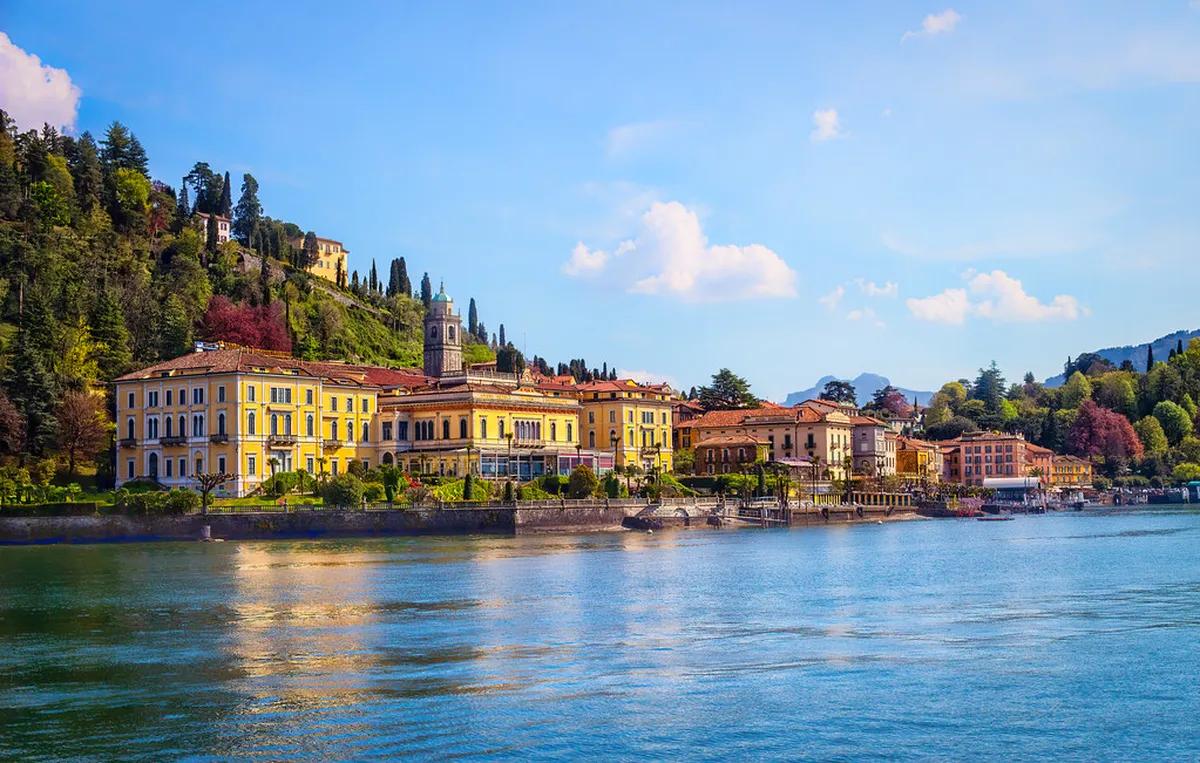
| Villa gardens reached by ferry | Lake Como |
| Sailing, windsurfing and family beaches | Lake Garda |
| A car-free trip by train and boat | Lake Lucerne |
| Waterfalls and boardwalk hiking | Plitvice Lakes |
| Winter ice and endless water routes | Finnish Lakeland |
| Wild swimming | Lake District |
Best Lakes in Europe at a Glance
Crowd and season columns are editorial judgments, not measured data. Use them to shortlist, then read the full entry.
| Lake | Country | Best for | Car needed? | Crowds | Best season |
|---|---|---|---|---|---|
| Bled | Slovenia | Island church, castle | Helpful | High | Summer, shoulder months |
| Bohinj | Slovenia | Hiking, quiet swims | No (bus or train) | Lower than Bled | Summer, winter skiing nearby |
| Como | Italy | Villas, ferries | No | High | Late spring to early autumn |
| Garda | Italy | Water sports, families | Helpful | High | Summer |
| Lucerne | Switzerland | Boats and trains | No | High | Summer |
| Plitvice | Croatia | Waterfalls, walking | Helpful | High | Spring to autumn |
| Saimaa | Finland | Boating, winter ice | Helpful | Low | Summer, winter |
| Lake District | England | Wild swimming | Helpful | High | Summer |
| Balaton | Hungary | Beaches, cycling | Varies by town | Medium | Summer |
| Peipus | Estonia | Ice-fishing, villages | Yes | Low | Winter, summer |
10 Best Lakes in Europe to Visit, by Region
Prices and hours checked November 2026. Each entry covers why to go, how to get there, when to visit, the main trade-off and who it suits. Alpine and Mediterranean lakes come first, then Nordic, British and Baltic options.
1. Lake Bled, Slovenia
Lake Bled has a small island with a 17th-century church dedicated to the Assumption, and a medieval castle on the cliff above the water. Traditional wooden pletna boats carry visitors to the island, and a path around the shore suits walking or cycling. Ljubljana is the usual gateway, and a car helps but is not essential.
Summer suits swimming and boating, while spring and autumn bring quieter paths. Trade-off: peak-season crowds. Go early or stay overnight to see it without the day-trip rush. Best for first-time visitors who want classic scenery.
2. Lake Bohinj, Slovenia
Lake Bohinj sits in the Julian Alps inside Triglav National Park, and it draws fewer visitors than Bled. Ljubljana is about 50 miles (80 km) away, reachable by car, bus or train. Kayaking, canoeing, paddleboarding and swimming are all on offer, and the Savica Waterfall is nearby.
Summer is best for the water, and nearby slopes open for skiing in winter. Trade-off: fewer cafés and sights than Bled. Best for hikers and anyone who wants Alpine water without the island-church crowd.
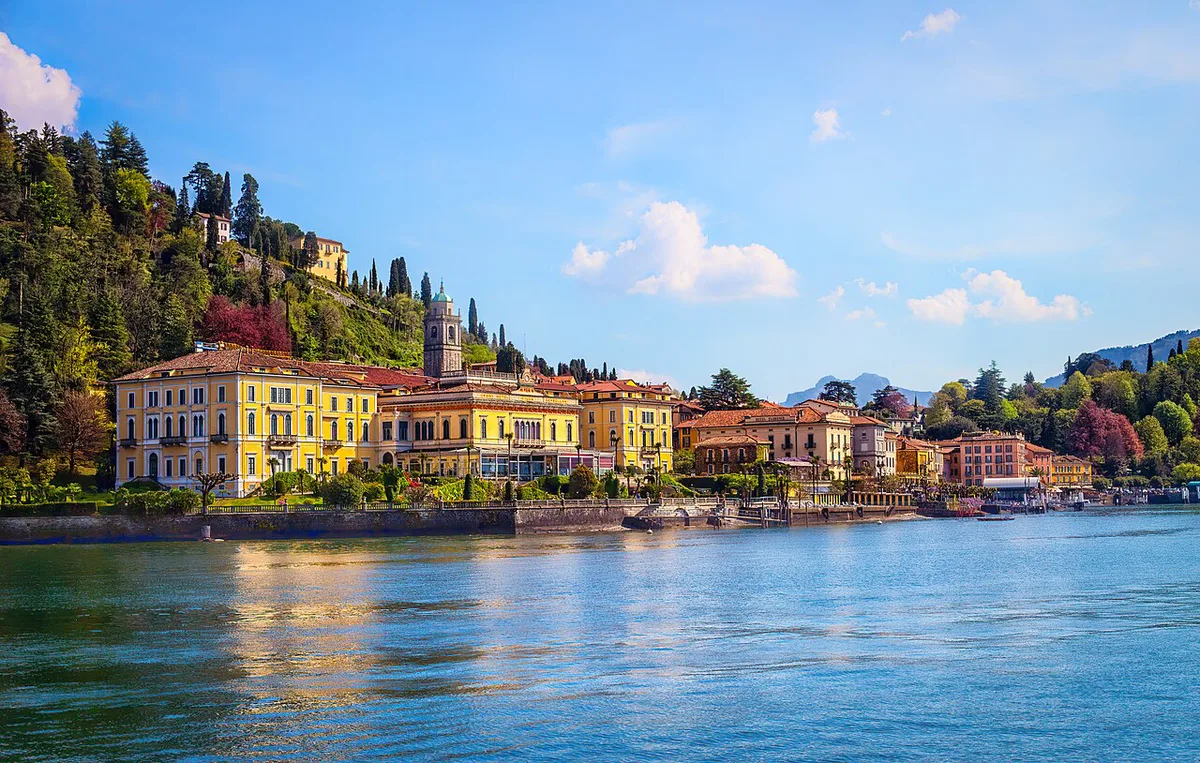
3. Lake Como, Italy
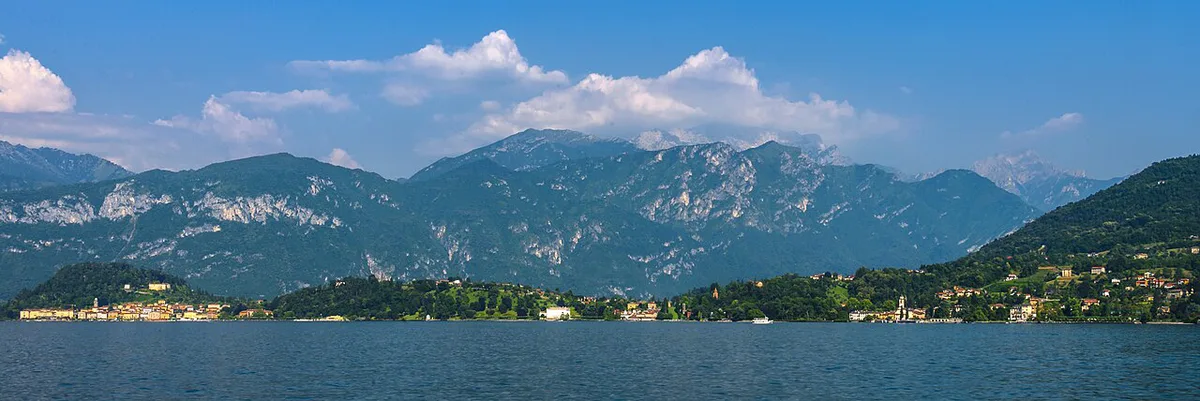
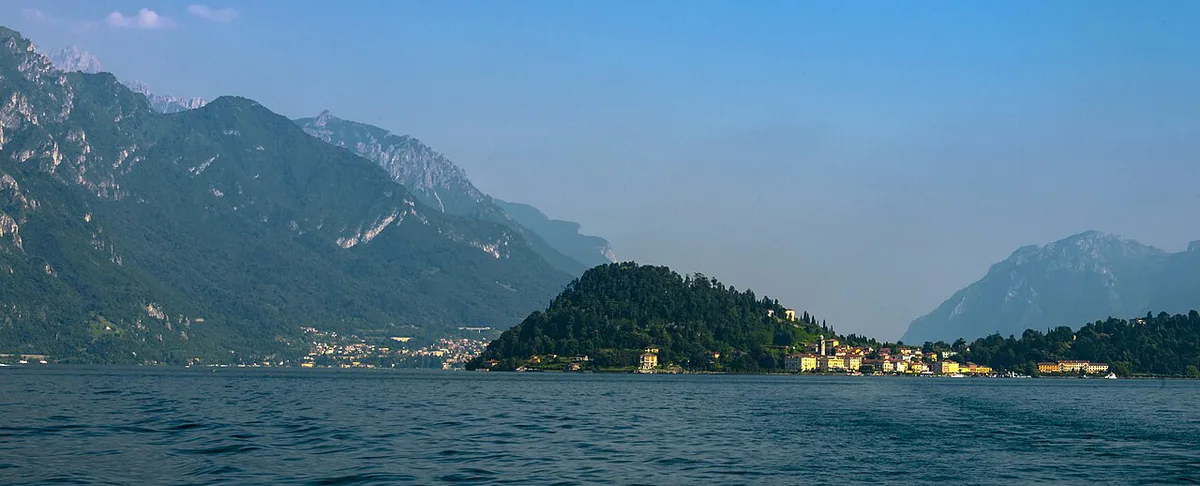
Lake Como lies in Lombardy, about 31 miles (50 km) from Milan by road and rail. Ferries link villages and villa gardens, so a car is optional. Check the Navigazione Laghi ferry operator for current routes. Late spring through early autumn gives the most reliable boat service.
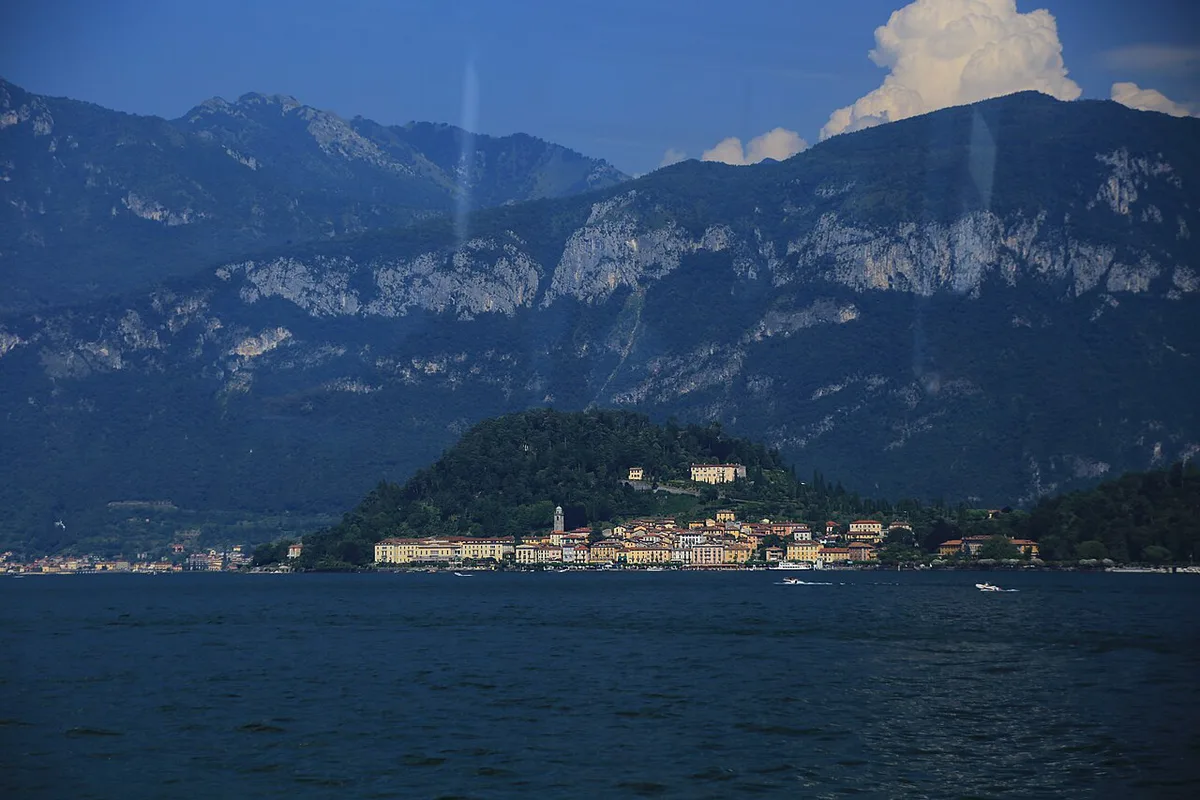
Trade-off: luxury-priced lakeside towns and busy ferry piers in summer. Best for travelers who want villa-hopping by boat, and less suited to anyone on a tight budget.
4. Lake Garda, Italy
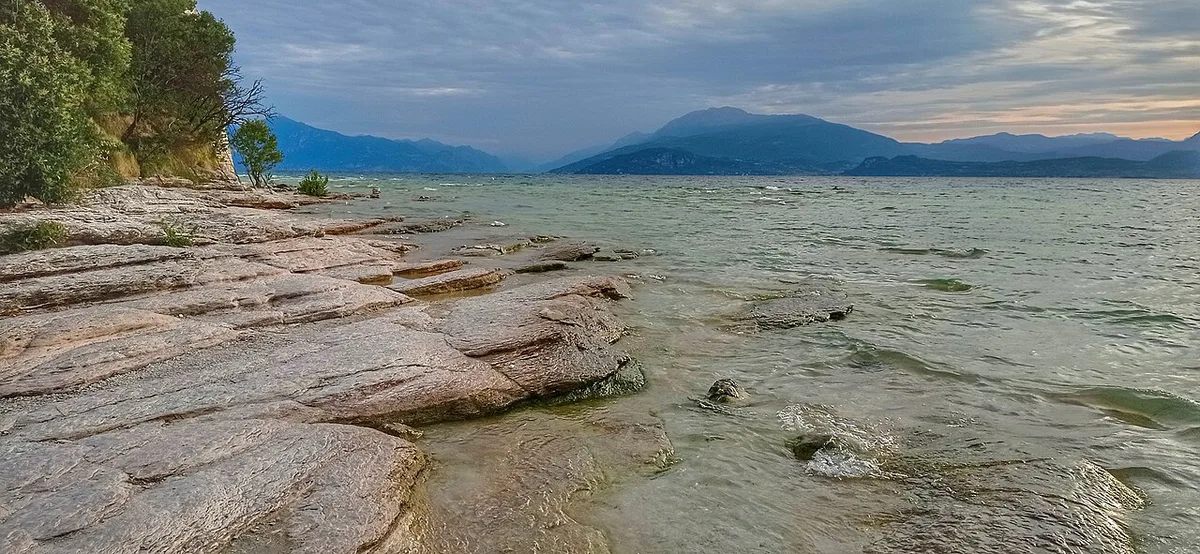
Lake Garda is Italy's largest lake, with medieval castles at Sirmione and Malcesine and a Roman villa at Desenzano del Garda. Milan, Verona and Venice all serve as gateways. Sailing, windsurfing, kitesurfing, swimming and paragliding make it the most active lake on this list.
Summer is peak season, so book lodging early. Trade-off: busy shorelines in July and August. Best for families and water-sports fans, and less suited to anyone chasing solitude.
5. Lake Lucerne, Switzerland
Lake Lucerne has an irregular, cross-like shape with four arms reaching into the mountains. Trains, boats and buses connect the shoreline towns, so you can skip the car entirely. Lucerne city sits at one end, with covered bridges and a medieval old town.
Boat cruises and mountain trails fill summer days. Trade-off: steep Swiss transport and boat costs, so price tickets before you commit. Best for car-free trips and anyone who likes combining water and rail.
6. Plitvice Lakes National Park, Croatia
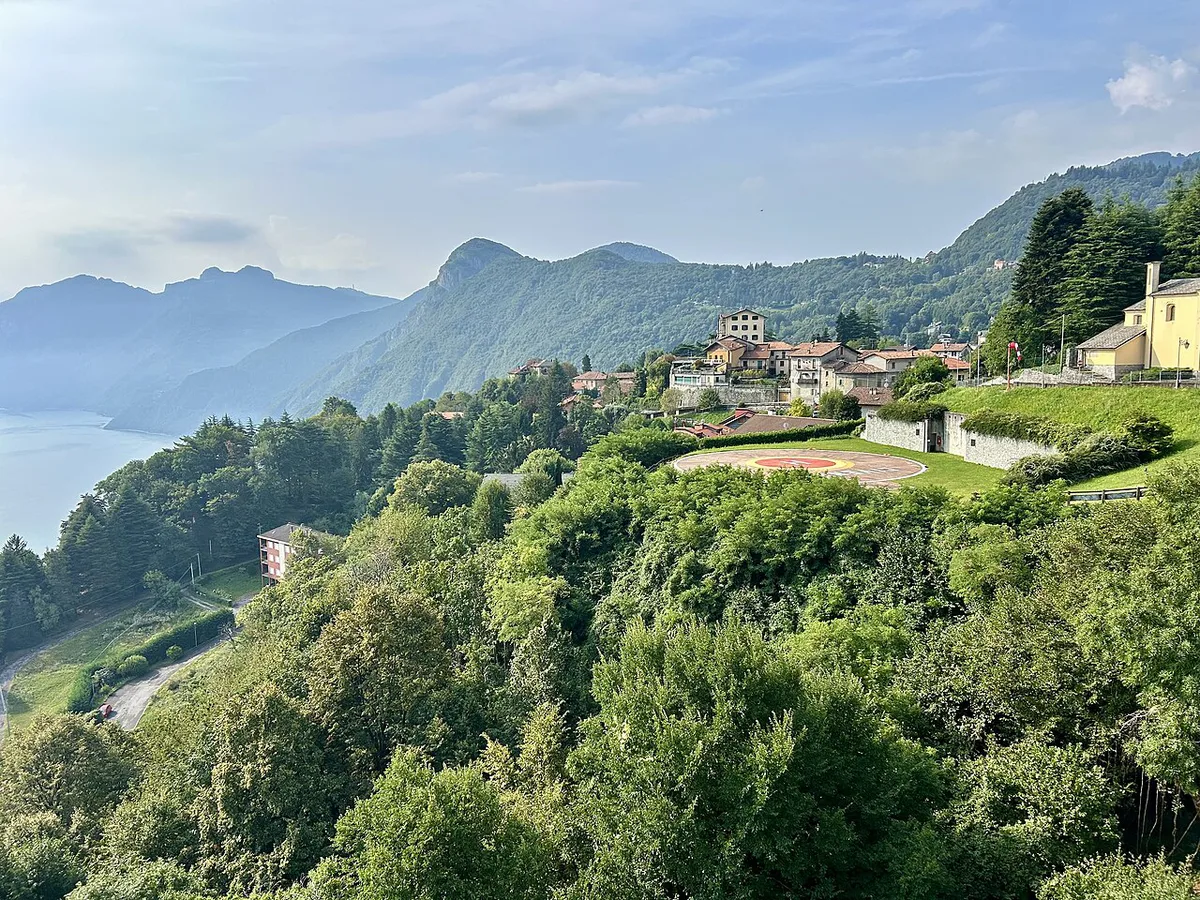
Plitvice protects 16 terraced lakes across 295 sq km (about 114 sq mi), linked by waterfalls and wooden walkways, and it holds UNESCO World Heritage status. Walking trails link the upper 12 lakes and lower four, and electric boats cross Lake Kozjak. Zagreb and Zadar are the usual gateways by car or bus.
Spring to autumn works best for walking. Trade-off: summer crowds on the boardwalks, so avoid a midday day-trip. Best for hikers and waterfall seekers, not swimmers.
7. Finnish Lakeland and Lake Saimaa, Finland
Finnish Lakeland holds thousands of lakes linked by rivers and canals, with Saimaa the largest at 4,400 sq km (about 1,700 sq mi). Helsinki is the gateway, and roads and rail both lead into the region. See Visit Finland's Lakeland guide for regional planning. Saimaa is known for boating and for its endangered seals.
Summer suits paddling and cruising, and winter brings skating and snowshoeing. Trade-off: distances between lakes are long, so a hire car helps. Best for quiet, slow travel.
8. Lake District, England
Lake District has 16 major lakes, and Windermere is the largest natural lake. Rydal Water, Grasmere, Ullswater, Buttermere and Wastwater all draw wild swimmers. London, Manchester and Glasgow connect by car, bus and train. Summer is the swimming season, though the water stays cold.
Trade-off: crowded car parks and villages in peak months. Scottish lochs differ in name and feel; our loch versus lake explainer covers the difference. Best for walkers and cold-water swimmers.
9. Lake Balaton, Hungary
Lake Balaton is the largest lake in central Europe, ringed by resort towns, vineyards and long beaches. Swimming, sailing, windsurfing, kayaking and paddleboarding fill the summer season. Cycling and hiking routes run along the shore.
Pick one resort town as your base, since the shoreline is long. Trade-off: busy beaches in July and August. Best for families and slow summer holidays, and less suited to anyone seeking wilderness.
10. Lake Peipus, Estonia
Lake Peipus covers 3,555 sq km (about 1,373 sq mi) and lies on the border between Estonia and Russia. Base yourself on the Estonian shore, where traditional villages and country roads line the water. Winter is the headline season, with ice-fishing on the frozen surface.
Our Lake Peipus guide covers villages and access in more detail. Trade-off: public transport is thin, so you will want a car. Best for winter visitors and travelers who prefer low-key regions.
How to Choose: Decision Criteria
Match the lake to your priorities before you book anything. Swimmers should look at Garda, Bohinj and the Lake District, and families get the easiest beach days at Garda and Balaton. Hikers will like Plitvice and Bohinj. For crowds versus quiet, pair Bled with Bohinj, Como and Garda with Lake Bolsena and Lake Bracciano, and Plitvice with Ohrid. Car-free travelers should choose Lucerne or Como.
Plitvice's trails link the upper 12 lakes and lower four, so plan around the summer boardwalk rush instead of a same-day visit.
- Mistakes to avoid
- Day-tripping Plitvice or Bled in peak season, when boardwalks and paths are busiest.
- Assuming every lake is swimmable
- Plitvice is a walking park, not a swimming lake.
- Ignoring boat timetables
- Ferry and boat services shrink outside summer, so confirm your route on the operator site.
- Skipping parking and permit rules
- Check parking and entry rules at the most visited lakes before you drive.
When to Go: Season by Season
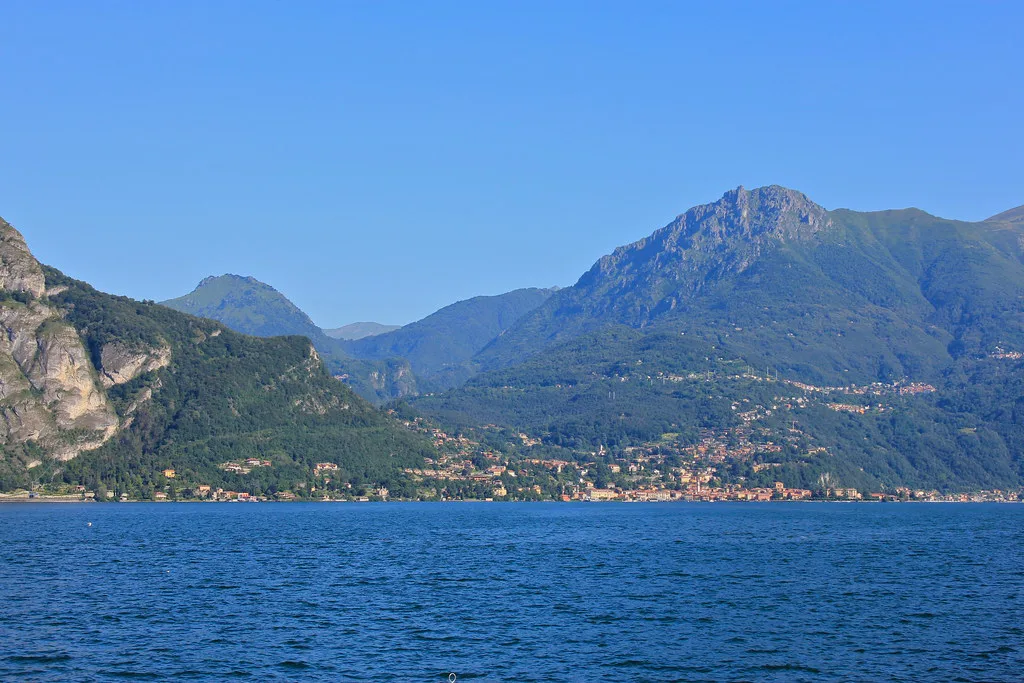
Summer suits swimming, boating and ferry hopping on Como, Garda, Bled and Balaton. Spring and autumn bring quieter paths at Bled, Bohinj and Plitvice. Winter is the season for ice-fishing on Peipus and skating or snowshoeing across Finnish Lakeland, and Bohinj has nearby ski slopes. Boat services on Alpine and Italian lakes are reduced in the cold months.
Getting There and Getting Around
Lake Como is about 31 miles (50 km) from Milan by road and rail. Bohinj is roughly 50 miles (80 km) from Ljubljana by car, bus or train. Lake Garda is reachable from Milan, Venice and Verona. Lucerne is the easiest car-free option because trains, boats and buses connect on the same shoreline. Plitvice, Saimaa and Peipus work best with a car or a pre-booked bus. See the Navigazione Laghi site for Italian lake ferry routes.
Costs and Tickets
Plitvice park entry, Bled pletna rides and ferry tickets on Como and Garda are the main costs. Current fares sit on each park and operator page.
Quieter Lakes Beyond the Classics
Once you have seen the famous names, try lakes with fewer crowds. Lake Bracciano sits about 20 miles (32 km) from Rome, and Lake Bolsena covers 114 sq km (about 44 sq mi) in Lazio. In Poland, the Masurian Lakes district offers sailing and quiet shores. Our Poland lakes guide covers more. In Lithuania, Trakai's island castle works as a day trip. In Greece, try Lake Kerkini Guide: Best Season, Getting There and Birdwatching, Lake Kournas, Crete: Boats, Swimming and Timing or Lake Vouliagmeni Guide: Thermal Swim and Costs, and see our Greece lakes guide for the rest. For Spain, our Spain lakes guide is the next stop, and Visit Greece has regional planning.
Bracciano sits about 20 miles (32 km) from Rome, and it is the quieter pairing suggested for Garda's crowds.
Biggest, Deepest, Oldest: Quick Answers
Lake Ladoga in Russia covers about 17,700 sq km (6,834 sq mi) and is the largest lake in Europe. Vänern in Sweden covers 5,650 sq km (2,180 sq mi). Norway's Hornindalsvatnet is Europe's deepest lake at 514 m (1,686 ft). Ladoga lies in Russia, so it is not a travel pick. For full rankings and the other records, read our biggest lakes ranking.
More lake guides across Europe
Frequently Asked Questions
What country has 1000 lakes?
Finland is known as the Land of a Thousand Lakes. Its Lakeland region links thousands of lakes by rivers and canals, with Saimaa the largest.
Why are there many lakes in northern Europe?
Ice sheets carved basins into northern landscapes and left meltwater behind when they retreated. Finland and Sweden still hold thousands of lakes from that glacial legacy.
Explore More Guides
Keep planning your trip with these guides.
Guides
- Largest Lakes in Europe: Ranked by Size, Plus Which to Visit
- Loch vs Lake: What's the Difference? (Scotland & Ireland Guide)
- Lakes in Spain: Best Lakes by Region and Type
- Lakes in Greece: Best Lakes by Region & How to Visit
- Lakes in Poland: Best Regions, When to Go and How to Choose
- Masurian Lakes: Where to Go, When, and How to Plan
- Trakai Travel Guide
- Lake Peipus Guide
- Lake Vouliagmeni Guide
- Lake Kournas, Crete
- Lake Kerkini Guide
Notes for your next lake trip
Optional updates to our lake guides.
You might also like
Continue reading
More guides you'll find useful