
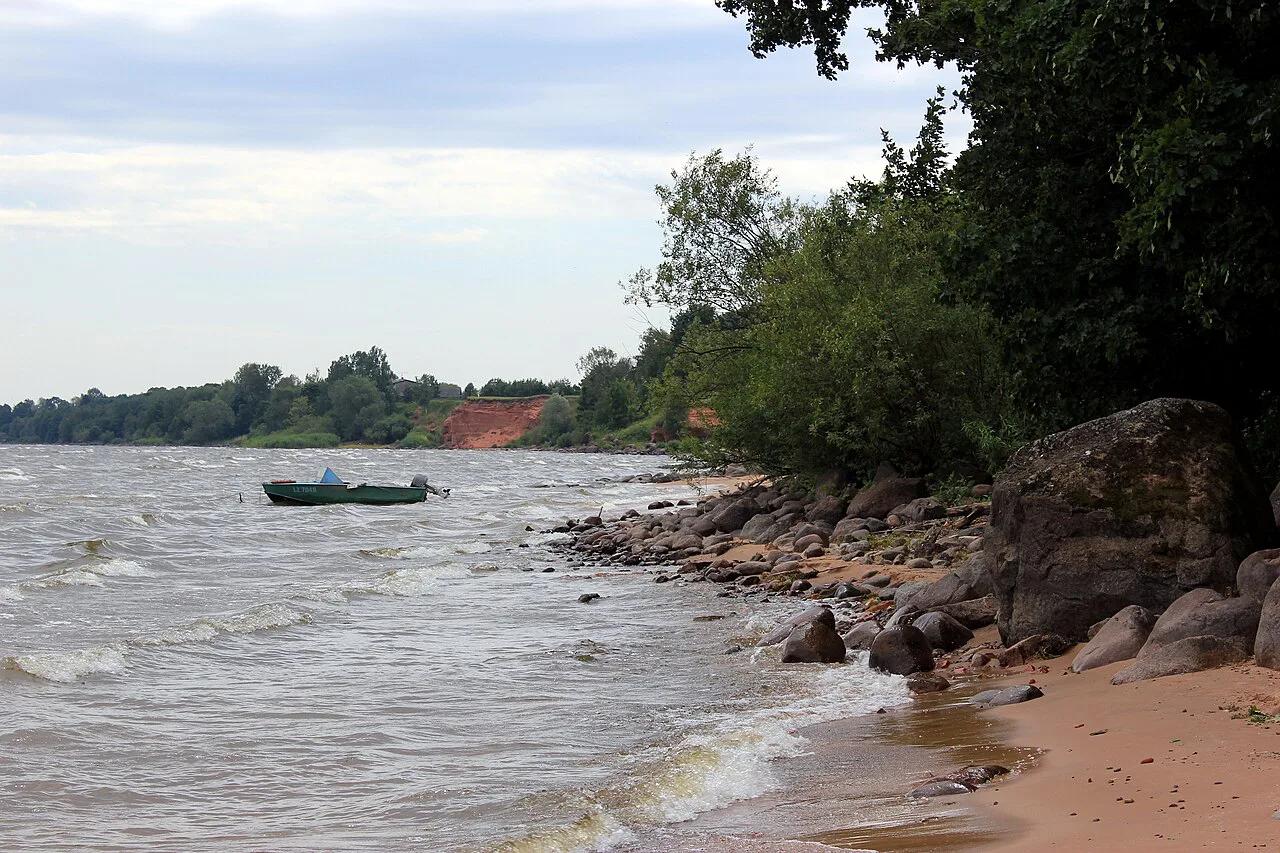
Lake Peipus Guide: Facts, Border Access & Visiting from Estonia
Lake Peipus on the Estonia–Russia border: size, how to visit the Estonian shore, best season, and what the border means for travelers.
On this page
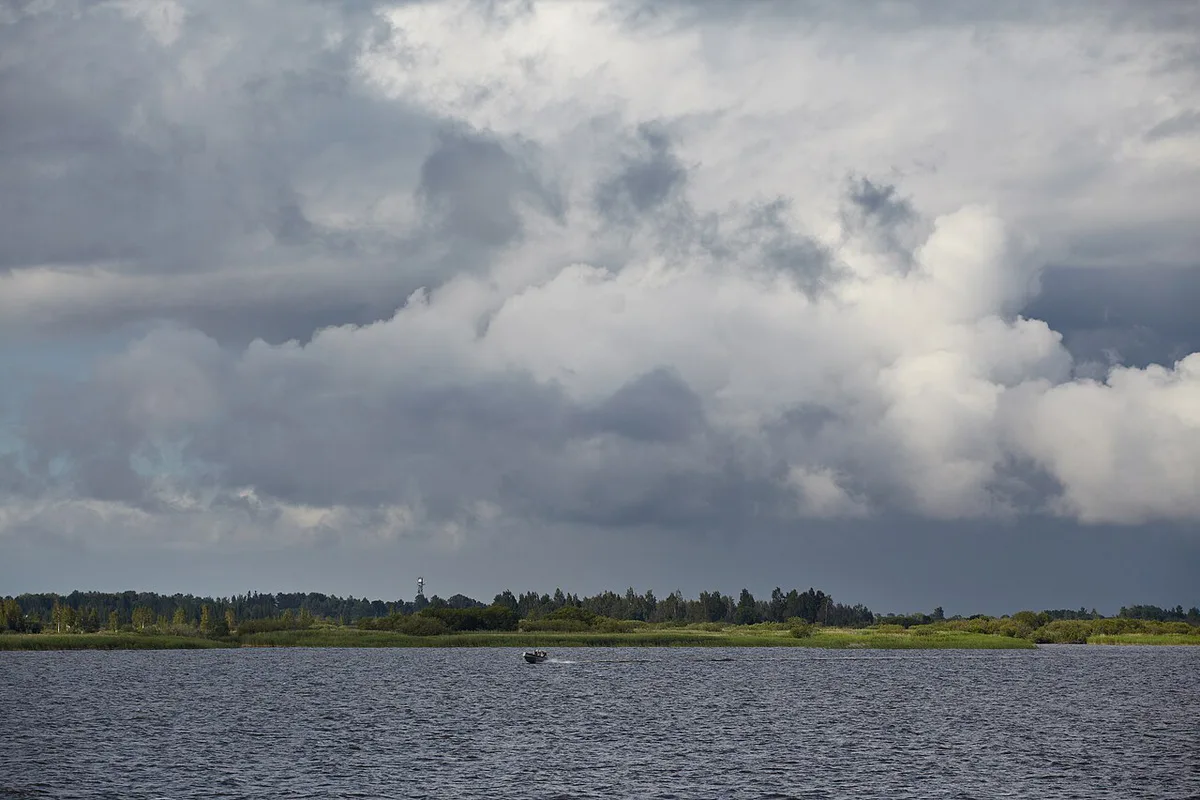
Last updated November 2026. Lake Peipus is a large freshwater lake on the Estonia–Russia border, listed at about 3,500 km² and often ranked fifth largest in Europe. Visitors can only use the Estonian shore, a quiet strip of fishing villages, sand cliffs and an island. This guide covers what you can do there, how to get there from Tartu, and what the border means for your plans.
Featured image: Julian Nyča, CC BY-SA 4.0, via Wikimedia Commons.

Lake Peipus at a glance
Lake Peipus (Peipsi in Estonian, Chudskoye in Russian) is a shallow border lake shared by two countries. Its surface area is listed at about 3,500 km², or roughly 1,350 square miles. Reference datasheets leave its depth, volume and elevation blank, so confirm those against an encyclopedic source before quoting them.
| Fact | Detail |
|---|---|
| Countries | Estonia and Russia |
| Area | About 3,500 km² |
| Water type | Fresh water |
| Name variants | Peipus, Peipsi, Chudskoye (Chudskoe) |
| Europe ranking | Commonly listed as fifth largest |
| Approximate position | 57.32°N, 30.87°E |
Where Lake Peipus sits and how it is divided
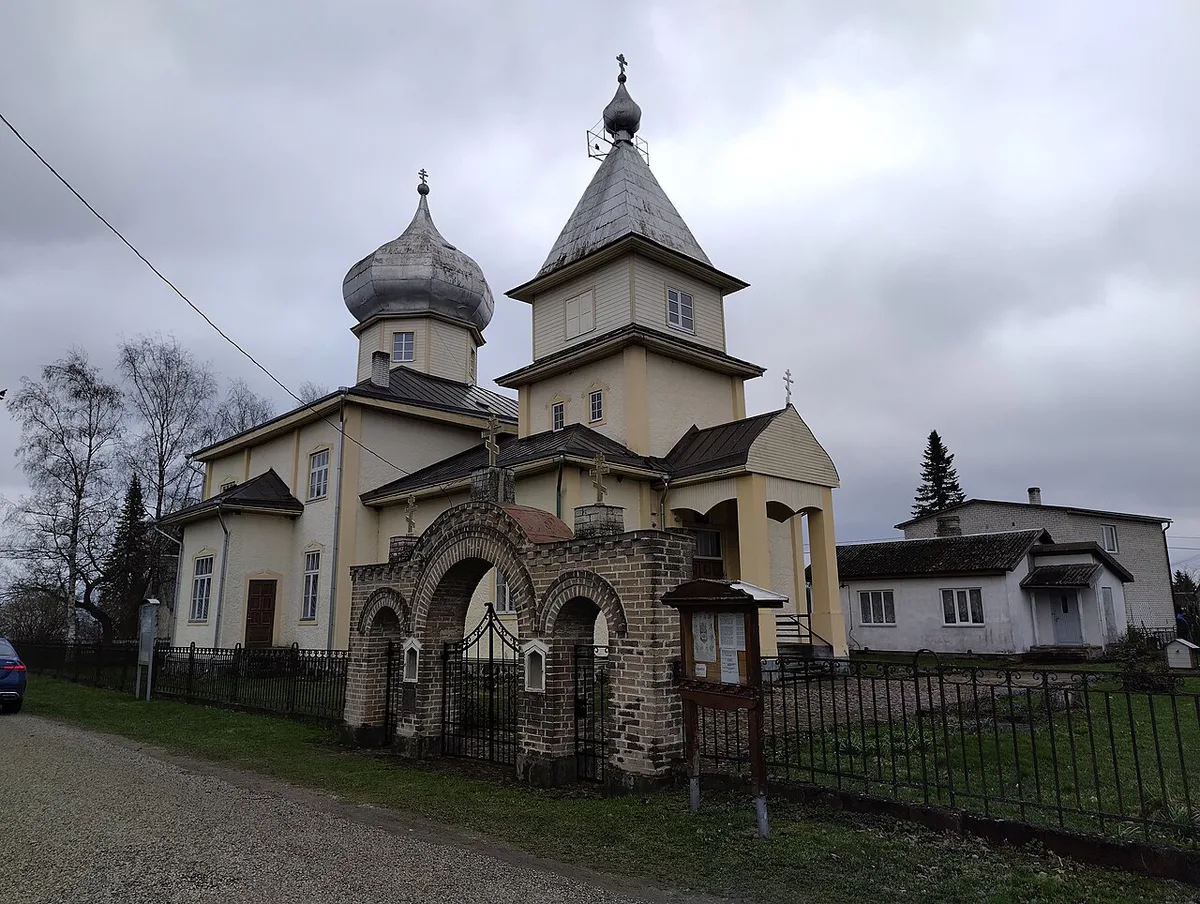
The border runs through the water, so the lake has an Estonian shore on the west and a Russian shore on the east. Geographers also describe the lake as several connected parts, including Lämmijärv and Pihkva, so check a primary map before using those names. For a visitor, one fact matters most. Only the Estonian shore is a practical destination. For size context, see our comparison of the Largest Lakes in Europe: Ranked by Size, Plus Which to Visit. If you are wondering why some water bodies are called lochs, our loch versus lake explainer covers it.
Can you visit Lake Peipus? Border and access reality
Yes, you can visit the Estonian shore as an ordinary trip from Tartu or Tallinn. Do not plan to cross the water or reach the Russian shore from here. Border security is a live topic in the area, and local news covers it regularly. Keep the tone of your trip simple. Stay on public roads, villages and marked shore access points, and follow any signs or instructions you meet near the border zone.
- Border box: entry rules and restrictions change, so read the current guidance from the Estonian Ministry of Foreign Affairs and the Police and Border Guard Board before you travel.
- Do not enter restricted border areas or try to approach the border line by boat or on the ice.
- Carry ID with you on any trip near the eastern edge of the country.
- For general trip planning, start with Visit Estonia's official travel pages.
Best things to do on the Estonian shore
There is no single main attraction here. The appeal is a string of small stops along the shore, best taken slowly. Anglers, heritage enthusiasts and travelers who like quiet landscapes get the most from it. Local tourism offices list current boat, museum and guesthouse options, and these change by season.
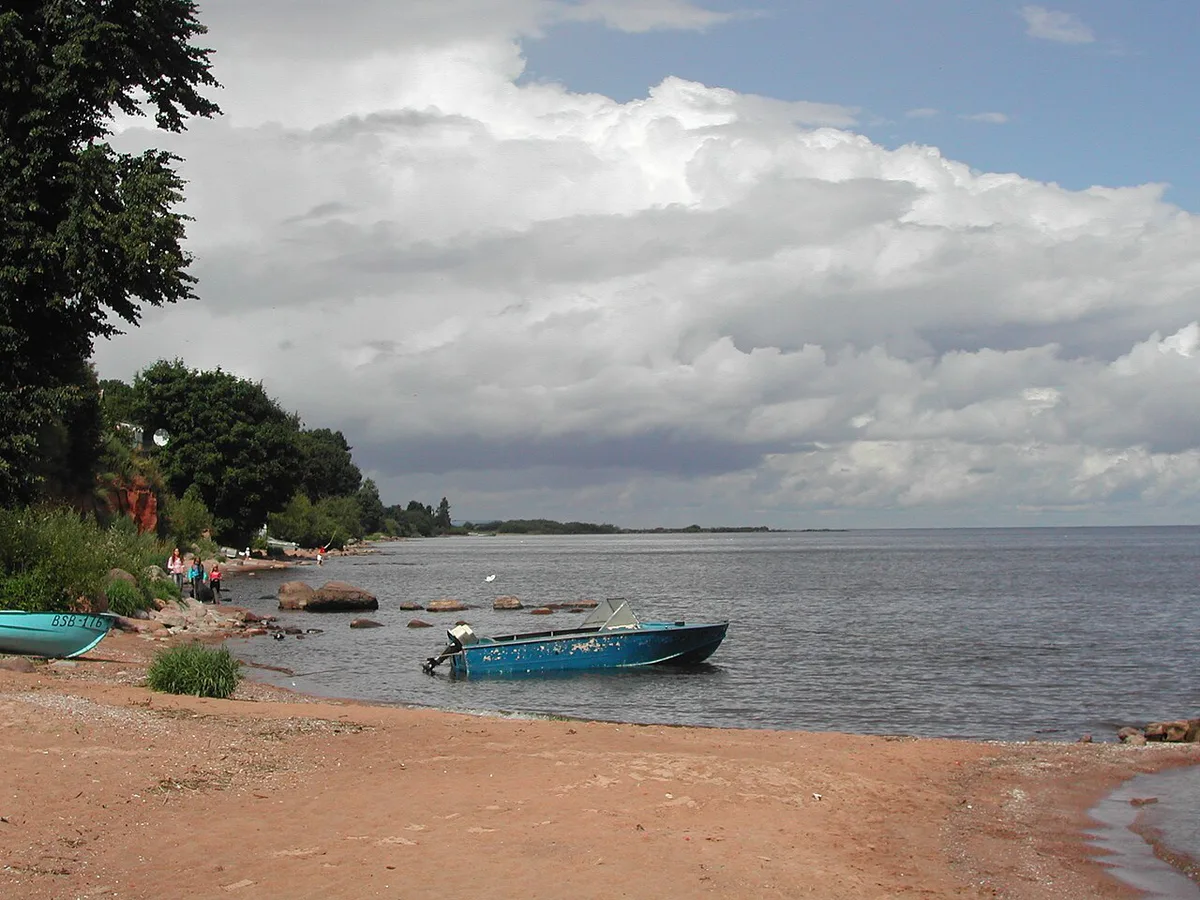
- Mustvee: a shore town and a practical stop for lake views and local food.
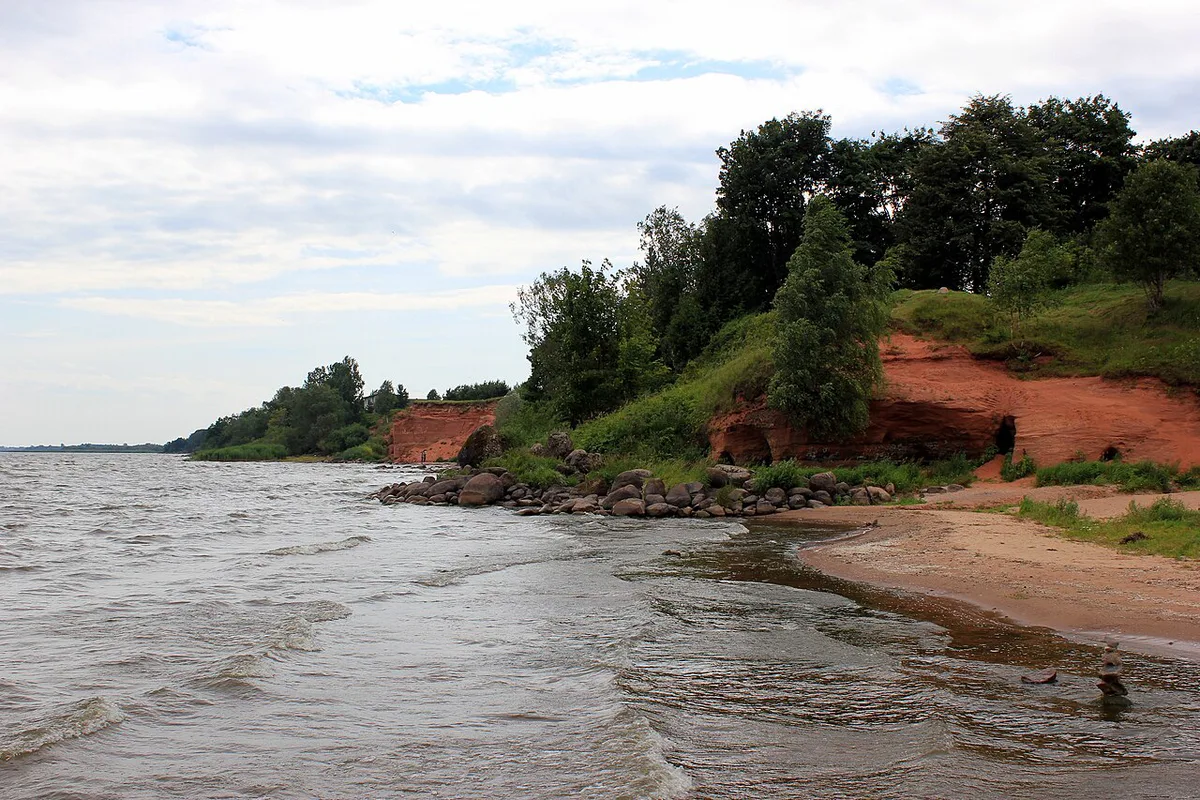
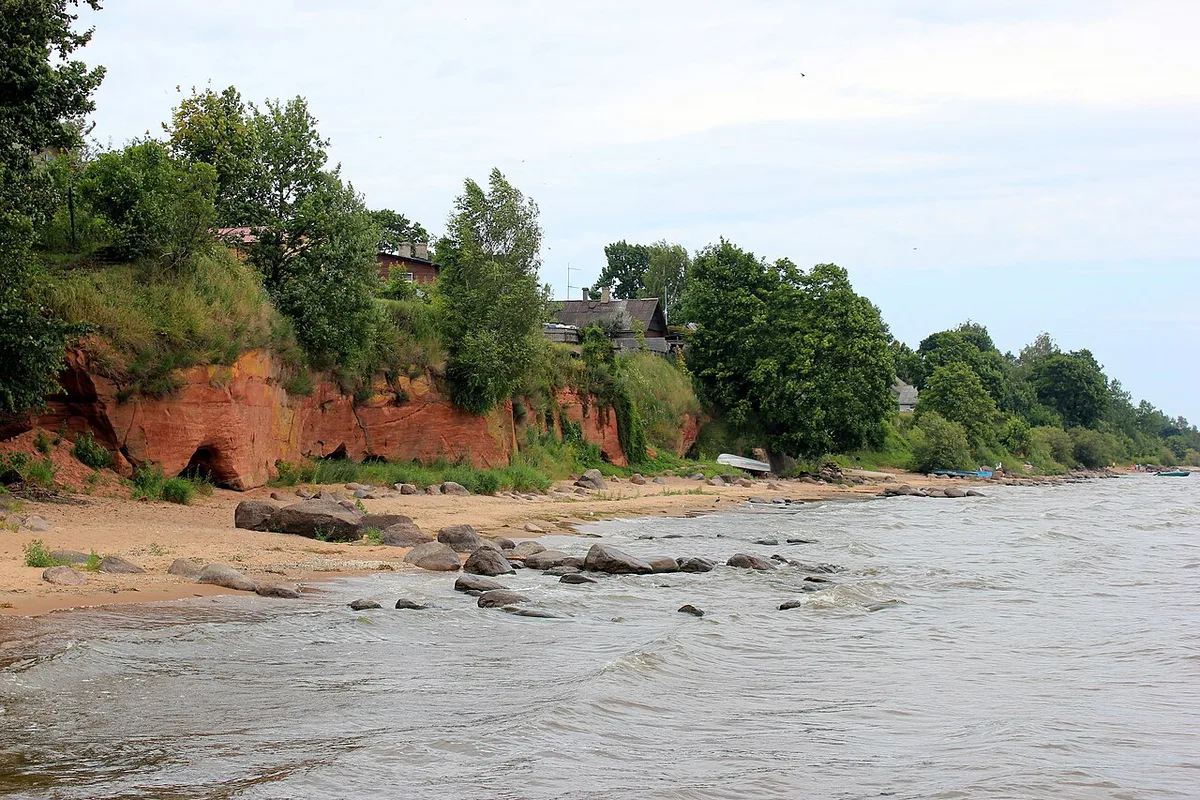
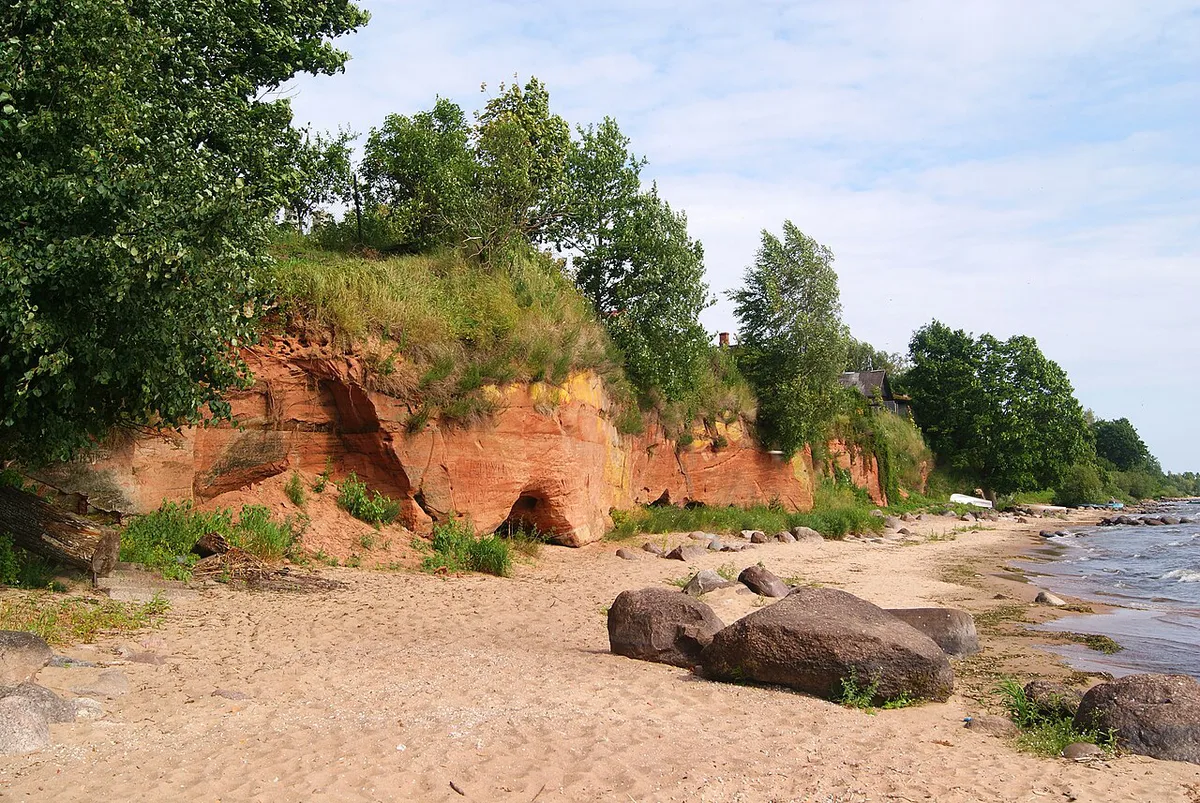
- Kallaste: known for its sand cliffs above the water, which make a good short walk.
- Piirissaar: an island in the lake, reached by a boat service whose schedule you should check locally.
- Räpina: an inland town near the lake, useful as a stop on the way.
- Tartu: the city base for day trips, with the widest choice of rooms, restaurants and public transport.
- Fishing and birdwatching: both are traditional lake activities, so ask a local guide about permits and the best spots.
Getting to Lake Peipus from Tartu and Tallinn
Tartu is the natural base, because most shore towns are a short trip east of it. Tallinn is farther away, so treat it as a long day or an overnight. A car gives the most freedom for stringing together Kallaste, Mustvee and smaller villages. Buses can serve the main towns, but timetables between villages are thin, so plan around the operator's schedule on the national journey planner. Travel times are not listed here because they vary by route, so check a planner for your date.
Estonian shore is the only practical side of a lake covering about 3,500 km², so plan your route around one bank.
| Option | Time cost | Access | Best for |
|---|---|---|---|
| Day trip from Tartu | Short to moderate | Car is easiest; buses reach main towns | Kallaste cliffs and a lake walk |
| Day trip from Tallinn | Long | Car strongly preferred | Travelers short on time who accept a rushed pace |
| Overnight on the shore | Relaxed | Car or bus to a guesthouse | Anglers, birdwatchers, quiet-shore travelers |
When to visit Lake Peipus
Summer suits swimming, fishing and shore walks. Autumn is quieter and good for slow drives between villages. Winter brings ice, and that needs real caution. Never assume ice is safe, because thickness varies across the lake. Ask locals, and read current guidance from the Estonian Rescue Board and the weather service before stepping onto it.
| Season | What is realistic | What to check |
|---|---|---|
| Summer | Swimming, fishing, shore walks, island trip | Boat schedules and guesthouse availability |
| Autumn | Quiet villages, birdwatching, drives | Reduced opening hours in small towns |
| Winter | Frozen-shore scenery, ice fishing with local guidance | Ice thickness, weather and rescue advice |
| Spring | Thaw and high water; fewer services | Road and shore access |
Where to stay near Lake Peipus
You have two sensible choices. Lakeside guesthouses put you at the water for sunrise and early fishing, and they usually sit at a budget to mid price level. Tartu costs a little more at the mid to higher end, but it adds restaurants, transport links and more rooms. Choose the shore if you want quiet and the city if you want flexibility. No fixed nightly prices are published here, so compare current rates on the booking site of your choice.
Who should skip Lake Peipus
Skip it if you expect a resort lake with beach clubs, a promenade and a long list of sights. Skip it if your plan involves crossing the border. Do not rely on ice for travel or fishing without local advice. If you like quiet northern and eastern lakes, look at the Masurian Lakes or browse more in our guide to 10 Best Lakes in Europe and How to Choose Yours.
Notes for your next lake trip
Optional updates to our lake guides.