
Largest Lakes in Europe: Ranked by Size, Plus Which to Visit
A size ranking of Europe's largest lakes, with how big they are, how to reach each one, and which are worth a trip.
On this page
Last updated November 2026: the largest lakes in Europe by surface area are Ladoga and Onega in Russia, then Vänern in Sweden and Saimaa in Finland. We rank them below and say which ones are worth a trip. Many giants are poor tourist stops, while smaller alpine lakes carry the crowds. Our guide to lakes in Europe covers the wider picture.
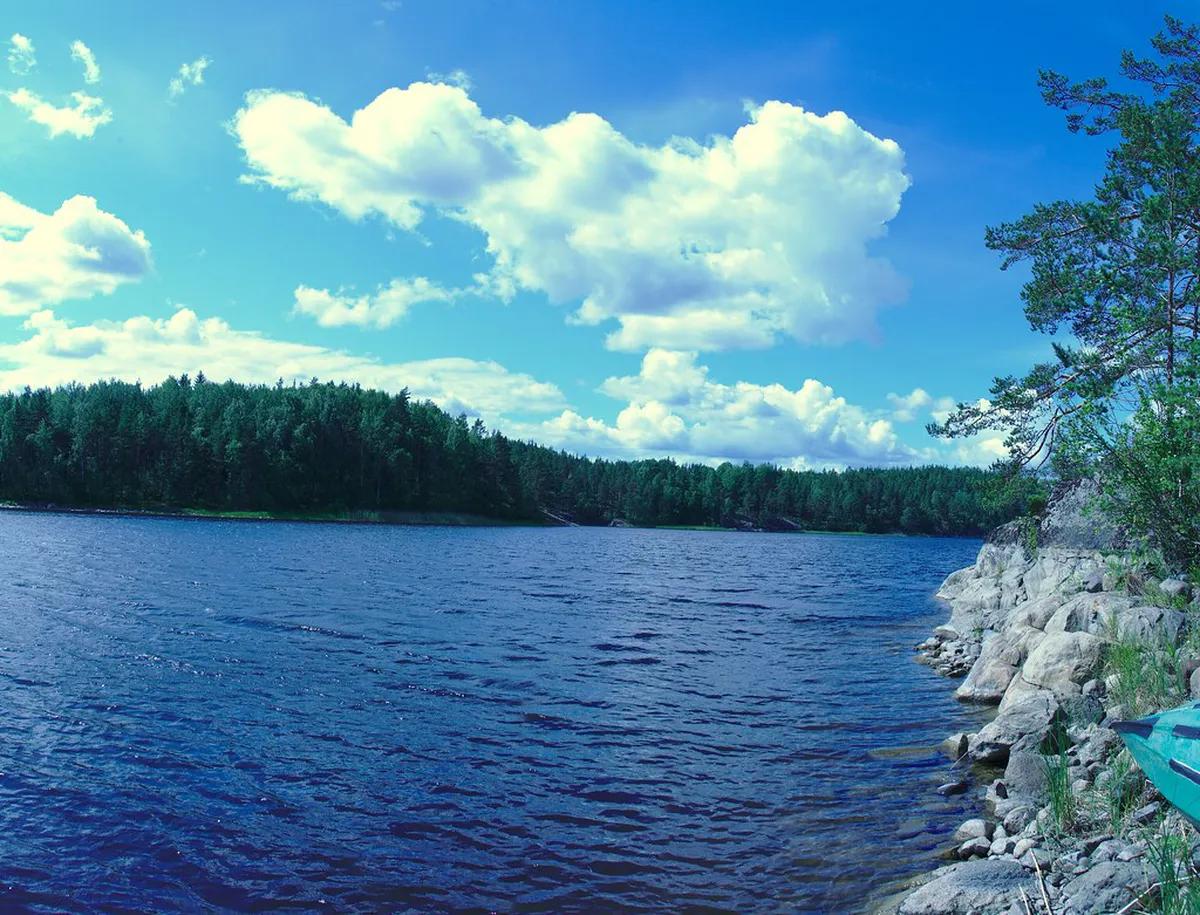
Featured image: vitaly.repin, CC BY-SA 2.0, via Flickr.
Largest Lakes in Europe: The Short Answer
We rank by surface area, from largest to smaller. Ladoga and Onega sit at the top, and both are in northwest Russia. Vänern is third, and Lake Saimaa in Finland is fourth among natural freshwater lakes at about 4,400 sq km. Peipus on the Estonia–Russia border and Vättern in Sweden follow. Saimaa is the only figure we state here, because the others vary by source and measurement date. Check a national hydrological institute for exact areas.
| Rank by area | Lake | Country | Type | Easy to visit? |
|---|---|---|---|---|
| 1 | Ladoga | Russia | Natural | No, remote for most travelers |
| 2 | Onega | Russia | Natural | No, remote for most travelers |
| 3 | Vänern | Sweden | Natural | Moderate, a regional stop |
| 4 | Saimaa | Finland | Natural | Yes, a lakeland holiday region |
| 5 | Peipus | Estonia / Russia | Natural | Moderate, shoreline villages |
| 6 | Vättern | Sweden | Natural | Moderate, a regional stop |
How "Largest" Is Measured
Surface area is the standard ranking and the one we use. Volume and depth give different winners. Lake Geneva is about 73 km long and holds roughly 89 cubic km of water. Lake Como reaches 425 m deep, which makes it the deepest lake in Italy. Boundaries matter too, because Russian lakes only count if you treat western Russia as Europe. We include them, as most geographic references do. Also, "Great Lakes of Europe" is a blog phrase, not an official group.
The Giants of Northern Europe
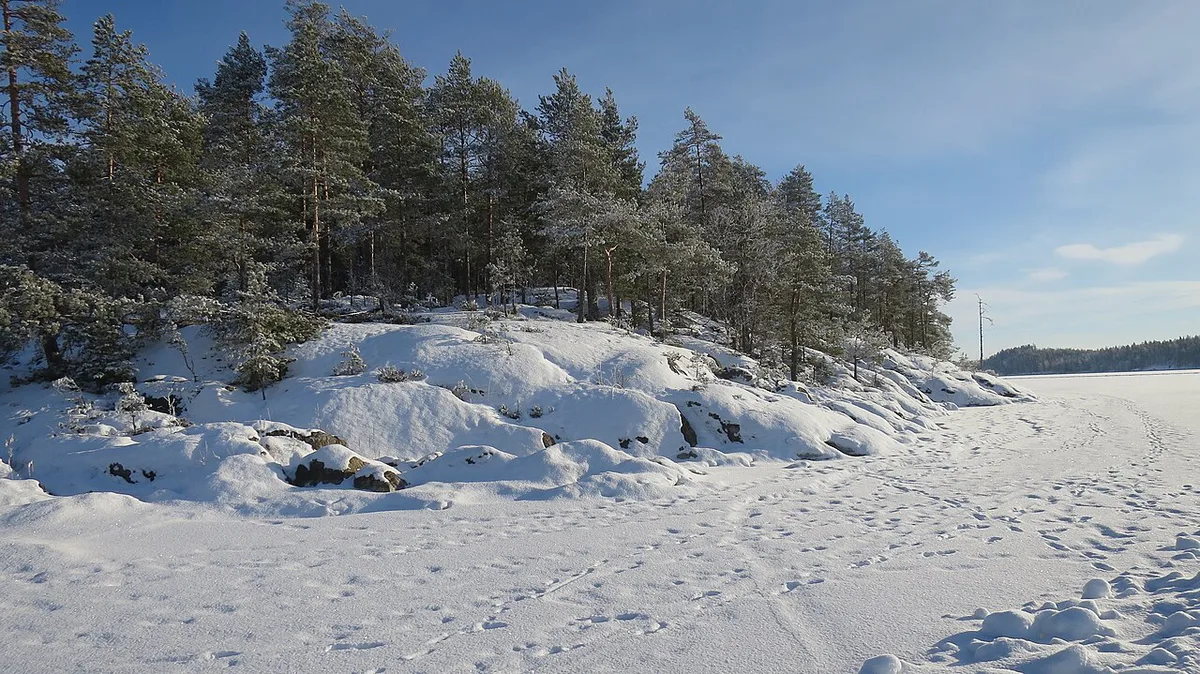
Ladoga and Onega are huge, but they are not classic tourist stops for most visitors. We would not plan a trip around them without checking current Russia travel advice first. Finland is the easy way to see a northern giant. Finland's Lakeland region is built around Saimaa, which has about 14,000 islands. Summer means boats moving between islands, and winter freezes the water into a wide ice plain. Peipus on the Estonia–Russia border is a quieter shoreline trip. Our Lake Peipus guide covers the villages on the Estonian side. Vänern and Vättern in Sweden suit road trips, with small harbor towns rather than resort strips.
- Saimaa: best for a first northern lake trip, with summer boating and winter ice.
- Peipus: best for a quiet shoreline stop with few crowds.
- Vänern and Vättern: best as add-ons to a Sweden road trip.
- Ladoga and Onega: best admired on a map unless you have a specific reason to go.
Large Alpine Lakes You Can Actually Visit
Alpine lakes are smaller than the northern giants, but they are far easier to reach. Lake Geneva is about 73 km long and borders Switzerland and France. Lausanne is its lakeside city on the north shore, and Montreux and Vevey face the Alps. Lake Garda touches three Italian regions: Veneto, Lombardy, and Trentino-Alto Adige. Lake Como is the deep one, at 425 m. For Italian lake boats, start with Navigazione Laghi's official site. Ferries run seasonally, so look up the current timetable for your dates. We would pick Garda for a first trip because its southern shore is gentler and has more room to spread out.
| Lake | Main towns | Character | Best season |
|---|---|---|---|
| Geneva | Lausanne, Montreux, Vevey | Cultural, festival-heavy summers | Summer for festivals; mild winters |
| Garda | Southern and northern shore towns | Wide, easy for families, citrus and olive slopes in the south | Late spring to early autumn |
| Como | Como city, northern end | Deep, villa-lined, quieter at the north end | Late spring to early autumn |
Large Lakes of Central and Eastern Europe
Lake Balaton in Hungary is the largest lake in Central Europe. It stretches about 77 km along the southern edge of the Bakony Mountains. It is shallow in the south and deeper in the north. Vineyards line the hills behind the northern shore, and the Zala River feeds the lake. In Poland, the Masurian Lakes are a district of many connected lakes rather than one big water. Our Poland lakes guide sorts them by base town, and Poland's official travel site lists regional information. Lithuania adds a different kind of stop at Trakai, a lake town rather than a giant lake.
Southern and Mediterranean Large Lakes
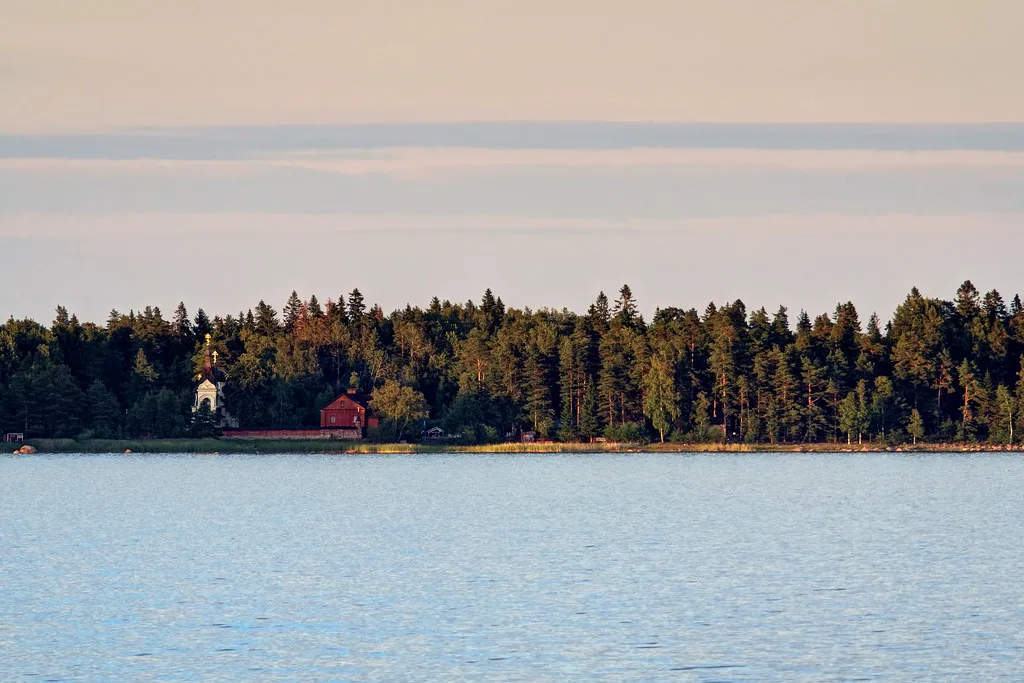
Southern Europe has no lake that challenges the northern giants. Its lakes are small, so we visit them for scenery, birds, or a swim. Our Greece lakes guide starts with the main options, and Visit Greece covers national tourism information. Lake Kerkini Guide: Best Season, Getting There and Birdwatching suits wildlife, Lake Kournas, Crete: Boats, Swimming and Timing is a Crete freshwater stop, and Lake Vouliagmeni Guide: Thermal Swim and Costs is a swim near Athens. For Iberia, Spain's lakes are mostly mountain or reservoir waters, and Spain's official tourism site is the place for current access details.
Big vs Beautiful: Lakes People Confuse With the Largest
Many famous lakes are small. We list them here because searchers often mix "largest" with "most beautiful". None of these is among Europe's biggest.
Plitvice Lakes draws over 1 million visitors a year. Ladoga and Onega are remote for most travelers, so crowds and size rarely match.
- Lake Bled, Slovenia: 145 hectares, 2.1 km by 1.4 km, with a church on an island.
- Lake Bohinj, Slovenia: the largest lake in Slovenia, 4.35 km long and 45 m deep.
- Plitvice Lakes, Croatia: 16 lakes linked by waterfalls, and over 1 million visitors a year.
- Hallstatt, Austria: a UNESCO-listed village on a small lake, with a Bone House holding 1,200 skulls.
- Black Lake, Montenegro: the largest of 18 glacial lakes in Durmitor National Park, near Zabljak.
- Lake Brienz, Switzerland: a base for the Brienz Rothorn Railway and Giessbach Falls.
Loch or Lake: Scottish and Irish Giants
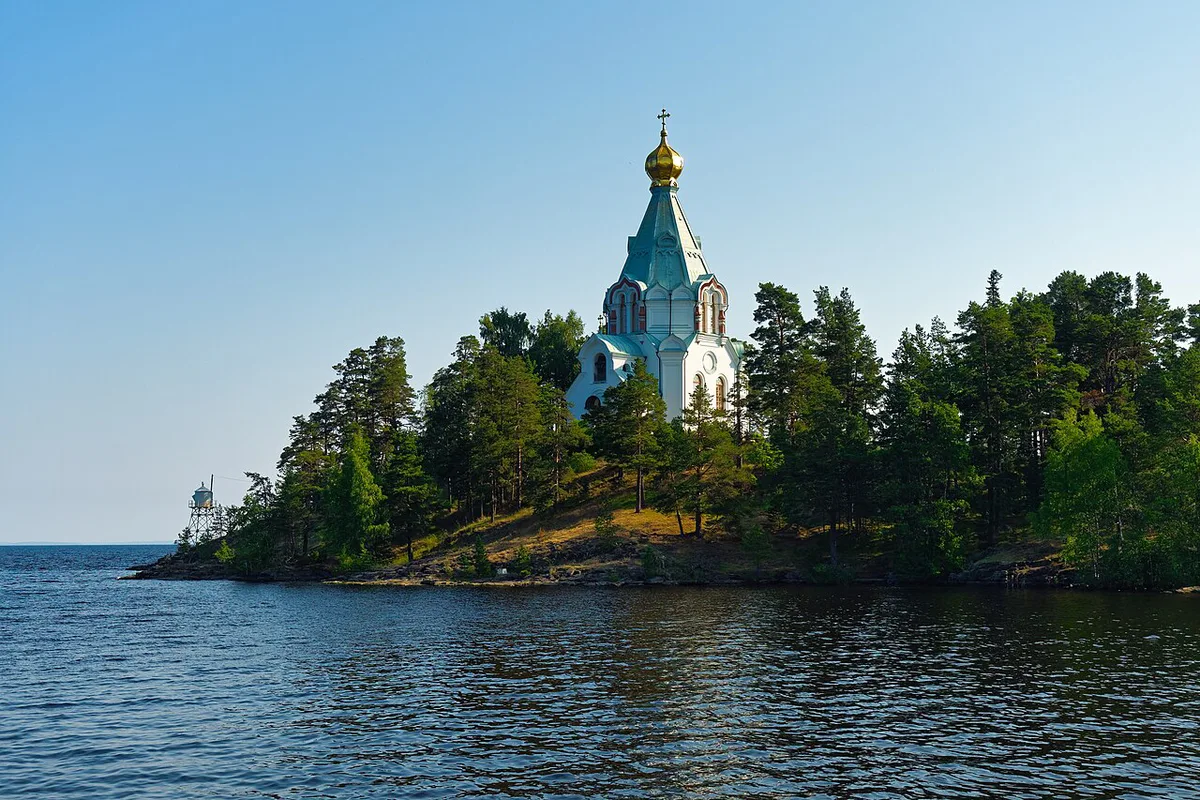
Loch Lomond is the largest freshwater lake by surface area on the island of Great Britain. It sits inside Loch Lomond & The Trossachs National Park, under an hour from Glasgow by car and just under 2 hours from Edinburgh. It has over 30 islands. Loch Ness lies a few miles southwest of Inverness. Its fame comes from folklore and the Monster, not from record size, so we make no volume claims. We would try the eastern side of Loch Lomond or the southern shore of Loch Ness for fewer coaches. Plan more with VisitScotland. Our loch versus lake explainer covers the naming. In Ireland, Lough Leane is the largest of the three Killarney lakes, alongside Muckross Lake and Upper Lake.
Largest Lake by Country or Region
Most travelers ask this as a country question. We list only the entries we can state plainly. Other countries need a check against a national source.
| Place | Lake | Note |
|---|---|---|
| Finland | Saimaa | About 4,400 sq km, with about 14,000 islands |
| Hungary | Balaton | Largest lake in Central Europe, about 77 km long |
| Italy | Garda | Largest Italian lake; spans three regions |
| Slovenia | Bohinj | 4.35 km long, 45 m deep |
| Great Britain | Loch Lomond | Largest freshwater lake by surface area |
| England | Windermere | Largest natural lake in England |
| Durmitor, Montenegro | Black Lake | Largest of 18 glacial lakes |
How to Choose: A Decision Guide
Pick by what you want from the trip. For the true giants, choose Saimaa and give it a few days with a boat. For a first alpine trip, we would choose Garda or Geneva. For scenery in a short stay, choose Bled or Plitvice, accepting that they are small and busy. Go in summer for swimming and boats. Winter suits Saimaa's ice, but ferries on alpine lakes run seasonally, so check timetables. Start from our main lakes hub to compare countries.
Choosing the Right Shore at Lake Balaton
Lake Balaton is large enough that choosing a shore changes the feel of the trip. It covers about 592 sq km and runs roughly 77 km from east to west. That scale makes it better suited to a multi-stop stay than a quick look from one waterfront town.
The southern shore is generally shallower, which suits relaxed swimming and family-focused beach time. The northern shore is deeper and backed by the Bakony Hills. Choose it for vineyard scenery and a more varied landscape.
Use the lake as a base for moving between waterside towns rather than treating it as a single resort. The Zala River feeds Balaton at its western end, while the eastern end can feel more convenient for a shorter arrival or departure. Pair the north shore with wine-country stops, or choose the south for an easier swimming-focused break.
Frequently Asked Questions
Why are there many lakes in northern Europe?
Glaciers carved basins across Finland, Sweden, and Russia during the last Ice Age. Meltwater filled them, which is why Finland's Saimaa has about 14,000 islands.
Notes for your next lake trip
Optional updates to our lake guides.
You might also like
Continue reading
More guides you'll find useful