
Lakes in Spain: Best Lakes by Region and Type
Natural lakes, glacial tarns and reservoirs in Spain compared by region, access and season, with practical tips to plan your visit.
On this page
Last updated November 2026: lakes in Spain are mostly glacial tarns, karst lagoons and reservoirs, because the country has very few large natural lakes. That shapes every trip decision, from whether you can swim to whether you need a car. This guide sorts the best-known lakes by region and type, and it fits Spain into the wider picture in our guide to European lakes.
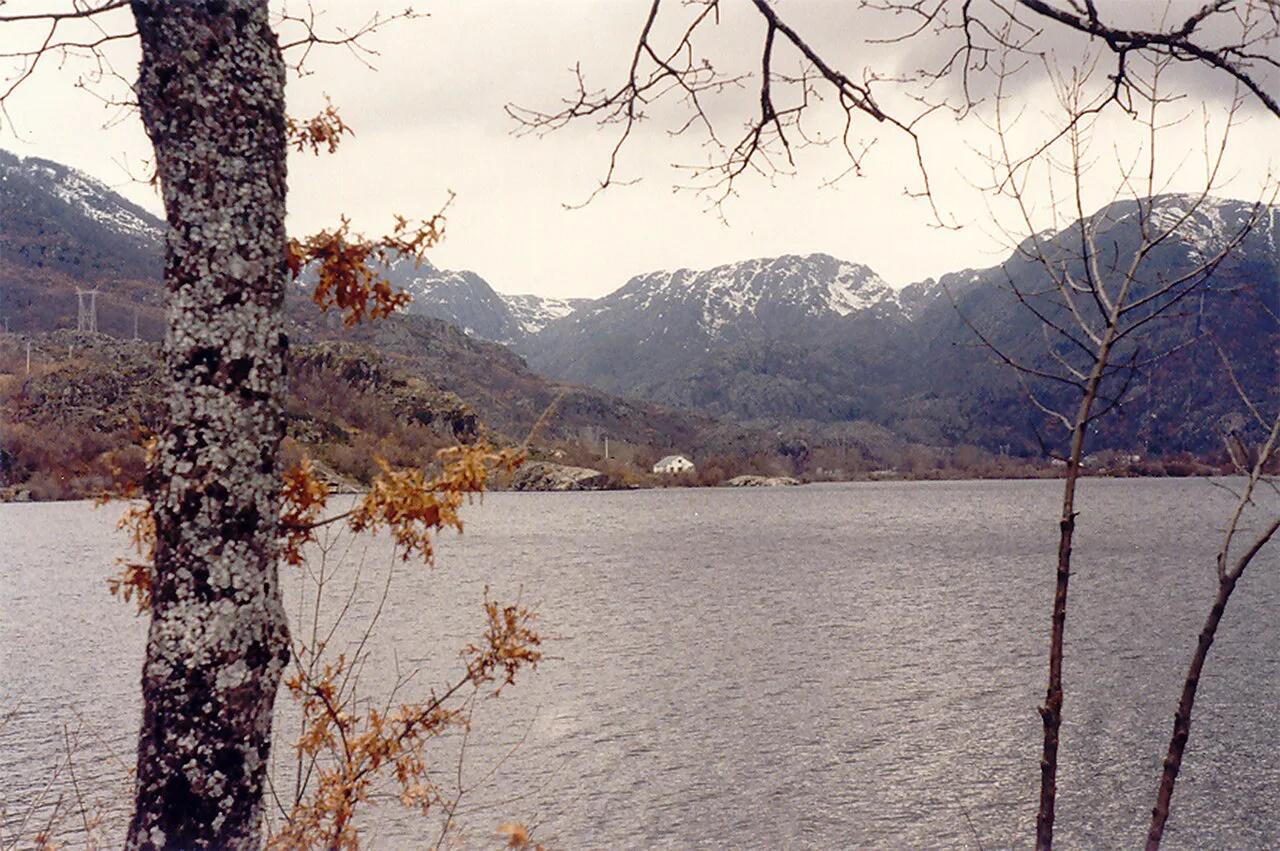
Featured image: Felipe Matilla Alonso, CC BY-SA 4.0, via Wikimedia Commons.

Lakes in Spain at a Glance
Spain's water bodies fall into three groups. Glacial tarns sit high in the Pyrenees, the Sierra de Gredos and the Urbión mountains. Karst lagoon systems, such as the Lagunas de Ruidera, form where limestone and groundwater meet. Reservoirs (embalses) are the third group, and they supply many of the largest stretches of open water. Expect smaller scale than the Alps. Our ranking of Europe's largest lakes shows how Spanish waters compare.
- Lago: a lake, used for Lago de Sanabria.
- Laguna: a lagoon or small lake, used for Laguna Negra and Laguna Grande de Gredos.
- Estany (Catalan) and estanh (Aranese): a mountain tarn in the Pyrenees.
- Embalse and pantano: a reservoir behind a dam.
Best Lakes in Spain by Region
The best lakes in Spain cluster in a few areas. Castile and León holds Sanabria, Urbión, Riaño and Gredos. Catalonia has Banyoles and the Pyrenean estanys, and Castilla-La Mancha has Ruidera. Each entry below is labelled natural, glacial or reservoir so you know what you are visiting.
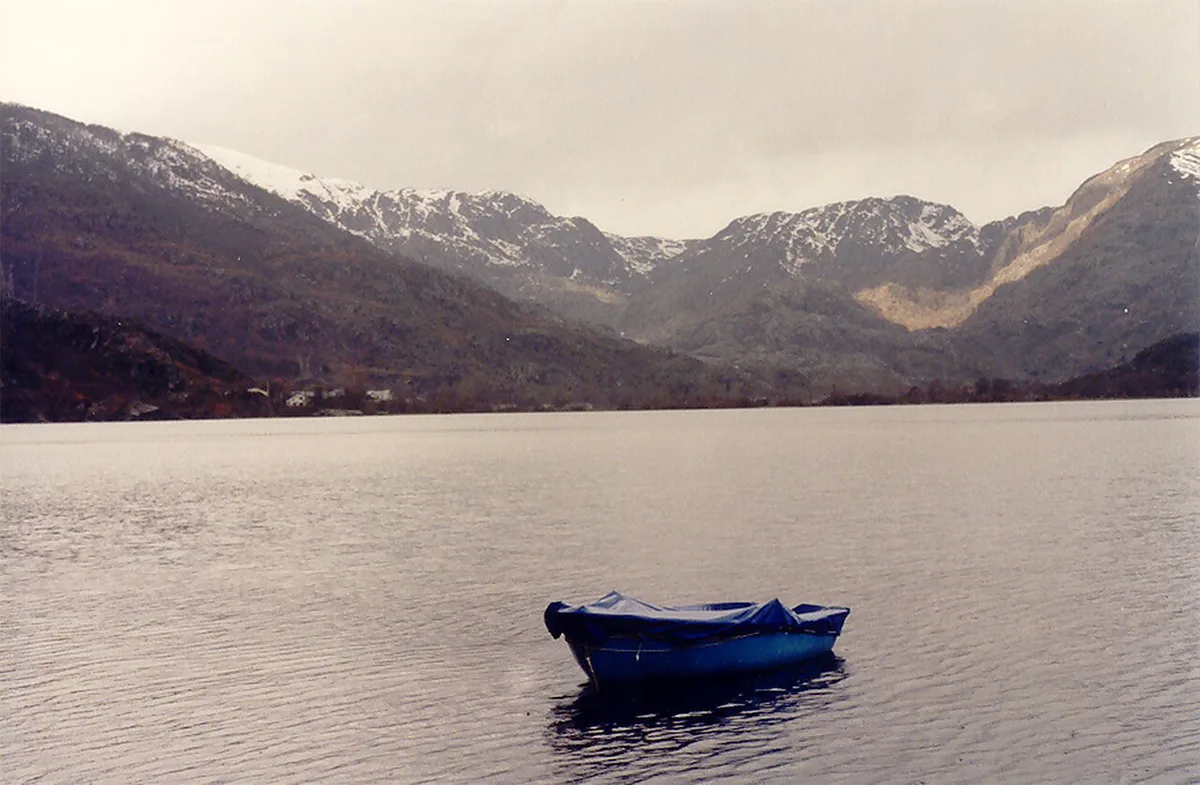
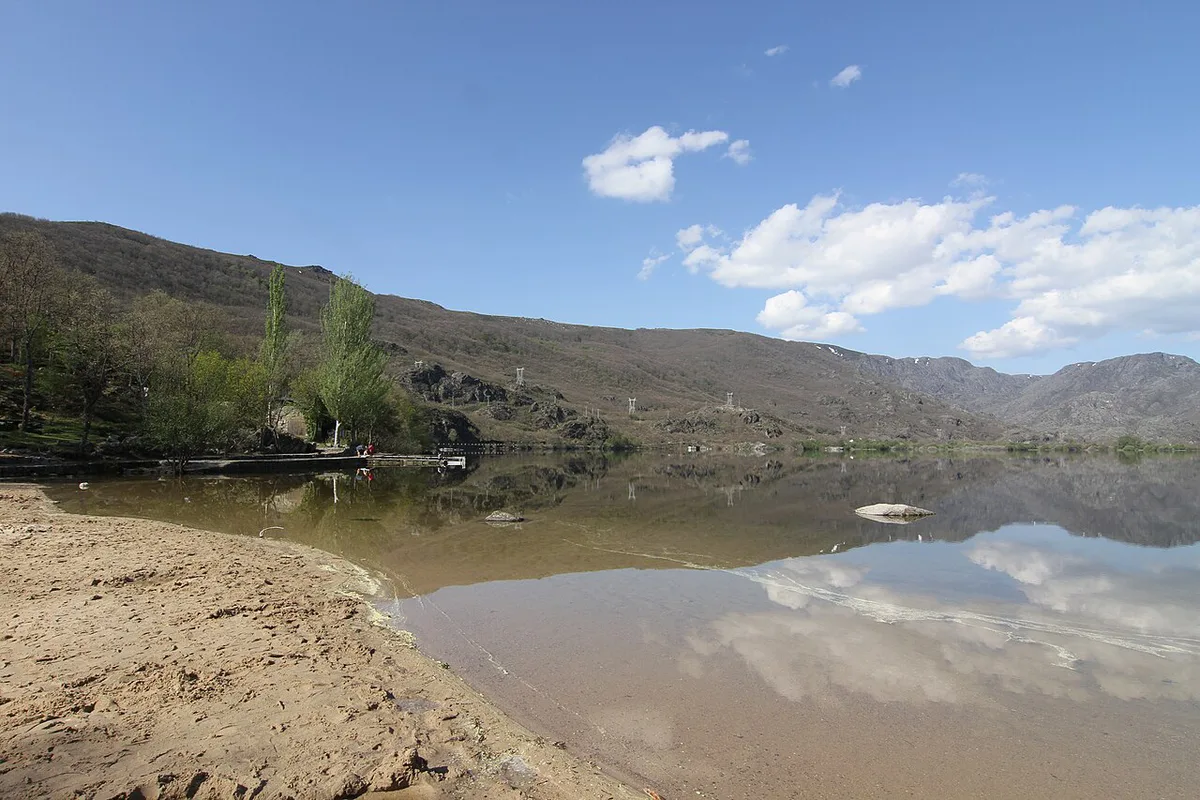
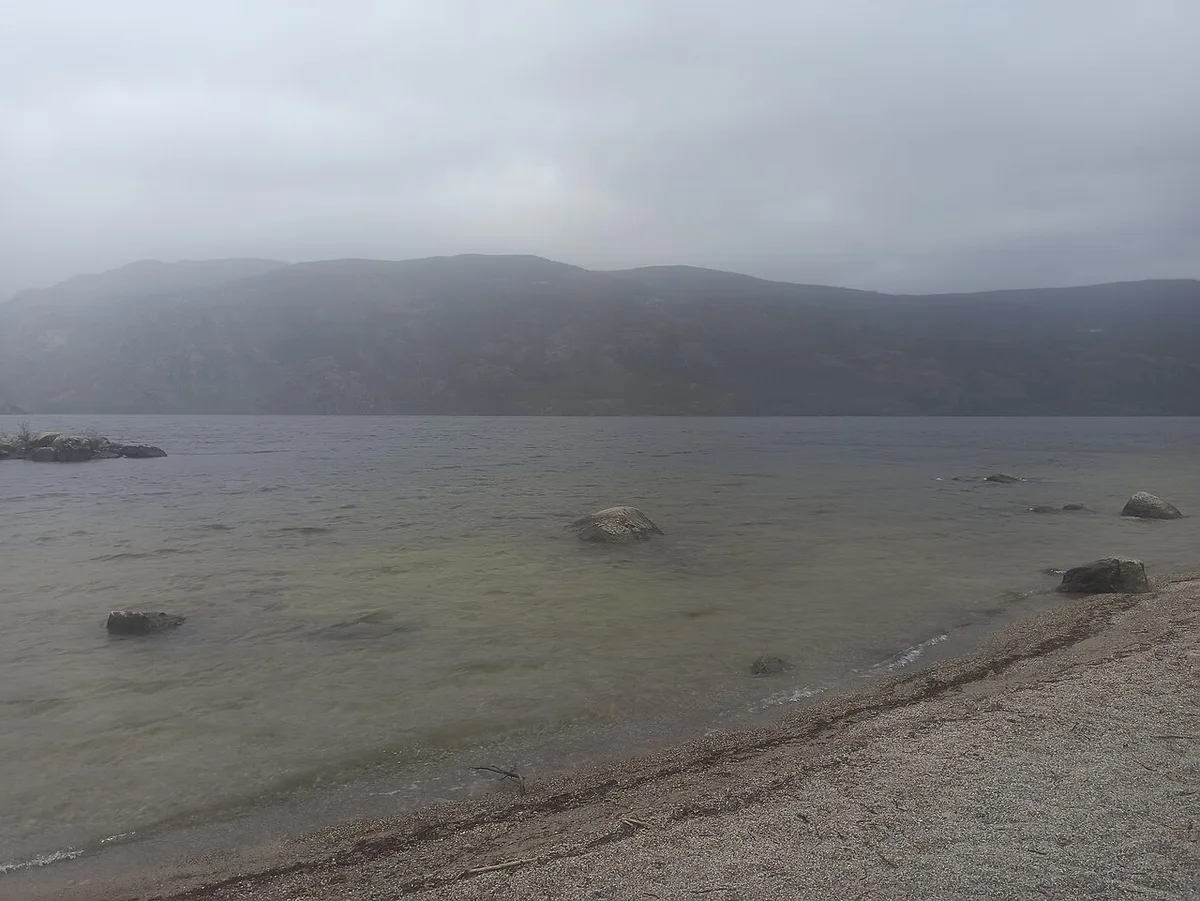
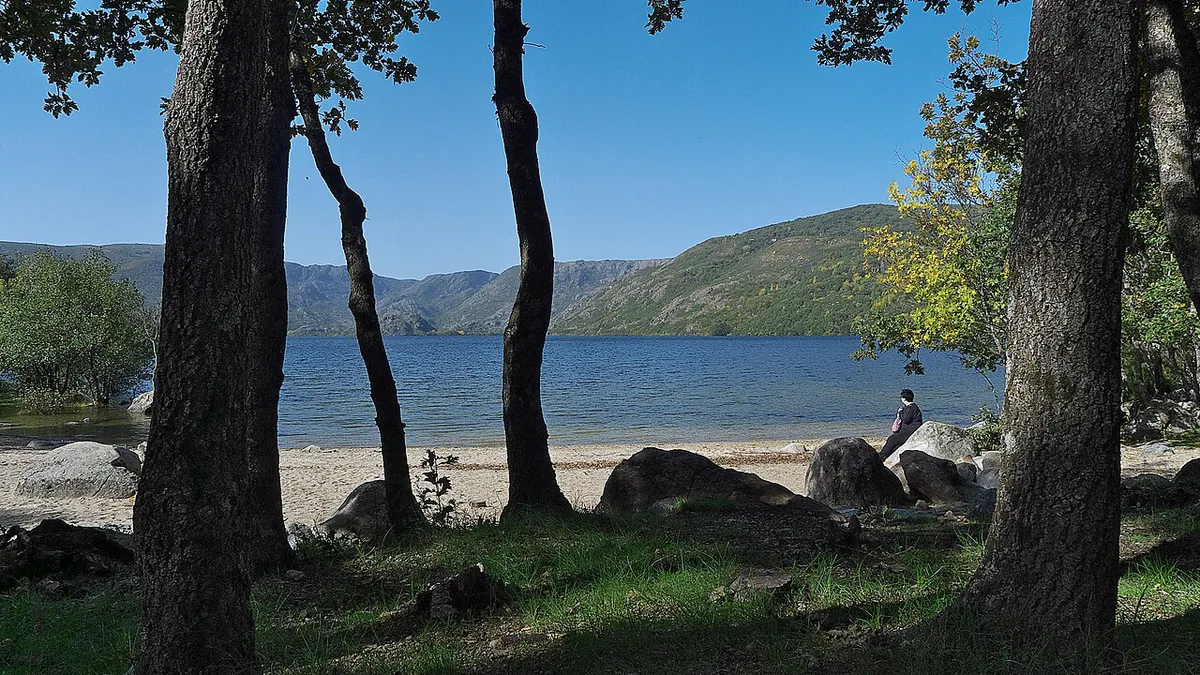
- Lago de Sanabria (Zamora, Castile and León): a glacial lake inside Sanabria Lake Natural Park. Playa de los Arenales, also called Playa de los Enanos, gives a classic view over the water. Other beaches include Viquiella, Custa Llago and Los Arenales de Vigo. Puebla de Sanabria is the nearest base town.
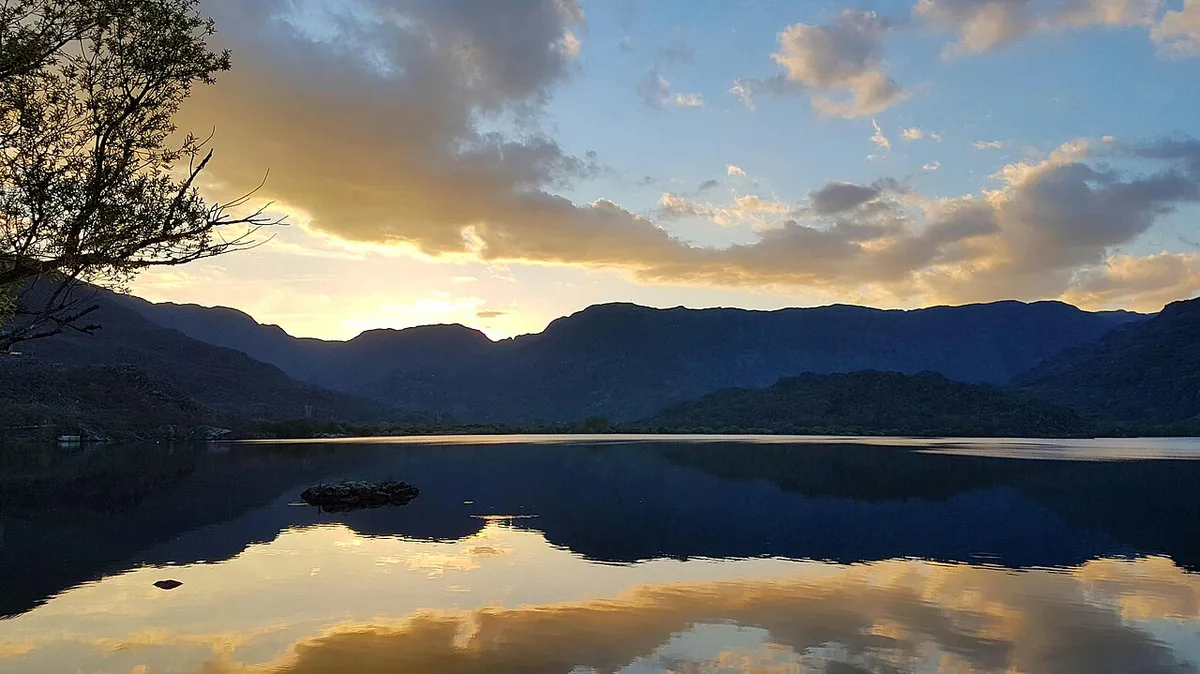
- Laguna Negra and Laguna Larga (Urbión mountains, Soria): glacial lagoons set close together. Laguna Larga lies between Laguna Negra and Urbión peak. Vinuesa is the base town, and it sits near the Cuerda del Pozo reservoir.
- Laguna Grande de Gredos (Sierra de Gredos): a glacial lagoon reached on foot. The guarded Elola refuge stands at about 1,950 m at its southern end, below Almanzor. Hikers use it as a gateway to Almanzor and La Galana.
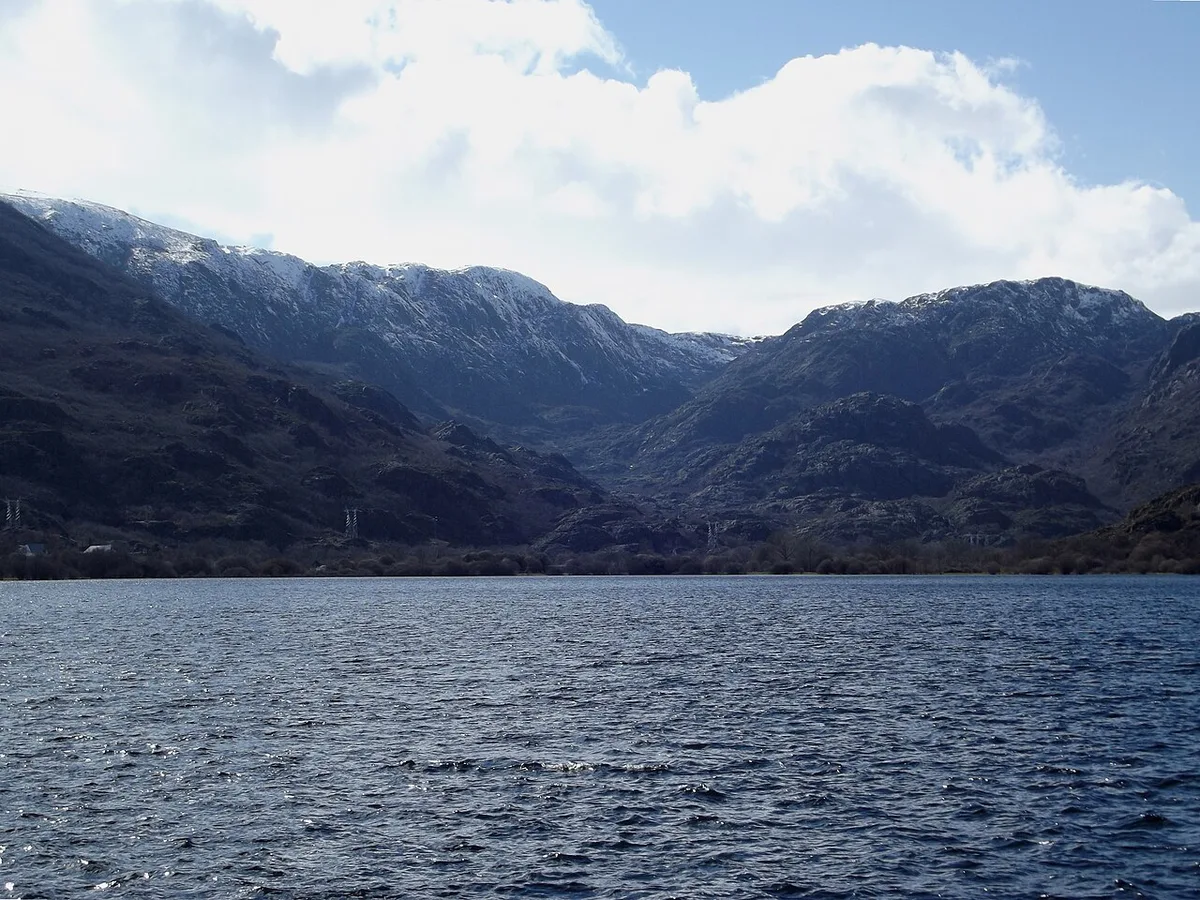
- Embalse de Riaño (León): a reservoir, not a natural lake. Its limestone peaks give it the nickname 'Leonese fjords'. Valcayo viewpoint is the stop for panoramas.
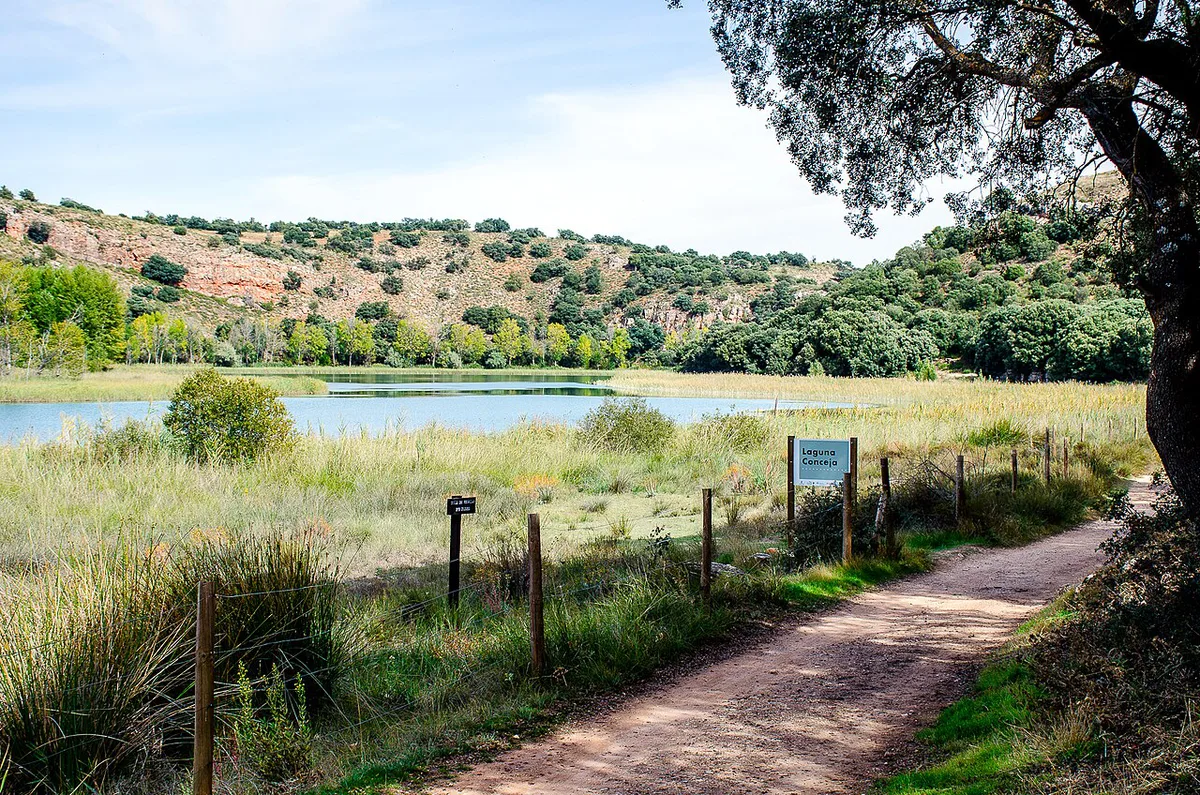
- Lagunas de Ruidera (Ciudad Real and Albacete): a chain of lagoons within a natural park in Castilla-La Mancha.
- Lake Banyoles (Girona, Catalonia): a natural lake that works as a lowland stop rather than a mountain hike.
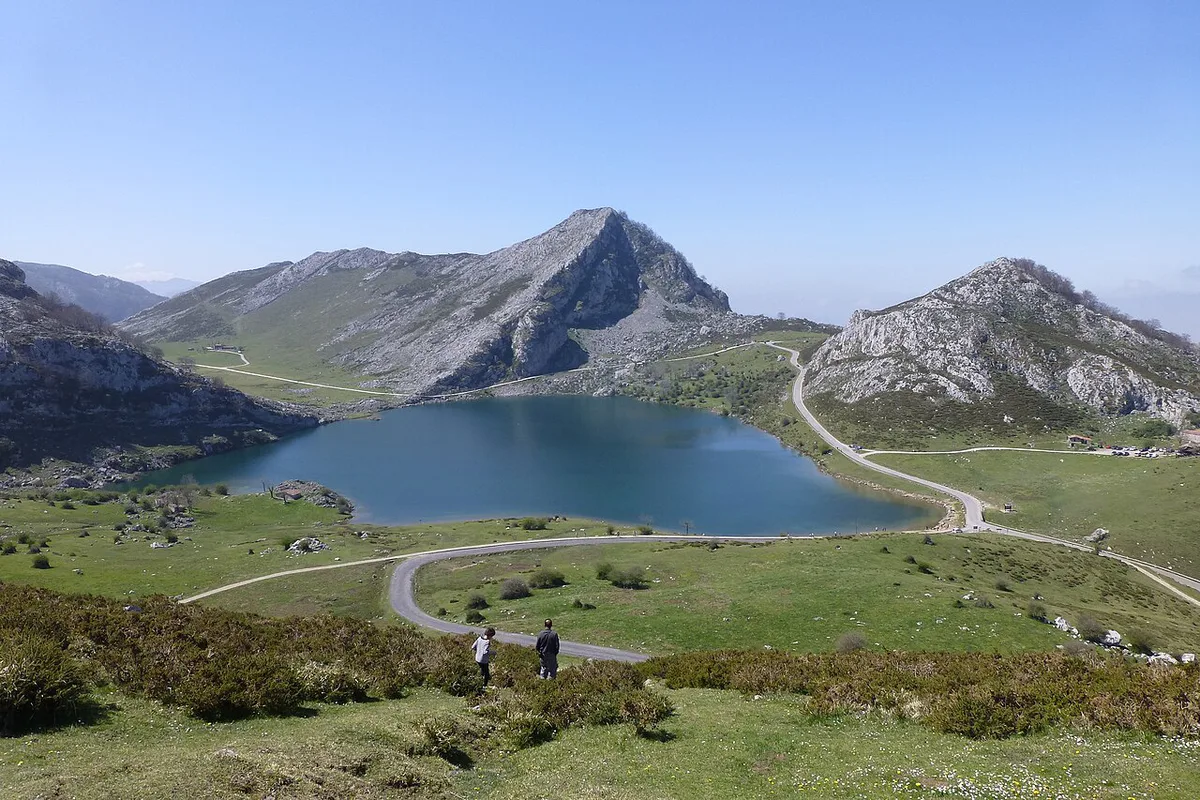
- Pyrenean estanys such as Colomèrs (Aigüestortes area): glacial tarns in high terrain. Treat them as hiking destinations.
- Lagunas de Peñalara (Sierra de Guadarrama, Madrid region): glacial lagoons reachable as a mountain day trip.
Natural Lakes vs Reservoirs: What You're Actually Visiting
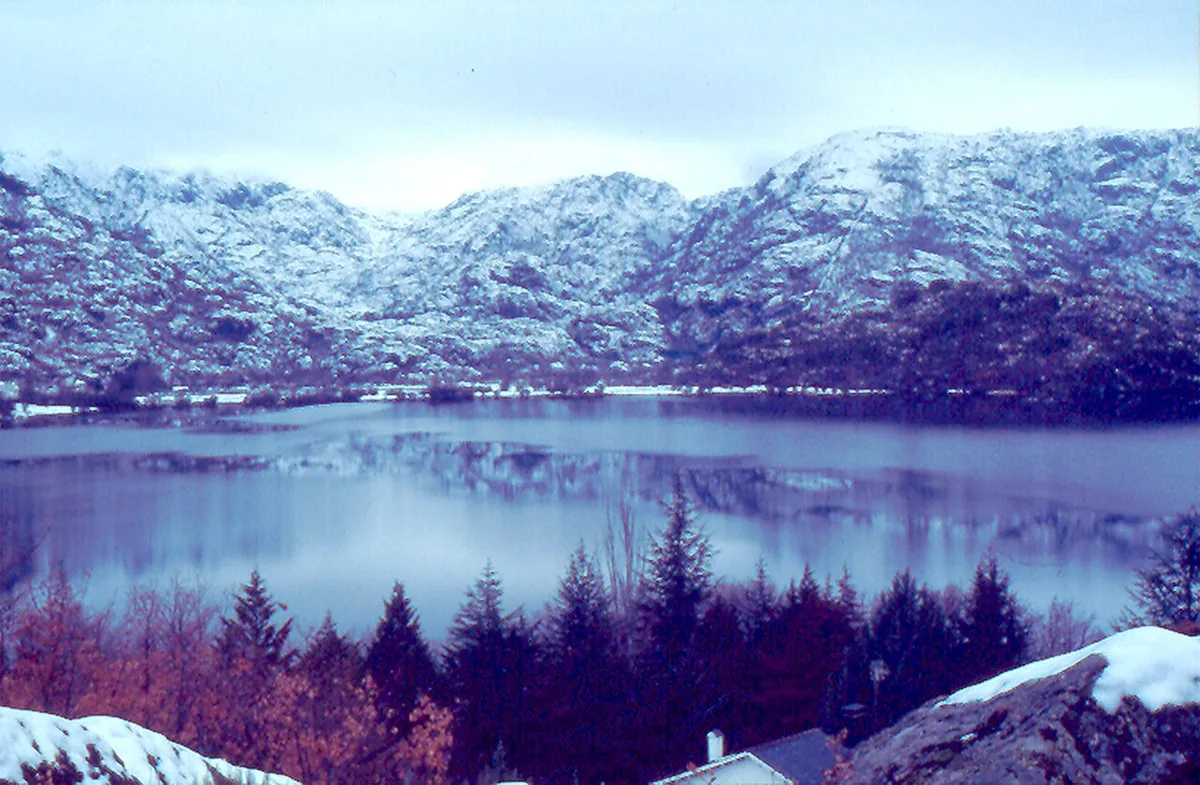
Glacial lakes in Spain are small, high and seasonal. Sanabria is the large exception among natural lakes in Spain, and Banyoles and Ruidera are lowland natural options. Riaño and the San José (Castronuño) dam on the Duero are reservoirs. Water levels there change from year to year, which alters beaches and scenery. Reservoirs can still be good trips. Just do not expect an alpine lake town. For naming habits across languages, see our note on loch versus lake.
- Natural or glacial: Sanabria, Laguna Negra, Laguna Larga, Laguna Grande de Gredos, Peñalara, Pyrenean estanys, Banyoles.
- Karst lagoon system: Lagunas de Ruidera.
- Reservoir: Embalse de Riaño, San José (Castronuño) reservoir, Cuerda del Pozo.
- Lake-like add-ons: Pozo Azul de Covanera in the Rudrón valley and the turquoise pools of Orbaneja del Castillo. Both are karst water features, not lakes.
Which Lake Fits Your Trip?
Use this table to match a lake to your plans. Cells say 'check locally' where swimming rules or transport are not settled. Rural Castile and León, Gredos and the Pyrenees usually work best with a car.
| Lake | Region | Type | Access | Best for | Base town |
|---|---|---|---|---|---|
| Lago de Sanabria | Zamora, Castile and León | Glacial lake | Car; bus check locally | Swimming, beaches, boat trips | Puebla de Sanabria |
| Laguna Negra / Laguna Larga | Soria, Castile and León | Glacial lagoons | Car, then walk | Day hikes | Vinuesa |
| Laguna Grande de Gredos | Sierra de Gredos | Glacial lagoon | Hike only | Hiking, refuge stays | Check locally |
| Embalse de Riaño | León | Reservoir | Car | Viewpoints, boat tours | Riaño |
| Lagunas de Ruidera | Castilla-La Mancha | Lagoon chain | Car | Lowland lakeside stops | Ruidera |
| Lake Banyoles | Girona, Catalonia | Natural lake | Check locally | Easy lakeside visit | Banyoles |
| Pyrenean estanys | Catalonia and Aran | Glacial tarns | Hike | High-mountain walks | Check locally |
Best Time to Visit Spain's Lakes
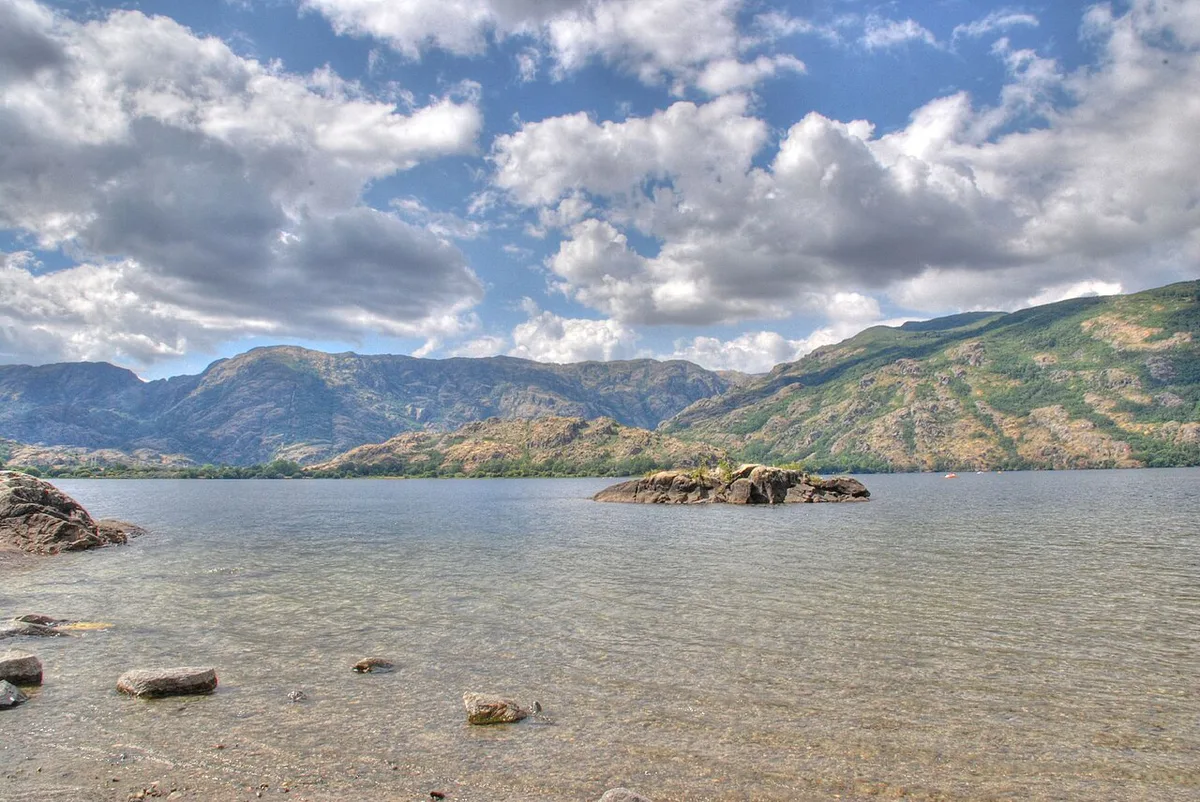
Summer in July and August suits swimming at Sanabria, though beaches are busier then. Spring and autumn bring milder weather and are a good fit for walks around Urbión. Glacial lakes at altitude can hold snow or ice into early summer. Campiña, the summit above the two largest Urbión lagoons, tops 2,000 m, so expect cold and wind even on clear days. Winter access to Laguna Negra and similar areas may be limited. Reservoir scenery depends on the year's rainfall, so look up current levels with the relevant river basin authority.
Elola refuge stands at about 1,950 m, and glacial lakes at altitude can hold snow or ice into early summer.
Access, Costs, Permits and Park Rules
Most lake shores are free to visit. Boat trips, pedal boats, parking and refuge stays are the usual paid extras. Spain's tourism board lists regional options on Spain's official tourism site. Natural parks such as Sanabria and Ruidera, and national parks such as Aigüestortes, can restrict swimming, camping, drones, dogs and visitor numbers. Read the park's own page before you go. The Elola refuge at about 1,950 m is guarded, so ask about opening and booking before you plan an overnight.
Where to Stay and How to Get Around
Base yourself in a town close to the shore. Puebla de Sanabria serves Lago de Sanabria, and Vinuesa serves the Urbión lagoons. Riaño and Ruidera are the bases for their own lakes. Public transport to mountain lagoons is unlikely to be frequent, so a car is the practical choice. Download offline maps before you leave, because mobile signal in high terrain can drop. For a first trip, a Sanabria weekend is the simplest plan. An Urbión loop from Vinuesa suits hikers. Gredos works as a hiking day. Check each route on a map before committing.
Common Mistakes to Avoid
A few assumptions cause most disappointment.
Campiña, the summit above the two largest Urbión lagoons, tops 2,000 m, so the altitude warning applies to the Soria lagoons too.
- Expecting an Alpine-style lake town. Spanish lakes are quieter and more rural.
- Assuming every lake allows swimming. Park rules and reservoir conditions differ.
- Underestimating altitude hikes. Gredos and Urbión are mountain terrain with fast-changing weather.
- Visiting reservoirs in dry years. Low water changes the view and the beaches.
- Relying on buses. Rural routes to trailheads can be sparse, so plan for a car or a taxi.
Plan a Mountain-Lake Day or Overnight
Spain’s mountain lakes reward a slower plan than lowland stops such as Banyoles or Ruidera. Treat Laguna Grande de Gredos as a full hiking day, rather than a quick roadside detour. The guarded Elola refuge stands at about 1,950 m beside the lagoon. Contact the refuge before planning an overnight stay.
For the Urbión lakes, use Vinuesa as the practical base and allow time for the walk and changing mountain weather. Campiña, the summit above the two largest Urbión lagoons, reaches 2,000 m. Pack layers even when the forecast is warm in town.
A simple split keeps each trip realistic:
- Choose a Sanabria weekend for beaches, shoreline viewpoints and a lower-effort lake visit.
- Choose Gredos for a hike focused on Laguna Grande and the refuge area.
- Choose an Urbión day from Vinuesa for Laguna Negra and Laguna Larga.
Check the route on a map before leaving. Trail conditions and winter access can change quickly at higher elevations.
Notes for your next lake trip
Optional updates to our lake guides.