Lough Neagh: Visiting Ireland's Largest Lake Today
An honest visitor guide to Lough Neagh: what to do, which shore to pick, and what the algal blooms mean for swimming, boating and your plans.
On this page
Last updated November 2026. Lough Neagh is the largest freshwater lake in Ireland and the UK, and it sits in Northern Ireland rather than the Republic. Blue-green algal blooms have affected the water in recent years, so water-based plans need more care than a walk or a birdwatching stop. Our guide covers what the lake is, where to base yourself, and how it compares with the other lakes in our guide to Irish lakes.
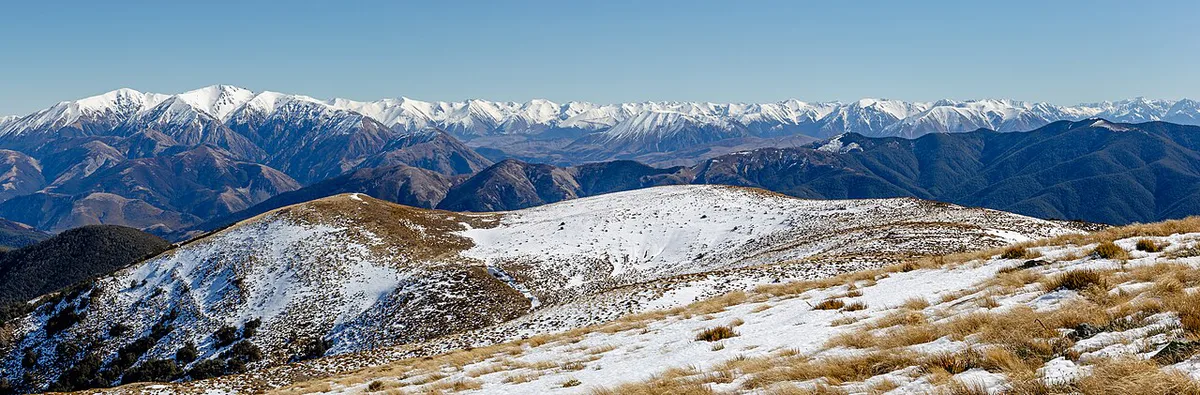
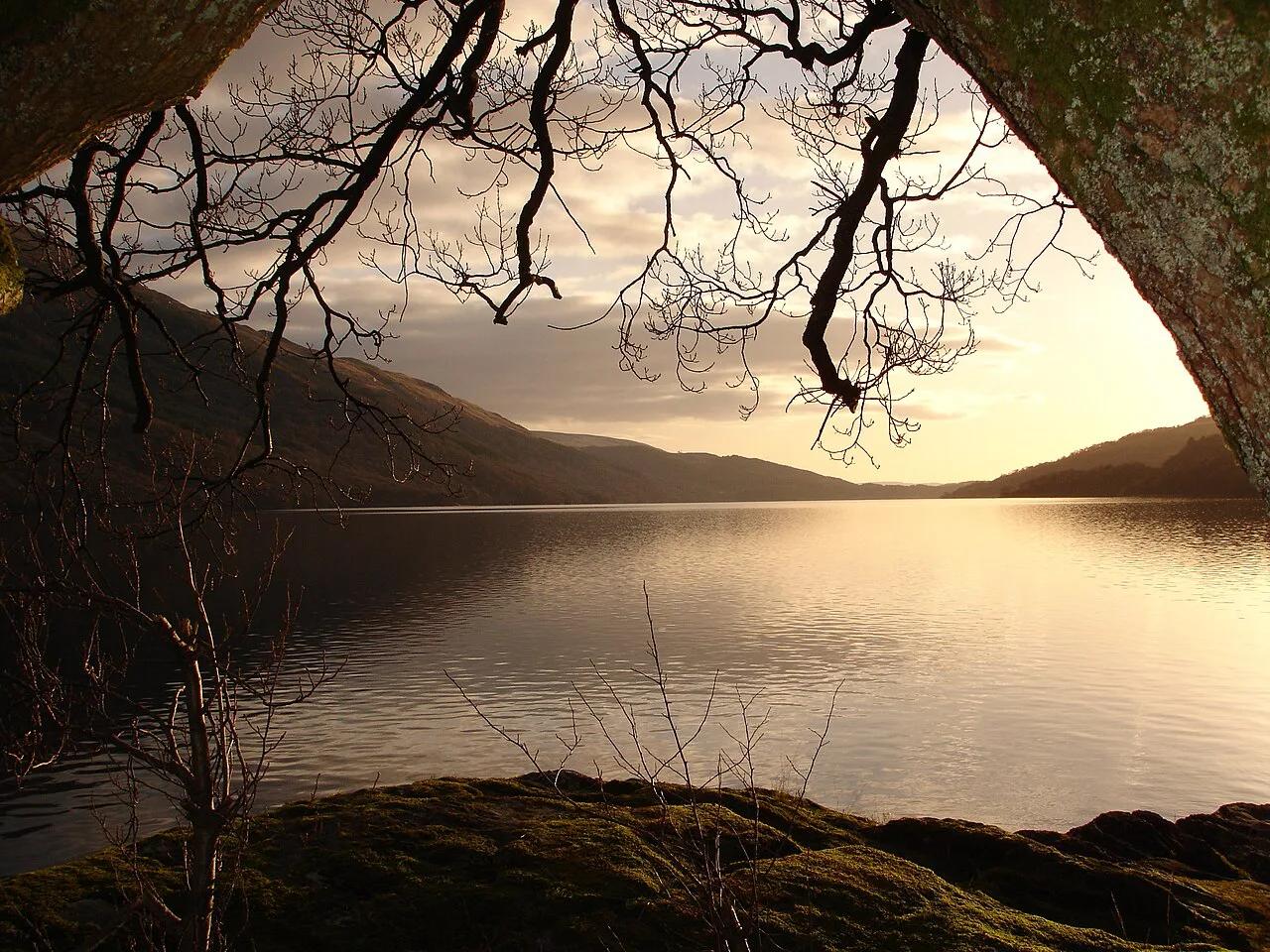
Featured image: Spockyippee, CC BY-SA 4.0, via Wikimedia Commons.
Lough Neagh at a glance
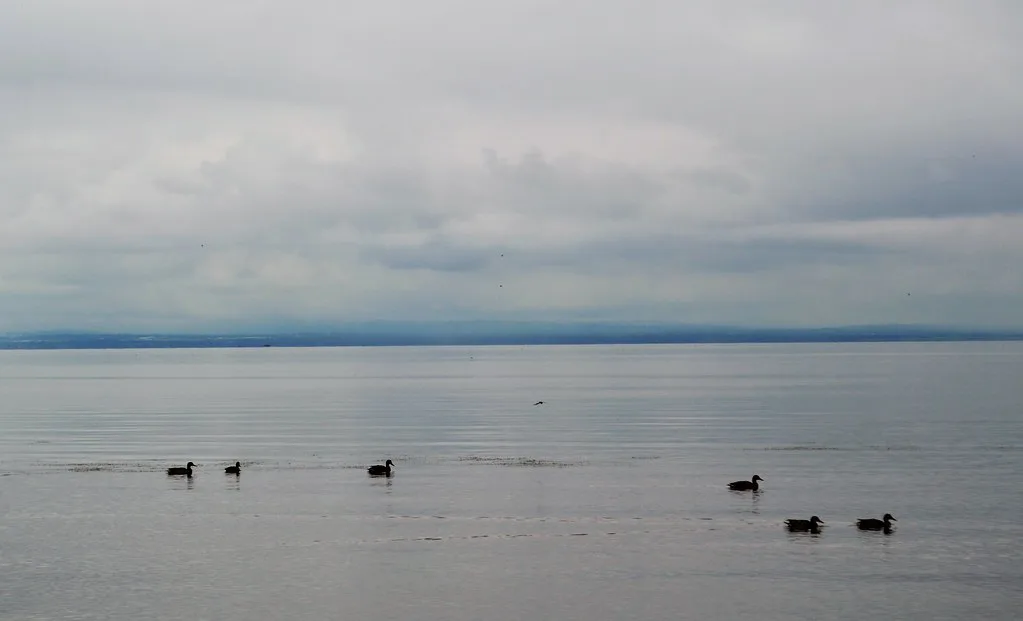
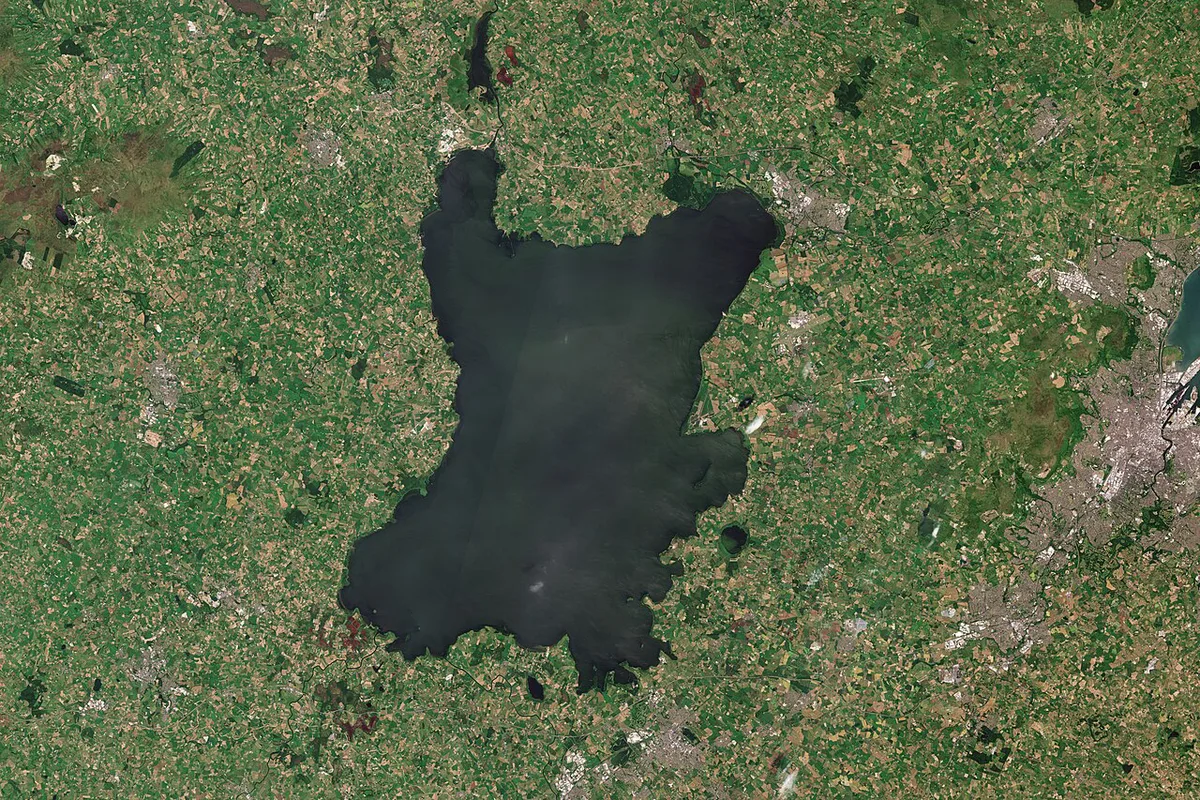
Oxford Reference defines the lake as the largest body of fresh water in the British Isles, at about 153 square miles. Five Northern Ireland counties touch its shores: Antrim, Armagh, Down, Derry and Tyrone. No single town sits on the water, so there is no obvious lakeside base to head for. Press coverage in 2026 notes that the lake supplies 40% of Northern Ireland's drinking water. Treat it as a ring of separate shores rather than one destination.
- Location: Northern Ireland, UK
- Size: about 153 square miles, per Oxford Reference
- Shore counties: Antrim, Armagh, Down, Derry, Tyrone
- Main visitor base: Oxford Island on the southern shore
Is it safe to visit Lough Neagh right now?
Visiting is not the issue, but the water needs caution. Blue-green algal blooms have affected the lake in recent years, and news coverage through 2026 describes an ongoing ecological crisis. Conditions change by week and by shore, so treat any swimming, paddling or dog-in-the-water plan as unconfirmed until the official notices say otherwise. Official advisories come from DAERA, the Northern Ireland Environment Agency and the local councils. Walking, birdwatching and visiting the shoreline centres do not depend on water quality. Lough Derg has also seen an algal advisory, as our Lough Derg guide explains.
- Do not assume swimming is fine because the water looks clear.
- Do not build a trip around summer water activities.
- Look for operator notices before booking any boat or paddle session.
Best things to do around Lough Neagh
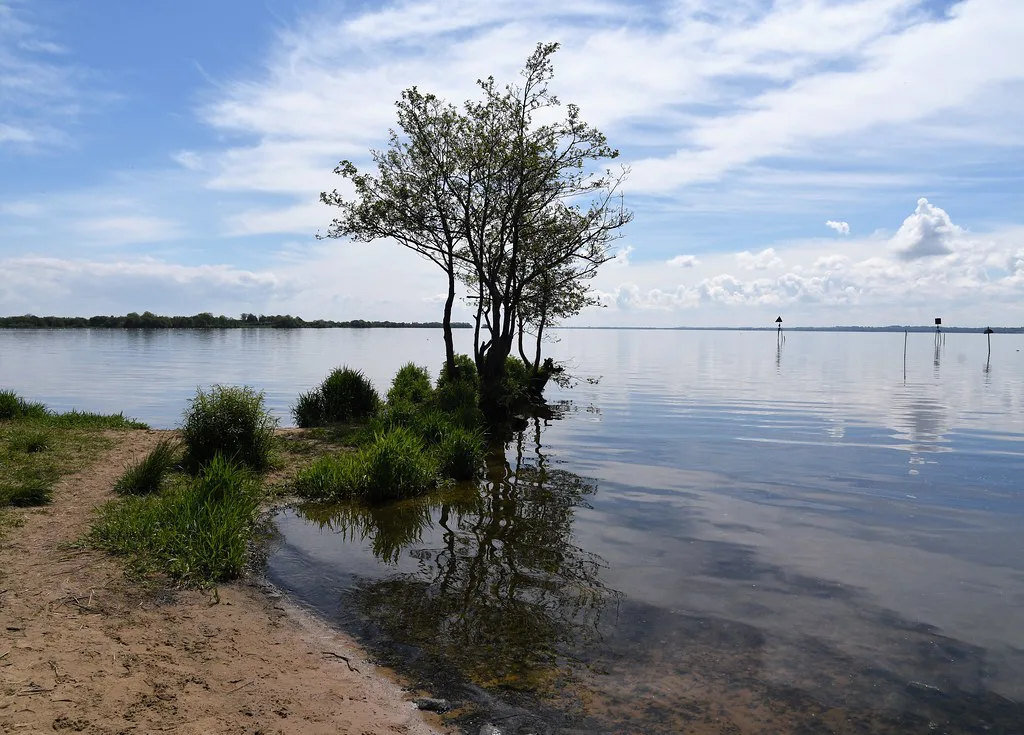
Oxford Island National Nature Reserve is the best-known visitor spot, and its own Oxford Island visitor site lists the Lough Neagh Discovery Centre and current activities. Most land-based options cluster there. Expect wetland walking, bird hides and heritage displays rather than beaches. Further around the shore, small harbours and heritage sites such as Ardboe suit a short stop. Boat trips and water sports are less predictable, and operators can pause them when the water is affected.
- Walking and birdwatching at Oxford Island
- Heritage and wildlife displays at the Discovery Centre
- Short shoreline stops at Ardboe, Coagh and Maghery
- Boat trips only where the operator is running that day
Which shore to choose
Each shore offers a different kind of day, and facilities vary a good deal. Pick one shore and do it properly rather than trying to circle the whole lake.
- Oxford Island (south shore): best for first-time visitors, with a discovery centre, walking routes and birdwatching.
- Antrim shoreline: best for a quieter lakeside stop on the north-east side.
- Ardboe: best for a short stop with a heritage focus on the western shore.
- Coagh and Maghery: best for a low-key look at working lakeside communities. Check opening details with the local council first.
How to plan your time
A half day is enough for Oxford Island alone. A full day lets you add one other shore stop, and a weekend allows two shores with a town base nearby. Driving the whole shoreline in a single day is a mistake, because no one road follows the water. Look up actual drive times on a current map for your start point, whether that is Belfast, Derry or Dublin.
Costs, parking and opening hours
We have no confirmed fees or seasonal hours to quote for the lake's attractions. Check the current prices, parking details and hours on the official Oxford Island site before you travel.
Where to stay and how to get around
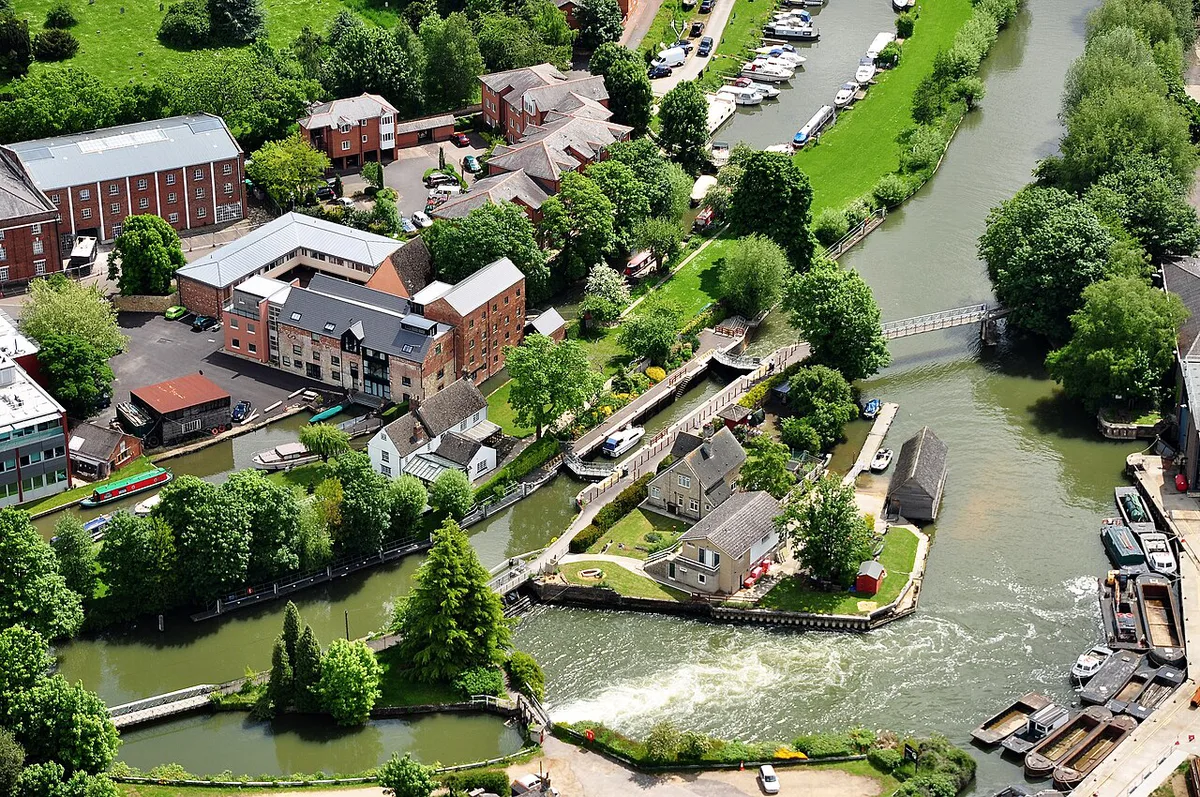
With no single lakeside town, base yourself in a nearby town and drive to your chosen shore. A car makes the ring of shores far easier to reach. Public transport links to the shoreline are patchy, so look up routes on Translink's journey planner before relying on a bus or train.
Lough Neagh compared with other Irish lakes
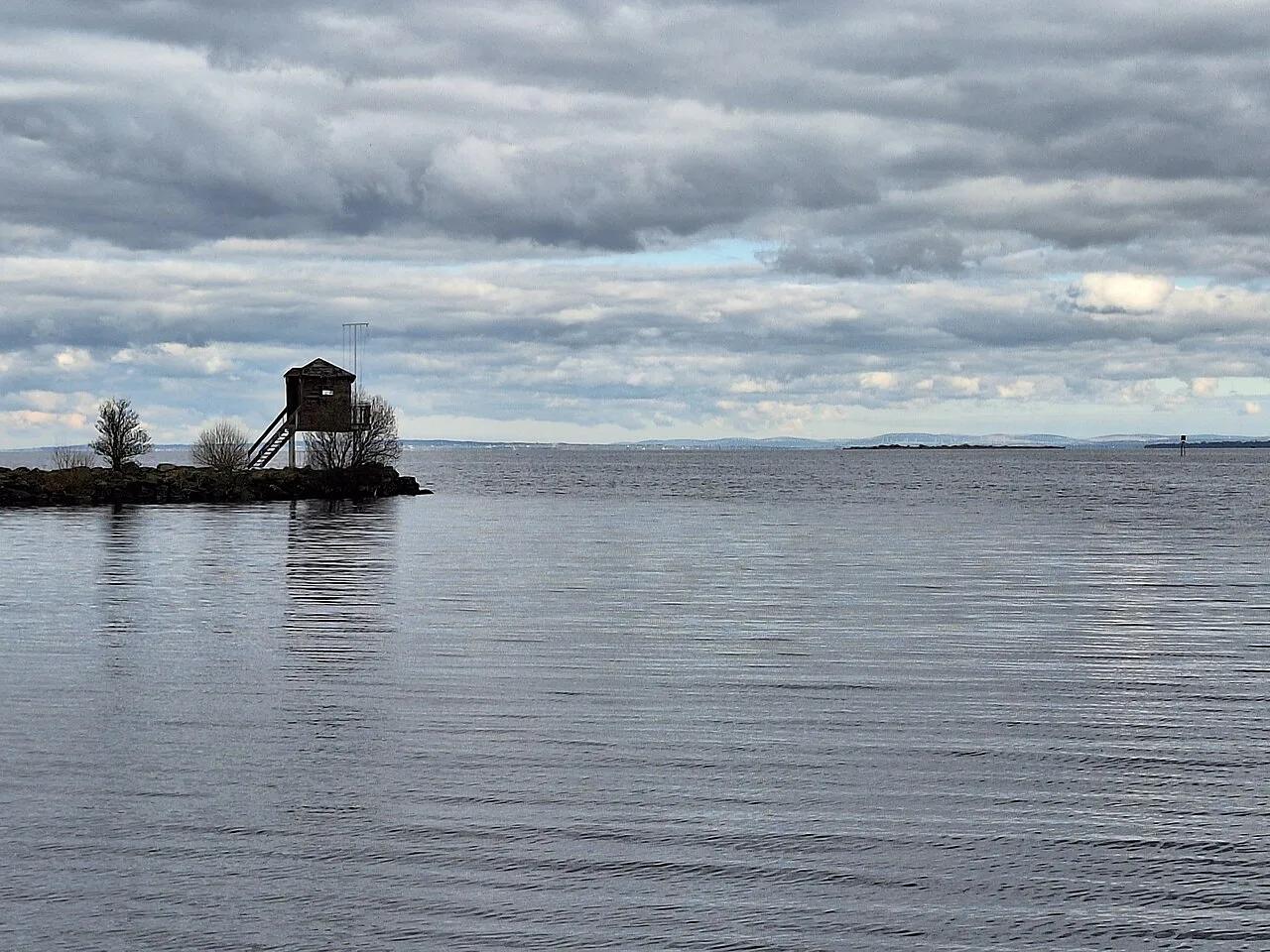
Lough Neagh is a big, flat, wide-skied lake, and not a scenic mountain lake. For another Ulster option, try Lough Erne Travel Guide: Islands, Boats & Enniskillen. For other big lakes, read about Lough Ree Guide: Shannon Lake and Visiting Tips or Lough Corrib Guide: Where to Go, Boat Trips and Fishing. If dramatic scenery matters more than size, the Lakes of Killarney: Which to See and How (Guide) are a better match. For a smaller wooded shoreline, see Lough Gill, Sligo: Innisfree, Walks and How to Visit.
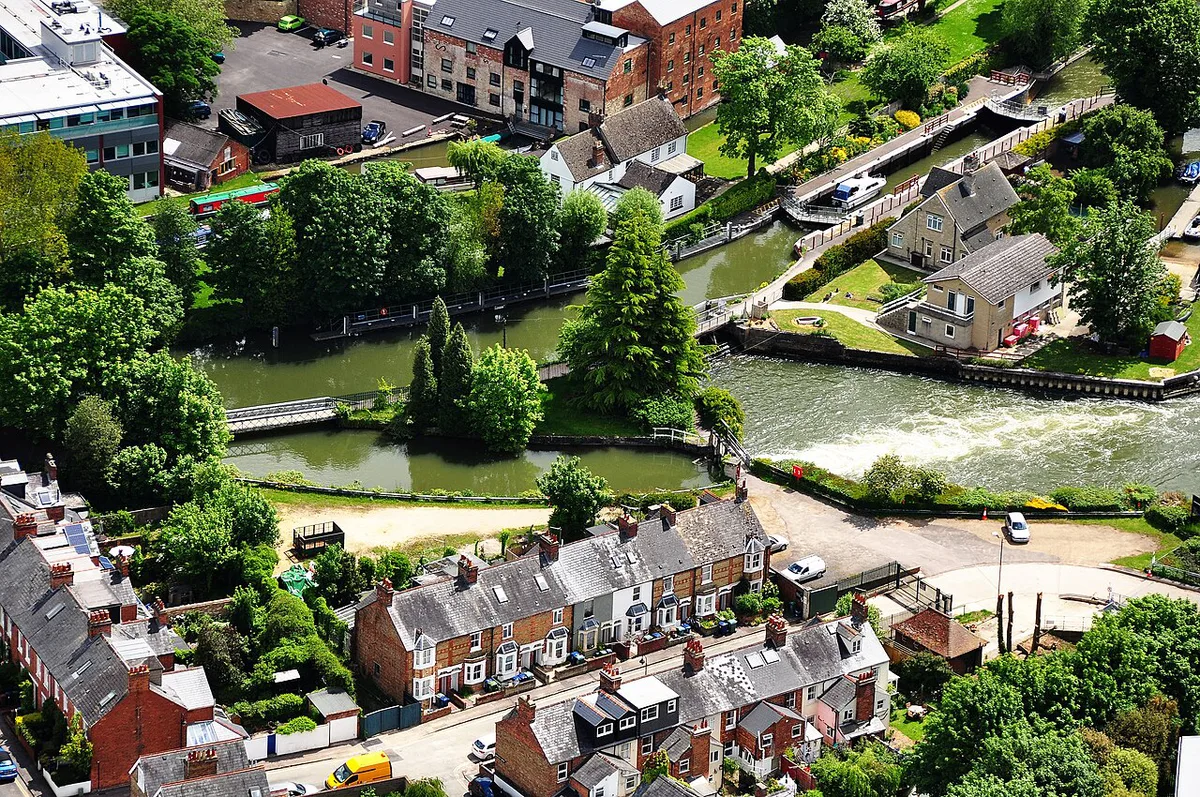
Plan a land-based day around Lough Neagh
Lough Neagh is best approached as a group of separate shore visits, especially when water conditions make swimming or paddling unsuitable. Its roughly 153-square-mile scale means a shoreline stop can feel very different from a visit elsewhere around the lake.
Start at Oxford Island if you want walking, bird hides and the Discovery Centre in one place. Add a second stop only if it fits your route, such as Ardboe for heritage or Coagh and Maghery for quieter lakeside views. Avoid treating the lake as a beach destination.
The lake provides about 40% of Northern Ireland’s drinking water, which underlines why official water-quality notices matter. Check DAERA, the Northern Ireland Environment Agency, local councils and individual operators before committing to boating, fishing or watersports. A walk, birdwatching stop or heritage visit remains the more dependable plan when water-use advice changes.
Frequently Asked Questions
Is anything being done about Lough Neagh?
Government and parliamentary scrutiny of the algal blooms has continued through 2026. In October 2025 a minister said the lake's recovery needs sustained action over many years. For current measures, look to DAERA and the Northern Ireland Environment Agency.
Notes for your next lake trip
Optional updates to our lake guides.
You might also like
Continue reading
More guides you'll find useful