
12 Best Lakes in Ireland: Loughs by Trip Type
Which lakes in Ireland are worth visiting? Compare 12 top loughs by region, activity, access and season, across the Republic and Northern Ireland.
On this page
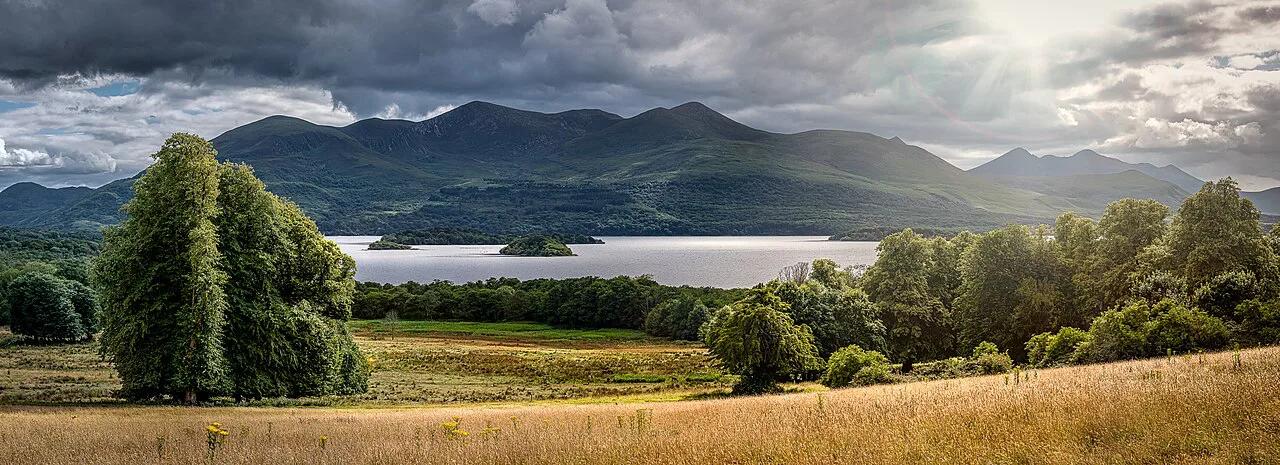
Last updated November 2026, this guide picks 12 of the best lakes in Ireland by trip type rather than by size alone. Lough is the Irish word for lake, and the list covers both the Republic of Ireland and Northern Ireland. First-timers should start at Killarney, while boaters and anglers have separate answers below.
Featured image: Bernd Thaller from Graz, Austria, CC BY 2.0, via Wikimedia Commons.

Lakes in Ireland at a glance: pick by trip type
Match your trip to a lake before you pick a base town. Times below are rough planning allowances for a visit, not travel times. Check a map for current drive times between lakes.
| Trip type | Best-fit lakes | Base town | Access | Time to allow |
|---|---|---|---|---|
| Scenic photo stop | Lough Tay, Gougane Barra, Doo Lough | Drive-in stops; check locally for the nearest town | Easy; short walks from the road | 1-2 hours |
| Hiking | Killarney lakes, Glendalough, Lough Tay | Killarney town for Kerry | Moderate; Wicklow Way and Spinc trails are steeper | Half day to full day |
| Boating and cruising | Lough Erne, Lough Derg, Lough Ree | Enniskillen for Erne; Athlone for Ree | Easy on water; book boats ahead in summer | Half day to several days |
| Fishing | Lough Corrib, Lough Mask, Lough Erne | Oughterard for Corrib | Easy with a local guide; licence rules apply, check locally | Full day |
| Swimming | Lough Hyne, Lough Derg | Check locally | Varies; no beach at most loughs | 1-2 hours |
| History and legend | Lough Gill, Lough Erne, Lough Corrib, Gougane Barra | Enniskillen for Erne; Cong for Corrib cruises | Easy to moderate | Half day |
| Day trip from a city | Killarney, Lough Tay | Killarney town | Car easiest; public transport limited, check locally | Full day |
How to choose a lake: size, access, activity and season
Size does not predict a good visit. Lough Neagh covers about 396 square kilometres (153 square miles), and Lough Corrib covers about 176 square kilometres (68 square miles). Both are mostly seen from shoreline towns, harbours or boats. Small lakes such as Lough Tay, at about 0.5 square kilometres, work as short stops on a scenic drive. Use four filters to narrow the list.
Size alone doesn't decide the visit: Lough Tay, at about 0.5 square kilometres, works as a short scenic stop, while Lough Neagh is far bigger.
- Access: public transport reaches Killarney and Athlone-area towns more easily than remote glens. Rural lakes such as Doo Lough and Gougane Barra suit a car.
- Activity: fishing, cruising and kayaking favour big loughs with hub towns. Short walks and photography favour small mountain lakes.
- Season: late spring to early autumn (May to September) gives the longest daylight. Killarney and Glendalough are busiest in summer, so go early or late in the day.
- Cost: viewpoints are free. Shore walks cost little, boat trips sit at a moderate level, and castle tours, guided days and lakeside hotels cost more.
12 Best Lakes in Ireland by Region
Each entry gives the decision, one thing to do and who should skip it. Prices and hours checked November 2026; this guide quotes no fees, so ask each boat operator or castle about current times. The order runs from the southwest, up the west coast, across the Shannon and the north, then east to Wicklow.
1. Lakes of Killarney (Kerry, Republic of Ireland)
Three linked lakes make up this system: Lough Leane, Muckross Lake and the Upper Lake. Leane covers about 20 square kilometres (7.7 square miles), and Muckross Lake is listed as Ireland's deepest at 75 metres (246 feet). All three sit inside Killarney National Park, which was established in 1932.
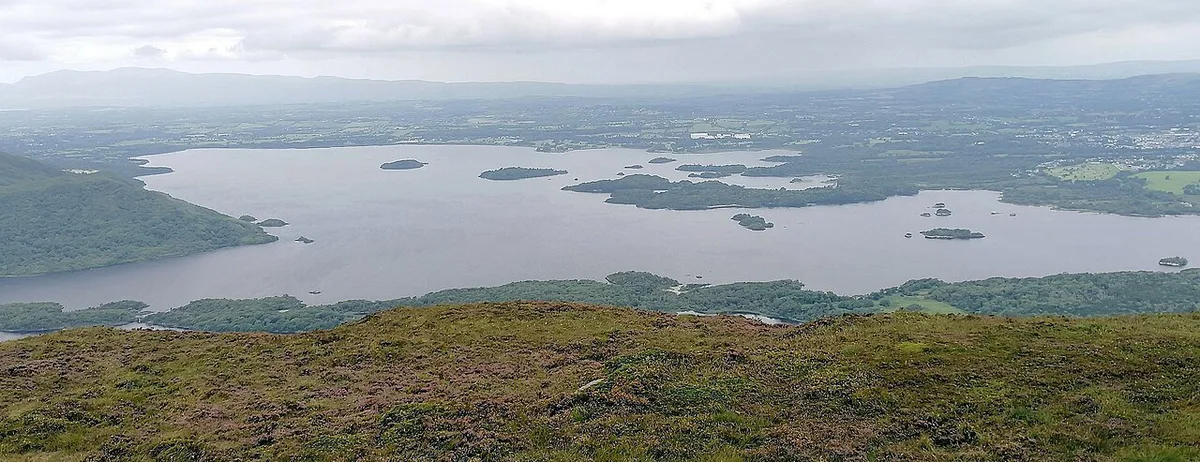
Start at Meeting of the Waters, where the lakes join, then add Ross Castle on Leane's shore. Our Killarney lakes guide covers boat trips, the Gap of Dunloe and Muckross House. Anyone wanting solitude in July or August should aim for early morning or choose Gougane Barra instead.
2. Gougane Barra (West Cork, Republic of Ireland)
A small lake framed by hills and woodland, Gougane Barra is named for Saint Finbarr, said to have founded a monastery on an islet here in the 6th century. Today's small island chapel and monastic buildings date from around 1700. Plan on a one-to-two-hour stop for the lakeshore, the island and the forest park.
Our Gougane Barra visitor guide has the approach road and walking options. Public transport is thin in this corner of Cork, so a car is the practical choice. Hikers after big mountain days will find it too short for a full-day outing.
3. Lough Hyne (West Cork, Republic of Ireland)
Salt water fills this sheltered lough through a narrow tidal channel from the Atlantic. Reports describe rapids at the channel that reach about 16 kilometres per hour (10 miles per hour), and the lough is described as a marine nature reserve. Open-water swimmers like it because the water stays calm when nearby beaches are rough.
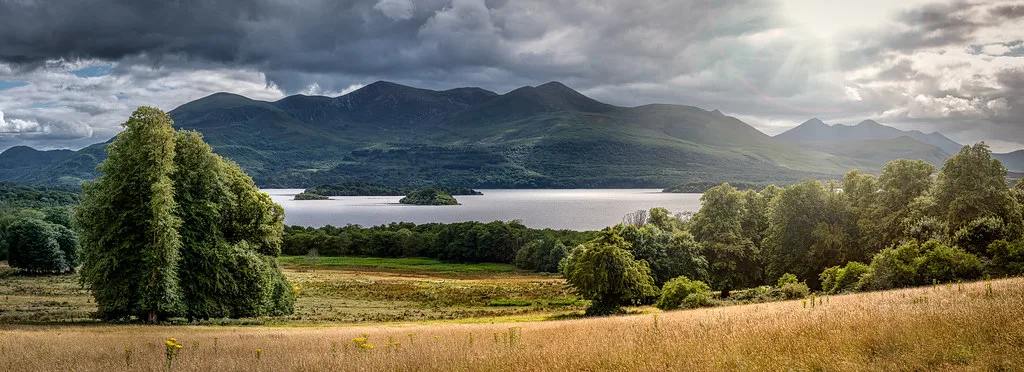
For something steeper, a path to Knockomagh gives a 360-degree view over the valley. Our Lough Hyne swimming and walking guide covers entry points and tide timing. Families with small children should treat the channel currents seriously and check local safety notices first.
4. Lough Corrib (Galway and Mayo, Republic of Ireland)
Corrib is the largest lake in the Republic, at about 176 square kilometres (68 square miles) and roughly 50 kilometres (31 miles) long. Anglers base themselves in Oughterard, and the May mayfly hatch is the peak of the fishing year. Cruises run from Oughterard and Cong to Inchagoill Island, which has early Christian ruins.
Heritage sites such as Aughnanure Castle fit a Connemara day. Use our Lough Corrib planning guide for boat hire, shore access and base towns. Visitors wanting a quick roadside view will find Corrib too spread out and should try Doo Lough.
5. Doo Lough (Mayo, Republic of Ireland)
Doo Lough lies along the Delphi Pass in County Mayo and covers about 1.55 square kilometres. Mountains rise steeply from its shore, so it works as a scenic drive with photo pull-offs rather than a destination in itself. Allow an hour or two as part of a longer Mayo and Connemara loop.
Our Doo Lough drive guide lists the viewpoints worth stopping at. A second Doo Lough exists in County Clare, so check which one a map or sat-nav is showing. Swimmers and boaters will find nothing set up here and should look at Lough Derg.
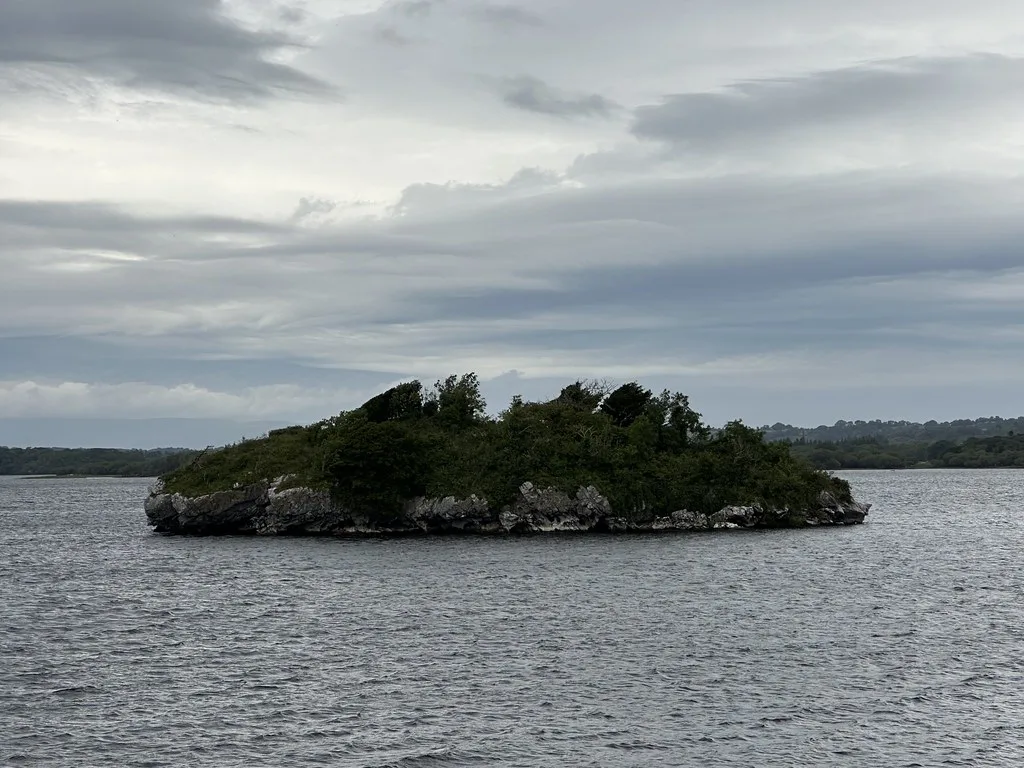
6. Lough Derg (Tipperary, Clare and Galway, Republic of Ireland)
Derg is the third-largest lake on the island, at about 130 square kilometres (50 square miles), and the Shannon runs through it. Boating, sailing, fishing and swimming all happen here, and the lake is gentler than Atlantic coast options. A walking route called the Lough Derg Way runs along its shore.
Our Lough Derg boating guide covers harbour towns and shoreline stops. Swimmers can check bathing quality for each beach on Bathing Water Ireland before they go. Do not confuse it with the Donegal Lough Derg, a pilgrimage lake with a very different feel.
7. Lough Ree (Roscommon, Longford and Westmeath, Republic of Ireland)
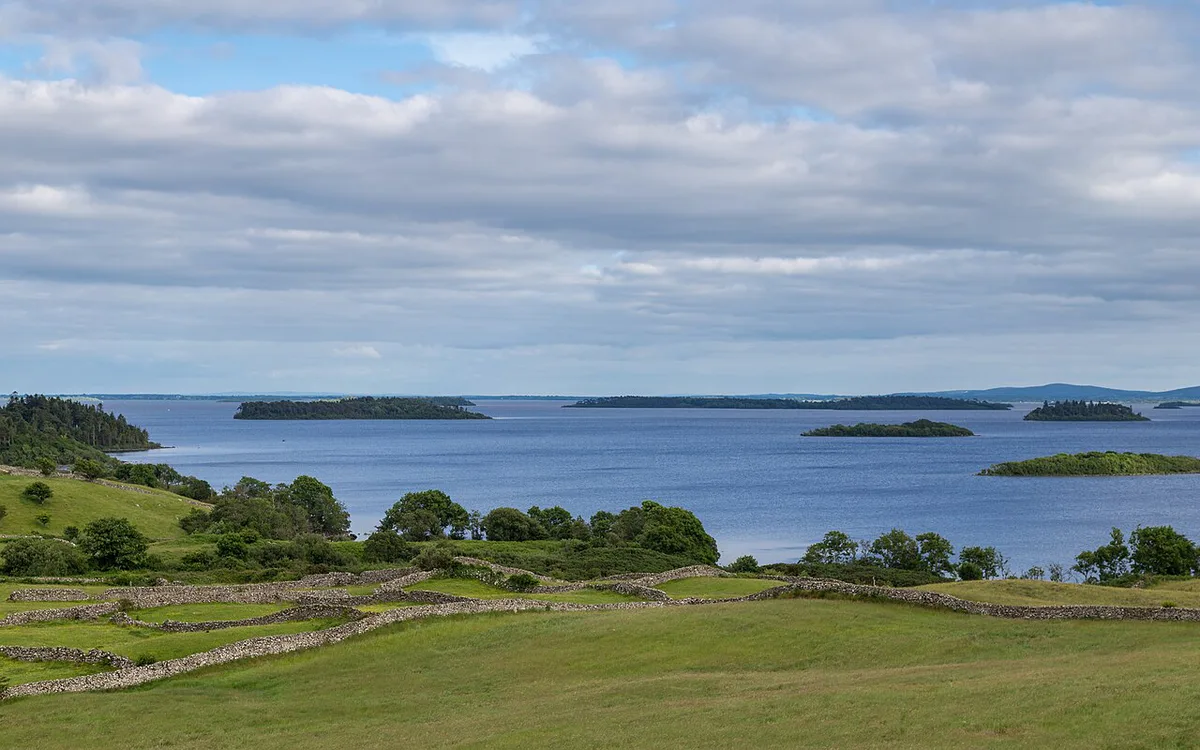
Ree is the fifth-largest lake on the island, at about 105 square kilometres (41 square miles), and sits in the midlands on the Shannon. Athlone is the natural base for boat hire, fishing and short cruises. Rindoon Castle, a medieval ruin on a peninsula, gives walkers a purpose beyond the water.
Our Lough Ree travel guide sets out the shore stops and boat options. Travelers by public transport can reach Athlone more easily than most lake bases. Anyone chasing dramatic mountain scenery will find the shores low and quiet and should head to Killarney.
8. Lough Erne (Fermanagh, Northern Ireland)
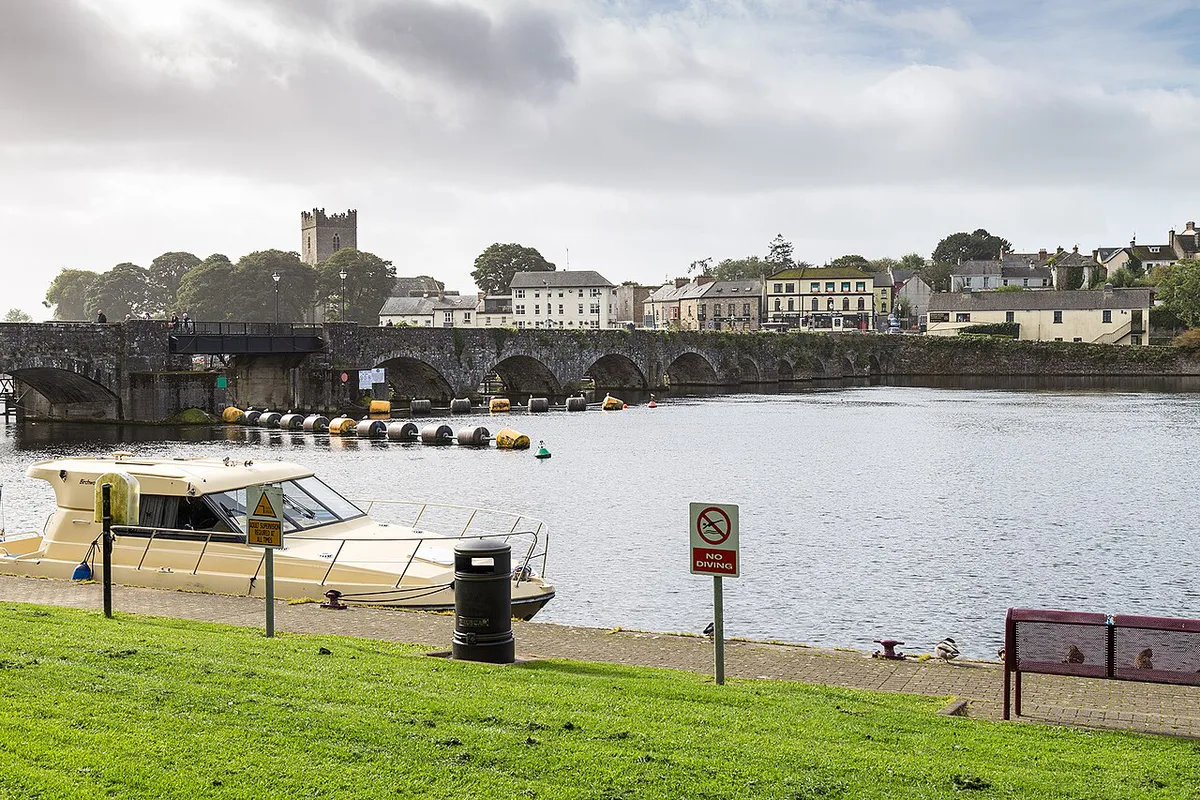
Erne is really two lakes: Upper Lough Erne, about 34 square kilometres, and Lower Lough Erne, about 109 square kilometres (42 square miles). Enniskillen sits between them and works as the base for cruises, kayaking and islands. Devenish Island has a round tower and monastery ruins, while Boa Island holds a carved double-sided stone figure.
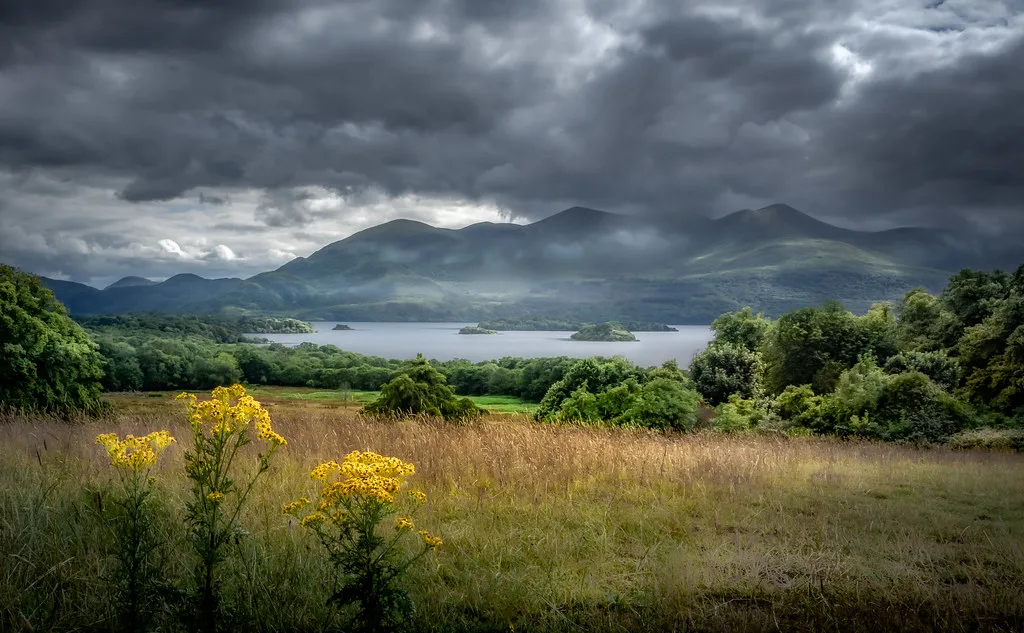
Visit Fermanagh Lakelands lists boat operators and seasonal services. Our Lough Erne cruising guide compares islands, boat trips and paddling routes. Northern Ireland uses sterling, so budget in pounds there; visitors wanting a quick one-hour stop will find Erne too dispersed.
9. Lough Neagh (Northern Ireland)
Neagh is the largest lake on the island, at about 396 square kilometres (153 square miles), and it touches five counties: Antrim, Down, Armagh, Tyrone and Londonderry. Its shallow Antrim shore draws large numbers of waterfowl, and an eel fishery works on the opposite side. It is best seen from shoreline parks, birdwatching points and short walks rather than from a single viewpoint.
Our Lough Neagh visitor guide explains what visitors can actually do there. Anyone expecting a swimming beach or a cruise terminal should check locally first. Scenery seekers will find more drama at Lough Tay or Doo Lough.
10. Lough Gill (Sligo, Republic of Ireland)
Lough Gill covers about 13.8 square kilometres and is tied to W.B. Yeats, whose poem The Lake Isle of Innisfree is set on one of its islands. Parke's Castle sits on the shore, and Hazelwood and Slish Wood offer woodland trails. Kayaking is the closest way to reach the islands, including Church Island and Cottage Island.
Our Lough Gill guide maps the walks, boat options and Yeats connections. Plan a half day for woods and castle. Speed-boat fans and long-distance cruisers should look at Erne or Derg instead.
11. Lough Eske (Donegal, Republic of Ireland)
Eske is a smaller lough in County Donegal, covering about 3.8 square kilometres. It suits a quiet half-day of lakeside walking and photography in the northwest. Our Lough Eske visitor guide covers access points, walks and nearby stops.
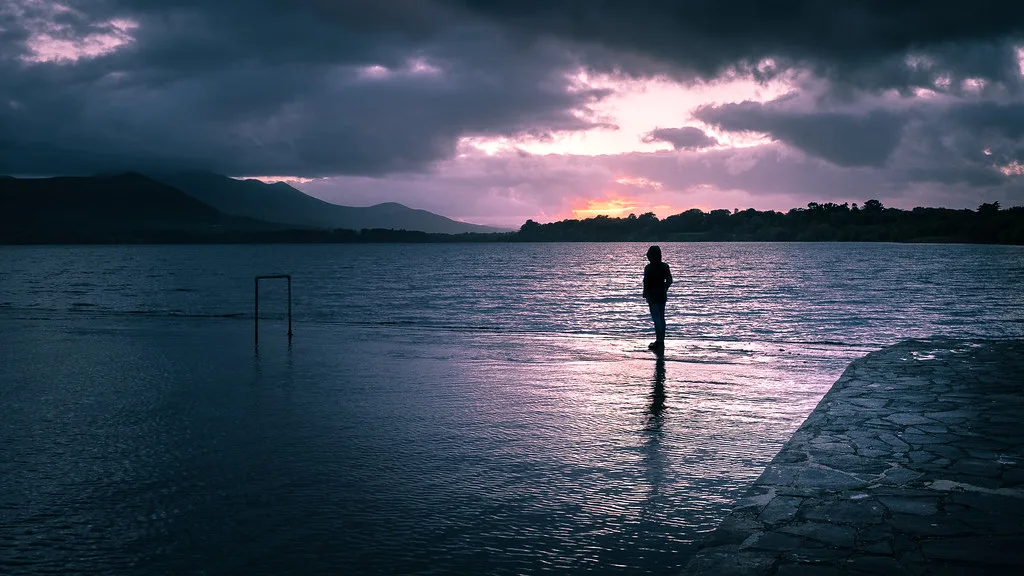
Pair it with Lough Gill in one Sligo and Donegal trip. Facilities are modest compared with Killarney, so bring supplies and check locally for services. Nightlife seekers and cruise fans should choose Enniskillen and Lough Erne instead.
12. Lough Tay and Glendalough (Wicklow, Republic of Ireland)
Lough Tay is a small lake of about 0.5 square kilometres between the Djouce and Luggula mountains, nicknamed the Guinness Lake for its dark water. Its shoreline featured as a filming location for a Vikings television series. Hikers on the Wicklow Way see it from above on the descent.
Nearby Glendalough has an Upper Lake and Lower Lake beside a monastic site, and the Spinc ridge trail climbs above the Upper Lake. Our Lough Tay viewpoint guide explains where to see the lake. Glendalough gets busy in summer, so arrive early, and anyone hoping to swim at Tay should not expect a beach.
Largest lakes in Ireland by area
Neagh leads the island, and Corrib leads the Republic. Sources vary slightly on Corrib, with figures from about 173 to 176 square kilometres, so treat all areas as approximate. Lough Mask is the largest by volume in the Republic. The Environmental Protection Agency estimates about 12,000 lakes in the Republic, covering more than 1,200 square kilometres.
| Rank | Lake | Area (km², about) | Area (sq mi, about) | Jurisdiction |
|---|---|---|---|---|
| 1 | Lough Neagh | 396 | 153 | Northern Ireland |
| 2 | Lough Corrib | 176 | 68 | Republic of Ireland |
| 3 | Lough Derg (Shannon) | 130 | 50 | Republic of Ireland |
| 4 | Lower Lough Erne | 109 | 42 | Northern Ireland |
| 5 | Lough Ree | 105 | 41 | Republic of Ireland |
| 6 | Lough Mask | 83 | 32 | Republic of Ireland |
Marine lakes, turloughs and reservoirs: what is different
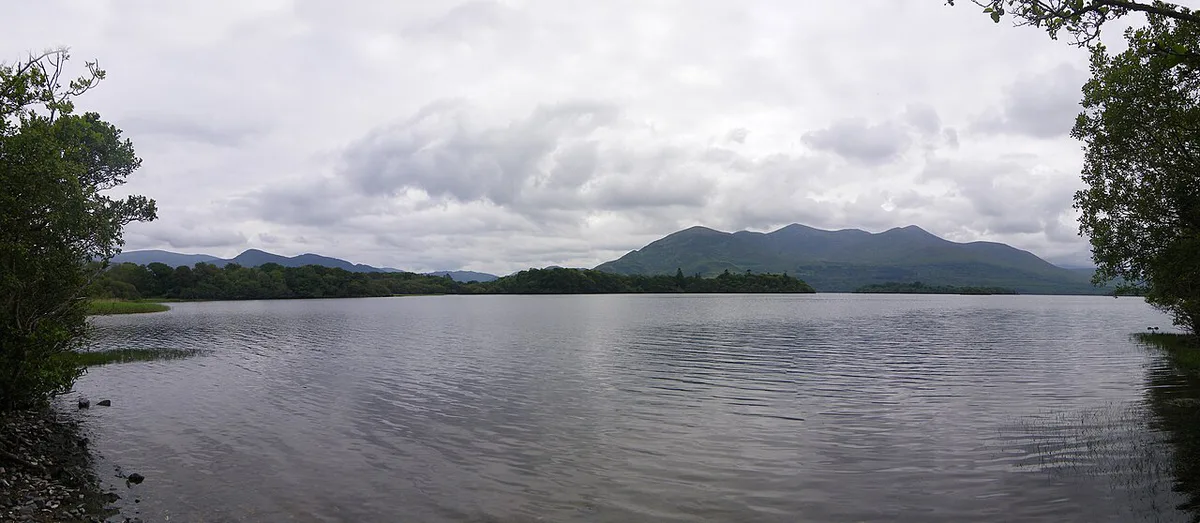
Not every lough is a freshwater lake. Lough Hyne is a tidal salt-water lake, and Strangford Lough in County Down connects to the sea through a strait about 700 metres wide. Sea loughs such as Carlingford Lough and Lough Swilly are inlets rather than lakes. Turloughs fill and drain with the seasons, so a visit may show only grassland. Poulaphouca Reservoir in Wicklow is man-made and covers about 20 square kilometres. Treat each type differently when you plan swimming, boating or photography.
Best time to visit and getting around
May to September gives the longest daylight and the mildest weather, and it is also peak season at Killarney and Glendalough. Autumn and winter bring quieter shores but fewer boat services, so check seasonal operators before you travel. Ross Castle at Killarney is reported open outside winter. Irish Rail serves Killarney town and Athlone, as listed on Irish Rail. For rural lakes like Doo Lough, Gougane Barra and Lough Hyne, a car is far easier. Discover Ireland lists regional tourism offices for current local advice.
A sample 3-day lakes route in the southwest
This route chains three areas from Kerry into West Cork. Check a map for current drive times between each hop, since road conditions change.
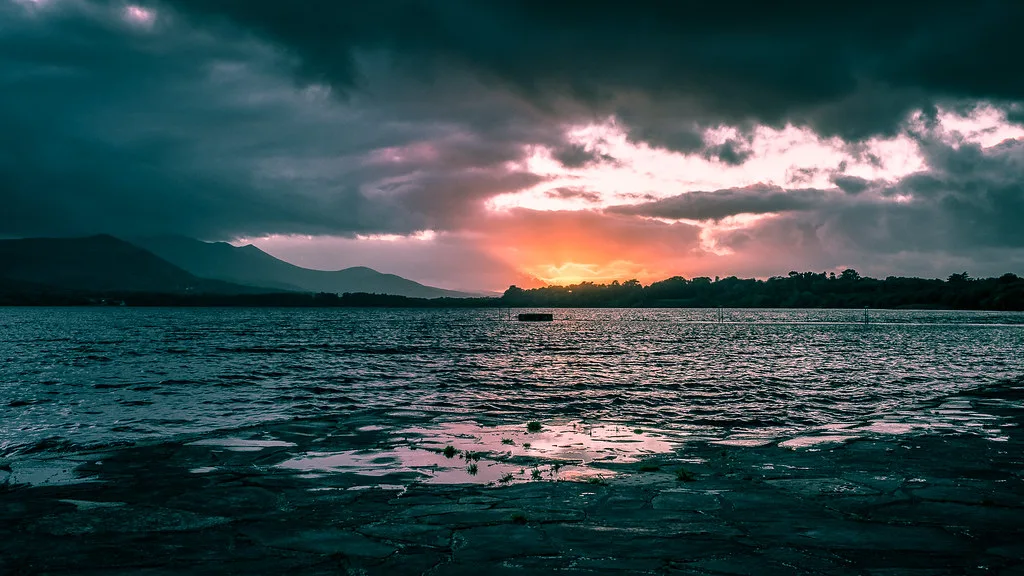
- Day 1: Killarney. Walk to Meeting of the Waters and Ross Castle, then take a boat on Lough Leane.
- Day 2: West Cork. Visit Gougane Barra in the morning and Lough Hyne later, with a swim if conditions are safe.
- Day 3: Killarney again. Walk the Gap of Dunloe or the Muckross Lake shore before you leave.
Mistakes to avoid when visiting Irish lakes
A few planning errors cost visitors time at almost every lough.
- Treating Killarney as one lake: it is three, and each needs a separate stop.
- Expecting a swimming beach at every lough: most are not set up for it.
- Assuming Northern Ireland works like the Republic: the currency is sterling there and euro in the Republic, so check access rules locally.
- Skipping hub towns: Oughterard, Enniskillen and Athlone hold the boat hire, ghillies and advice.
- Confusing similarly named lakes: Doo Lough and Lough Derg each exist twice, so confirm the county.
Plan lake regions, not cross-country hops
Ireland’s lake highlights are spread widely, so build an itinerary around one region instead of chasing every large lough. In Kerry, the three Lakes of Killarney work well with West Cork’s Gougane Barra and Lough Hyne. Allow at least 1–2 hours at Gougane Barra before continuing south.
In the west, pair Lough Corrib, which stretches roughly 50 kilometres, with Doo Lough on a Connemara and Mayo driving loop. In the northwest, Lough Gill and Lough Eske make a quieter Sligo and Donegal combination. Gill covers about 13.8 square kilometres, while Eske covers about 3.8 square kilometres, so both suit a half-day rather than a multi-day cruise.
For water-based trips, choose one hub: Athlone for Lough Ree and the Shannon, or Enniskillen for Upper and Lower Lough Erne. Wicklow’s Lough Tay and Glendalough are best treated as a separate mountain day. Check a map for current drive times between every hop, especially on rural roads.
More lake guides across Europe
Frequently Asked Questions
What is the biggest lake in Ireland?
Lough Neagh is the biggest, at about 396 square kilometres (153 square miles). It lies in Northern Ireland. Lough Corrib, at about 176 square kilometres, is the biggest in the Republic.
What are the 10 biggest lakes in Ireland?
Neagh, Corrib and Derg are the top three by area. Lower Lough Erne, Lough Ree and Lough Mask follow. Lough Conn, Lough Allen, Upper Lough Erne and Lough Melvin complete the ten.
What do Irish people call lakes?
They say lough, from the Irish word loch, pronounced like the Scottish loch. Lough also names some sea inlets, such as Strangford Lough, so the word does not always mean fresh water.
Explore More Guides
Keep planning your trip with these guides.
Guides
- Lakes of Killarney: Which to See and How (Guide)
- Lough Corrib Guide
- Lough Derg, Donegal
- Lough Erne Travel Guide
- Lough Neagh: Visiting Ireland's Largest Lake Today
- Lough Gill, Sligo
- Lough Tay (Guinness Lake)
- Gougane Barra Guide
- Lough Hyne, West Cork
- Doo Lough: Mayo's Glacial Lake, Famine Memorial and Valley Drive
- Lough Eske, Donegal
- Lough Ree Guide
Notes for your next lake trip
Optional updates to our lake guides.