
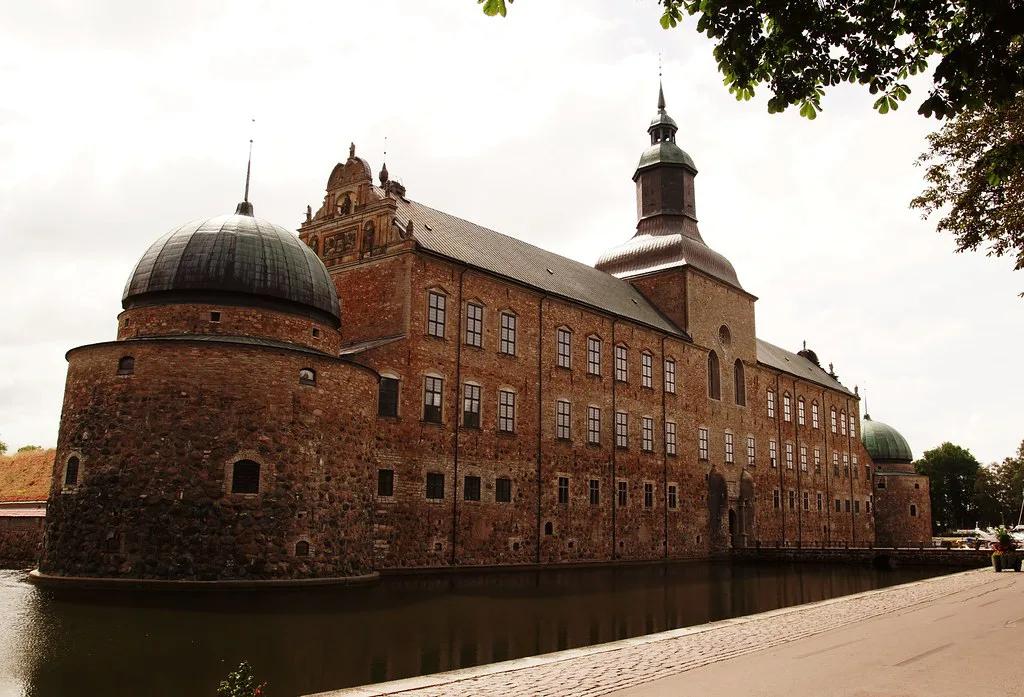
Lake Vättern, Sweden: Things to Do, Getting There and Where to Stay
Plan a trip to Lake Vättern in Sweden: what to do, how to get around, when to go and which lakeside town to base yourself in.
On this page
Last updated November 2026: lake vattern, written Vättern in Swedish, is a long, cold, clear lake in southern Sweden, and only Vänern is bigger. A visit is about lakeside towns such as Vadstena, Gränna and Jönköping, plus the ferry to Visingsö island. It suits slow summer trips between small towns, and it suits you less if you want mountains or empty wilderness, so compare it with our guide to Swedish lakes.
Featured image: Cederskjold Photo, CC BY-SA 2.0, via Flickr.
Lake Vättern at a glance
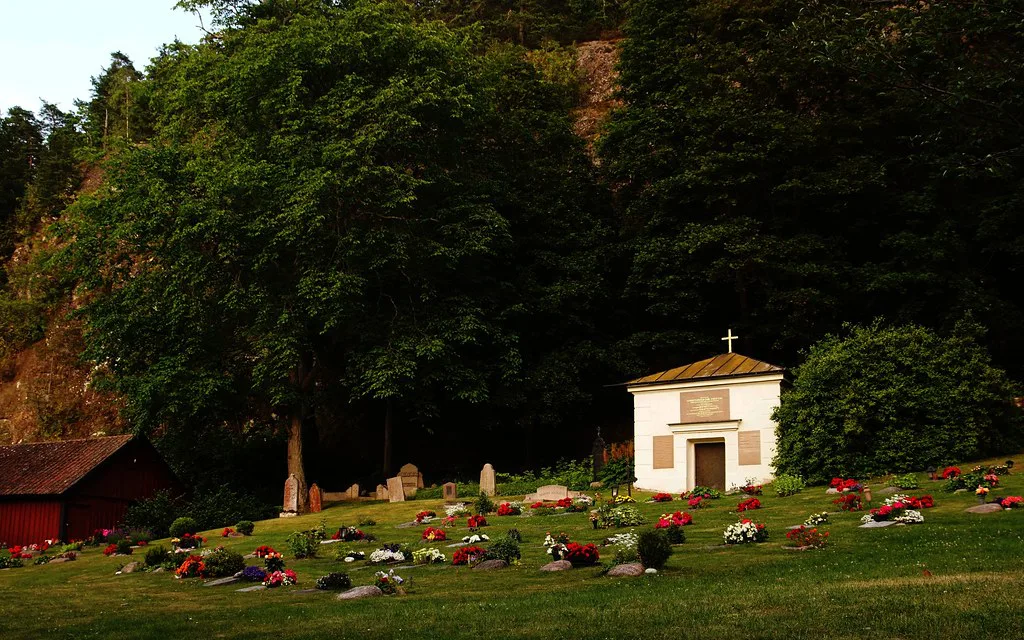
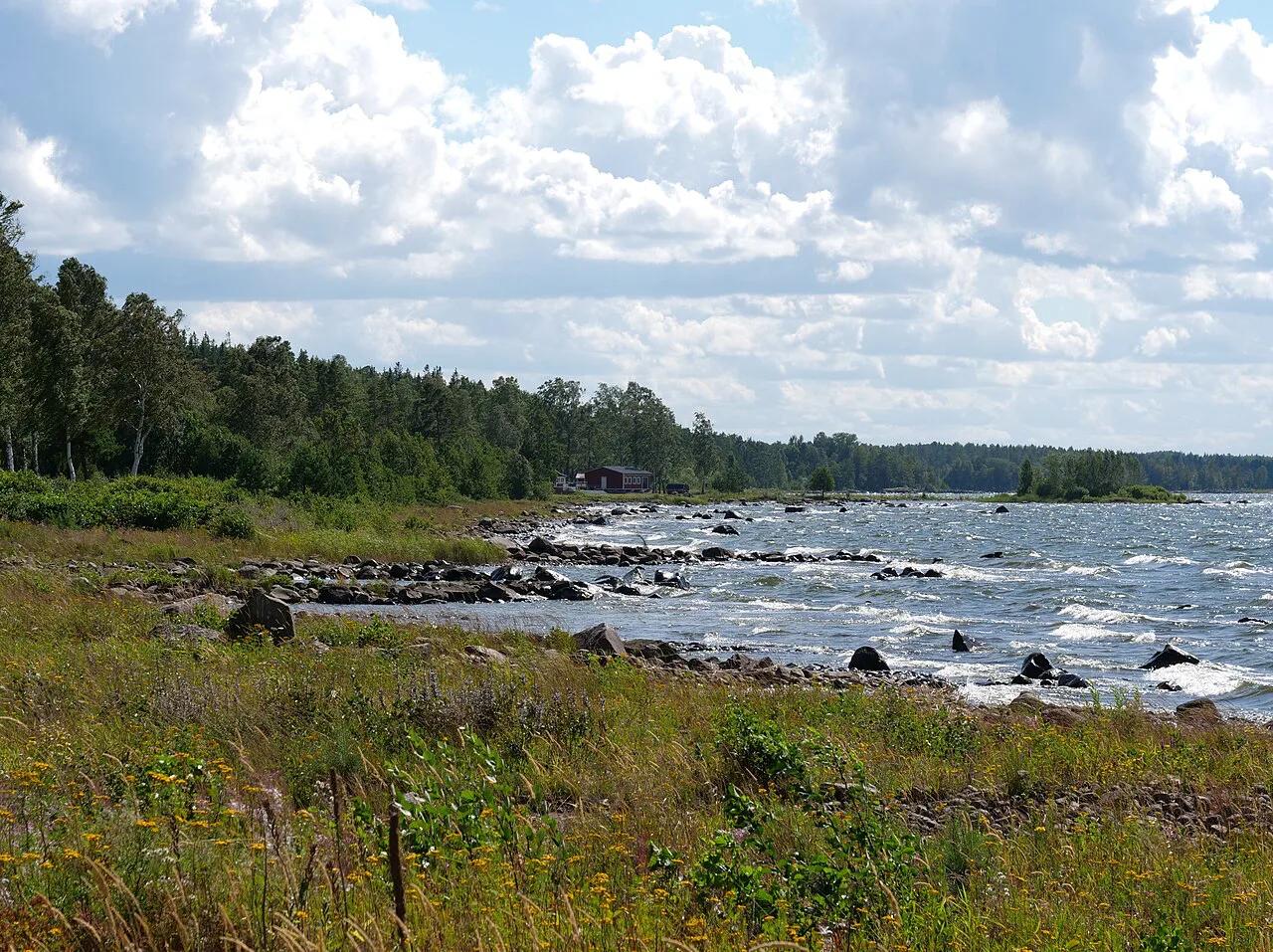
Vättern is the English-language spelling many travelers type as Vattern. It is a big, deep, cold lake, and the main visits are to the towns along its shore rather than to one single viewpoint. Plan around the towns, the island and the season.
- Country: Sweden, in the south of the country.
- Size: Sweden's second-largest lake, after Vänern.
- Water: cold and clear, which shapes swimming and paddling plans.
- Shoreline towns: Vadstena, Gränna and Jönköping.
- Island: Visingsö, reached by ferry from Gränna.
Best things to do at Lake Vättern
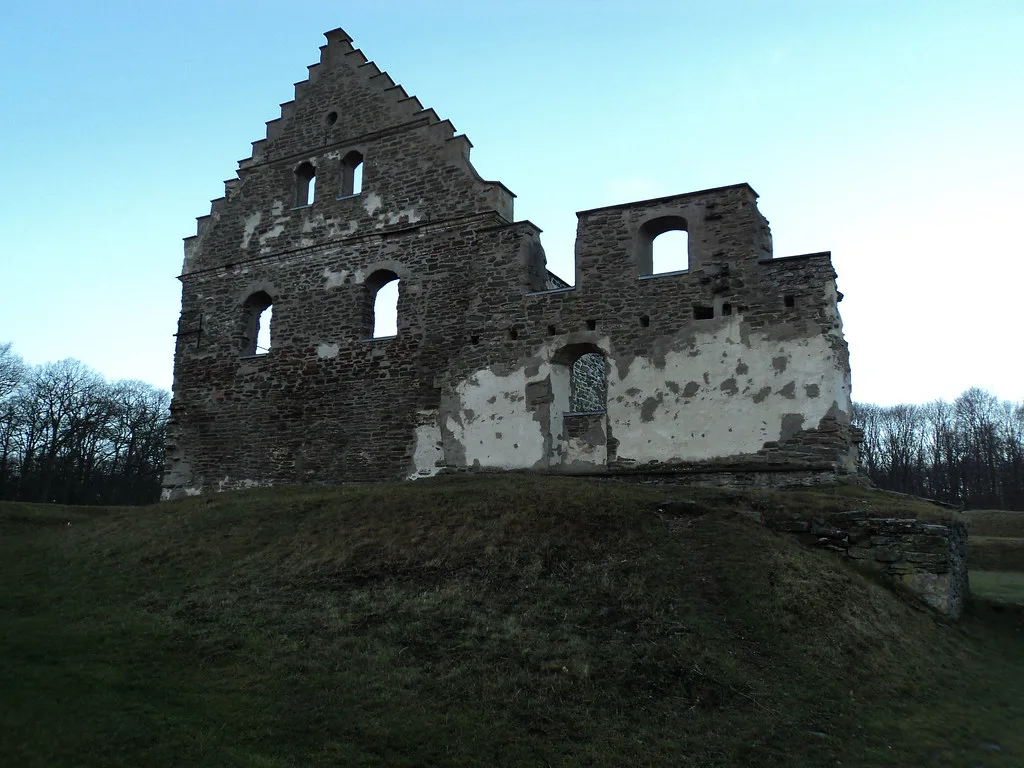
Most visitors group their days by town. Summer gives you the widest choice, because swimming, paddling and island trips all depend on warm, settled weather. Outside summer, town sights carry the trip.
- Lakeside towns: Vadstena is known for its castle and abbey, so it suits history-minded travelers.
- Sweets and island trip: Gränna is known for polkagris candy, and the Visingsö ferry leaves from here.
- City stop: Jönköping gives you a larger town with more places to eat and sleep.
- Swimming: the water is cold, so expect short dips rather than long swims, and keep to summer.
- Paddling and boating: choose calm days, because a large lake can change quickly in wind.
- Fishing: permit and licence rules differ by water, so check the local Swedish rules before you cast.
- Cycling and walking: shoreline routes link the towns, but check route names with each local tourist office.
How to plan your time at Lake Vättern
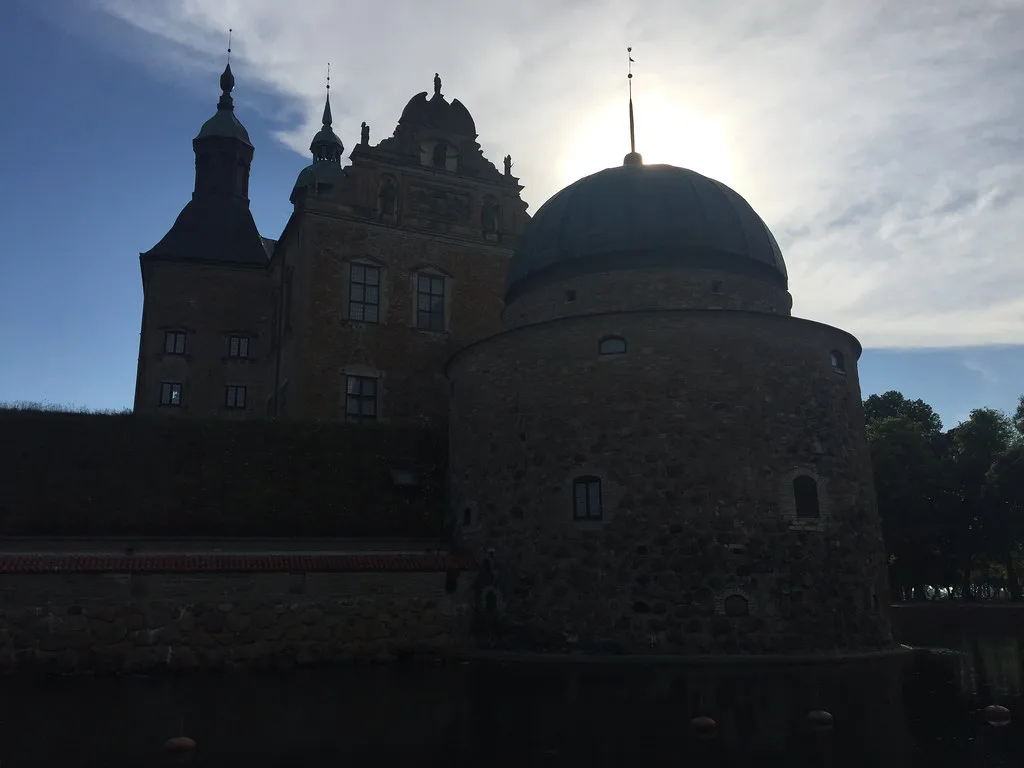
A day trip works if you pick one town and one sight. Vadstena for the castle and abbey, or Gränna for polkagris and the Visingsö ferry, each fills a day. A weekend lets you pair two towns without rushing. Circling the whole lake needs a car or careful rail and bus planning, and it rewards you only if you want several towns rather than one long stay.
- Day trip: one town, one sight, one meal.
- Weekend: two towns, or one town plus Visingsö.
- Longer: stay in one base and make short hops, or move town to town by car.
Which lakeside town to base yourself in
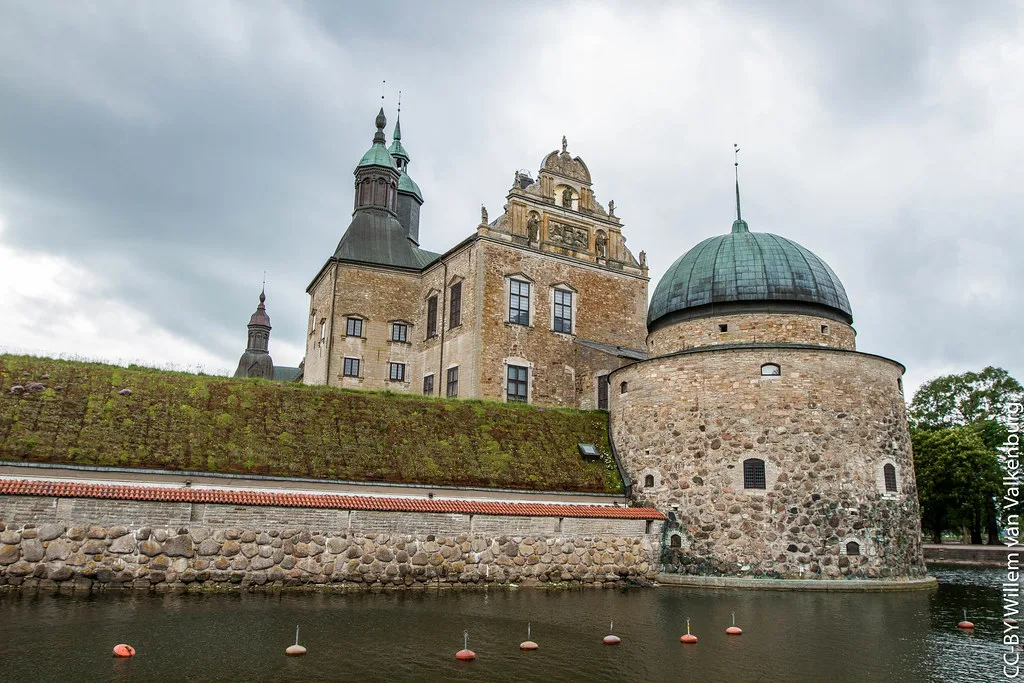
Pick the base by the kind of trip you want. Our editorial assessment is below, and it avoids transport promises we cannot source.
| Base | Character | Best for | Skip it if |
|---|---|---|---|
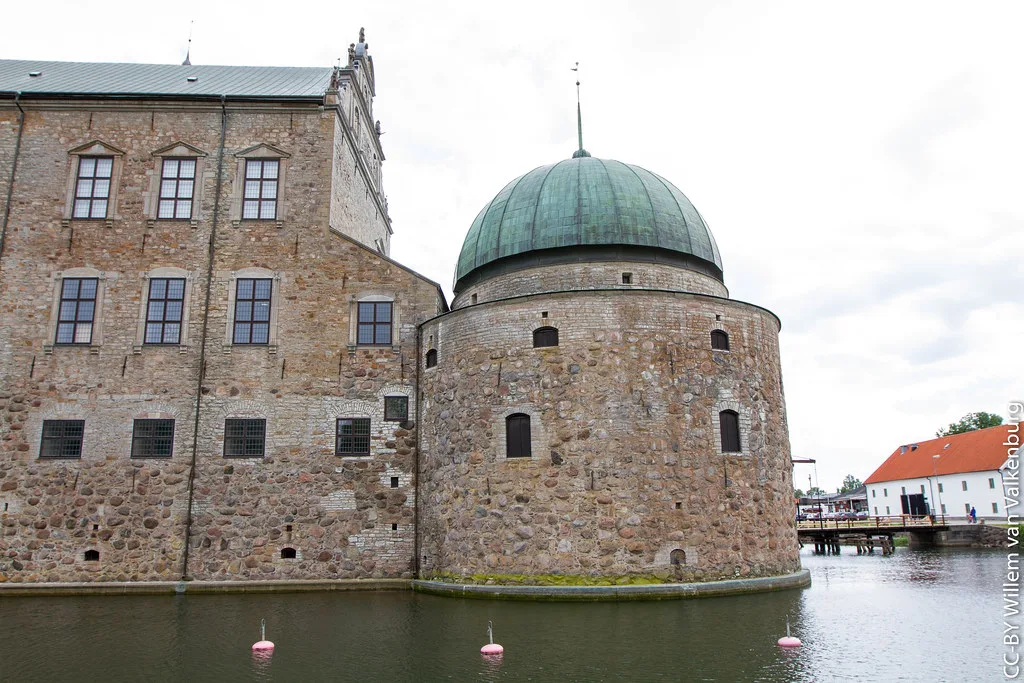
| Vadstena | Castle and abbey town | History and slow walks | You want a lively evening scene |
| Gränna | Small town known for polkagris | Sweets, easy lake views, Visingsö ferry | You want big-city services |
| Jönköping | Larger town on the lake | Practical base with more choice | You want a quiet village feel |
| Visingsö | Island reached by ferry | Quiet, slow days away from the mainland | You are short on time |
Costs, access and opening hours
Public shoreline and swimming spots cost nothing, while boat trips, museums, rentals and fishing permits are paid. Ferries and attractions run on seasonal timetables, so read each operator's current page before you plan a day around one.
Where to stay and how to get around
Trains and buses link the larger towns, but the two shores have different service patterns. Check the national and regional operators' timetables, or hire a car if you want to string several towns together.
- No car: stay in one town and use local buses or a bike.
- With a car: circle the lake and stop in two or three towns.
- On the island: take the Visingsö ferry and explore by bike or on foot.
Lake Vättern vs Vänern, Mälaren and Siljan
Vänern is Sweden's largest lake, and our Lake Vänern guide covers it. Mälaren is the better choice if you want to stay close to the capital region, and our Mälaren guide explains why. Siljan suits a countryside trip with a different feel, and you can read about it in our Lake Siljan guide. Choose Vättern for lakeside towns, a castle and abbey, and an island day. Readers comparing big Nordic lakes can also look at Norway's Lake Mjøsa.
Mistakes to avoid and who should skip it
Do not plan a swim-heavy trip outside summer, because the lake is cold and clear but not warm. Do not trust a ferry or museum schedule you have not checked for your dates. Avoid treating the lake as one compact sight, since the towns sit far apart. Skip Vättern if you want mountains or a fast, single-stop attraction. Wild camping and public access rules are set by Swedish authorities, so read Naturvårdsverket's current guidance before you pitch a tent. For more options, browse our Scandinavian lakes guide.
- Mistake: planning a swim-heavy trip in shoulder season.
- Mistake: assuming ferries and attractions run all year.
- Mistake: trying to see every town in one day.
- Skip it if: you want big mountains or a single headline sight.
Notes for your next lake trip
Optional updates to our lake guides.
You might also like
Continue reading
More guides you'll find useful