
Lake Mjøsa, Norway: Towns, Cycling and How to Visit
Norway's largest lake: key facts, which shore town to base in (Hamar, Gjøvik or Lillehammer), the 299 km cycle loop and the Skibladner paddle steamer.
On this page
Last updated November 2026. Lake Mjosa (Mjøsa) is Norway's largest lake, and Hamar, Gjøvik and Lillehammer sit on its shores. It covers about 369 km² in Innlandet, so you see it in pieces rather than from one viewpoint. This guide covers where to stay, how to get there from Oslo and the best ways to experience it. For other lakes in the region, see our guide to Scandinavian lakes.
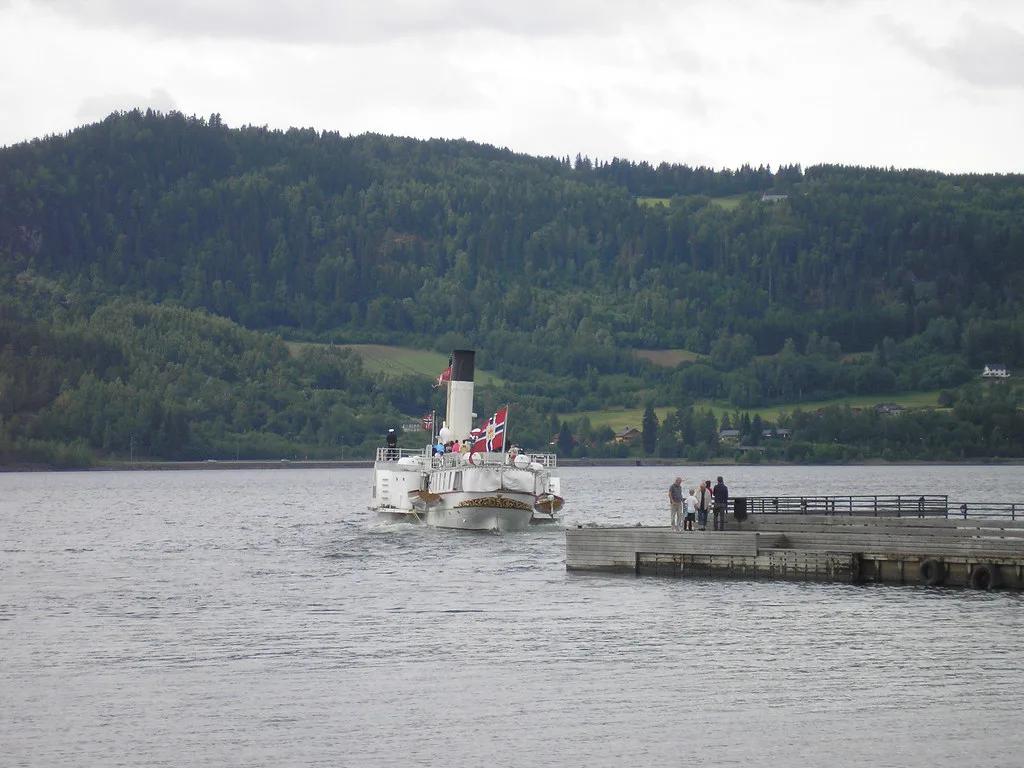
Featured image: Scarygami, CC BY-SA 2.0, via Flickr.
Mjøsa at a Glance
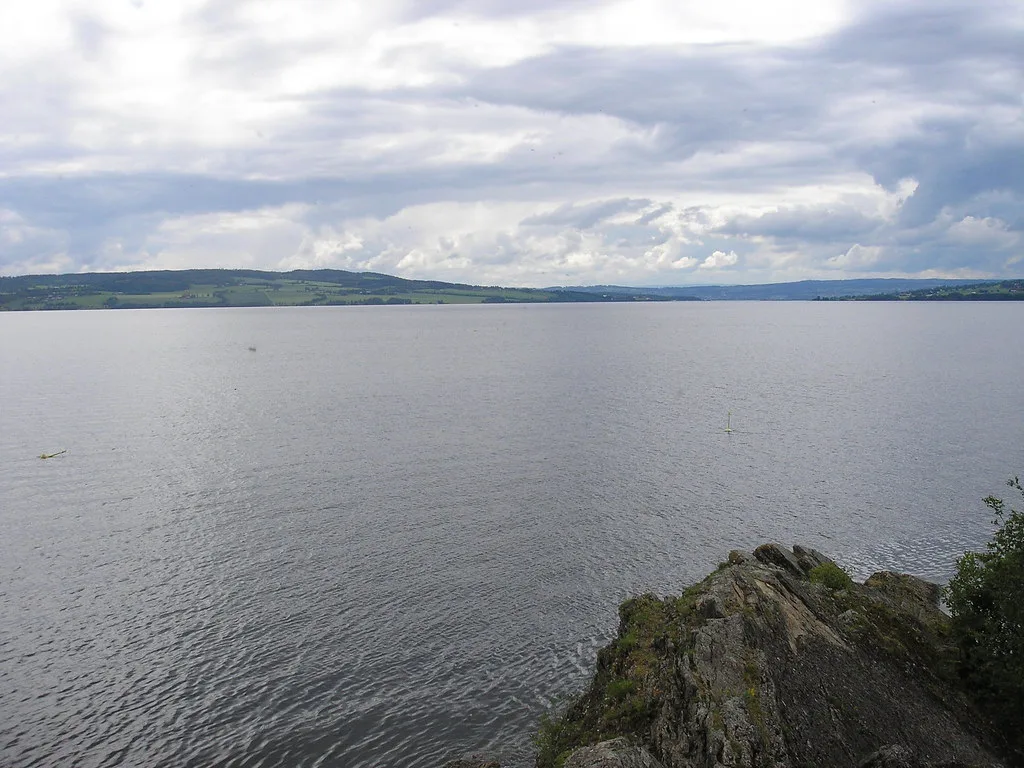
Mjøsa is Norway's largest lake at roughly 369 km², well ahead of Røssvatnet at 219 km² and Femunden at 203 km². It is about 117 km long and lies 122 m above sea level. Its maximum depth of 449 m makes it the fourth deepest lake in Norway. Sources differ slightly on area, so treat these figures as approximate. Across the border, Sweden has its own giant in Lake Vänern in Sweden.
- Location: Norway, on the border of Innlandet and Akershus counties
- Area: about 369 km²
- Length: about 117 km
- Altitude: 122 m above sea level
- Maximum depth: 449 m (Hornindalsvatnet is deeper at 514 m)
- Shore towns: Hamar, Gjøvik and Lillehammer
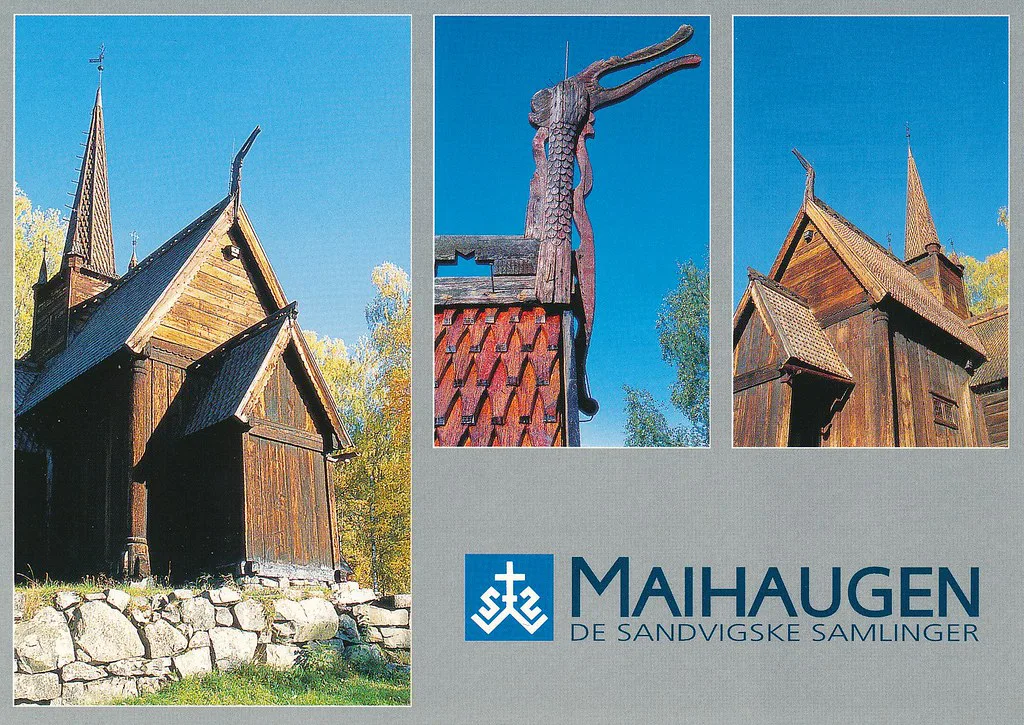
Where to Base Yourself: Hamar vs Gjøvik vs Lillehammer
Pick one shore town as your base and treat the rest of the lake as day-trip territory. All three towns sit on the water, so any of them puts you within reach of the shoreline. Choose by the kind of stay you want rather than by the lake view alone.
| Town | Best for | Trade-off |
|---|---|---|
| Lillehammer | First-time visitors who want a full town with the lake nearby | Most visitor-oriented, so expect more company in peak season |
| Hamar | A relaxed lakeside stop and cycling along the shore | Quieter choice for a short stay |
| Gjøvik | Travellers who want a lower-key base away from the best-known names | Fewer headline sights to build a trip around |
How to Get There from Oslo
Mjøsa is an overland trip from Oslo, not a flight. Trains from Oslo serve the shore towns, and Oslo Airport is the usual arrival point for international visitors. Journey times and fares change by season, so check Skibladner for its lake sailings and Vy for current train times. Book a base in advance if you want to travel in July.
Best Ways to See the Lake
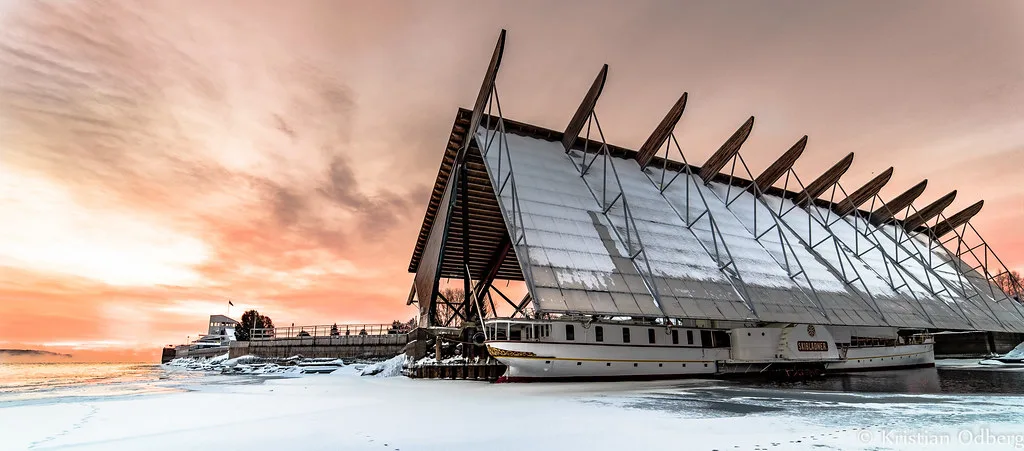
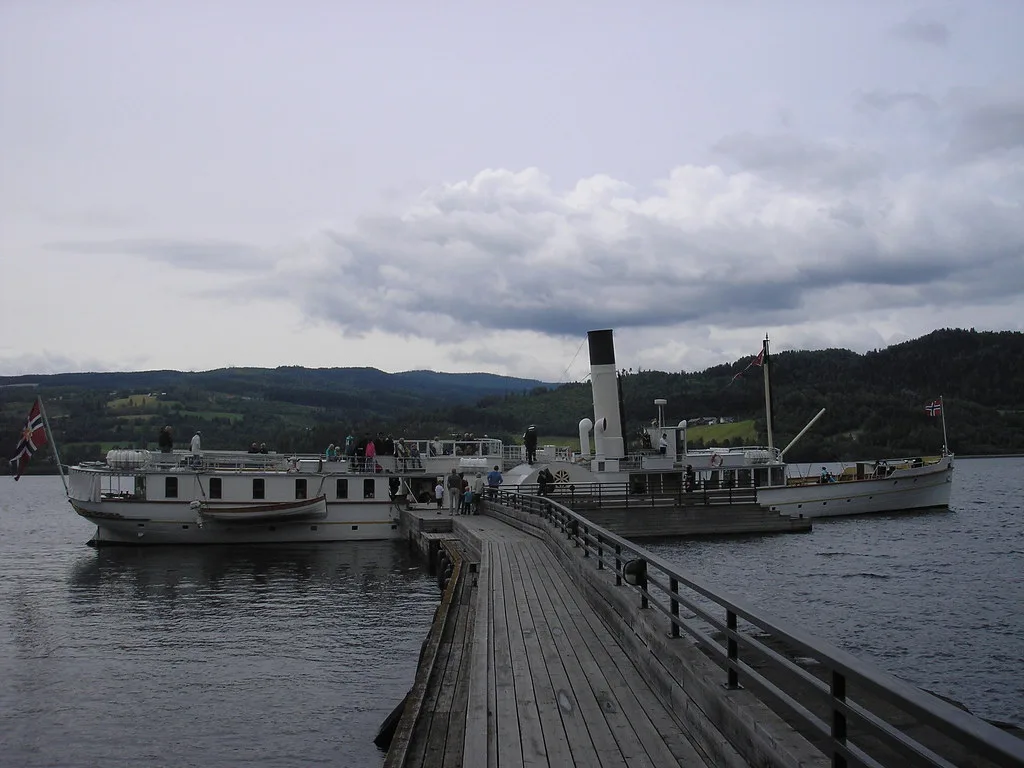
A 299 km cycle route runs around Mjøsa, so a full loop suits confident riders with several days to spare. Split it into one stage per shore town if you want short days. Shoreline walks around Hamar, Gjøvik and Lillehammer suit anyone who wants the lake without the saddle time. On the water, the historic paddle steamer Skibladner runs scheduled summer sailings; its official site lists the current timetable. A day trip can realistically cover one town, one shoreline walk and one lake crossing.
- Cycling: 299 km loop, best split across several days
- Walking: short shoreline routes from each town
- Boat: Skibladner paddle steamer in summer only
- Kayaking: many Norwegian rental firms ask for a våttkort certificate, though the law does not, so ask the operator when booking
When to Visit
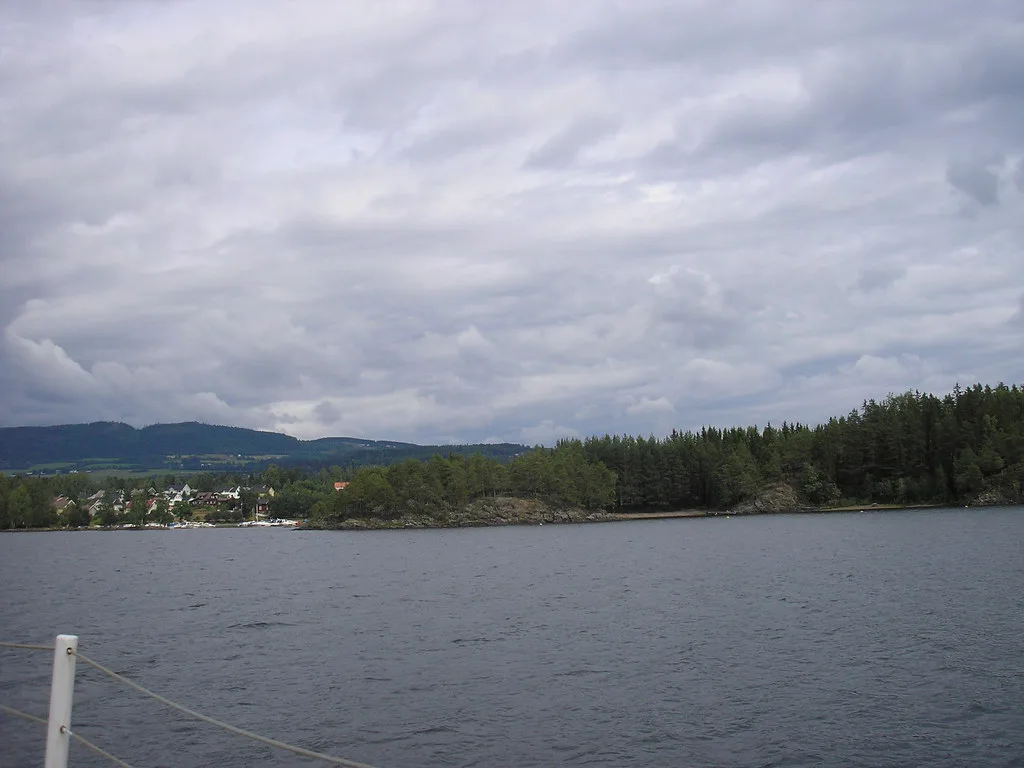
Summer is the easiest season, because the Skibladner sails and cycling conditions are at their best. Shoulder seasons suit walkers who want fewer people but may find some seasonal services closed. Winter turns the trip into a town break, with lake activities limited by ice and weather. Check each operator's season before you plan around it.
Costs and Planning Tips
Prices are in Norwegian kroner (NOK), and Norway sits at the expensive end of Scandinavian travel. Staying in one town and cycling the shore costs far less than hiring a car and changing hotels every night. Bringing your own bike beats renting one for a multi-day loop. For current fares, use the operator's own site.
- Mistake: treating Mjøsa as a single viewpoint. At 117 km long, it needs a base and a plan.
- Mistake: planning the full 299 km loop in a day or two.
- Mistake: assuming boats run all year. The Skibladner is a summer service.
- Mistake: booking a kayak without asking about certificate requirements.
Is Mjøsa Worth It? Who Should Skip It
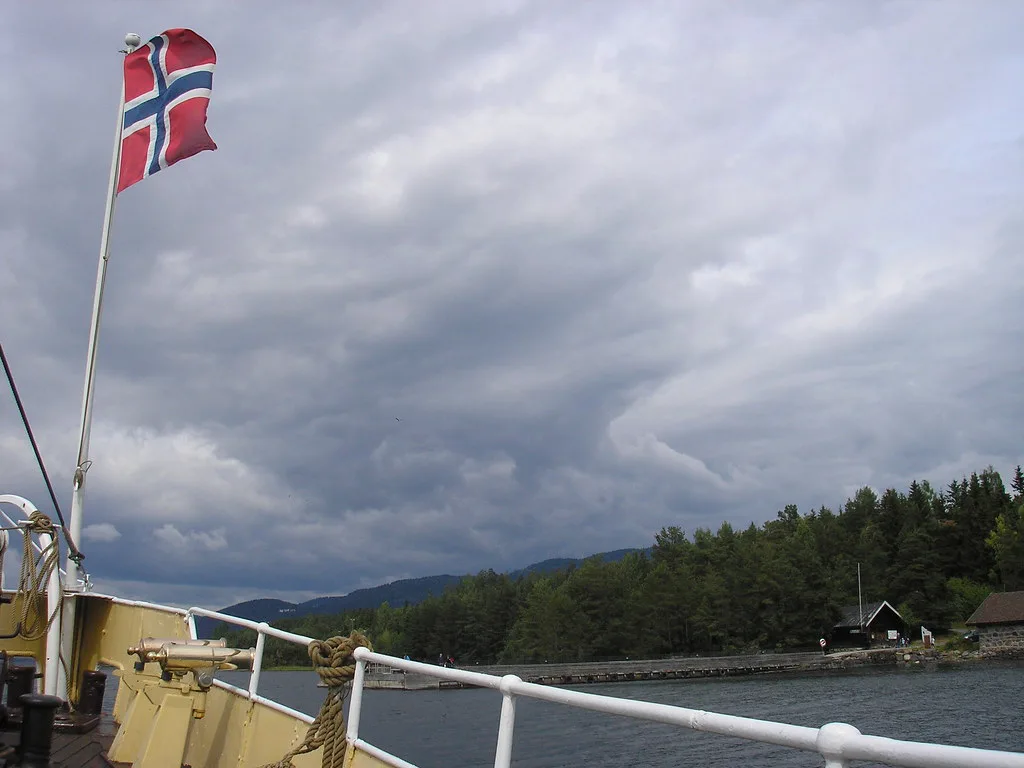
Go if you want a calm lake, a cycling route and a town base within reach of Oslo. Skip it if you want dramatic fjord scenery, since Norway's west coast delivers that better. It also fits poorly into a one- or two-day Oslo stopover. For more Norwegian water, see Lovatnet.
Plan the Lake as a Multi-Stop Trip
Mjøsa rewards a route plan more than a search for one signature viewpoint. The lake stretches about 117 km, while the signed cycling loop is about 299 km. That scale makes the three main shore towns useful natural stops rather than interchangeable places to tick off.
Base yourself in Hamar, Gjøvik or Lillehammer, then use your chosen town for a shoreline walk and a meal by the water. Treat a second town as a separate outing. A lake crossing on the Skibladner can add variety during its summer sailing season, but check the official timetable before building a day around it.
For cyclists, the 299 km loop is best approached as a multi-day ride. Carry only what you need for the day if you can arrange accommodation ahead. For non-cyclists, use the same principle at a slower pace: explore one shore section well, then move on. Trying to cover all 117 km in one day usually means spending more time in transit than beside the lake.
Notes for your next lake trip
Optional updates to our lake guides.