
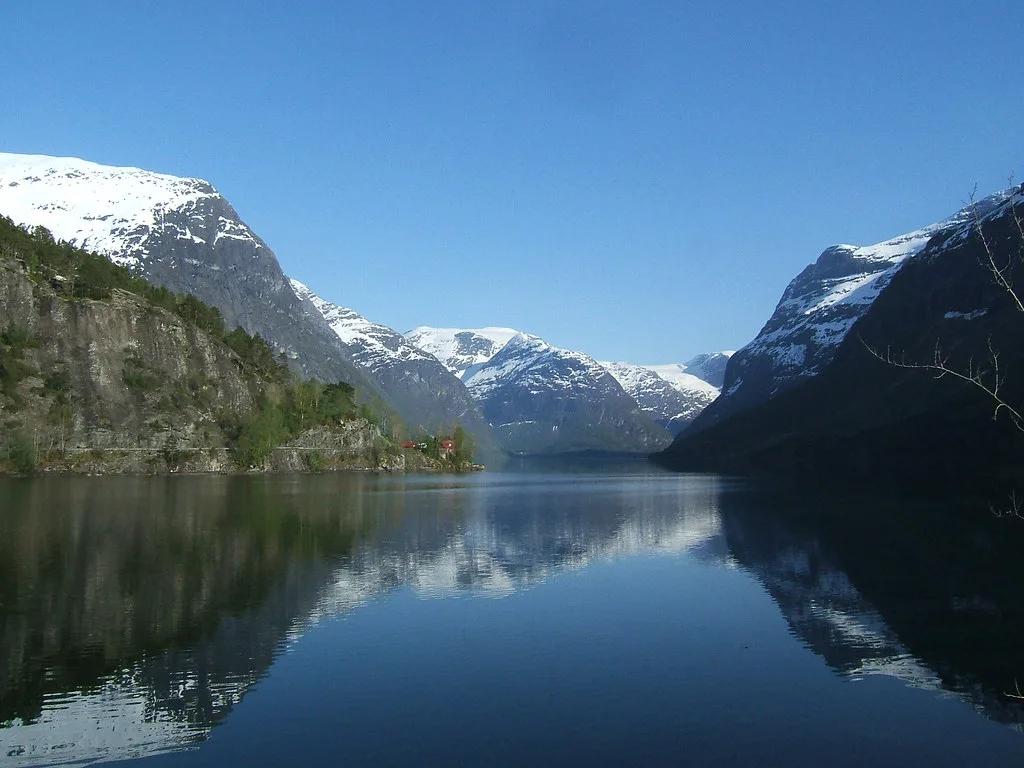
Lovatnet Lake Norway: How to Visit & What to Do
Planning a visit to Lovatnet near Loen in Stryn, Norway? Getting there, what to do, kayaking, the 1905/1936 landslide history and when to go.
On this page
Last updated November 2026: Lovatnet is a glacier-fed lake in Stryn Municipality, Vestland, Western Norway. Lovatnet is the Norwegian form of the name, and English maps may also show Lovatn. Quiet and scenic, it suits visitors based at Loen, Olden or Stryn who have their own transport or a plan, and it sits within our wider Scandinavian lake guide.
Featured image: LHOON, CC BY-SA 2.0, via Flickr.
Quick Answer: What Lovatnet Is and Who Should Go
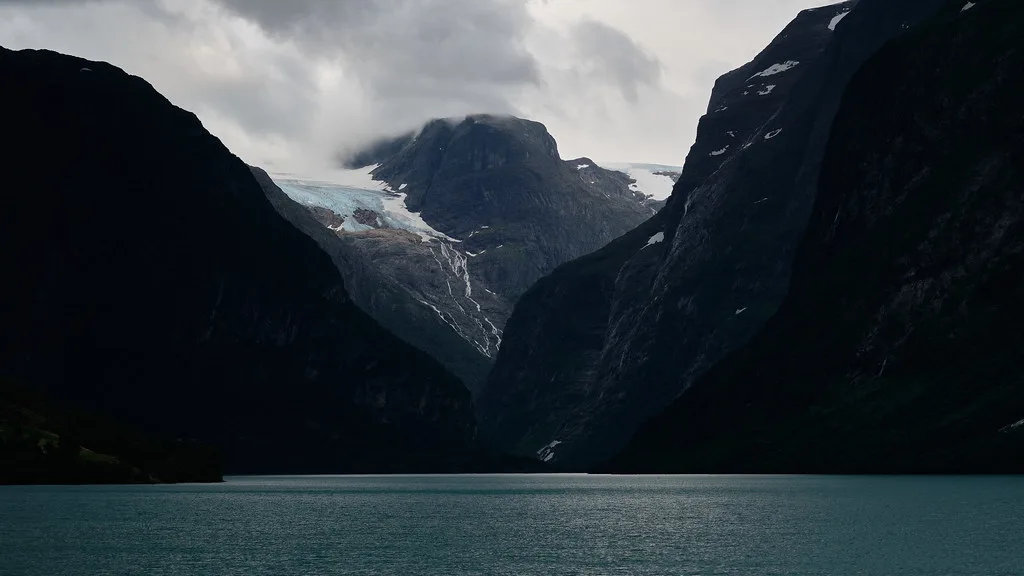
Lovatnet is a turquoise, glacier-tinted lake in the Nordfjord region, reached through the Lodalen valley from Loen. Pale meltwater gives the surface its colour, and snow-capped peaks frame the shoreline. Expect a narrow road, few facilities and far fewer people than at the big fjord viewpoints. Late spring and summer are the usual best months. Skip it if you have no car, only an hour of daylight, or want a lively resort scene.
- Best for: drivers, photographers and paddlers who want a quiet lake.
- Main trade-off: scenic and calm, but logistics need planning.
- Typical visit: 2–4 hours if you paddle, per listings for the area.
Where Lovatnet Is and How to Get There
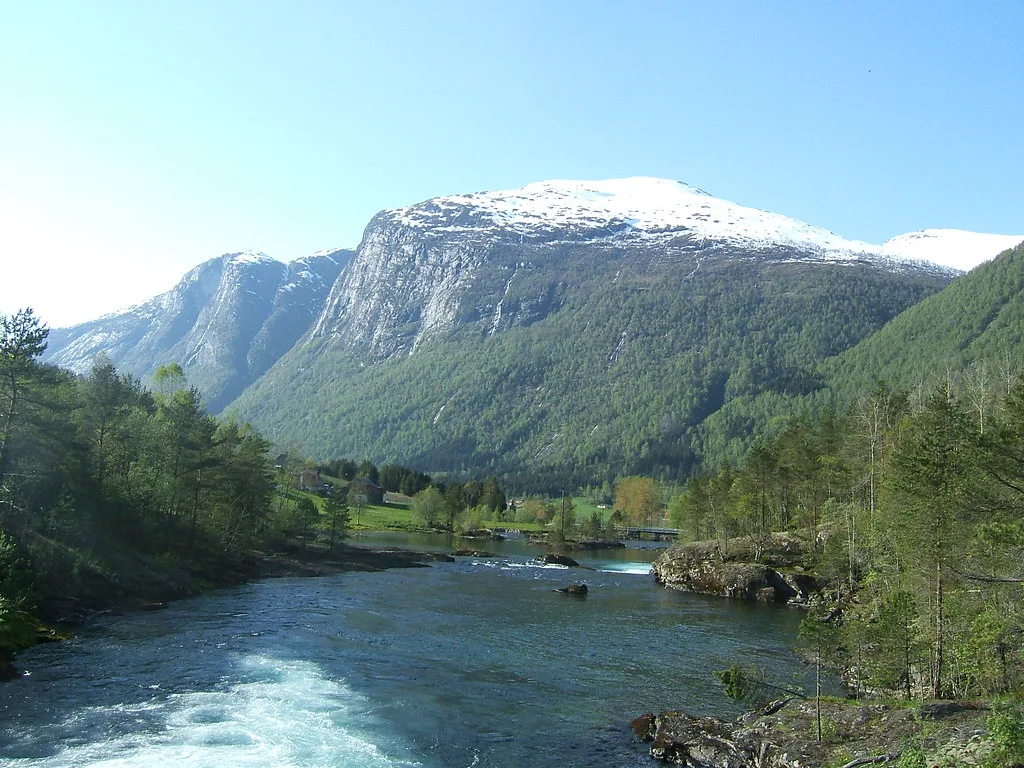
Lovatnet lies in Stryn Municipality, a short drive from Loen. Olden is the other common base for visitors. Driving is the simplest option because the lake is not served like a fjord-town attraction. Bus, taxi and guided-tour options exist in the region, but timetables and seasonal runs change, so check current services before you commit. The road along the lake is narrow, so drive slowly and expect to pull over for oncoming traffic. Statens vegvesen publishes current road status, closures and any tolls. Confirm parking and fuel stops there before you set out.
- Mistake: assuming summer conditions apply in spring or autumn.
- Mistake: arriving with low fuel or no card for parking or tolls.
- Mistake: expecting Olden tours to visit the lake itself.
- Mistake: ignoring fast weather changes near the glacier.
Things to Do at Lovatnet
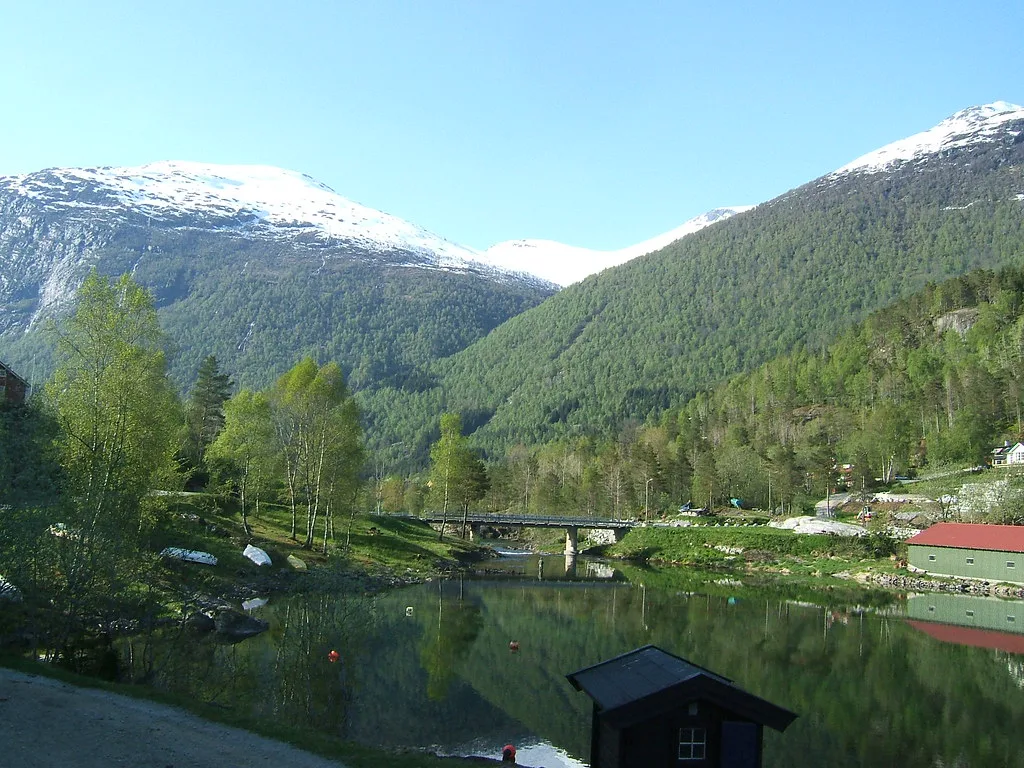
Start with the scenic drive, which gives the best views of the turquoise water. Pull-outs and short shoreline walks suit anyone with limited time. Kayaking and stand-up paddleboarding suit confident paddlers, and kayak rentals are listed for the area. Fishing is another draw, with trout reported in the lake. Photographers do best in early morning or late afternoon, when the light is softer and the road is quieter. Bring water, layers and a camera, because there are few services along the shore.
Lovatnet with Ramnefjellsfossen, Kjenndalen and the Glacier Arm
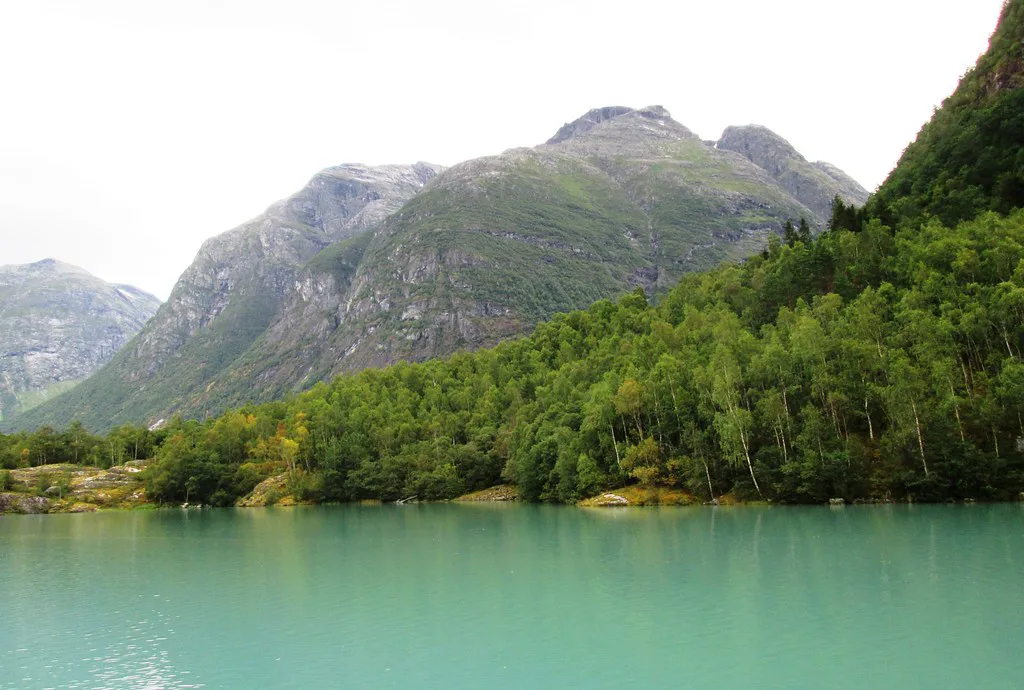
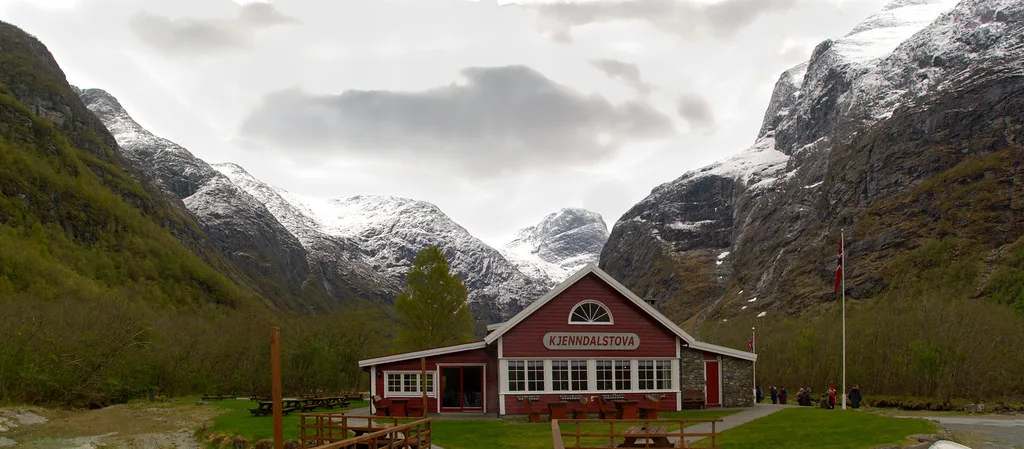
Many visitors pair the lake with nearby sights in one loop. Ramnefjellsfossen is a waterfall with a moderate hike listed at 1.5–2 hours, and it looks down on the lake. Kjenndalen leads toward Kjenndalsbreen, an arm of Jostedalsbreen, the large glacier system above the valley. Øvstefossen is another waterfall in the same part of Stryn. None of these is at the lake shore itself, so plan transfers between them. Summer meltwater makes the waterfalls strongest in late spring and summer.
Pairing the lake with the Ramnefjellsfossen hike, listed at 1.5–2 hours, stretches a paddle visit of 2–4 hours into a longer outing.
| Stop | Effort | Best weather | Notes |
|---|---|---|---|
| Lovatnet | Low; drive and short walks | Dry, clear days | Free to visit; paddling adds time |
| Ramnefjellsfossen | Moderate hike | Late spring to summer | Strongest with glacier meltwater |
| Kjenndalen and Kjenndalsbreen | Moderate; glacier-arm views | Late spring to early autumn | Slippery ice; stay off the ice without a guide |
| Olden | Low; town stop | Any season | Cruise port; base for tours and rentals |
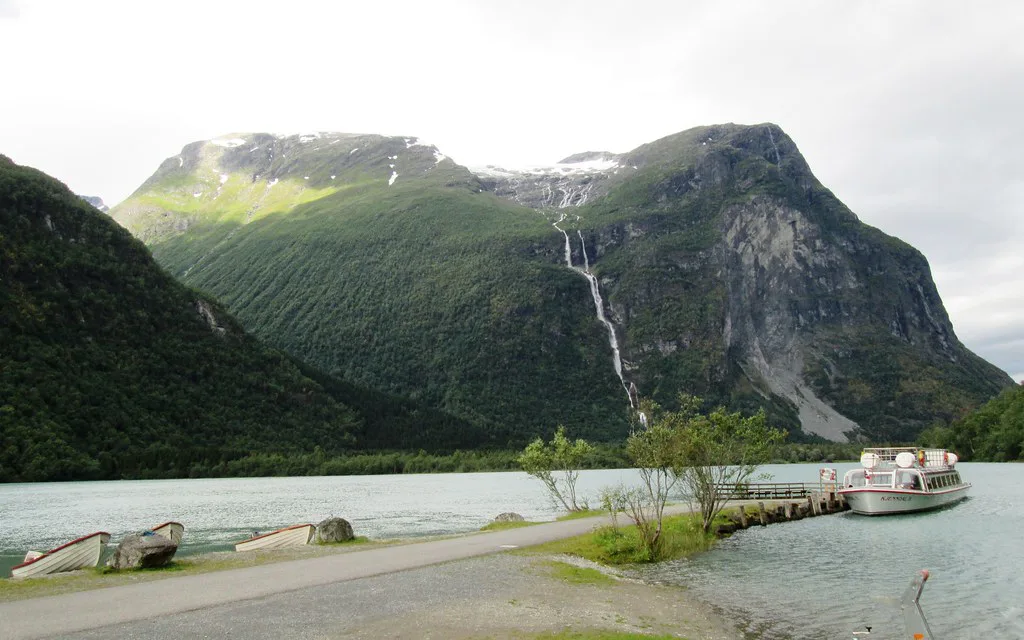
History and Safety: The 1905 and 1936 Landslide Tsunamis
Lovatnet carries a sombre history. Rockslides from the mountainside into the water in 1905 and 1936 created large waves, often called mountain tsunamis. They struck shoreline settlements and shaped how people live around the lake. Visit with respect, and check local information boards for memorials and current hazard notes. For the official record and monitoring, consult NVE or the Geological Survey of Norway. This history is also why you should treat slopes and cold water seriously. Swimming and paddling suit only prepared visitors, and local rules should come first.
Best Time to Visit Lovatnet
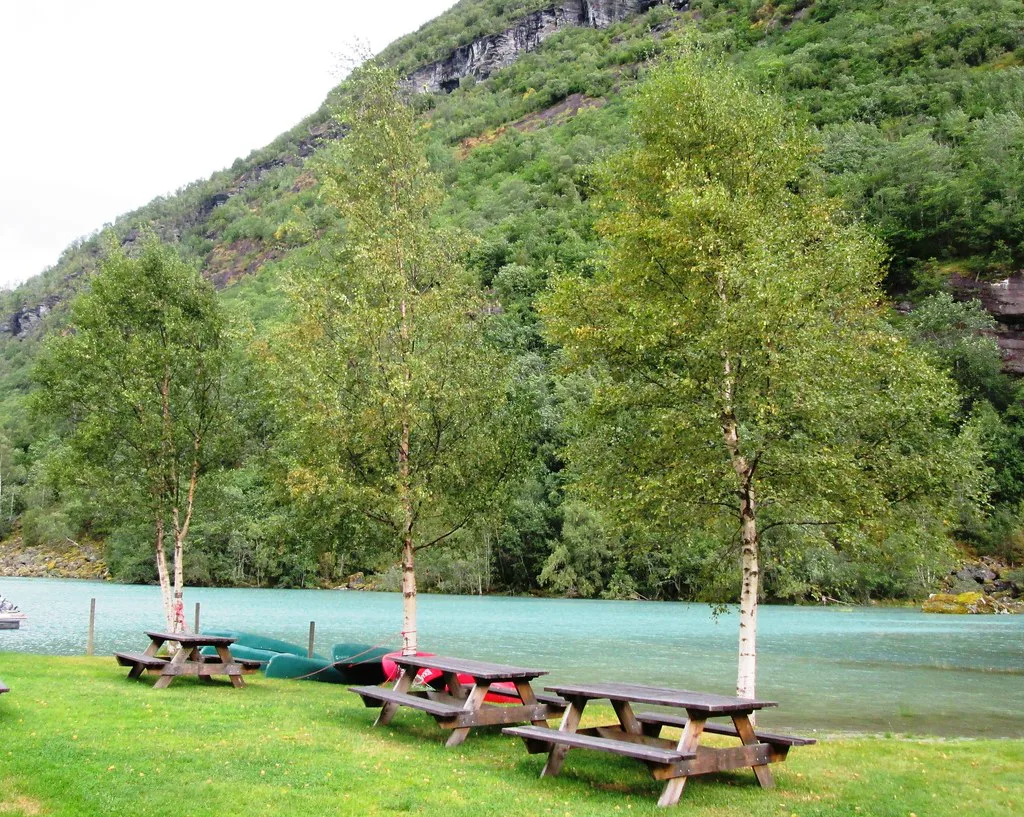
Late spring and summer are the main season. Meltwater is high, the waterfalls run strongly and the lake colour is at its most vivid. Winter can be beautiful, with frozen water reported by visitors. Roads, ice and avalanche risk then need checking through current local conditions, and yr.no gives the forecast.
| Season | Access and water | Crowds and light |
|---|---|---|
| Late spring | Good meltwater; check road and trail status | Quiet; lengthening days |
| Summer | Best access and paddling | Busiest, still calmer than main fjord stops |
| Autumn | Cooler, fewer services | Quiet; shorter days |
| Winter | Road, ice and avalanche caveats | Very quiet; short daylight |
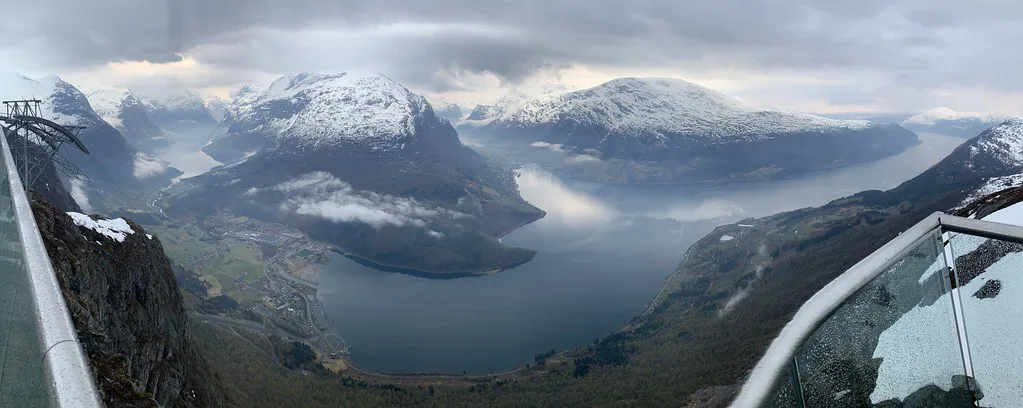
Costs and Booking Realities
Visiting the lake is free. Money goes on parking or tolls if they apply, fuel, kayak or paddleboard rental, guided tours and accommodation. Prices are set locally in NOK and change by season, so check operators directly. A budget visit means a self-drive with a picnic and a few walks. A mid-range plan adds a rental or a short guided activity. A splurge trip adds a guided glacier outing and a lakeside or fjord-view stay.
Where to Stay: Loen, Olden or Stryn
Loen is the closest base, with the shortest drive into the Lodalen valley. Olden offers more tour and rental options but can feel busy when cruise ships dock. Stryn has the widest range of services and suits longer stays. Check lakeside camping or cabins directly with local providers, because availability varies.
Is Lovatnet Worth It? Decision Guide
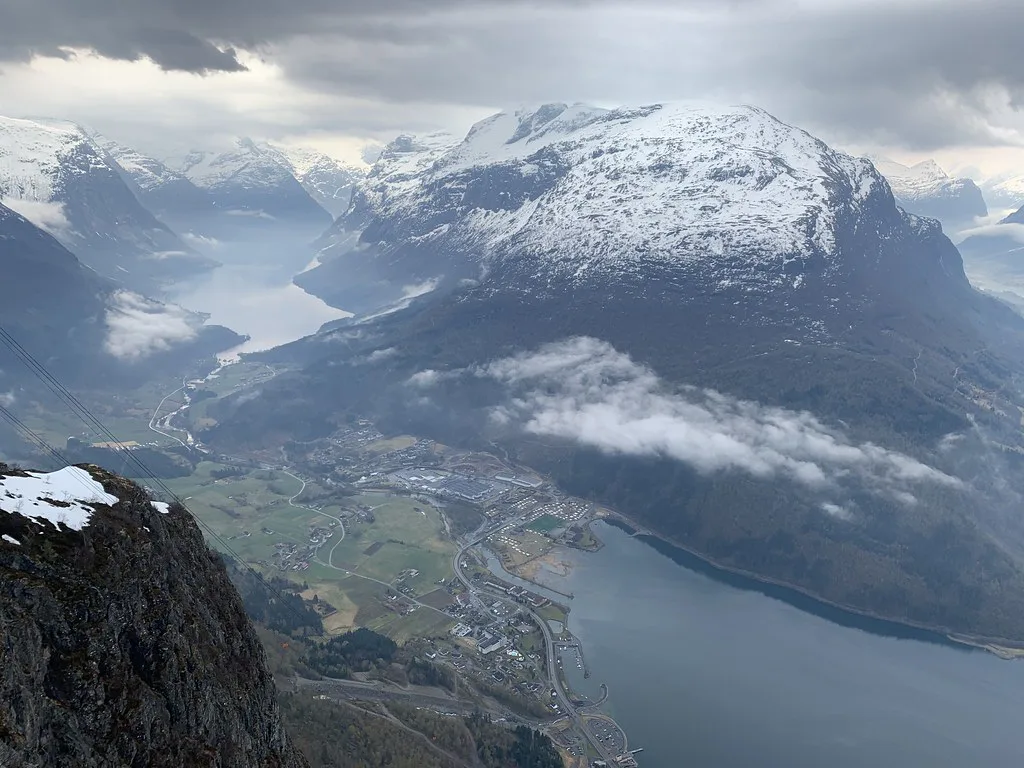
Match the lake to your trip style before you commit.
- Short fjord stop: worth it only if you have a car and a few hours. Skip it if you are on a tight cruise schedule.
- First-time Norway visitor: yes, paired with Ramnefjellsfossen. Skip it if you want guided convenience.
- Photographer: yes, early or late in the day. Skip it in flat midday light.
- Paddler: yes, in calm summer weather. Skip it if wind or cold water worry you.
- Rainy day: a scenic drive works, but views suffer. Skip the hikes in poor visibility.
Lovatnet Compared with Other Scandinavian Lakes
Lovatnet is a steep, glacier-fed fjord-country lake, not a broad flatland one. For an easier, larger Norwegian option, see our Mjøsa guide. Readers weighing other countries can compare Swedish lakes and Finnish lakes, which are generally broader and gentler. Iceland offers a volcanic contrast at Þingvallavatn.
Notes for your next lake trip
Optional updates to our lake guides.