Lake Geneva France: French Shore Guide and Border Tips
Which part of Lake Geneva is in France? Évian, Thonon and Yvoire, how to get there from Geneva or Lausanne, ferry options and what to skip.
On this page
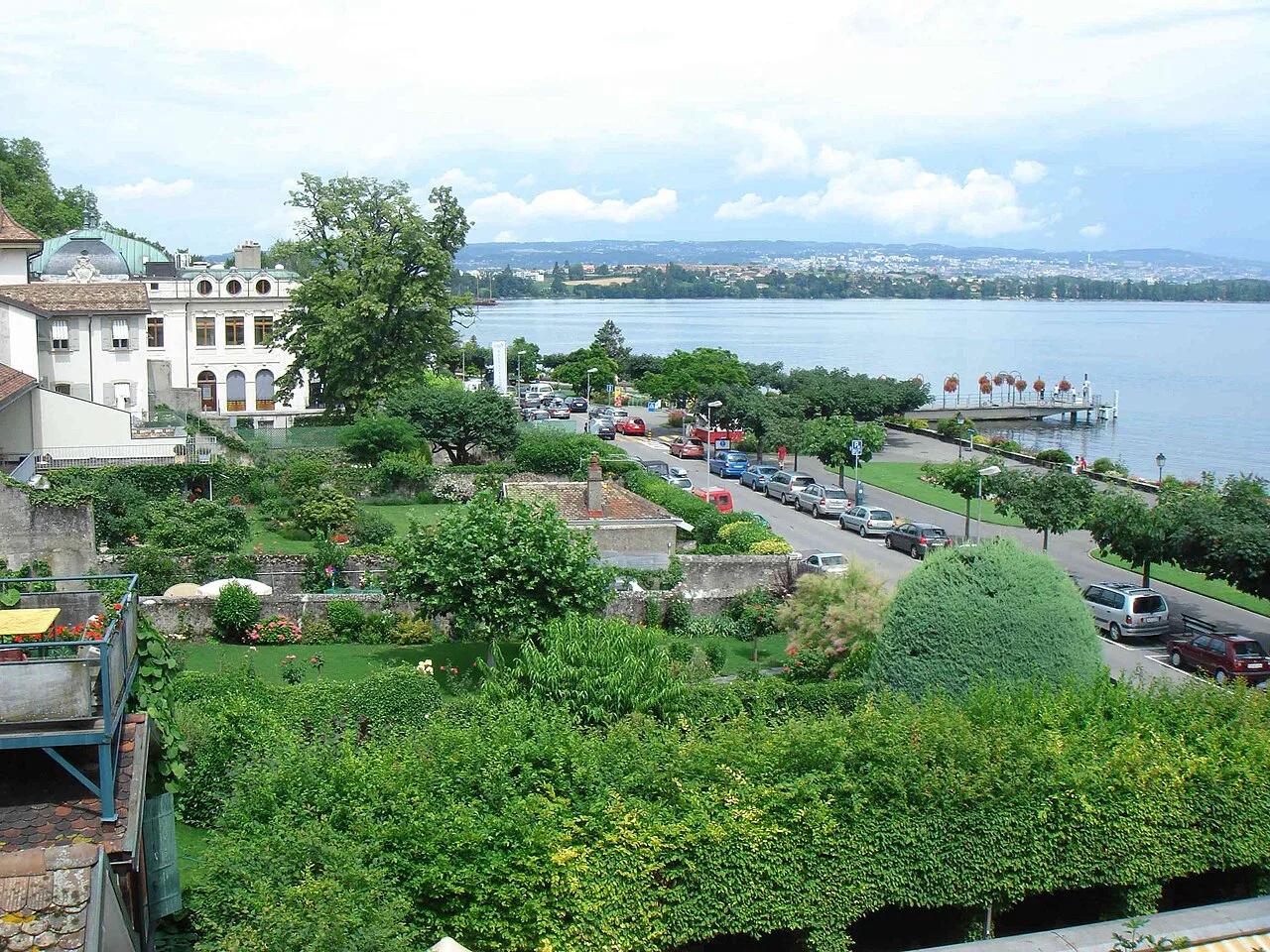
Last updated November 2026: Lake Geneva France is not a separate lake, because Lac Léman is shared by Switzerland and France. The French (southern) shore sits in Haute-Savoie, with Évian-les-Bains and Thonon-les-Bains, while Geneva, Lausanne and Montreux are Swiss. Our guide covers the towns, the crossing and the swimming season, and it supports the main Lake Geneva guide.
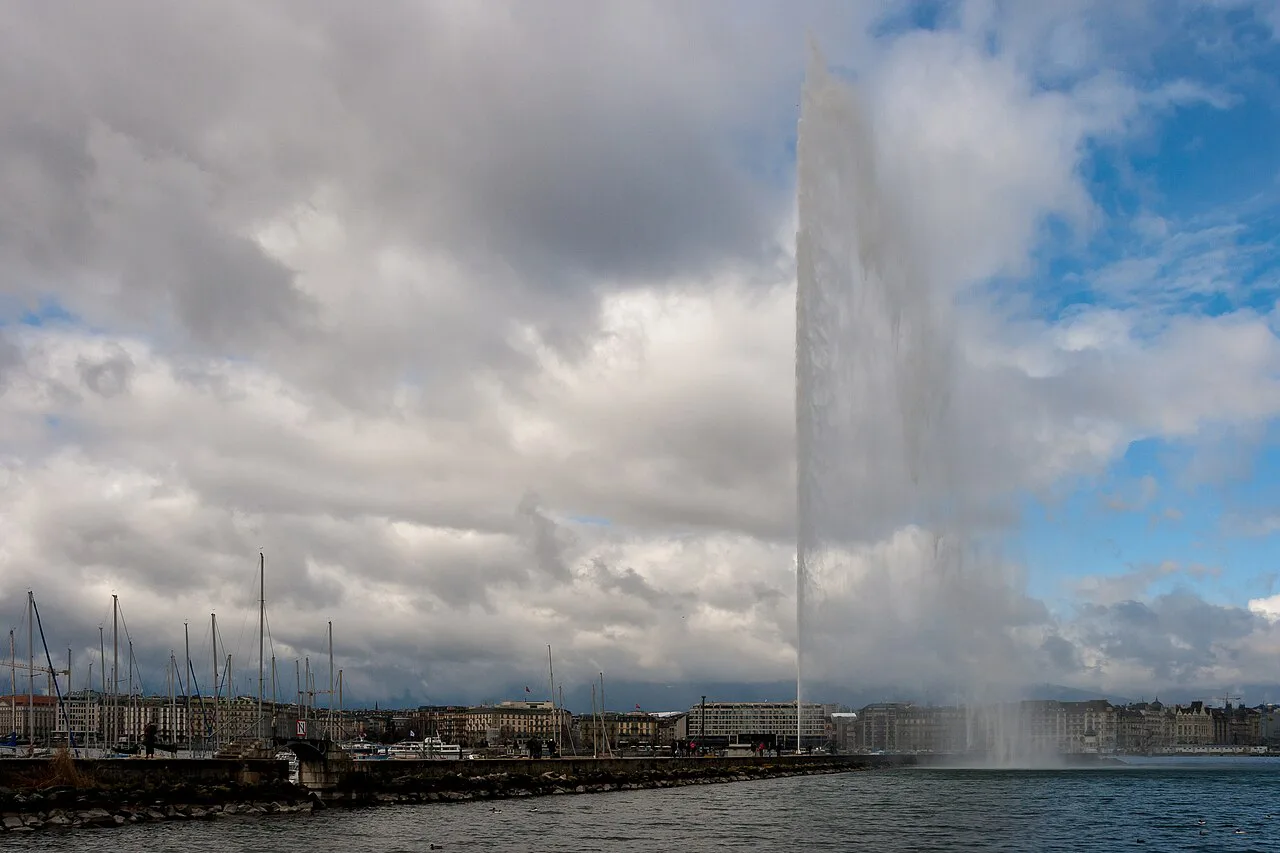
Featured image: Wouter Hagens, CC BY-SA 4.0, via Wikimedia Commons.
Is Lake Geneva in France? The short answer
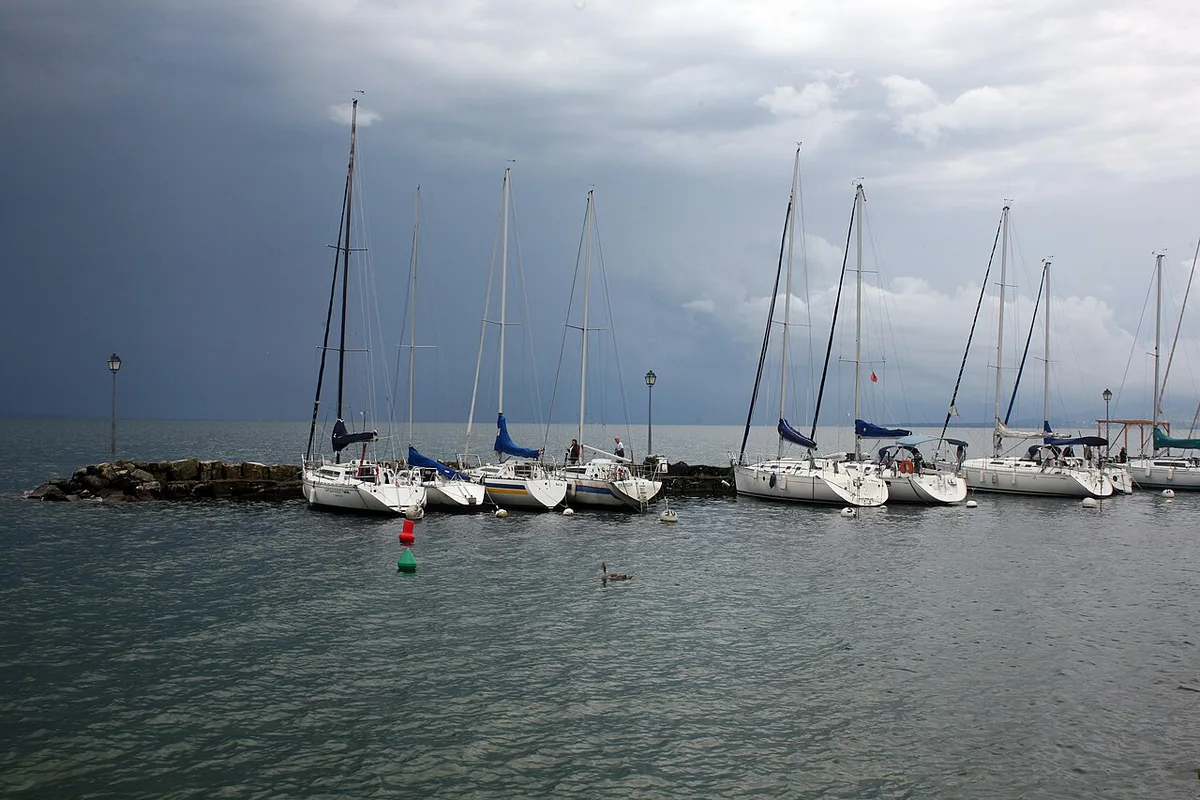
Partly. The lake curves for roughly 73 km (about 45 miles) along the border, and each country owns part of the shoreline. Geneva sits at the western end and is Swiss. Surface area is usually quoted between 572 and 580 km², and maximum depth is about 310 m. Both countries share the navigation rules, so the same lake rules apply off Évian and off Lausanne.
Swiss shore vs French shore at a glance
Pick your base by what you want from the day. Swiss towns have the big-city transport links. French towns are smaller and work as add-on stops.
| Town | Shore | Character | Trade-off |
|---|---|---|---|
| Geneva | Swiss | Western end of the lake, city base | Busy, and the French shore needs a crossing |
| Lausanne | Swiss | Larger city on the open Grand Lac | Open water means rougher weather |
| Montreux | Swiss | Eastern Swiss shore | Far from the French towns |
| Évian-les-Bains | French | Spa town on the Haute-Savoie shore | Needs a border crossing or ferry |
| Thonon-les-Bains | French | Spa town with the Port de Rives and Château de Ripaille | Sights are spread out |
| Yvoire | French | Small lakeside village | Small, so it fills a short visit only |
Best places on the French shore
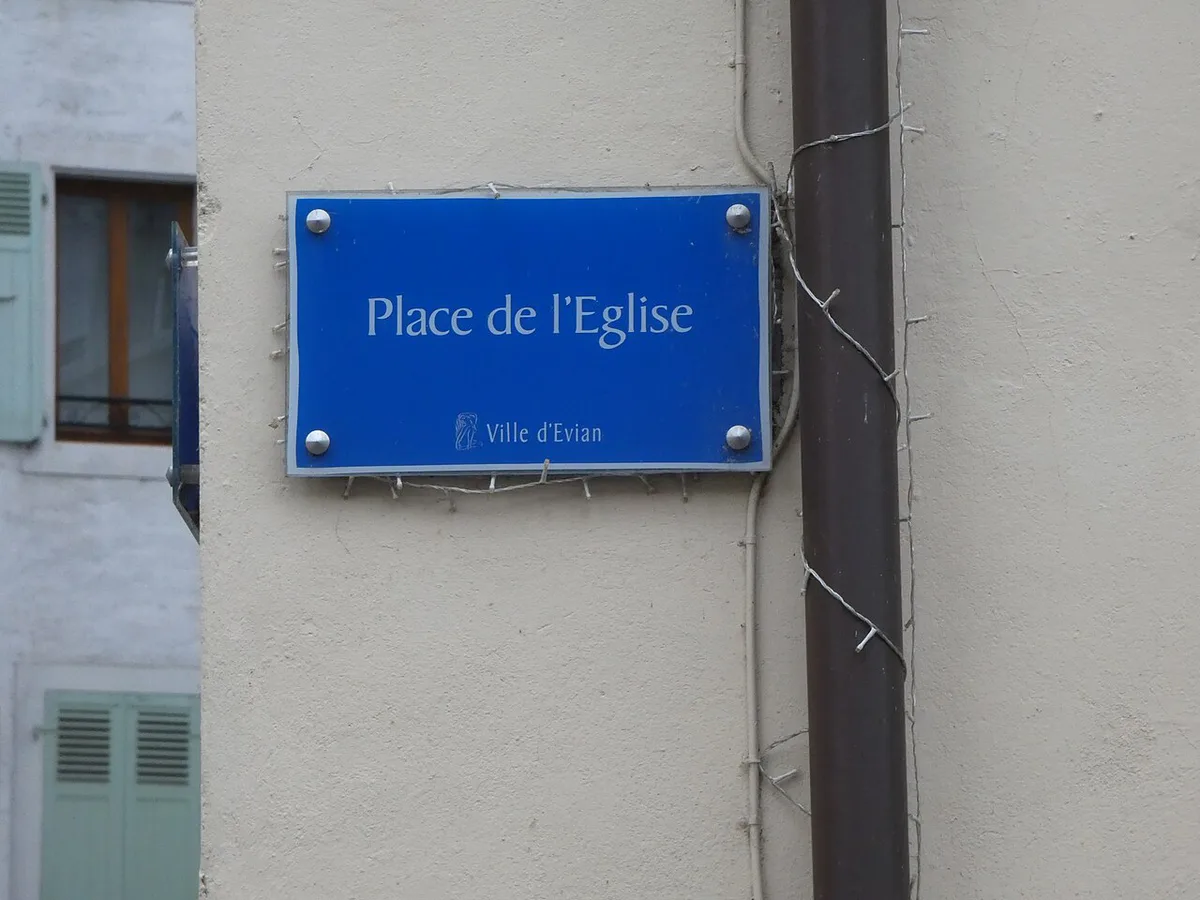
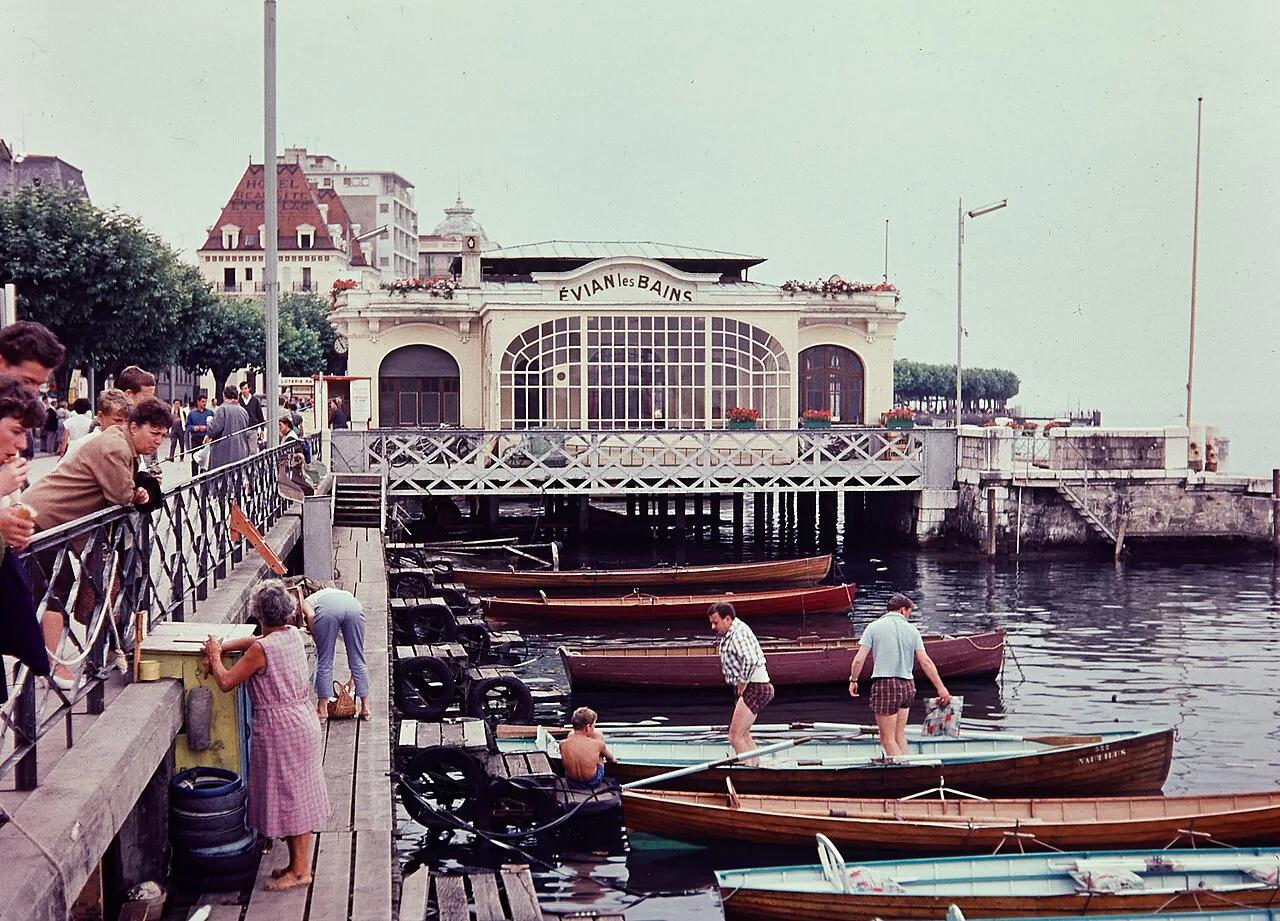
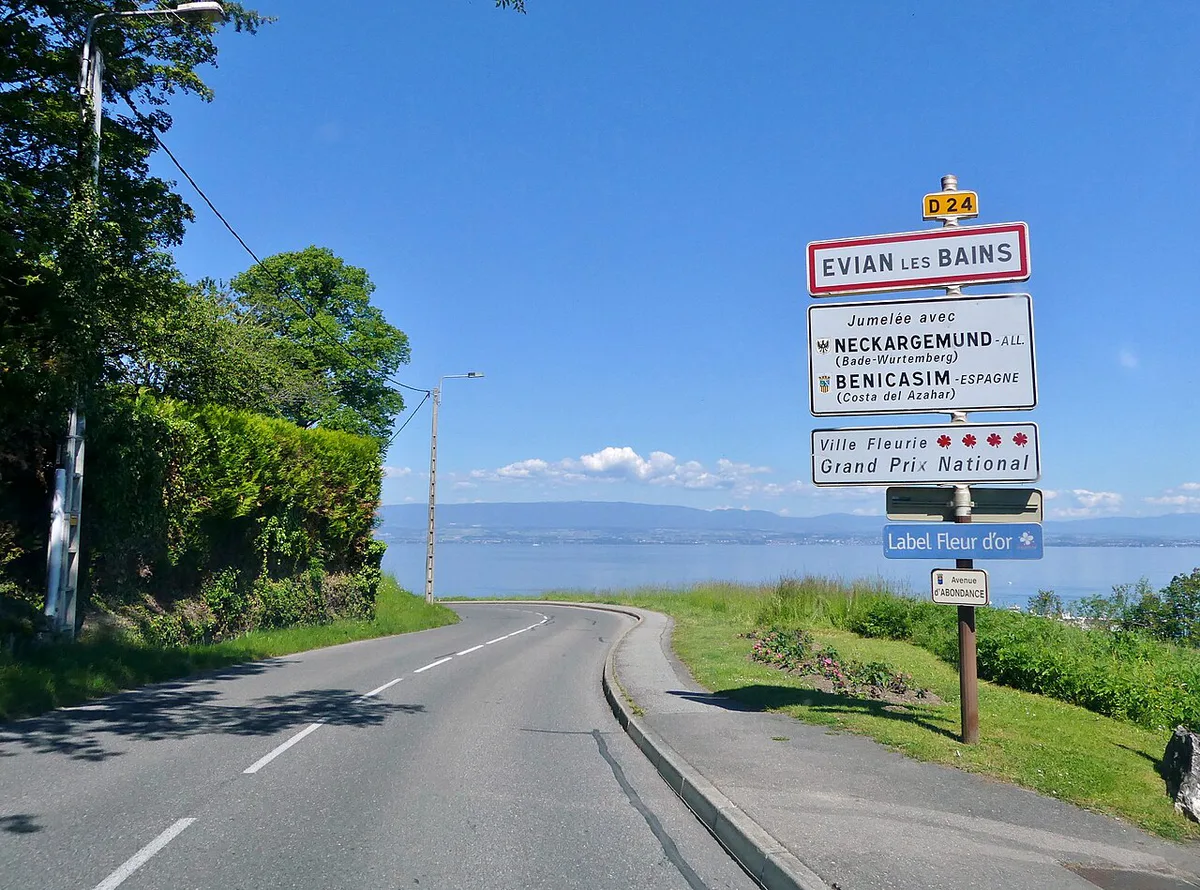
Three stops cover most first visits. Each suits a different kind of day. Évian-les-Bains and Thonon-les-Bains are both spa towns, and the Évian tourist office is the place to check events.
- Évian-les-Bains: best for a lakeside promenade day. Trade-off: it is a ferry or road trip from Geneva, so it is not a quick stop.
- Yvoire: best for a short, walkable village visit. Trade-off: it is small, so pair it with a second town. See the official Yvoire site for visitor details.
- Thonon-les-Bains: best for a port, a town centre and the grounds of Château de Ripaille. Trade-off: the sights sit apart, so allow time to move between them.
How to get to the French side from Geneva or Lausanne
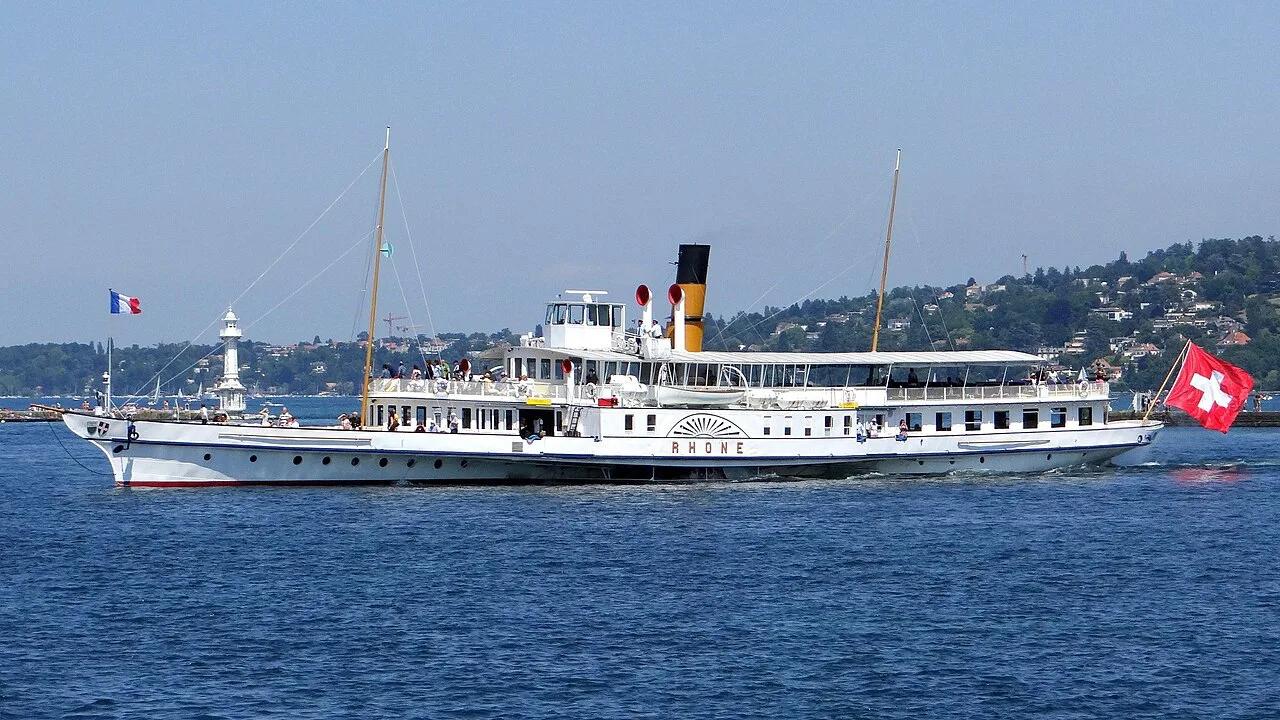
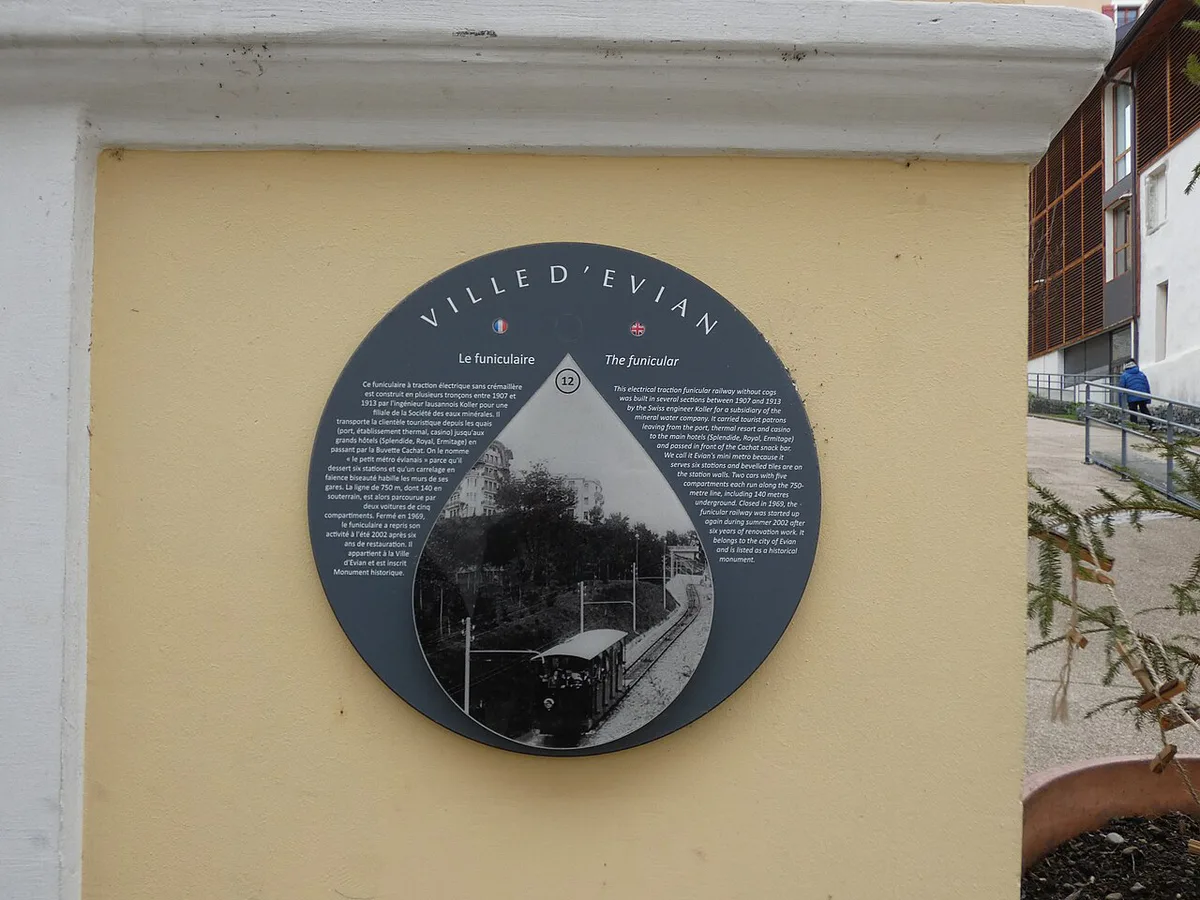
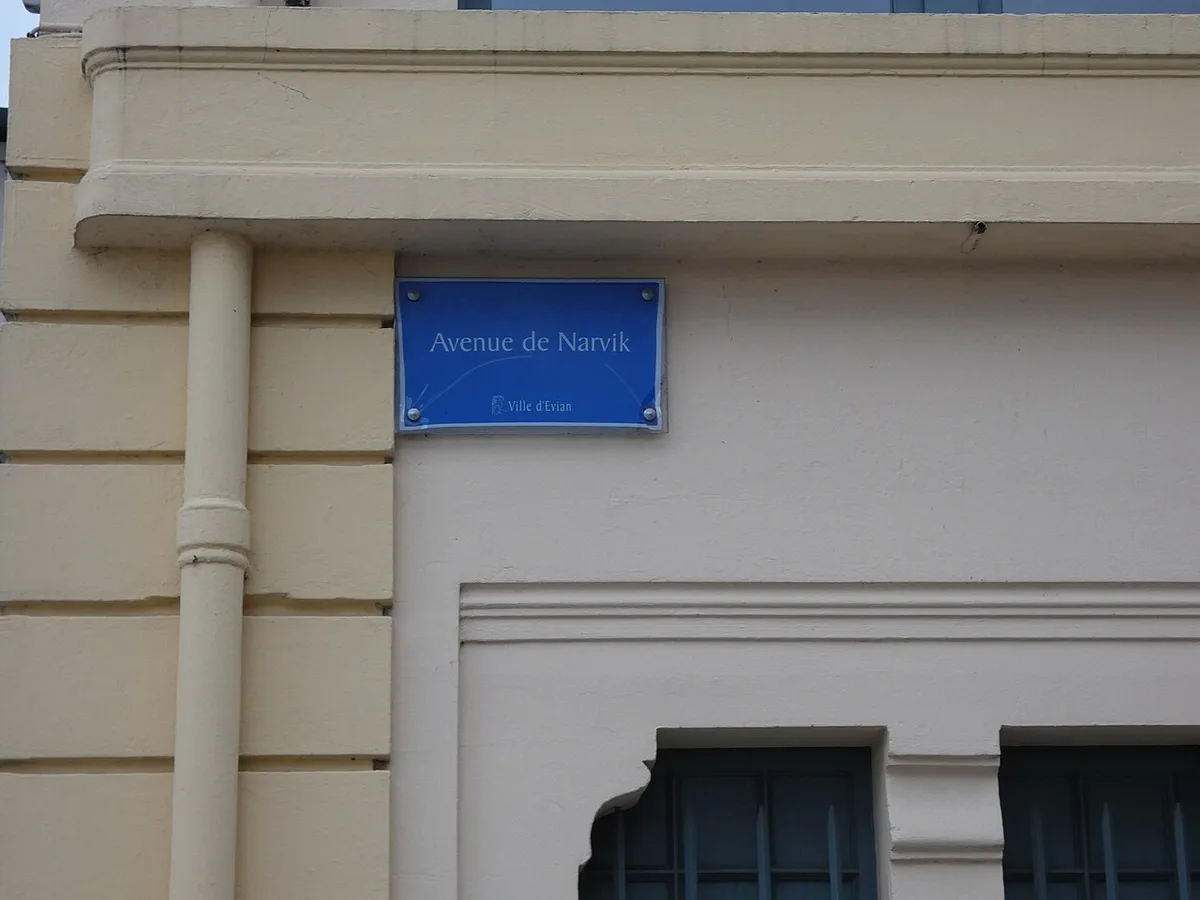
There are three options, and each trades time for convenience. From Lausanne, a boat is the most direct way across the water. CGN runs the lake steamers, and its timetable pages show which routes call at Évian, Thonon and Yvoire, with reduced winter service. Our Lake Geneva cruise guide covers boat options in more detail. Carry your passport or national ID, and read the entry rules for your nationality on the official government pages.
- Ferry: the most scenic option. Trade-off: it runs on fixed sailings, so plan your return slot first.
- Road: the most flexible option if you have a car. Trade-off: you pass a border post and may queue.
- Rail and bus: workable for Geneva-based visitors. Trade-off: connections add transfers, so allow extra time.
Time and cost planning
Allow a half day for one town, such as Yvoire. Allow a full day if you add a ferry or a second town. Allow 2 days if you want Évian and Thonon at a slower pace. France uses euros and Switzerland uses francs, so carry a card and a little cash for each side. The French side is generally less expensive than Geneva, though prices change by season.
Swimming, boating and weather on the French shore
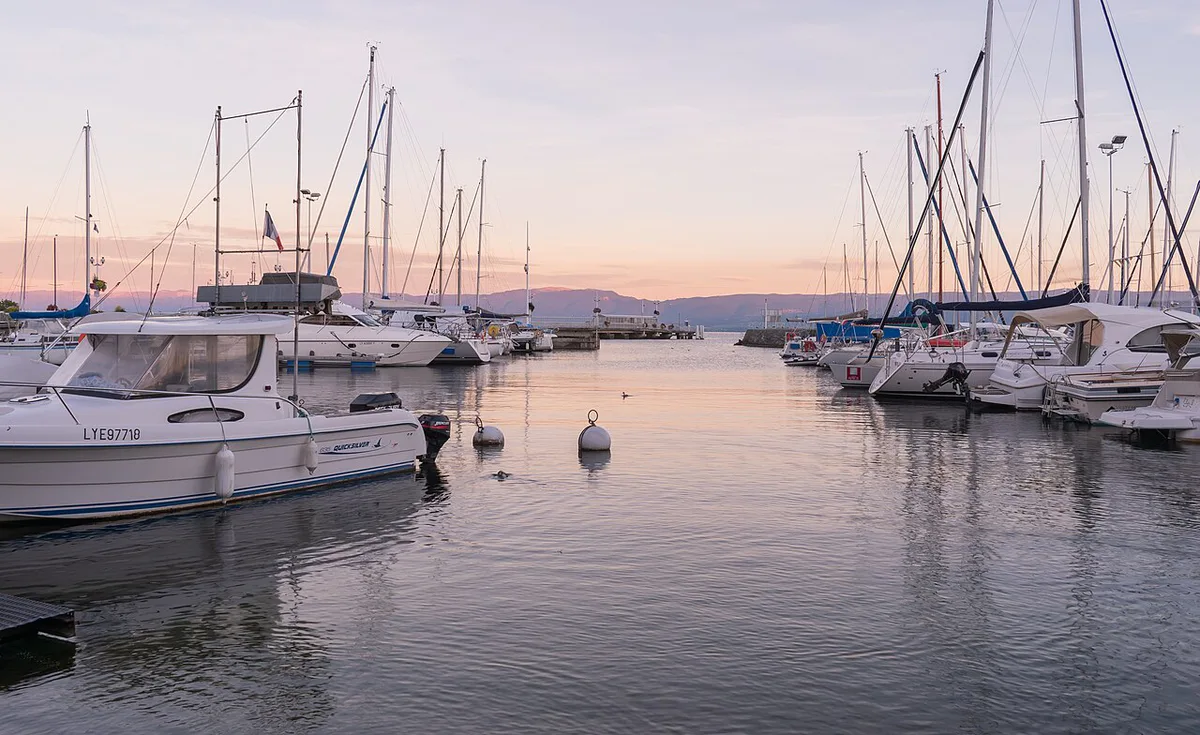
The swimming and boating season runs roughly June to September. Midsummer surface temperatures run about 20 to 23 °C (68 to 73 °F), and they drop after a spell of Bise. Bise is the cold northeast wind, and it can build waves of over a metre. Summer storms also arrive quickly, and flashing storm-warning lights around the shore tell boaters to head in. Under the Franco-Swiss navigation rules, motorboats are capped at 10 km/h inside the 300 m shore band. Our Lake Geneva swimming guide lists swim spots and rules.
Mistakes to avoid
Most problems come from a few planning slips.
- Assuming Geneva is in France. It is Swiss, and only the southern shore is French.
- Forgetting ID. Carry a passport or national ID card for any crossing.
- Relying on one ferry return time. Note the last sailing before you go.
- Mixing up currencies. Euros on the French shore, francs on the Swiss shore.
- Packing too many far-apart towns into one day. Pick one or two stops.
Swiss-shore add-ons for the same trip
If you are based on the Swiss side, pair a French day with a Swiss one. Our Lake Geneva towns guide compares the options. Nyon is a short Swiss-shore stop, covered in our Nyon guide. Wine fans can add the Lavaux vineyard terraces, which the Lavaux UNESCO tourism site describes. In Geneva, the Jet d'Eau fountain is an easy first stop.
Notes for your next lake trip
Optional updates to our lake guides.
You might also like
Continue reading
More guides you'll find useful