Jet d'Eau Geneva: How to See It, When It Runs
Plan your Jet d'Eau visit in Geneva: best viewpoints, whether it's running, how to get there, and how to combine it with the lake.
On this page
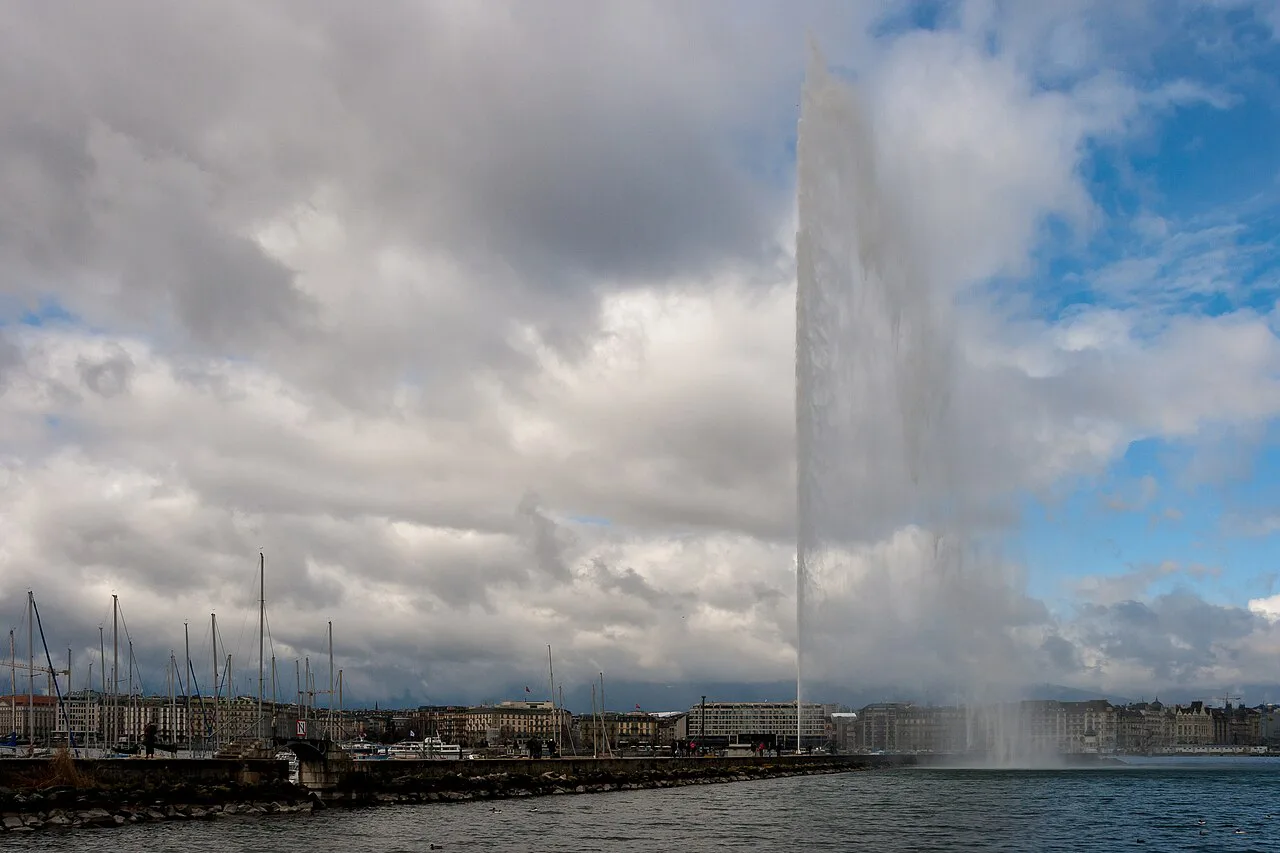
Last updated November 2026. The Jet d'Eau Geneva is a lake fountain that shoots water about 140 m (460 ft) into the air from the end of the Jetée des Eaux-Vives. Watch it from the Quai Gustave-Ador promenade, or walk the jetty for scale and spray. This guide covers when it runs, where to stand, and how it fits into a day on 8 Best Things to Do Around Lake Geneva Switzerland.
Featured image: Photograph by Mike Peel (www.mikepeel.net)., CC BY-SA 4.0, via Wikimedia Commons.
Jet d'Eau Geneva at a glance
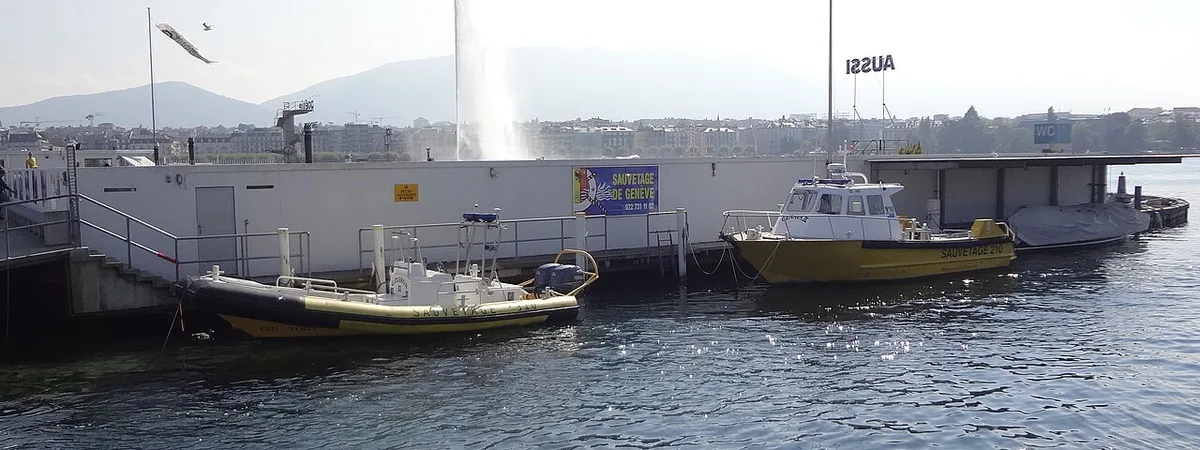
Viewing the fountain from the shore costs nothing, and you need no ticket. Most visitors treat it as a short stop rather than a full-day attraction. Plan on a quick photo, a jetty walk, or a longer lakeside afternoon.
- What it is: a lake-water fountain reaching about 140 m (460 ft), with a jet speed of about 200 km/h (124 mph).
- Where it is: the end of the Jetée des Eaux-Vives, in the harbour (the Rade), near the Jardin Anglais.
- Cost to see it: free from the shore and the jetty. A lake cruise or ferry ride is paid separately.
- Jetty walk: possible when conditions allow, and expect spray in wind.
- Time needed: 15 minutes to 3 hours, depending on how much you add (editorial estimates below).
Is the Jet d'Eau running?
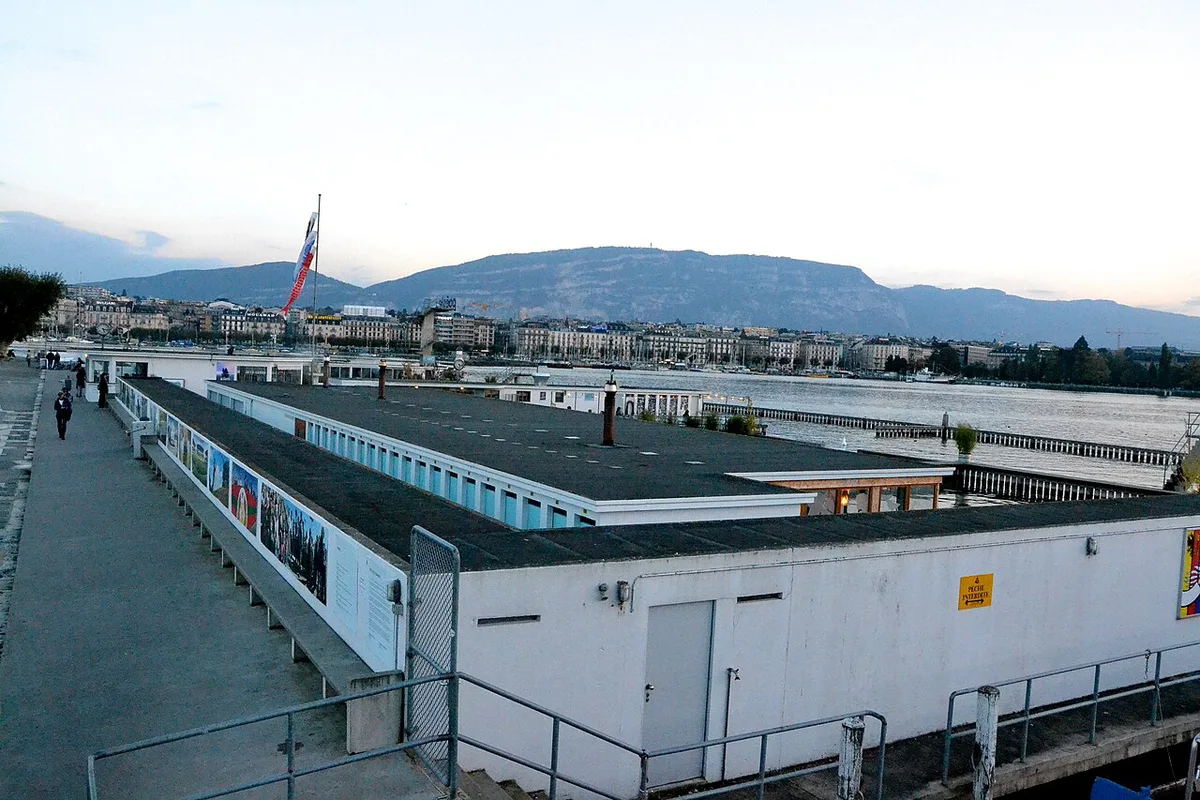
It runs daily when the weather allows, and strong winds shut it down. That is the usual answer to why the Jet d'Eau is closed on a given day. Rain alone rarely matters, but gusts do. Seasonal operation and lighting times can change, so check the SIG operator site or Geneva Tourism on the day. On windy mornings, look at the skyline from the Pont du Mont-Blanc before you commit to a walk. If the plume is visible from town, it is on.
Best places to see the Jet d'Eau
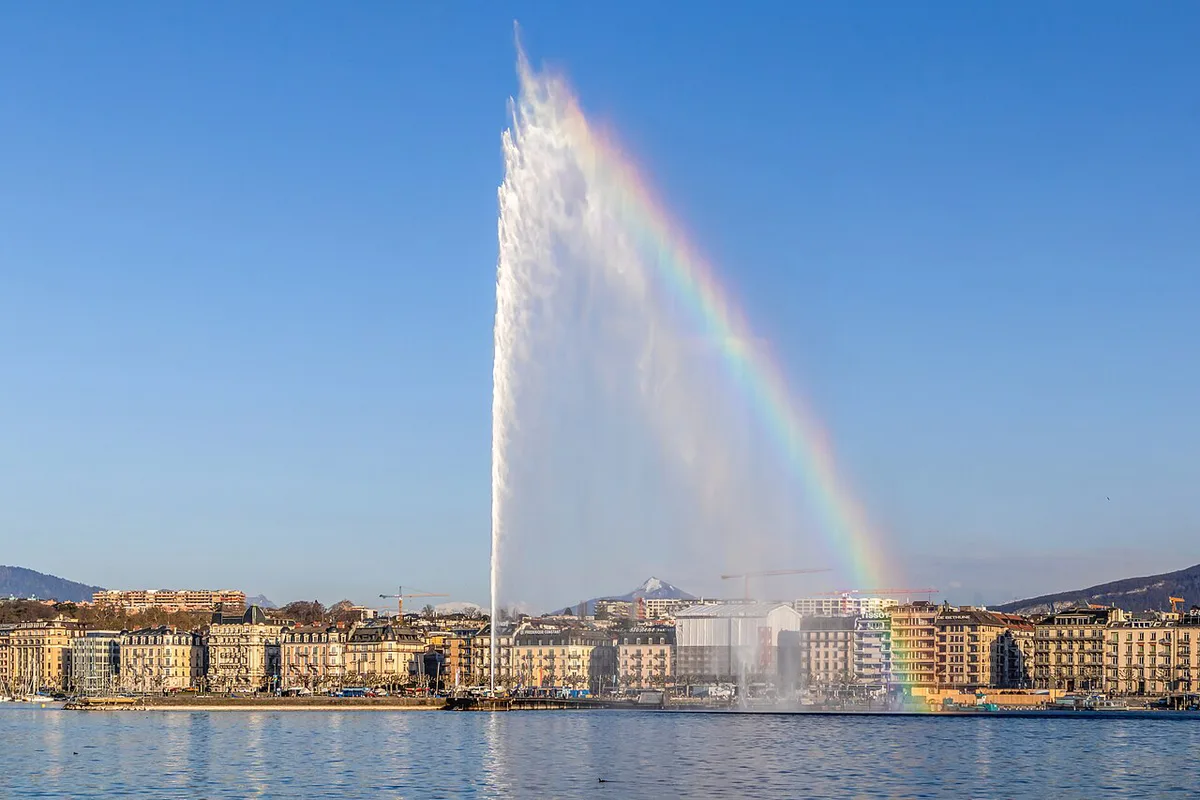
Each side of the harbour gives a different view. The Eaux-Vives side puts you closest to the base. The Pâquis side gives a straight view across the water. Choose by how wet you are willing to get.
| Viewpoint | What you see | Spray | Effort |
|---|---|---|---|
| Jetée des Eaux-Vives | Base of the jet and its full height overhead | High in wind | Short walk along the jetty |
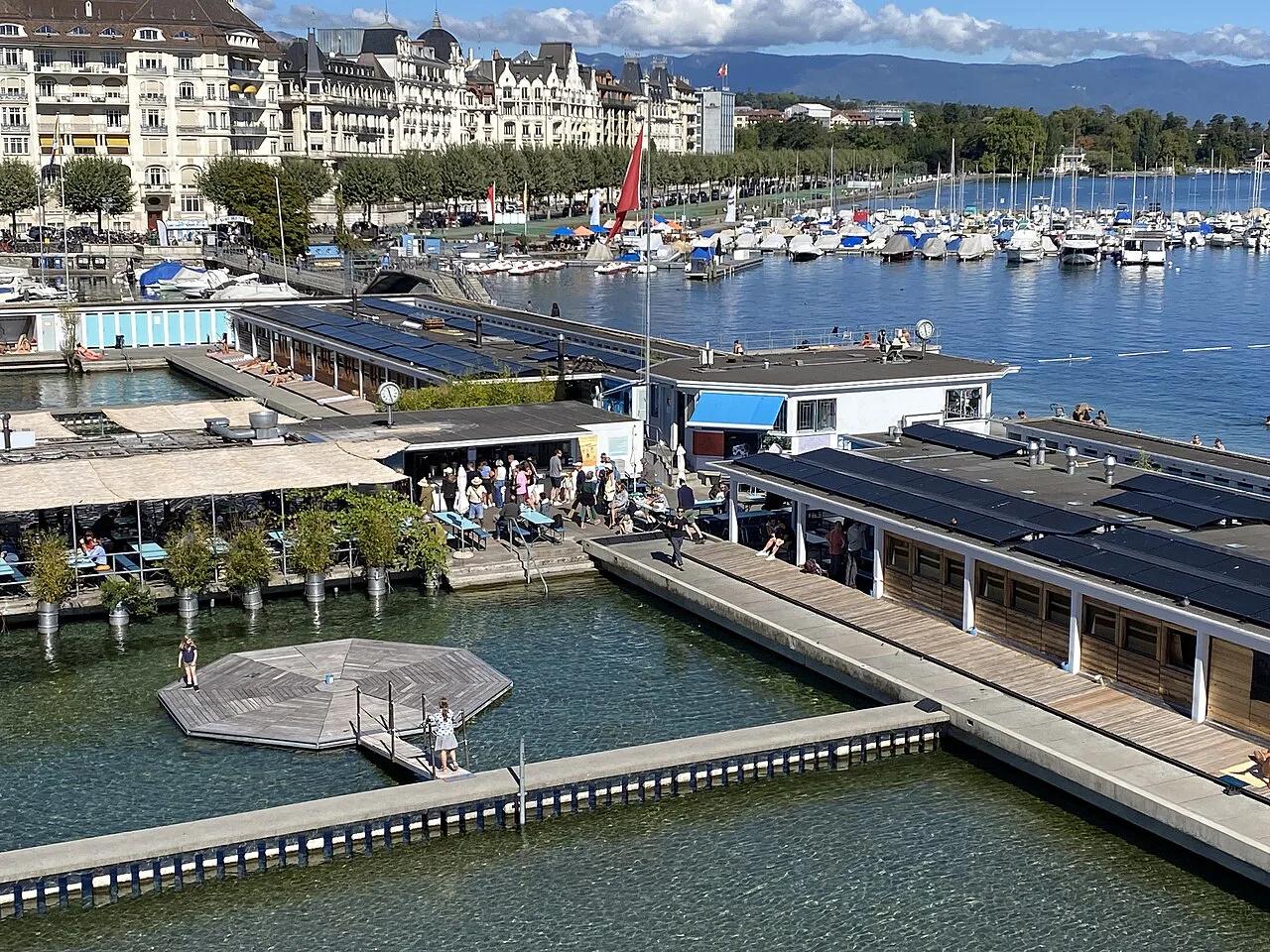
| Bains des Pâquis jetty | Whole plume across the harbour, with the city behind | Low | Easy walk from the Pâquis shore |
| Quai Gustave-Ador | Jet in profile along the lake promenade | Low | Flat promenade stroll |
| Jardin Anglais | Jet at distance, framed by lakeside trees | None | Near the old town |
| Lake cruise | Jet from the water with the whole Rade | Low to moderate | Seated, paid boat ride |
Getting there
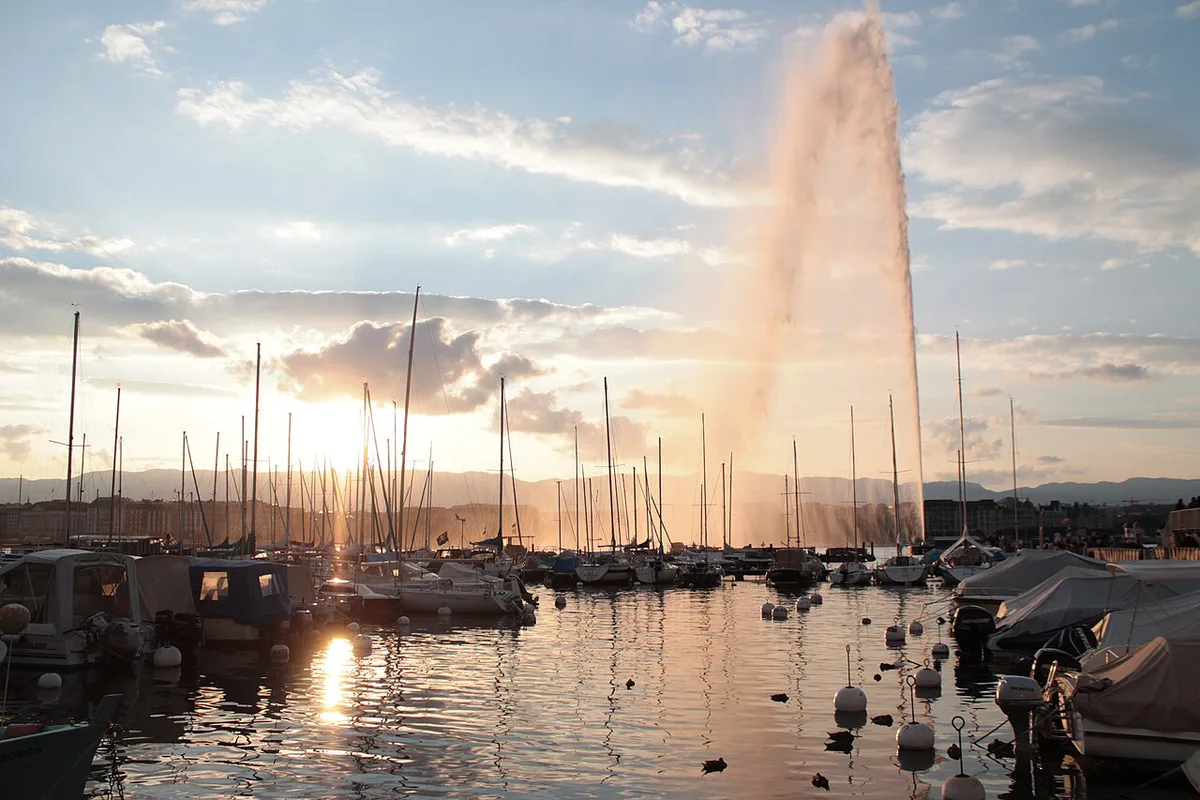
From Cornavin station, trams and buses serve the lakefront and the Eaux-Vives side. Look up current routes on the TPG transport site, since line numbers change. The Mouettes Genevoises ferries cross the Rade to the jetty's root, which saves the long walk around the harbour. From the old town, the Jardin Anglais is a short lakeside walk away, and the Quai Gustave-Ador continues toward the Eaux-Vives. Driving is the most awkward choice, because lakefront parking fills quickly on sunny weekends. Take public transport if you can.
Walking the jetty and what to bring
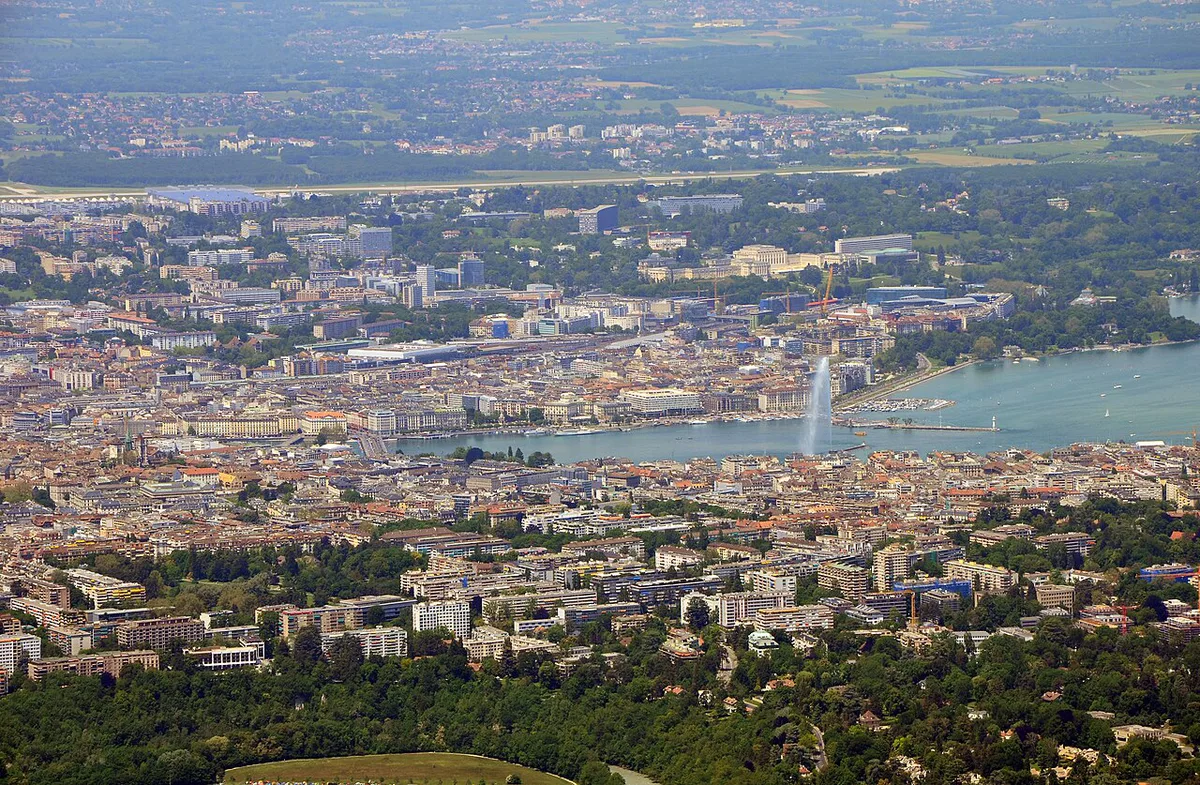
The jetty walk is the best way to feel the scale of the plume. The column falls back as spray, and wind can carry it across the whole walkway. Wear a waterproof layer and shoes with grip. Keep your phone or camera in a plastic bag until you want a shot. Skip the walk on strong-wind days, and think twice with small children or wheelchair users on wet, slick stone. When the jet is off or the jetty is closed, the Pâquis side is the better plan.
- Mistake to avoid: assuming it runs in every condition.
- Mistake to avoid: visiting only at midday, when haze and glare flatten the view.
- Mistake to avoid: skipping the jetty if you want a sense of scale.
- Mistake to avoid: scheduling a full day around it.
How long to plan
These are editorial estimates, not official figures. Your pace and the wind will change them.
- Photo stop: about 15 minutes from the Quai Gustave-Ador.
- Jetty plus promenade: about 45 to 60 minutes, with time for the Jardin Anglais.
- Half-day: the jetty, a swim or coffee near Pâquis, and a cruise on the lake.
A short history and how it works
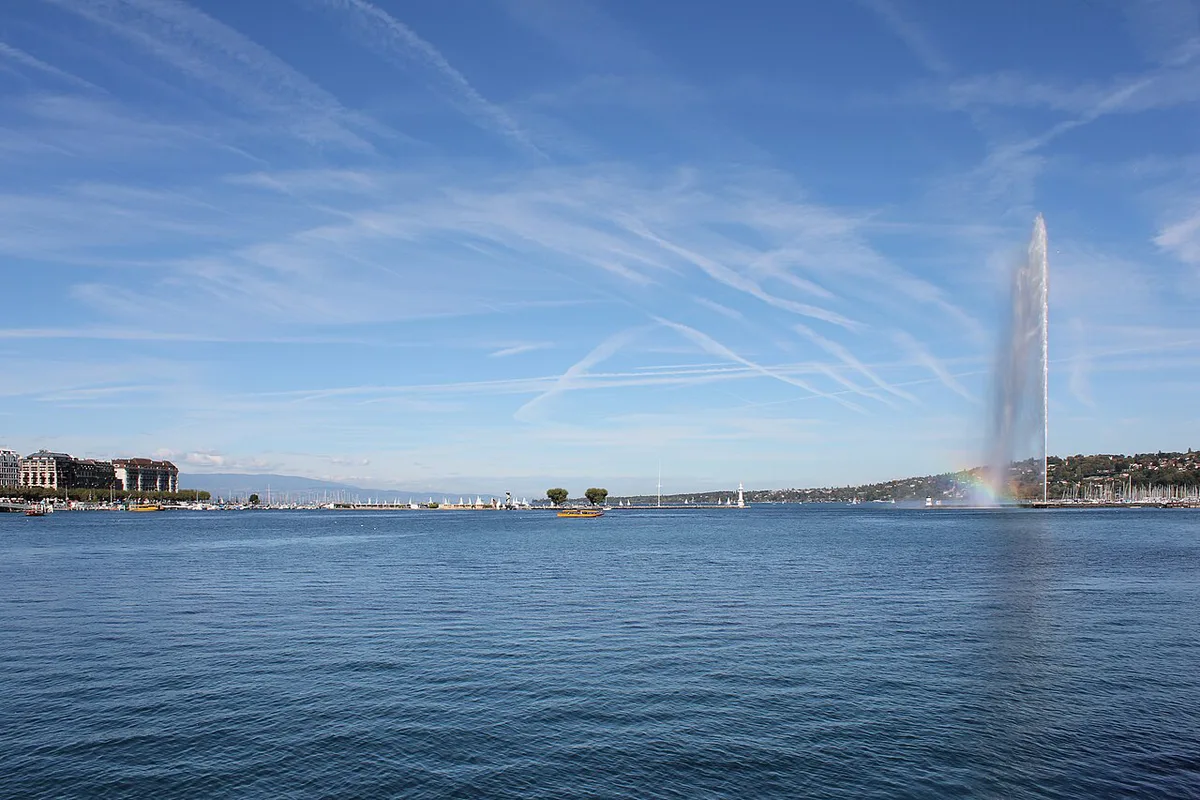
Geneva's hydropower network released excess pressure as a modest plume in 1886. By 1891, the jet had become a civic emblem. The current plant dates from 1951. Twin 500 kW pumps push lake water through a narrow nozzle. About 7 tonnes of water hang in the air at any instant. Treat those figures as published estimates and check the operator's technical page if you need exact numbers.
Combine it with the rest of the lake
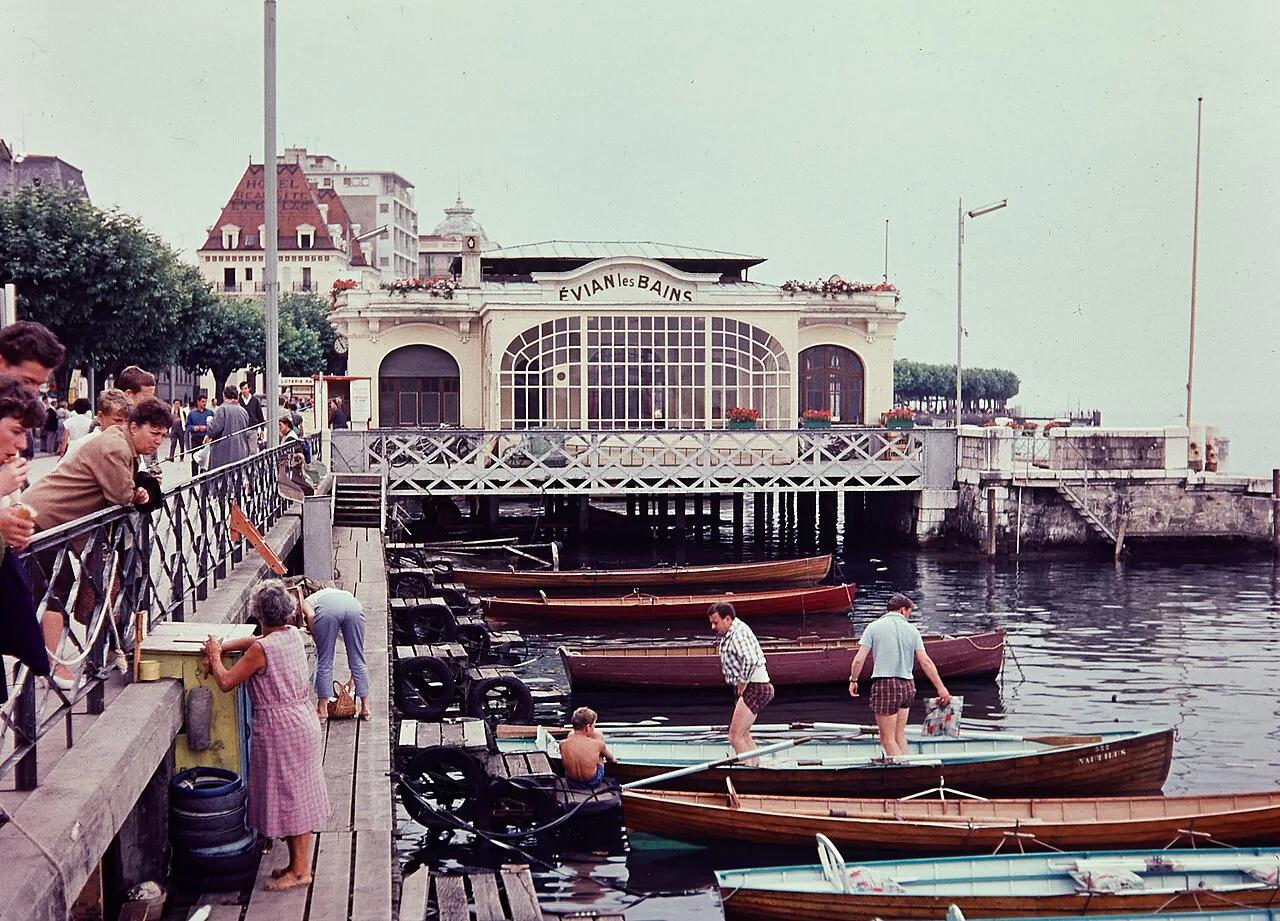
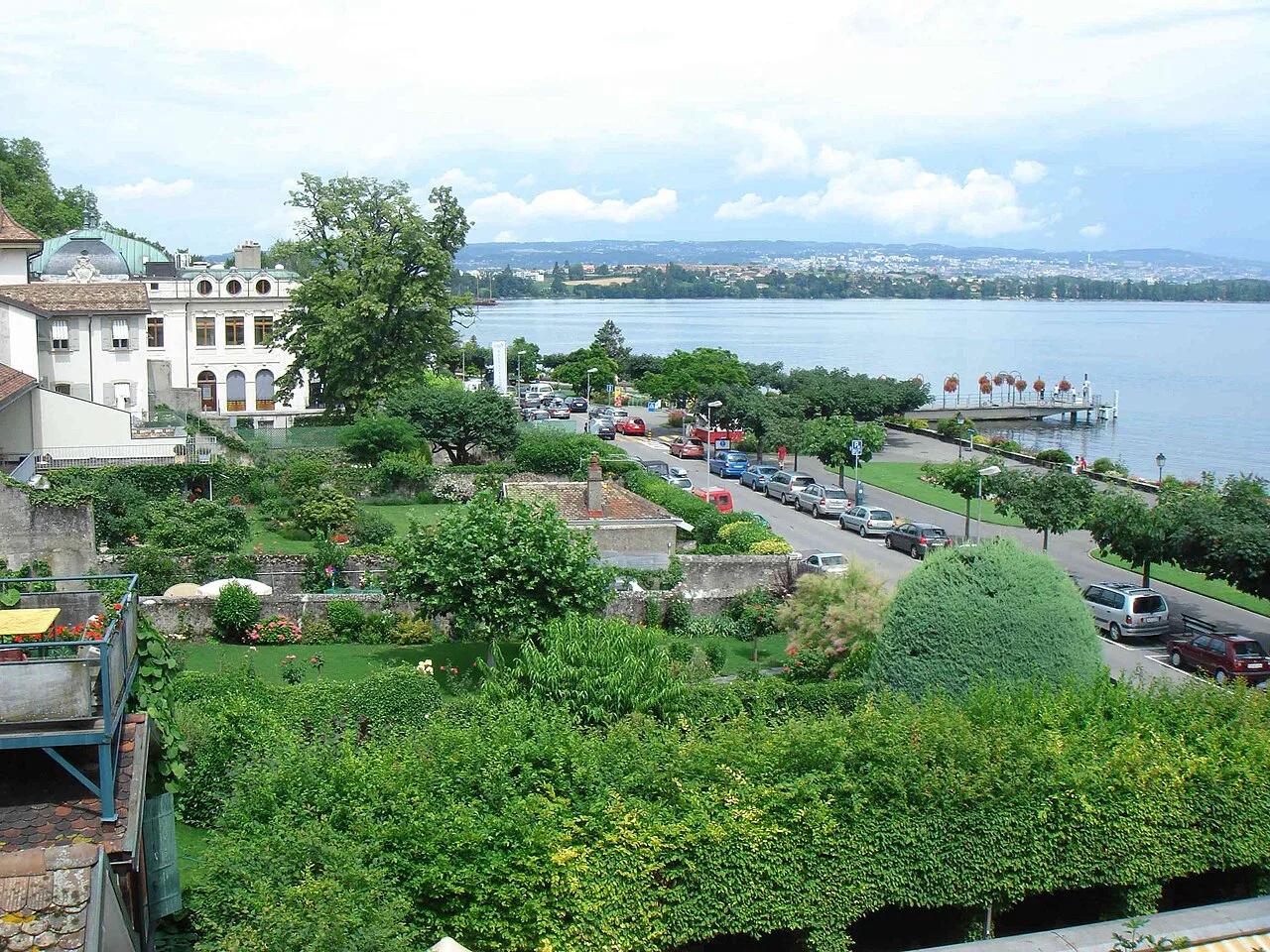
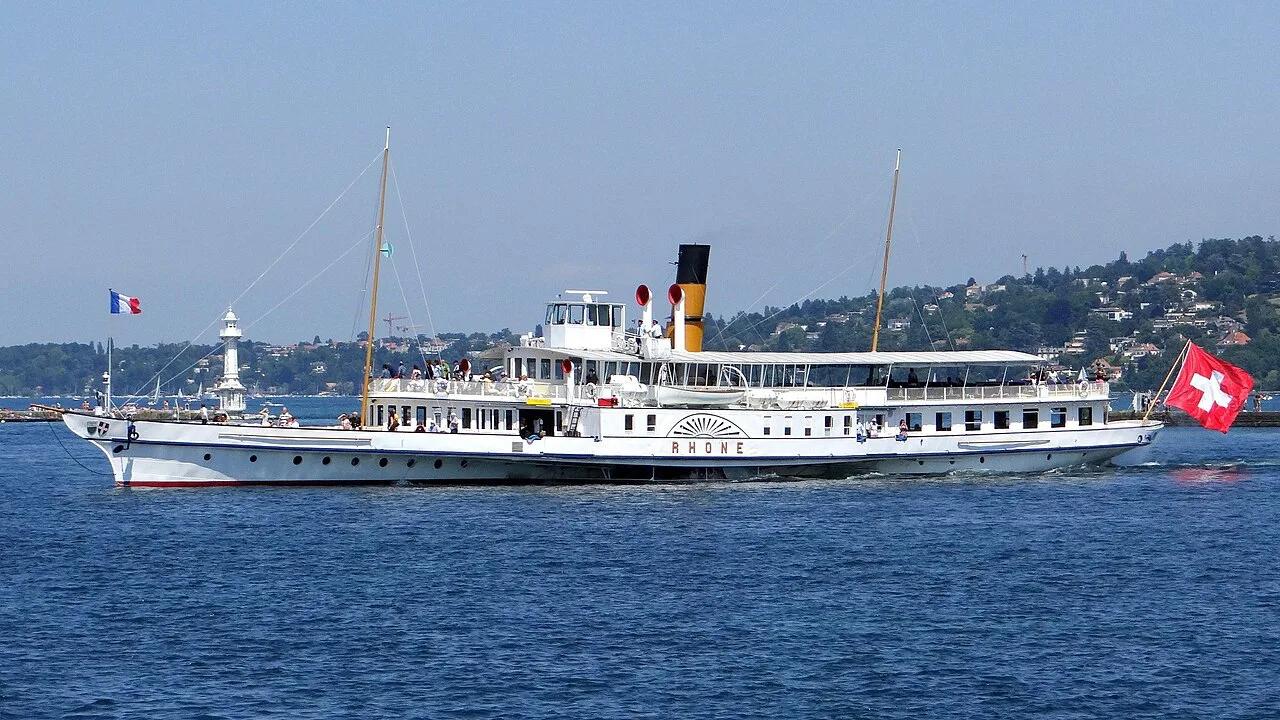
A lake cruise from Geneva shows the jet from the water. Check the CGN steamer timetable for departures. Bains des Pâquis faces the plume across the harbour, and swimming spots on the lake make a good cooldown after the jetty. For the next step, see lakeside towns on both shores. On the French shore, Yvoire, Évian-les-Bains and Thonon-les-Bains are the main options, and the French shore has an overview. On the Swiss shore, try Nyon or the terraces of Lavaux Vineyards: How to Visit, Walk and Taste.
Frequently Asked Questions
Why is Jet d'Eau closed?
Strong wind is the usual reason, because it would blow spray across the quays and the jetty. Check the operator's status page on the day before you head to the lake.
Notes for your next lake trip
Optional updates to our lake guides.
You might also like
Continue reading
More guides you'll find useful