How Deep Is Loch Ness? Depth, Facts and Meaning
Loch Ness is about 230 metres (755 feet) deep at its maximum. See how that compares, why it is so deep and what it means for swimming and boat trips.
On this page
Last updated November 2026. How deep is Loch Ness? The commonly published maximum depth is about 230 metres (755 feet). That figure makes it the deepest body of fresh water in the Loch Ness area by a wide margin, and the rest of this guide explains where the number comes from and what it means on a visit.
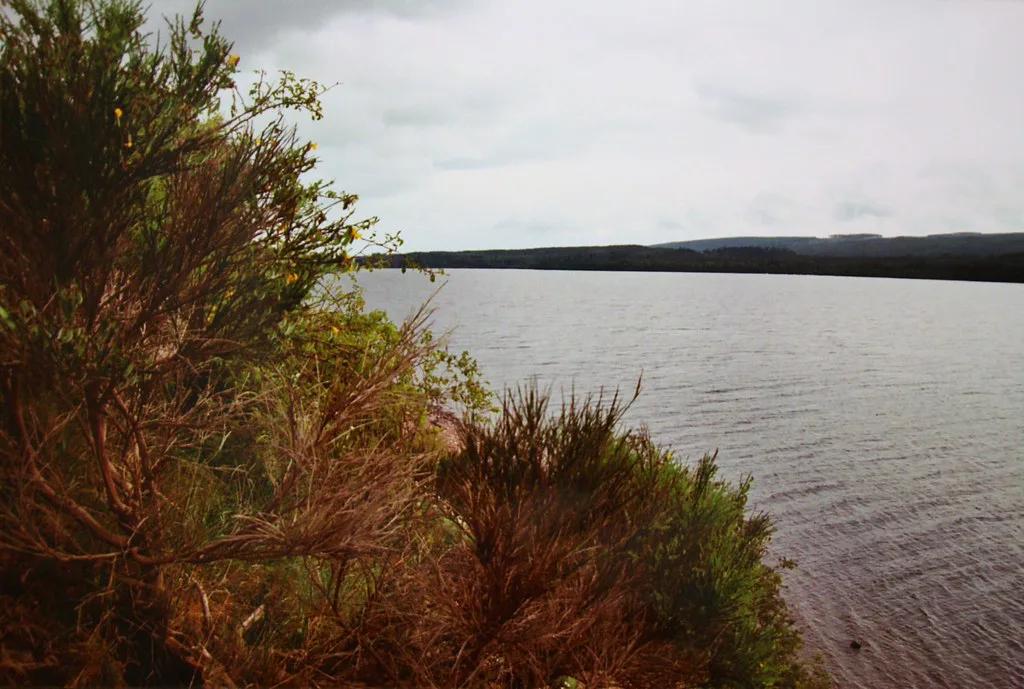
Featured image: Gary Lee Todd, Ph.D., CC0 1.0, via Flickr.
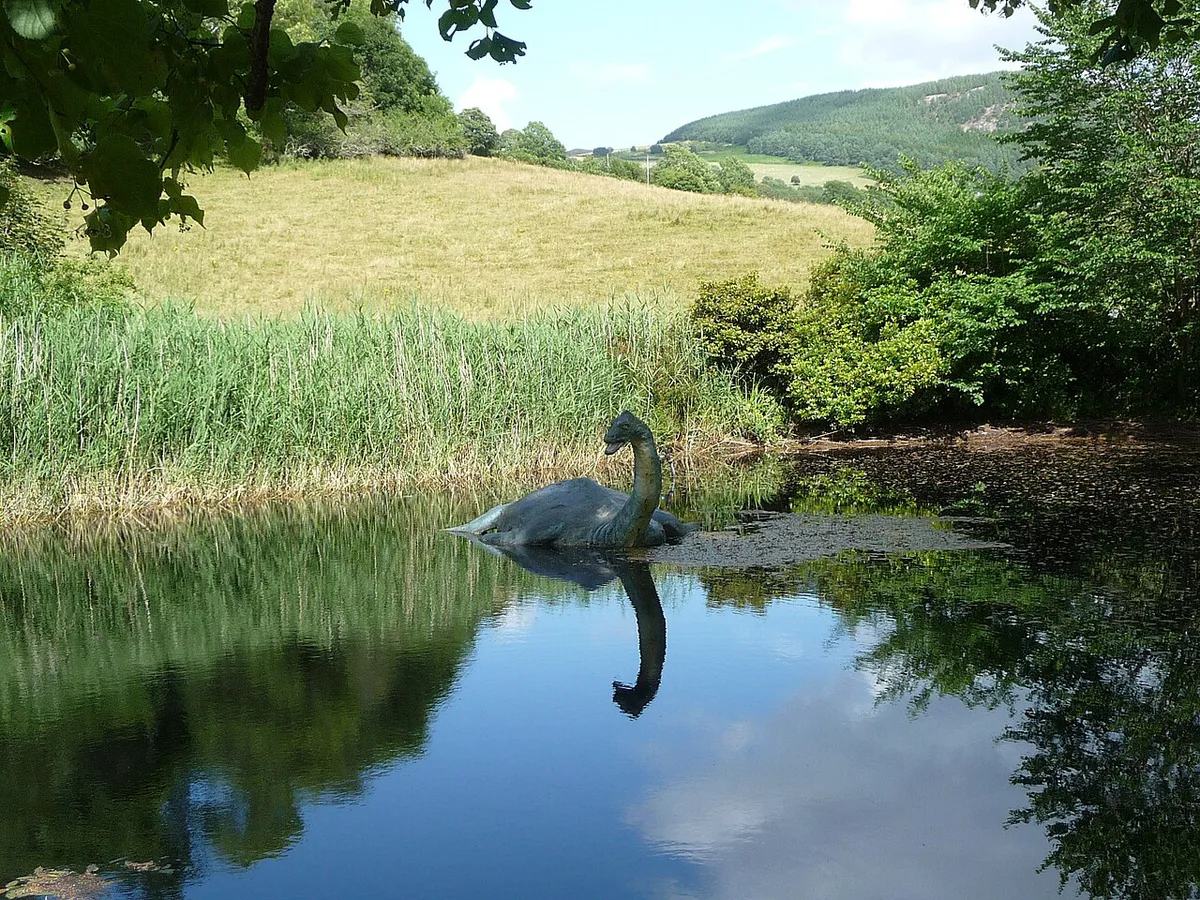
How Deep Is Loch Ness? The Short Answer
Maximum depth is about 230 metres (755 feet). That is the deepest single point, found in the middle of the loch rather than near the shore. Average depth is much shallower, so never treat 230 metres as the depth of the whole loch. Figures for Loch Ness come from published survey data, and they vary slightly between sources. Some older web pages still quote roughly 650 feet, which is a rounded and lower figure than the 755 feet most sources give. Loch Ness is also the largest loch in the UK by volume of water, which is what makes it feel like a small inland sea.
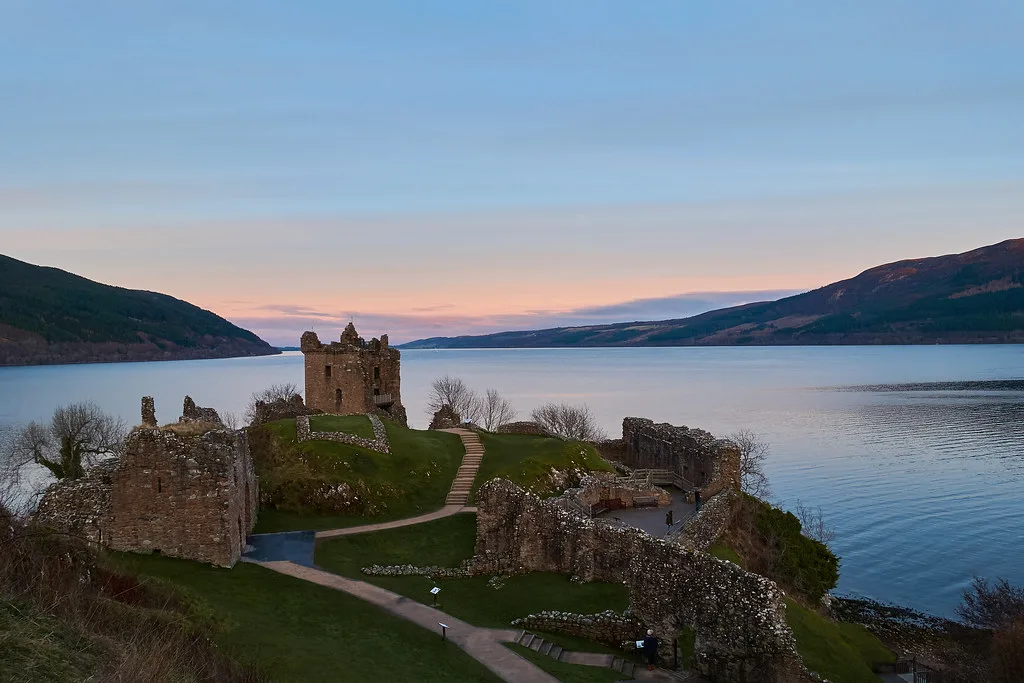
- Maximum depth: about 230 metres (755 feet)
- Length: about 24 miles
- Width: about 1 mile at its broadest
- Surface height: about 52 metres above sea level
- Water: fresh, stained dark by peat
Why Loch Ness Is So Deep
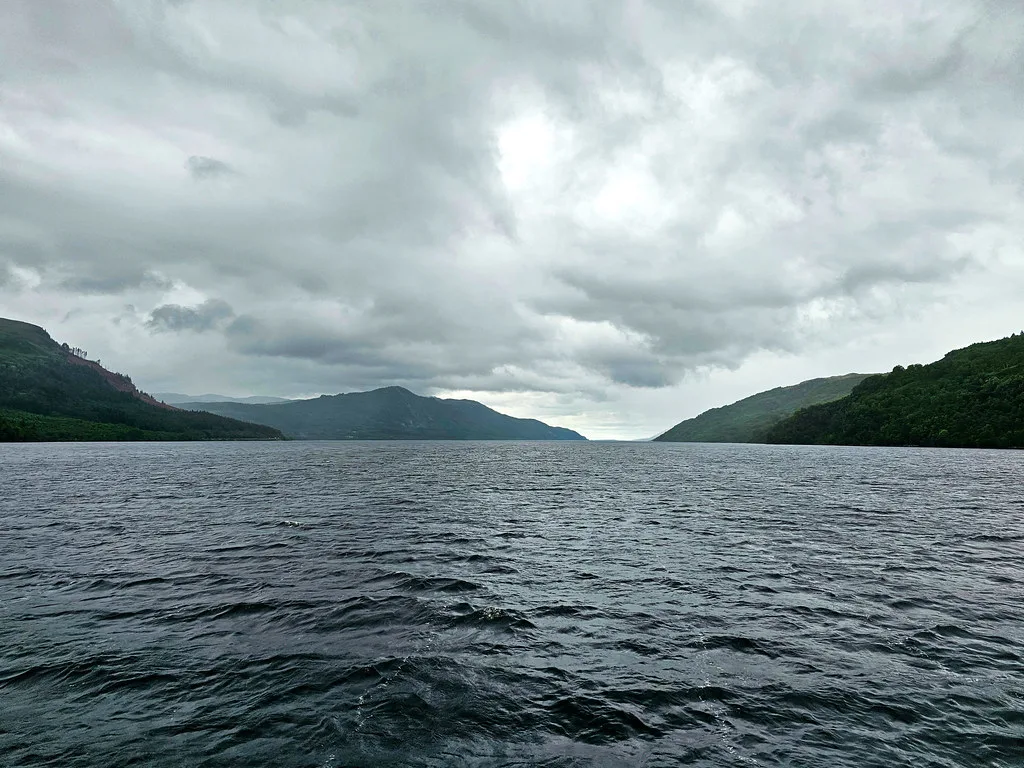
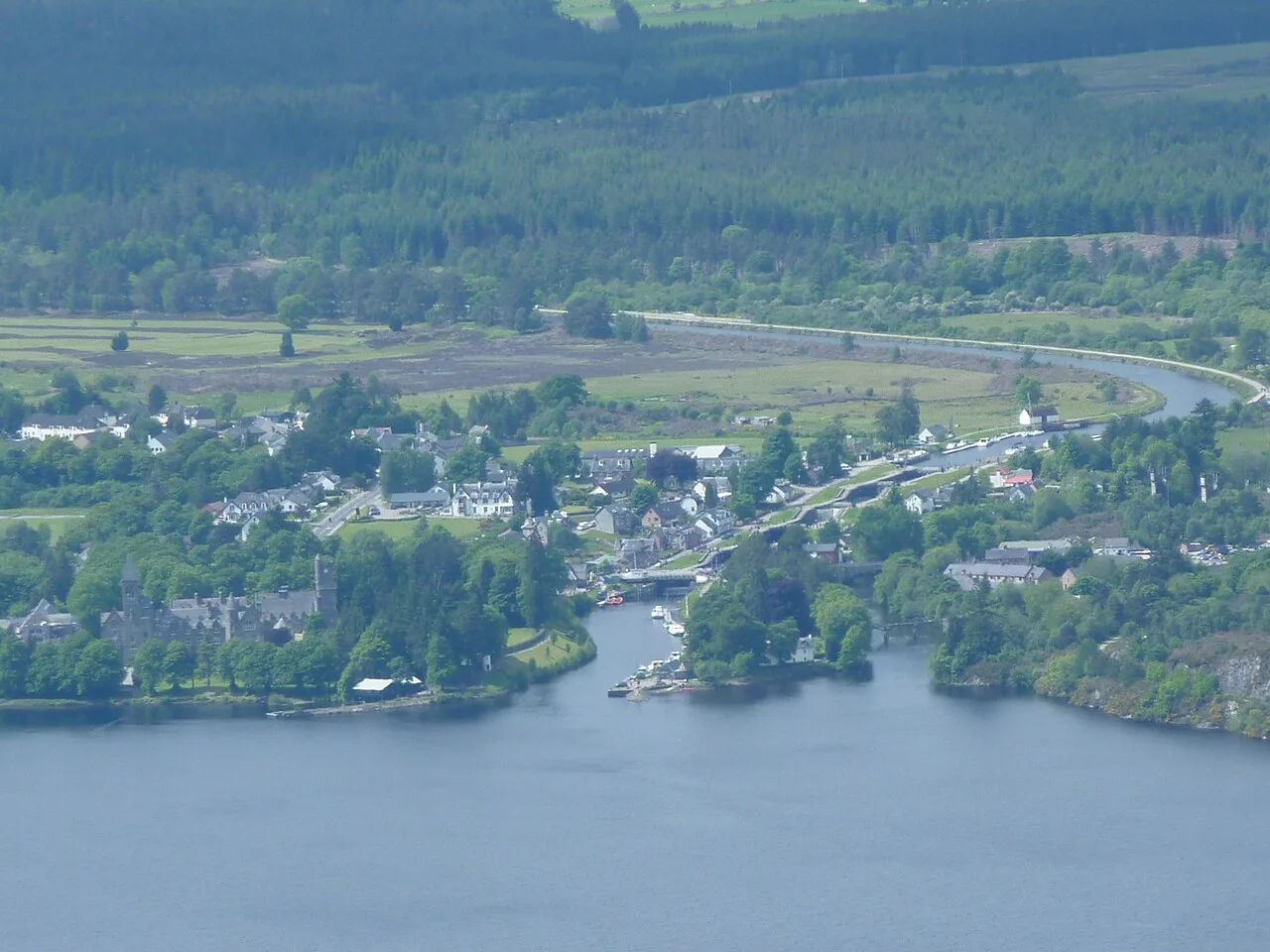
Loch Ness sits in the Great Glen, a long straight valley that follows the Great Glen Fault. A fault is a crack in the earth's crust where rock on each side has slid past the other. That weak line was easy to erode, so it formed a natural trench. Glaciers later scoured the trench deeper and left steep sides. This is why the loch is long, narrow and plunges quickly away from the shore. For the wider setting, see our guide to where Loch Ness is located. The Loch Ness Map: Where Everything Is and How to Get Around shows how straight the basin runs.
How Loch Ness Compares With Other Lochs
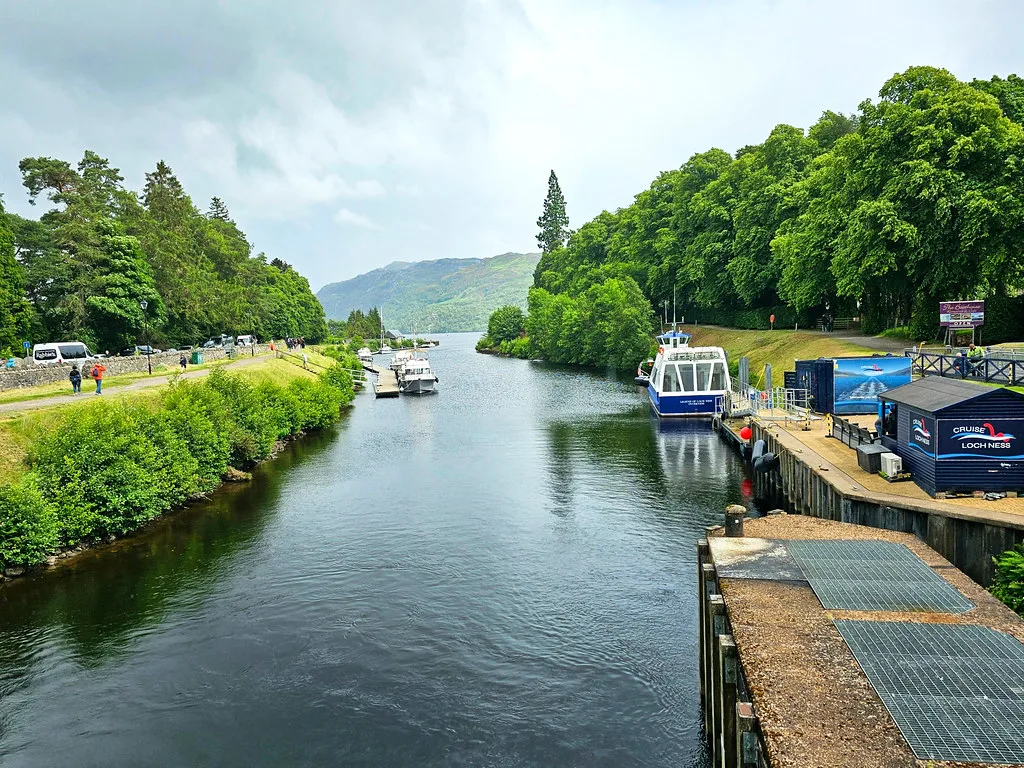
Depth and volume are different measures. Loch Ness is deep and long, so it holds a very large volume of water. Loch Morar is usually cited as the deepest loch in Britain. Loch Lomond has a larger surface area but is far shallower than Loch Ness. Compare lochs by volume, maximum depth and surface area separately, because each loch wins a different category. Check each figure against a current source such as NatureScot before quoting it.
How Depth Was Measured and Why Figures Differ
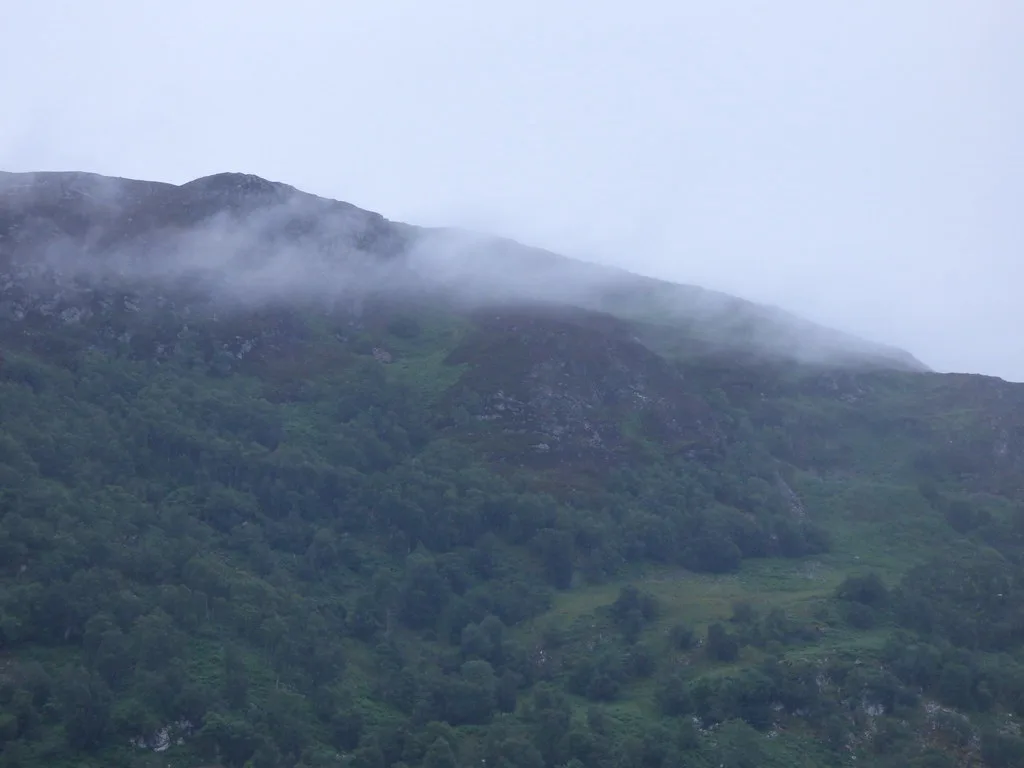
Loch depth is mapped with sonar, which sends sound down and times the echo. Different surveys give slightly different maximum values. Three things explain most of the gap. Older pages round figures, which is how 755 feet becomes 650 feet. Maximum depth is a single point, while mean depth averages the whole basin. Loch levels also rise and fall with rain. When you see two numbers, check which survey they came from and whether the loch level was noted.
Depth and the Loch Ness Monster
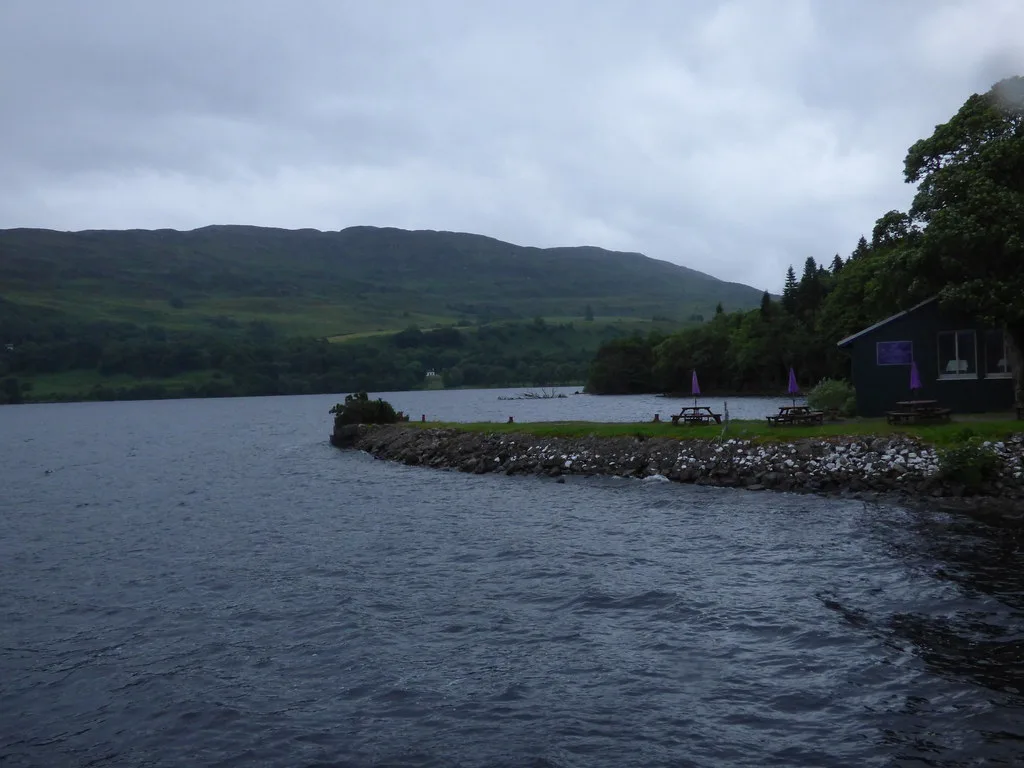
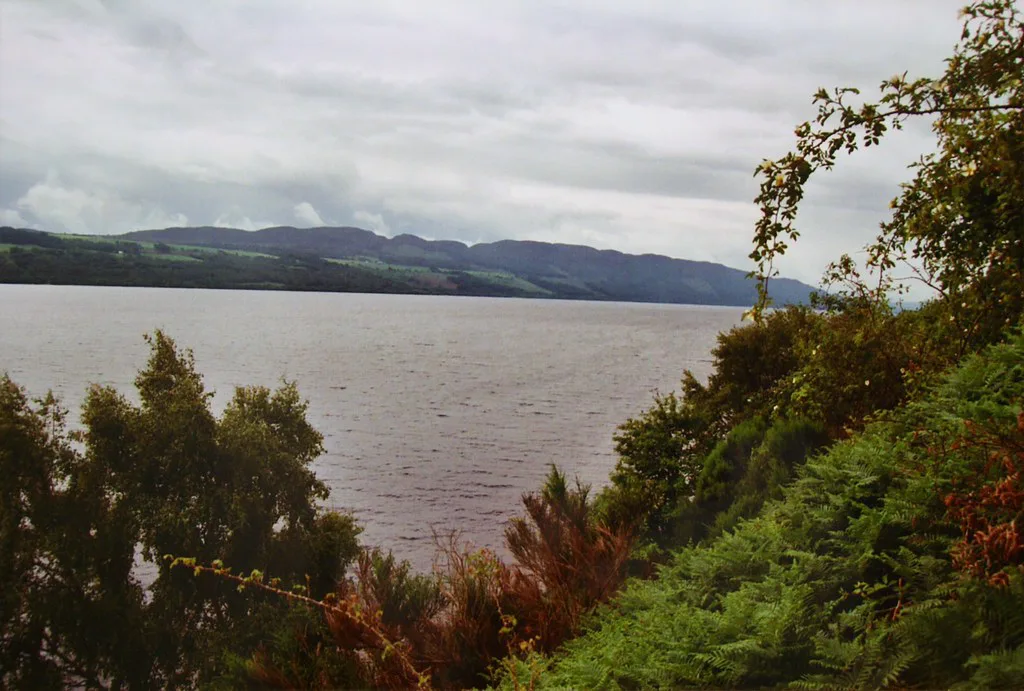
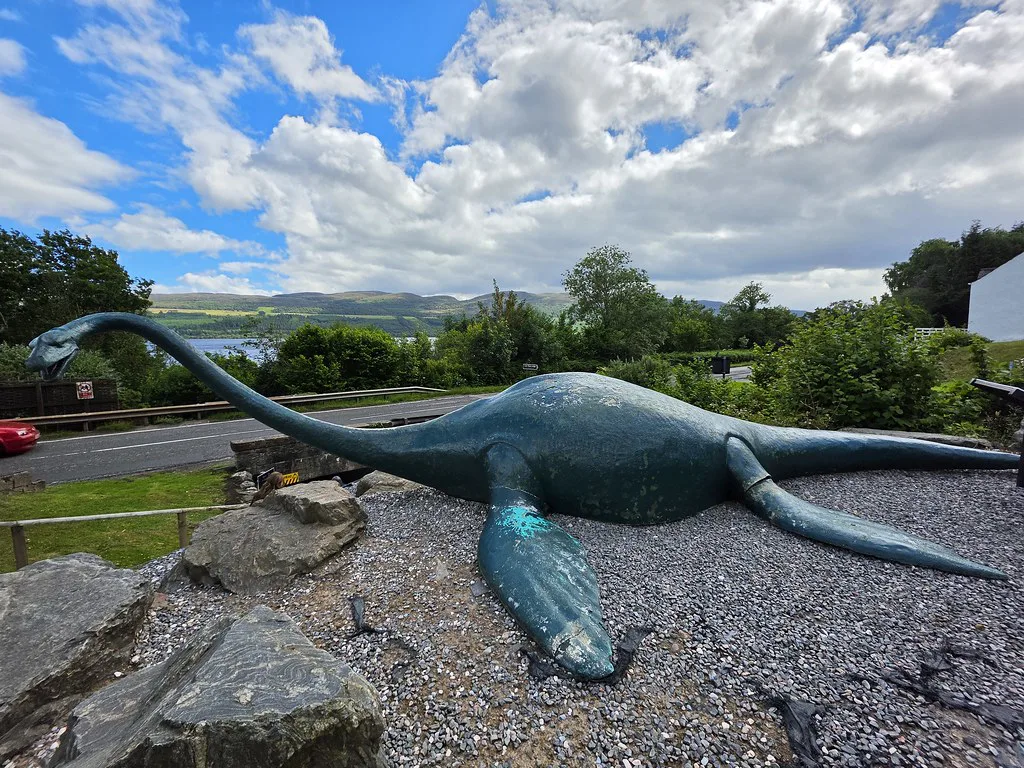
The loch is deep, narrow and stained brown-black by peat. Visibility under the surface is very low, so light does not reach far down. That makes the water hard to search by eye, and it is why sonar is the usual tool. Sonar can show large objects and fish shoals, but it cannot identify an unknown animal by itself. Nothing in the depth figures proves or disproves a monster. Read the full story in our Loch Ness Monster guide. The Loch Ness Centre covers the survey history and the legend, and our Loch Ness Centre page explains the visit.
What the Depth Means for Your Visit
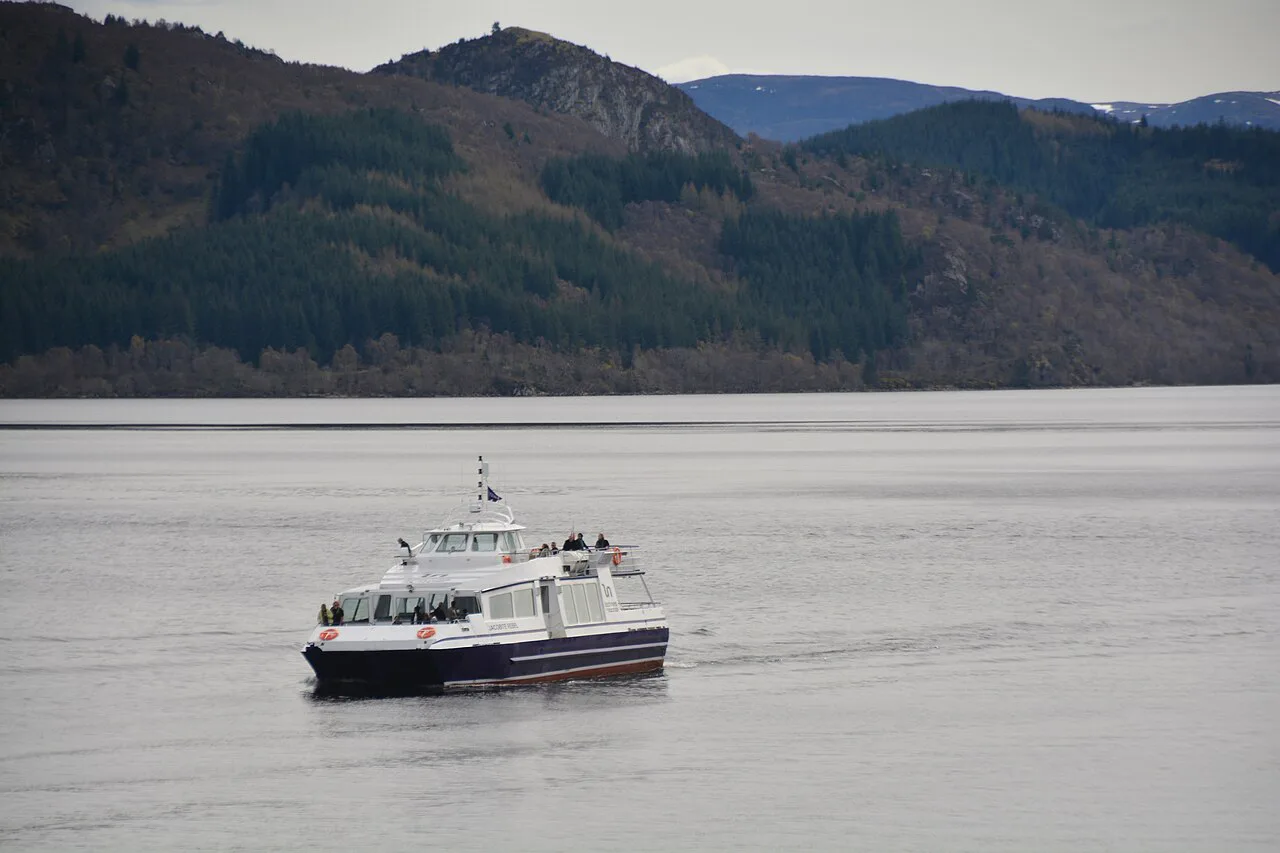
Depth shapes what you can safely do. The water is cold and drops away fast, so a calm surface does not mean easy conditions. Read Water Safety Scotland guidance before any swim, then see our Loch Ness swimming guide. Do not expect to see the bottom or anything below the surface from the shore. A boat trip is the best way to feel the scale of the loch. Our Loch Ness boat tour guide explains the options. If you stay on land, plan stops with 12 Best Things to Do in Loch Ness: Castle, Cruises & Routes. Current visitor details are on Visit Inverness Loch Ness.
Only the mid-loch point reaches about 230 metres (755 feet), yet the steep drop-offs mean shore swimmers meet deep water quickly.
- Swimming: cold water and steep drop-offs; read the swimming guide first
- Boat tour: the best way to see the loch's scale; no view of the bottom
- Shoreline walk: pick a viewpoint and expect dark, opaque water
- Monster hunting: low visibility makes sightings hard to confirm
Frequently Asked Questions
Which is deeper, Loch Ness or Loch Lomond?
Loch Ness is the deeper of the two, at about 230 metres (755 feet) at its maximum. Loch Lomond is wider and has a larger surface area, but it is much shallower.
Notes for your next lake trip
Optional updates to our lake guides.
You might also like

Continue reading
More guides you'll find useful