Tarn Hows Walk: Route, Parking, Access and Tips
Plan a Tarn Hows visit: the circular walk, parking and access, the best time to go, and how it compares with other Lake District lakes.
On this page
Last updated November 2026: Tarn Hows is a small, largely man-made tarn between Coniston and Hawkshead, cared for by the National Trust. Its level circuit of about 3.2 km suits families, pushchair users and short-stay visitors. If you want bigger water or a harder day, pick a larger lake from our guide to the Lake District lakes.
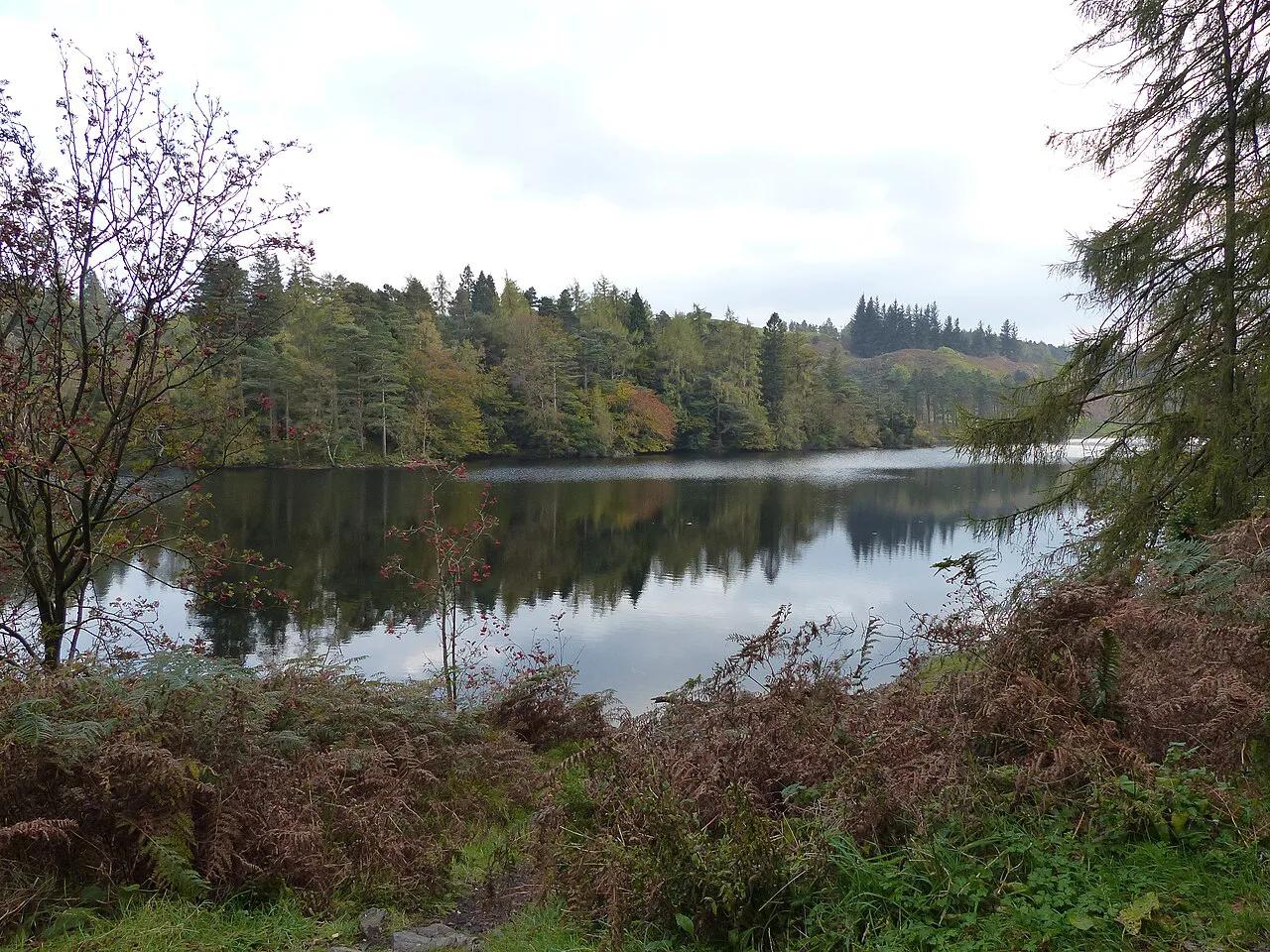
Featured image: Anthony Foster, CC BY-SA 2.0, via Wikimedia Commons.
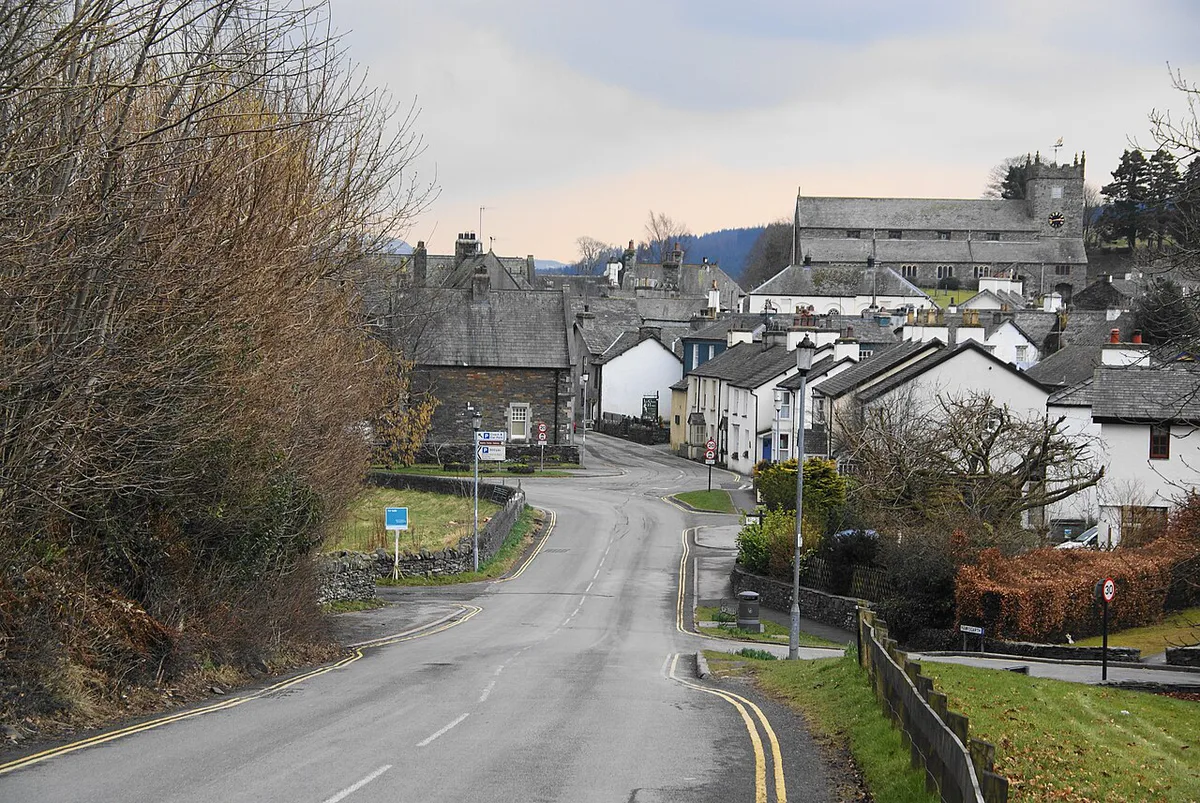
Tarn Hows at a glance
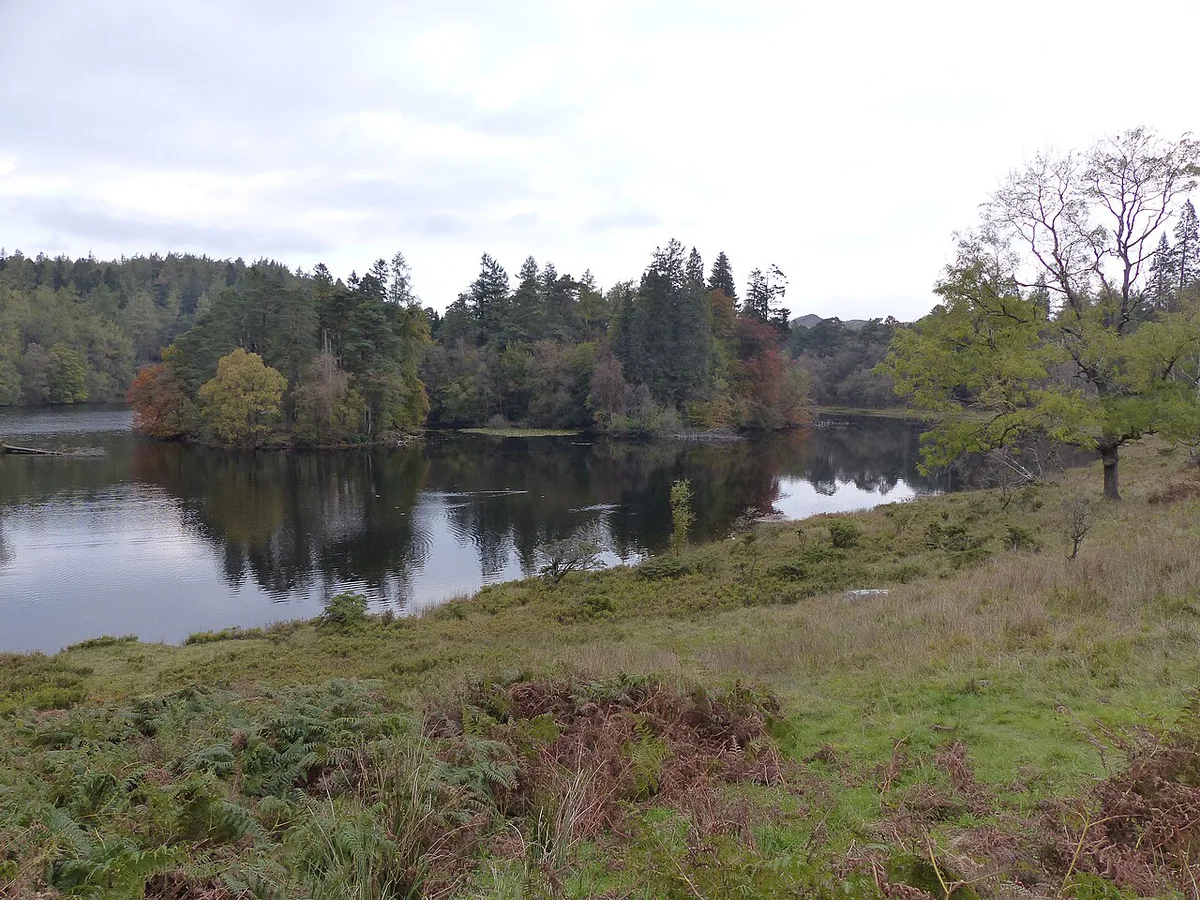
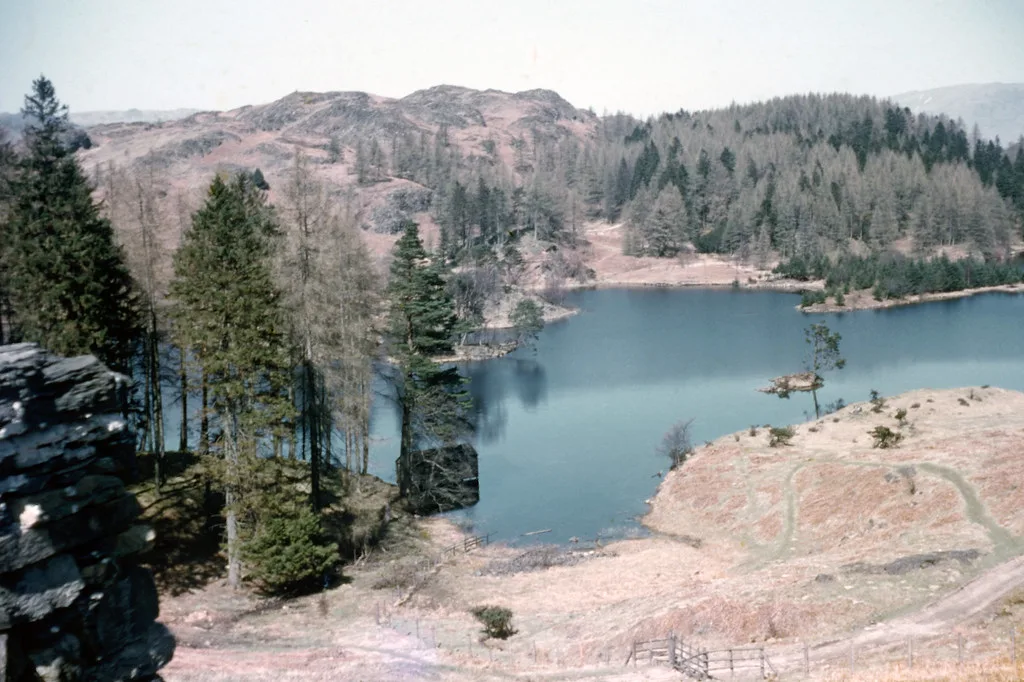
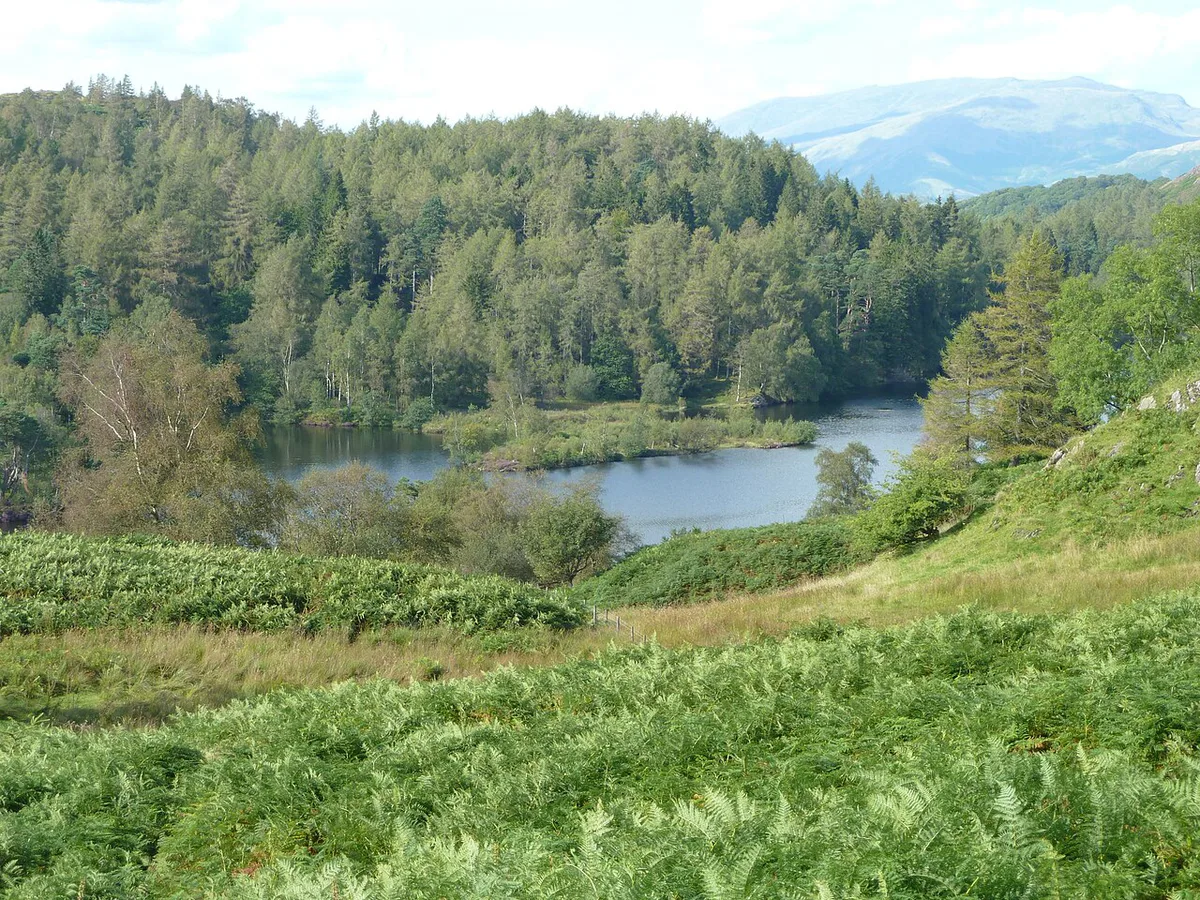
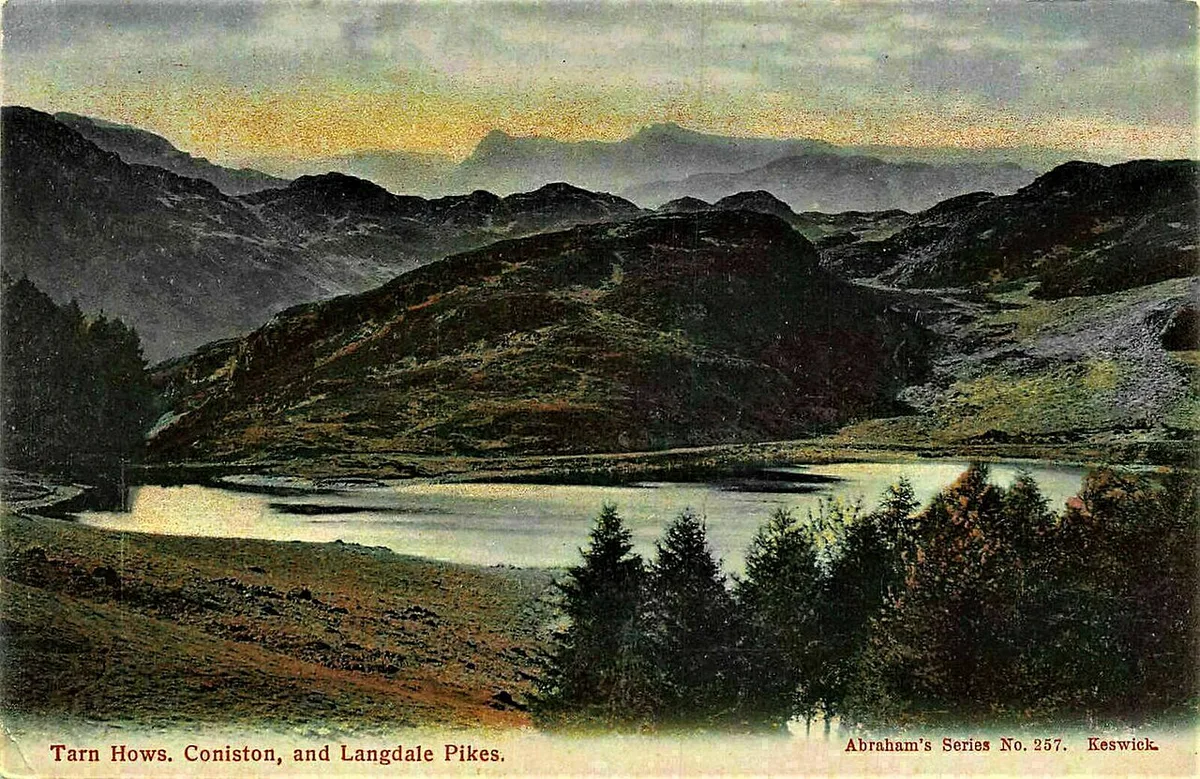
Tarn Hows sits in Cumbria, inside the Lake District National Park. Smaller tarns were joined in the 19th century to form the water you see today. You are therefore walking around a landscaped tarn, not a glacial lake. Fells rise behind the water, and conifers and broadleaf trees line much of the shore. Most visitors treat it as a gentle half-day outing rather than a hill day.
- Location: between Coniston and Hawkshead, Cumbria
- Run by: the National Trust
- Circuit length: about 3.2 km (2 miles)
- Walking time: about 1 hour at an easy pace
- Best for: families, pushchairs, photographers and first-time visitors
- Less suited to: anyone who wants a summit or a long hill walk
The Tarn Hows circular walk
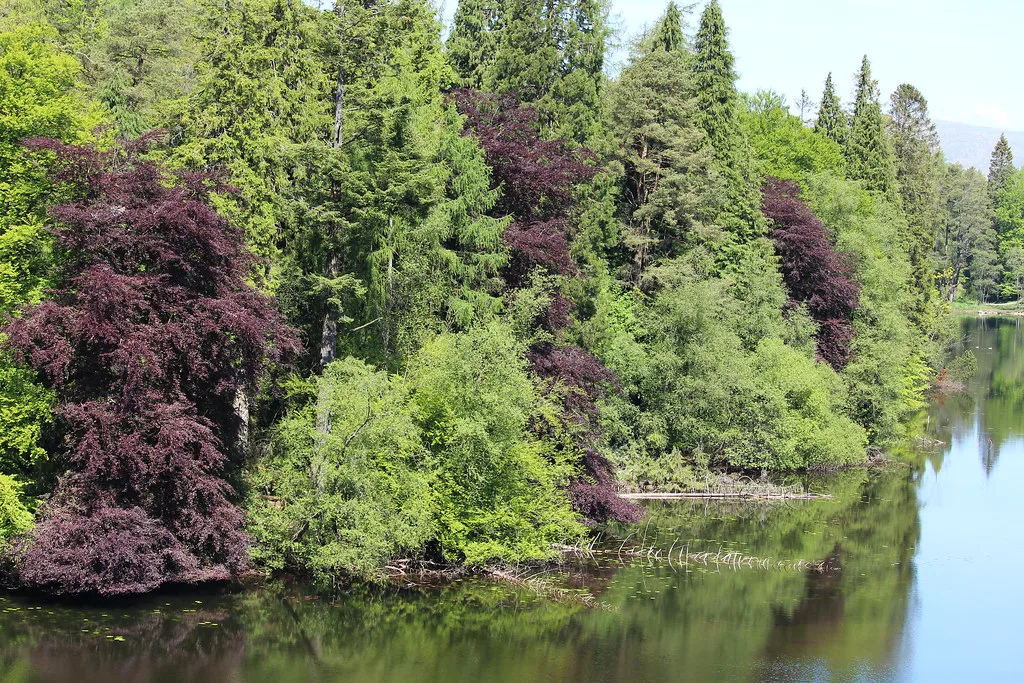
Most visitors walk the circuit of about 3.2 km (2 miles), which takes about 1 hour at a relaxed pace. Photo stops and picnics stretch that. From the car park you cross the road and drop down to the shore. Follow the signed main path around the water and return to where you started. Current route details sit on the National Trust Tarn Hows page. Side paths climb away from the main track to higher ground with wider views over the tarn and fells. Some of those paths cross muddy fields. In wet weather, stay on the main surfaced track and skip the climb.
Is Tarn Hows suitable for pushchairs and wheelchairs?
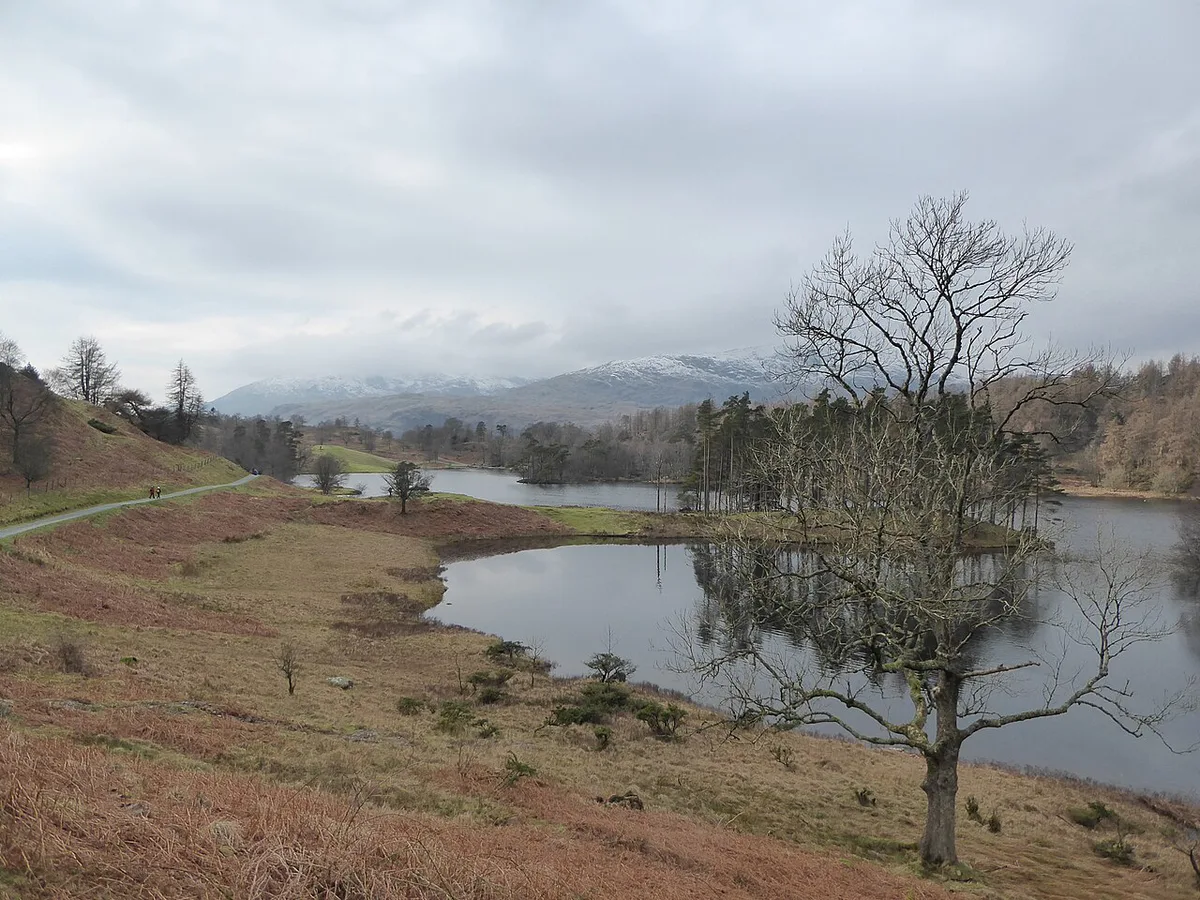
The main circuit is level and surfaced, and families with pushchairs and mobility-scooter users regularly use it. Edges can soften after heavy rain, and the side paths are rougher. Wheelchair users should read the National Trust's access notes before arriving. Surface, gradient and facility details are best taken from that source. Toilets and refreshments vary by season, so check the same page for what is open on the day. Keep to the main track if anyone in your group needs a smooth surface.
Parking, costs and getting there
Tarn Hows has a National Trust pay-and-display car park close to the start of the circuit. Members of the National Trust normally park free, but check your own membership terms. Everyone else pays, and tariffs and payment methods change, so read the current charge on the National Trust page rather than a printed figure. Prices and hours were last checked in November 2026. Approach roads are narrow, and the car park fills on fine weekends and in school holidays. Arrive early or after the midday rush. If it is full, switch to the shoreline and village options around Coniston Water: Things to Do, Getting There and Where to Stay instead of circling. Car-free visitors should check current bus timetables from Coniston, Hawkshead or Ambleside, since a seasonal service may or may not run. For the long haul north, see our guide to reaching the Lakes from London.
When to go: crowds, seasons and weather
Weekends, school holidays and summer afternoons bring the heaviest traffic. Early mornings and late afternoons are calmer and better for photography, when low light picks out the fells across the water. Autumn colour in the trees around the shore draws visitors, so expect a busy car park on bright October days. Winter can bring ice and frozen mud on the paths, so wear footwear with grip. Rain is common in the Lakes all year. A wet day still works if you stay on the main track.
How much time to allow
These are our estimates, based on the roughly 1-hour loop. Add time for photos, children and café stops.
Planning for 2 to 3 hours lets you arrive after the midday rush, when the car park fills on fine weekends and in school holidays.
- Quick loop: about 1 hour, car park to car park
- Longer visit: 2 to 3 hours with a higher viewpoint detour and a picnic
- Half-day: the circuit plus a stop in Coniston or Hawkshead
Tarn Hows vs other Lake District lakes
Tarn Hows is the easiest option here, but you reach it by car and it offers views rather than boating. Choose bigger water if you want a day on the lake. Derwentwater offers more water access. For a calm shoreline stroll, try Grasmere or Rydal Water: Walks, Access & How to Visit. Coniston Water pairs well with the tarn, and Coniston Launch runs boat trips on it. Our guide to the lakes of England shows how the Lake District compares with other regions.
| Lake | Effort | Car dependence | Water access |
|---|---|---|---|
| Tarn Hows | Low | High, car park based | Shoreline views only |
| Coniston Water | Low to medium | Medium, village base | Boat trips and shore access |
| Derwentwater | Low to medium | Medium | More water access |
| Grasmere and Rydal Water | Low | Medium | Shore paths |
Where to stay and what to combine nearby
Coniston and Hawkshead are the two nearest bases, and both sit close to the tarn. Coniston puts you beside the larger lake and its boat trips. Hawkshead is a village stop for lunch or an overnight stay. Pair Tarn Hows with a lakeside afternoon at Coniston Water, where Brantwood is also on the shore. That combination makes a full day without much driving.
Mistakes to avoid
Most problems at Tarn Hows come from planning, not distance.
- Assuming it is a natural lake, when it is largely man-made
- Relying on a printed tariff instead of the National Trust page
- Wearing thin shoes on the muddy side paths
- Expecting signed waterfalls or hidden extras off the main track
- Arriving at peak time with no plan B if the car park is full
Frequently Asked Questions
Is Tarn Hows an easy walk?
Yes. The main circuit is about 3.2 km, mostly level, and takes about 1 hour. Higher side paths are muddier and steeper.
Is there a cafe at Tarn Hows?
Refreshments and toilets vary by season. The National Trust page lists what is open for your visit.
Can you give me an example of a tarn lake?
Tarn Hows is a good one. A tarn is a small mountain lake, and this one was enlarged by joining smaller tarns in the 19th century.
Notes for your next lake trip
Optional updates to our lake guides.
You might also like
Continue reading
More guides you'll find useful