Spiez Travel Guide: Castle, Lake Thun & Day Plans
Plan Spiez on Lake Thun: castle, vineyards, boat and train access, time needed and how it compares with Thun and Oberhofen.
On this page
Last updated November 2026. Spiez is a lakeside town on the south shore of Lake Thun in the Bernese Oberland, and it suits travellers who want a castle, vineyard slopes and lake views in one compact stop. It also works as a rail and boat hub, so you can slot it between trains or build a full day around it. Use this page with our Lake Thun travel guide to decide how long to stay.
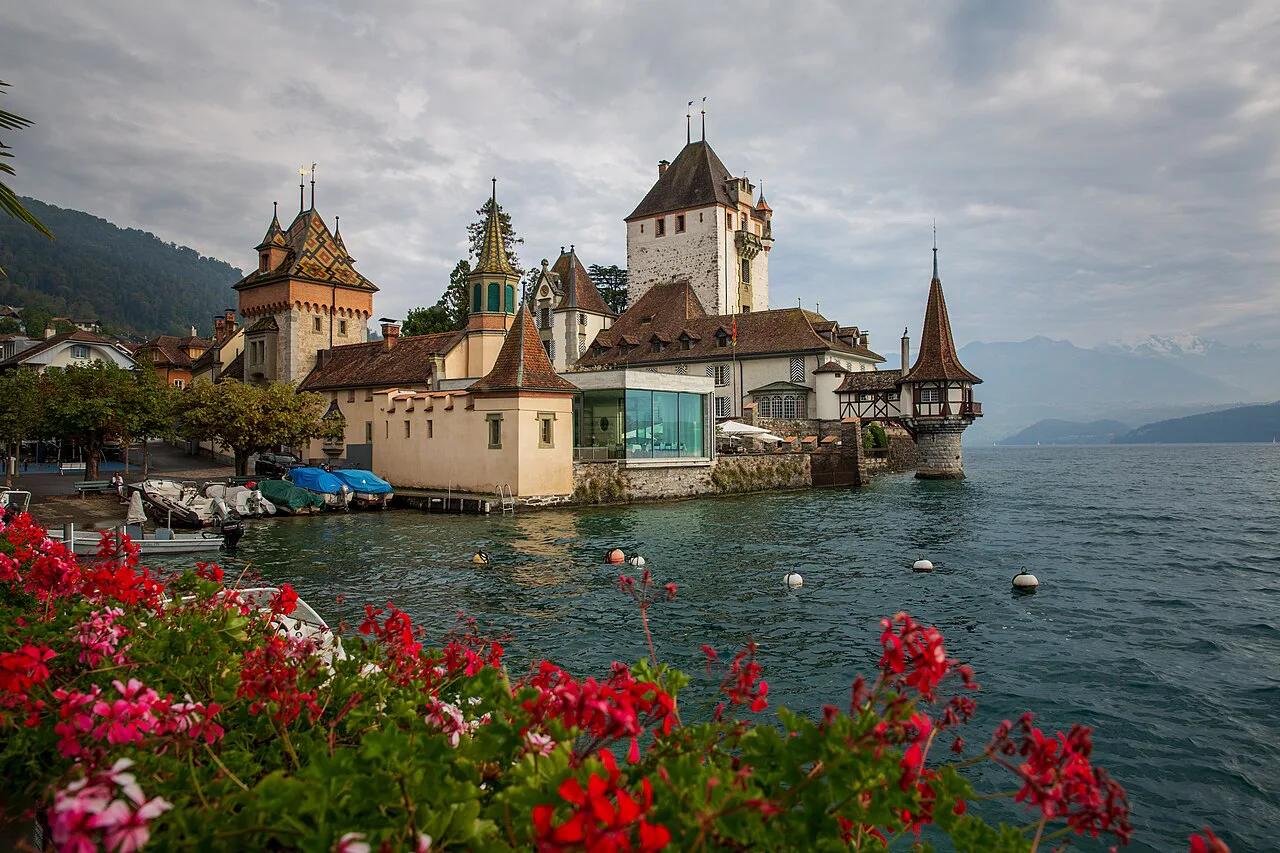
Featured image: Christian David, CC BY-SA 4.0, via Wikimedia Commons.
Spiez at a Glance
Spiez sits on the south shore of Lake Thun, in the canton of Bern. Its railway station stands at 628 m (2,060 ft) above sea level. The municipality runs from the lake at 558 m up to 852 m on the ridge at Hondrichhügel. That ridge separates the waterfront from the Kander river to the south. Besides the town itself, the municipality includes four other settlements. Visitors will mostly use the town centre, the castle and the harbour. Faulensee is the quieter lakeside village option.
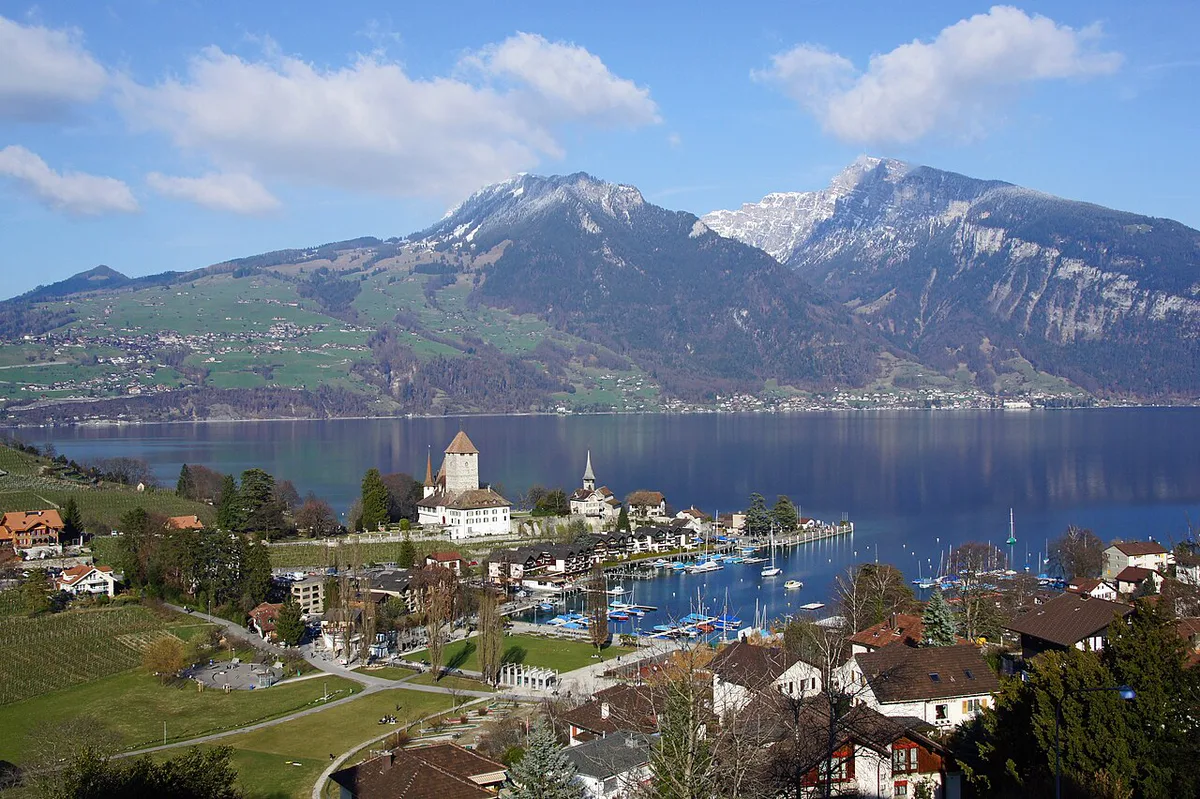
- Region: Bernese Oberland, canton of Bern
- Villages in the municipality: Einigen, Hondrich, Faulensee and Spiezwiler
- Best for: castle visit, lake views, vineyard walks and onward rail or boat connections
- Official tourism framing: the town's own site promotes it as an energy spot at the water
- Pronunciation: roughly "shpee-ets"
Best Things to Do in Spiez
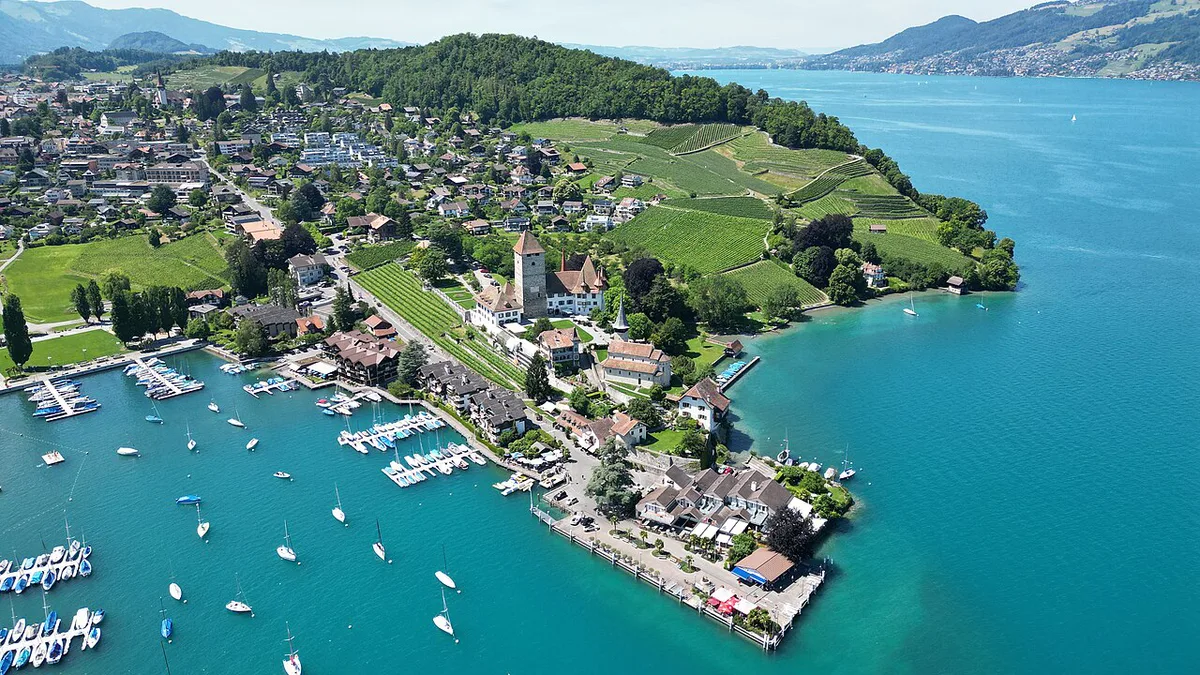
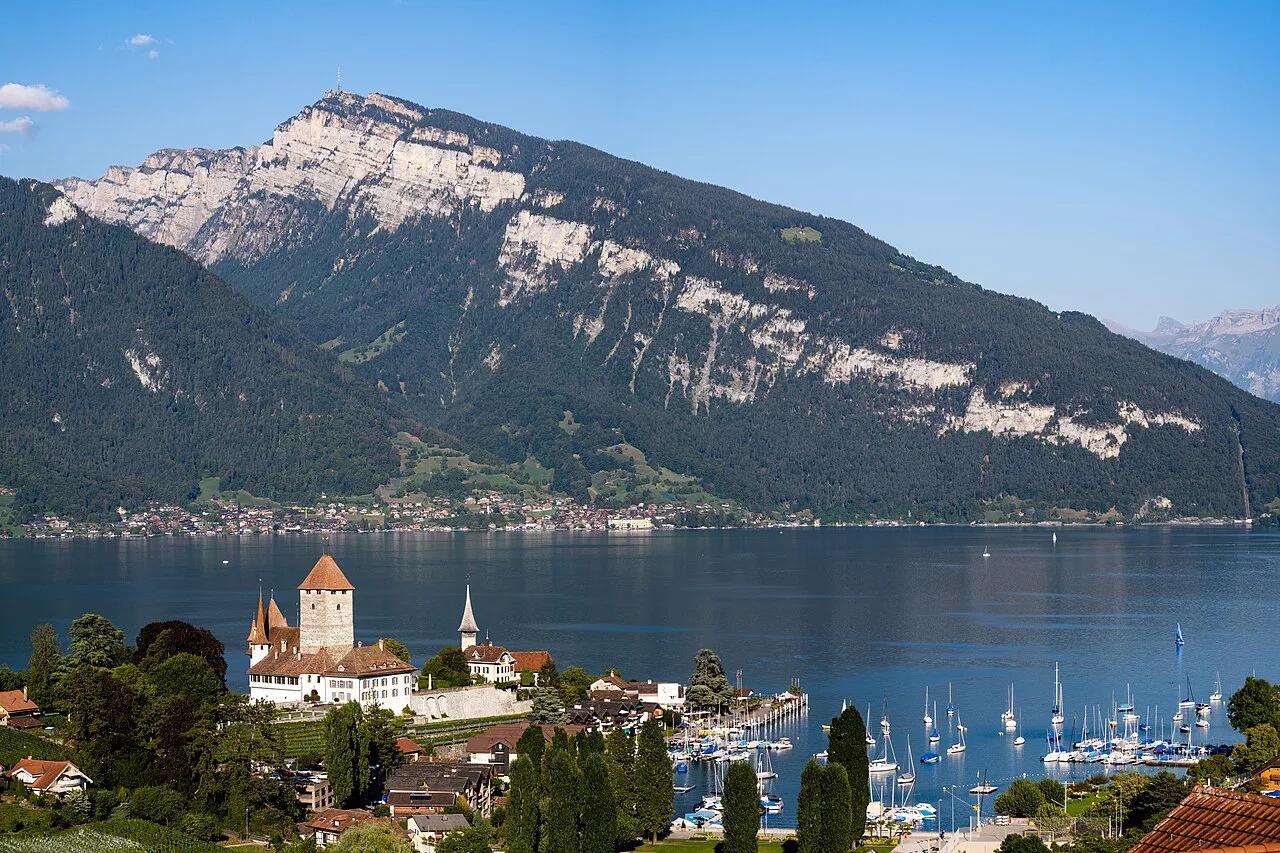
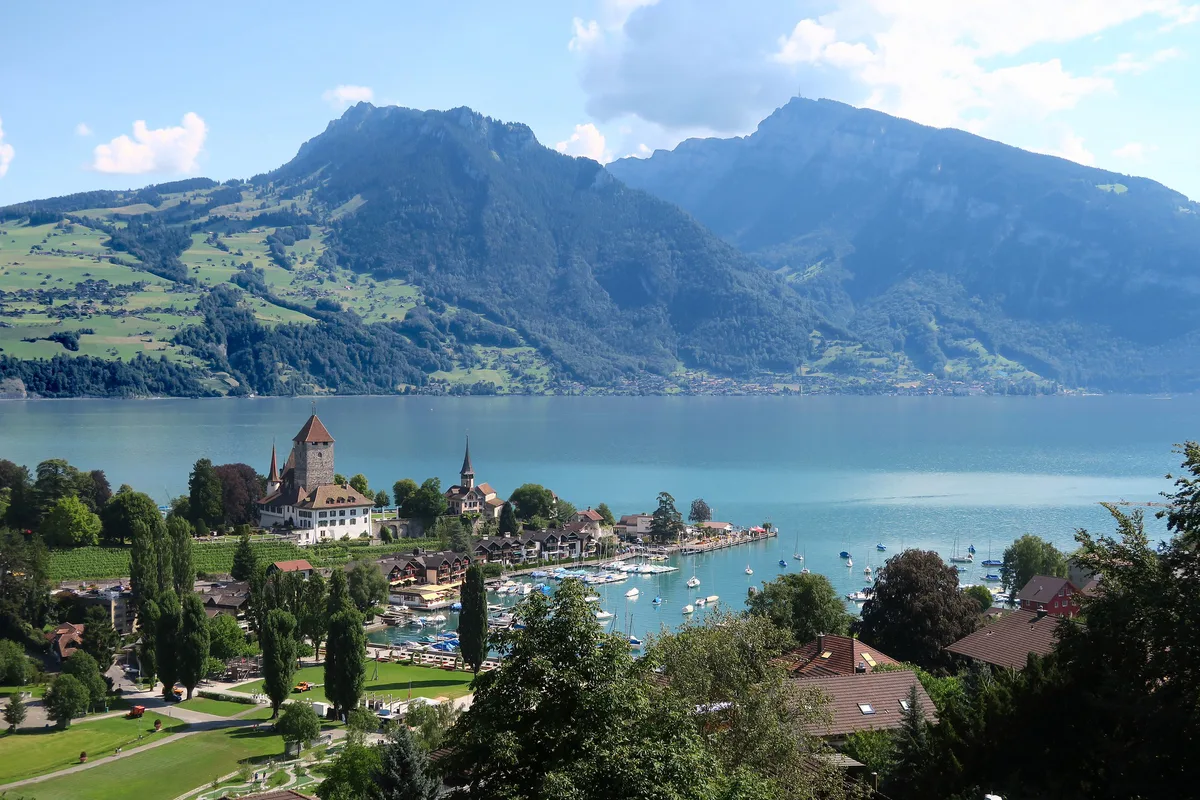
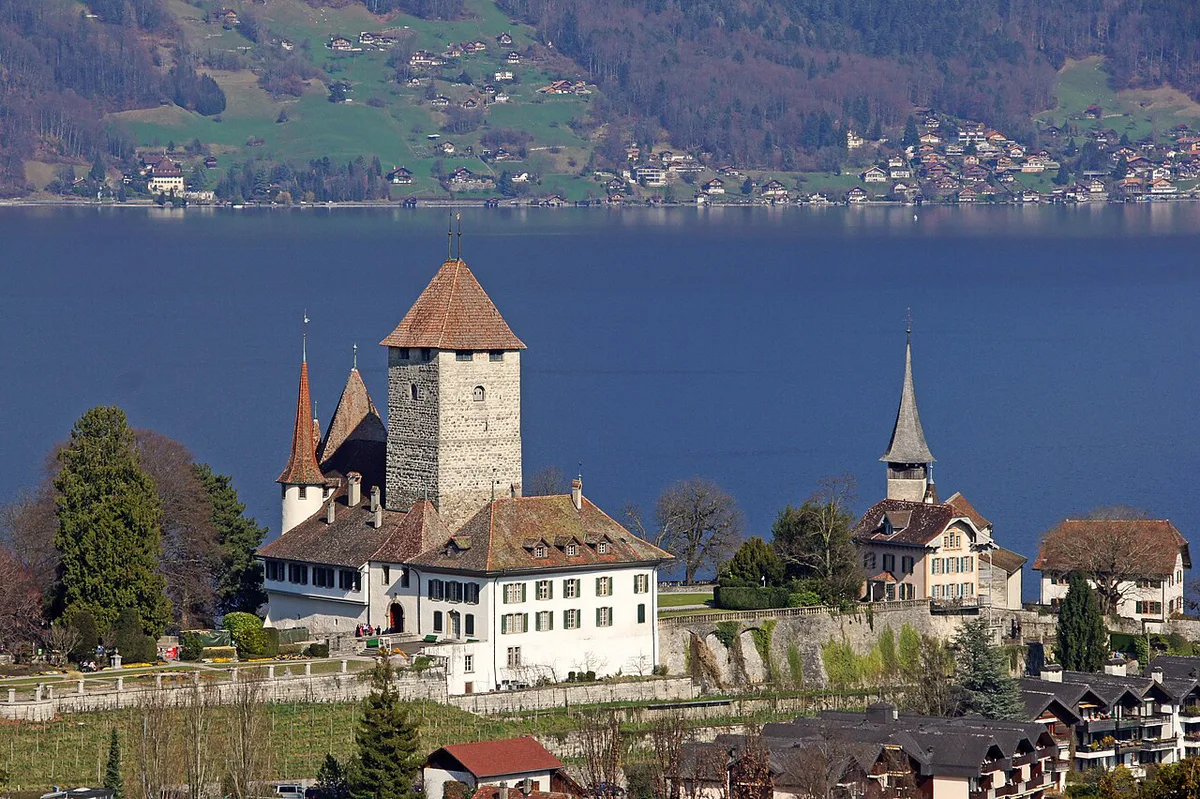
Spiez Castle is the main sight. Its medieval walls overlook the lake, and visitors can walk through the grand halls, including a Baroque banquet hall built in 1614. Opening dates and admission are listed on the castle's official site. Next to the castle stands the Swiss Reformed castle church, which sits on an early Romanesque building. Its crypt dates from about 1000. Above the water, the Rebberg slopes carry the town's vineyards. Records first mention Spiez vines in 1338. Disease wiped them out in 1900, and a restart in 1927 on Spiez mountain and at Faulensee was fairly successful. Walking up through the vines gives you the classic view back over the bay. The harbour and lakeside promenade need no ticket. Local tourism lists hiking and cycling routes, including mountain biking, so ask the tourist office or check the regional Lake Thun tourism site for current trail maps.
- Spiez Castle and its banquet hall: allow time for the interior rooms
- Castle church and crypt: next to the castle grounds
- Rebberg vineyard slopes: the best viewpoint over the bay
- Harbour and promenade: free, and the natural place to wait for a boat
- Faulensee: a quieter lakeside village within the municipality
Heritage and History in Brief
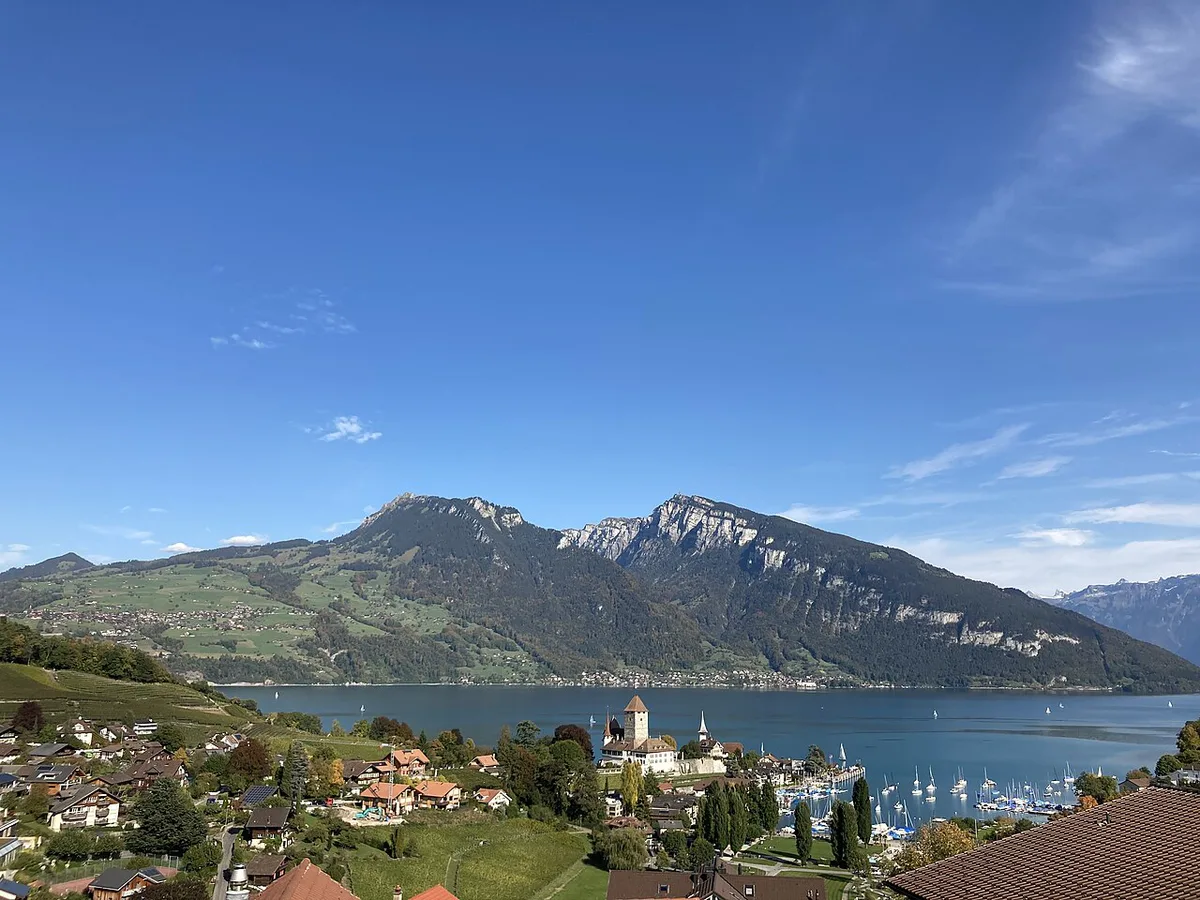
Four sites in Spiez are listed as Swiss heritage sites of national significance. They are the Bürg archaeological site, the castle church, Spiez Castle and the Weinbauernhof. For a visitor, that means the castle area is the town's historic core. Tradition credits King Rudolph II of Burgundy with building the castle in 933. Parts of the shield walls and main tower date to the 12th century. Bern adopted the Reformation in 1528, and the church then became the centre of the new Reformed parish. In the 19th century, mild weather and new transport links made Spiez a spa and resort town. Hotels opened along the shore from 1856.
How Much Time to Plan in Spiez
Spiez rewards a short stop, but a longer stay pays off in good weather. A stop between trains covers the harbour and a walk toward the castle. A half day adds the castle interior and the vineyard viewpoint. Check castle hours on its official site before you commit, because seasonal opening affects the plan.
| Visitor type | Time | What fits |
|---|---|---|
| Stop-over between trains or boats | 1 to 2 hours | Harbour, promenade, castle exterior and church |
| Half day | About 4 hours | Castle interior, church, then a walk on the Rebberg slopes |
| Full day or overnight | 8 hours or more | Add Faulensee, a longer hike or cycle ride, and a lake boat leg |
Getting To and Around Spiez
Spiez is a major rail junction. The Thun–Spiez–Interlaken line opened in 1893, and trains on it are run by BLS and SBB. Trains toward Valais use the Lötschberg Base Tunnel, a 35 km bore that reaches Brig in about 35 minutes. The older Lötschberg line, about 500 m higher, still runs and is described as a scenic highlight. Another BLS line runs to Zweisimmen and is part of the Golden Pass Express between Lucerne and Montreux. Lake boats call here too. Consult BLS for lake shipping and rail times. If you prefer a slower route, our Lake Thun boat tour guide covers the water options. A car is not needed, because the station, harbour and castle are all part of the same compact town. A road connection exists, as the A6 and A8 motorways reach the area.
A Valais-bound train reaches Brig in about 35 minutes, so a stop of 1 to 2 hours in Spiez still leaves time for the castle.
- Train: faster and more frequent, best for tight schedules
- Boat: slower, more scenic, best on clear days
- Without a car: station, harbour and castle can be linked on foot
Costs, Tickets and Opening Hours
Castle admission and boat fares are set by their operators and change by season. Check the castle's official site and the BLS timetable for current CHF prices and dates.
- Free: lakeside promenade, harbour and village centre
- Free: walking among the vineyards on the Rebberg slopes
- Paid: castle interior, boat legs and parking
Where to Stay and Eat
Pick your base by what you need most. The town centre near the station suits rail travellers and early departures. The lakefront suits those who want water views from the room. Faulensee suits quiet evenings and a slower pace. Budget level and walking distance to the station are the main selection criteria. Hotels have operated along this shore since the 19th century, so choices range widely. For restaurants, the official tourism site lists a dedicated category, which is the best place to see current options.
Spiez vs Nearby Lake Thun Stops
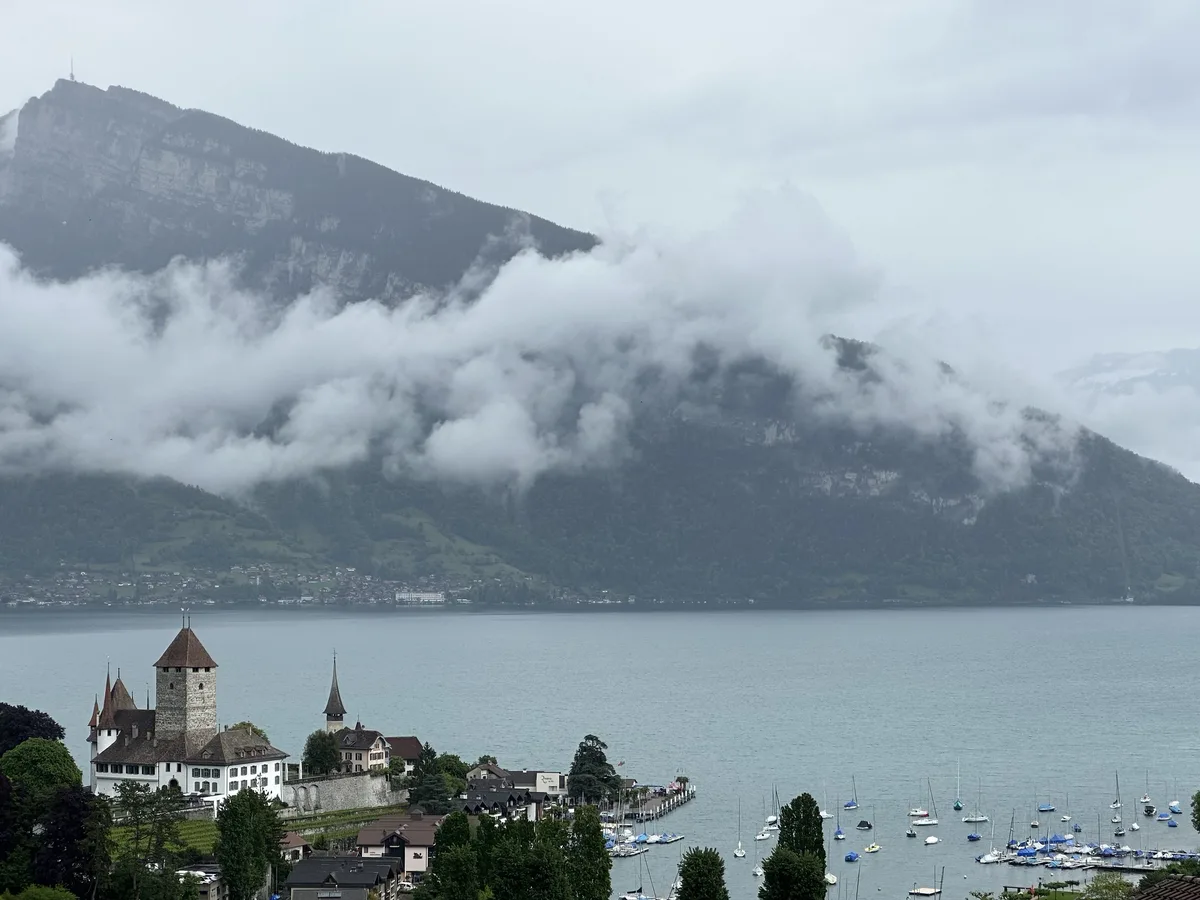
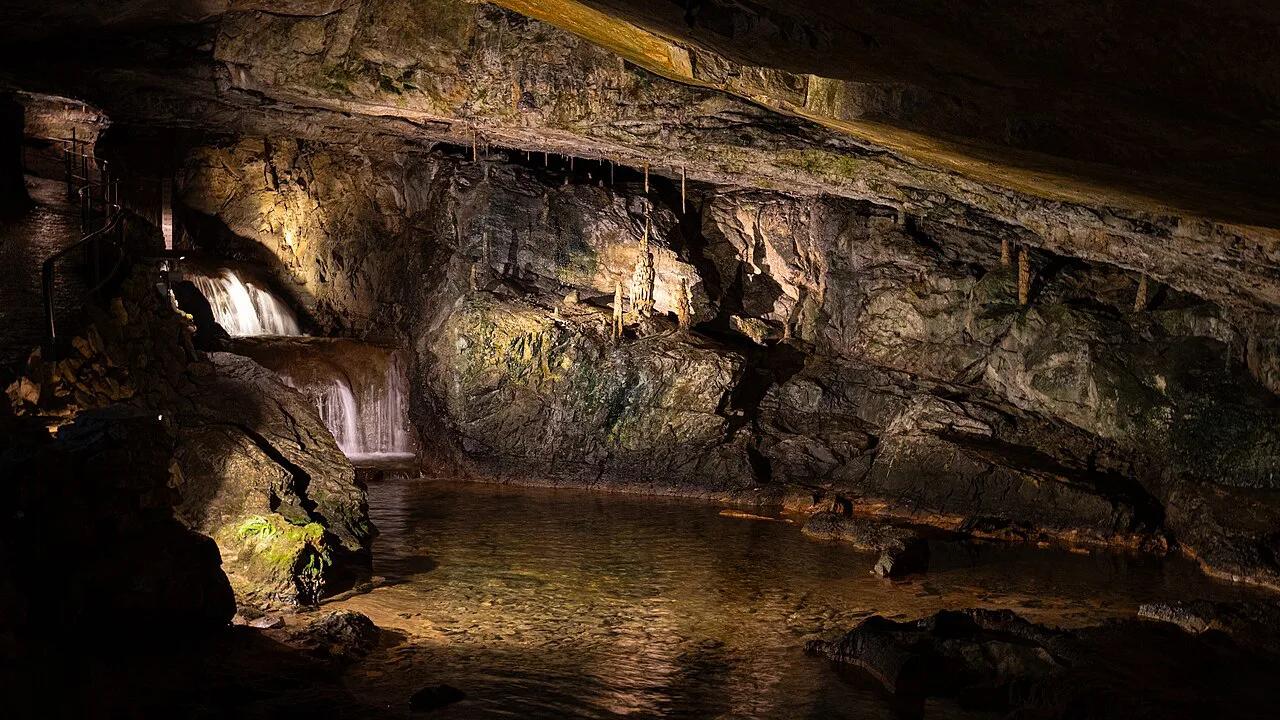
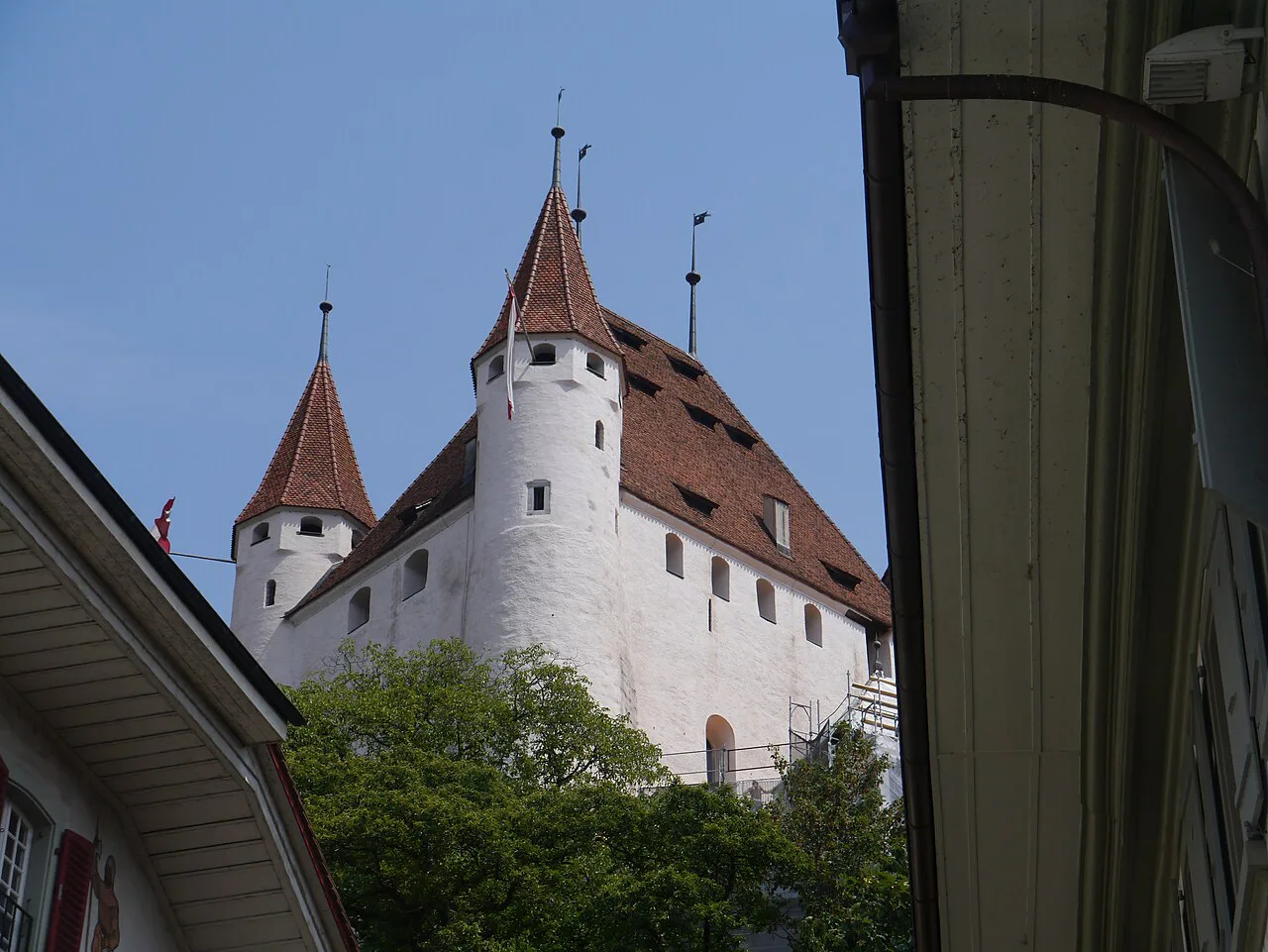
Spiez pairs well with other stops on the lake. Thun is the larger town with its own castle, and the Thun Castle Museum site has details. Oberhofen Castle Guide: Access, Tickets and Tips makes a second castle stop on the same shore. The St. Beatus Caves are a nearby add-on for a different kind of visit. Confirm any boat links between stops on the BLS timetable before you plan a chain.
| Stop | What it offers | Best for |
|---|---|---|
| Spiez | Castle, church, vineyards, rail junction | Views and flexible connections |
| Thun | Larger town with a castle museum | City stroll and services |
| Oberhofen | Second lakeside castle | Castle lovers adding a stop |
| St. Beatus Caves | Cave visit, see the official site for details | A weather-proof option |
Mistakes to Avoid and Who Should Skip Spiez
Do not arrive without checking castle seasonal hours. Do not assume you need a full day, because a stop-over works well. Avoid poor weather if views are your main reason to come, since the bay and mountain panorama are the draw. On a rainy day, keep the castle interior and the church, then move on by train. On a clear day, add the vineyard walk and a boat leg. Travellers who want major nightlife or big-city sights can skip it.
Frequently Asked Questions
Is Spiez, Switzerland worth visiting?
Yes, if you like castles, lake views and easy connections. It works as a short stop or a half day. Skip it in poor weather if views are your goal.
What is Spiez famous for?
Spiez is known for its medieval castle, its castle church and its position on Lake Thun. Its vineyards and role as a rail junction add to that. Local tourism calls it the most beautiful bay in Europe.
How do you pronounce Spiez, Switzerland?
The German pronunciation is roughly "shpee-ets". The first sound is a soft sh, and the ending is a quick ts.
Notes for your next lake trip
Optional updates to our lake guides.
You might also like
Continue reading
More guides you'll find useful