Loch Lomond and the Trossachs National Park: Planning Guide
Plan Loch Lomond and the Trossachs National Park: which area to base in, how to get around, boat and walking options, and seasonal trade-offs.
On this page
Last updated November 2026. Loch Lomond and the Trossachs National Park is Scotland's first national park, established in 2002 and sitting just north of Glasgow and Stirling. Treat it as several trips rather than one: the lochside villages, the east-shore walking country and the Trossachs lochs each suit a different kind of visit. Start with our Loch Lomond hub for the lake itself, then use the zones below to pick a base.
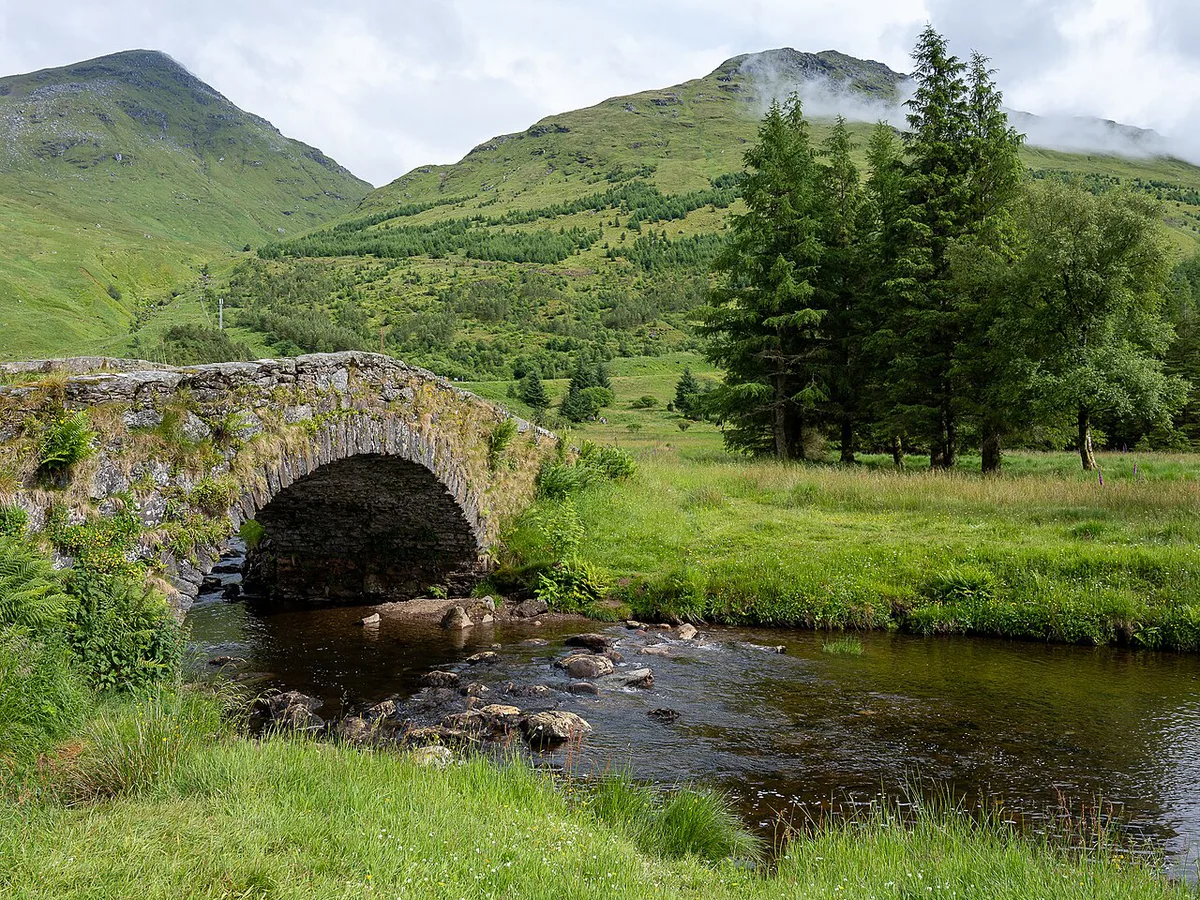
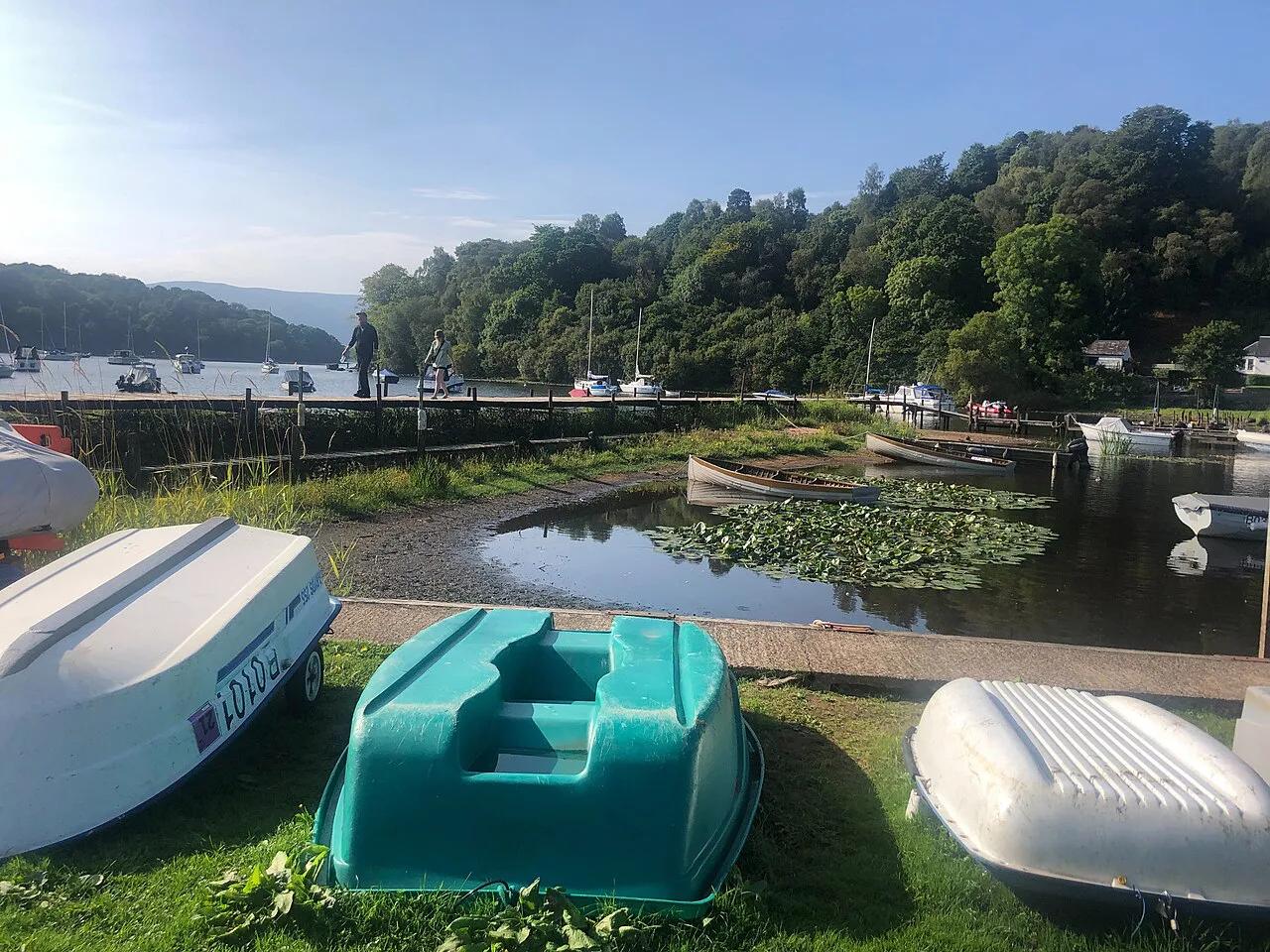
Featured image: Michal Klajban, CC BY-SA 4.0, via Wikimedia Commons.
Loch Lomond and the Trossachs National Park at a glance
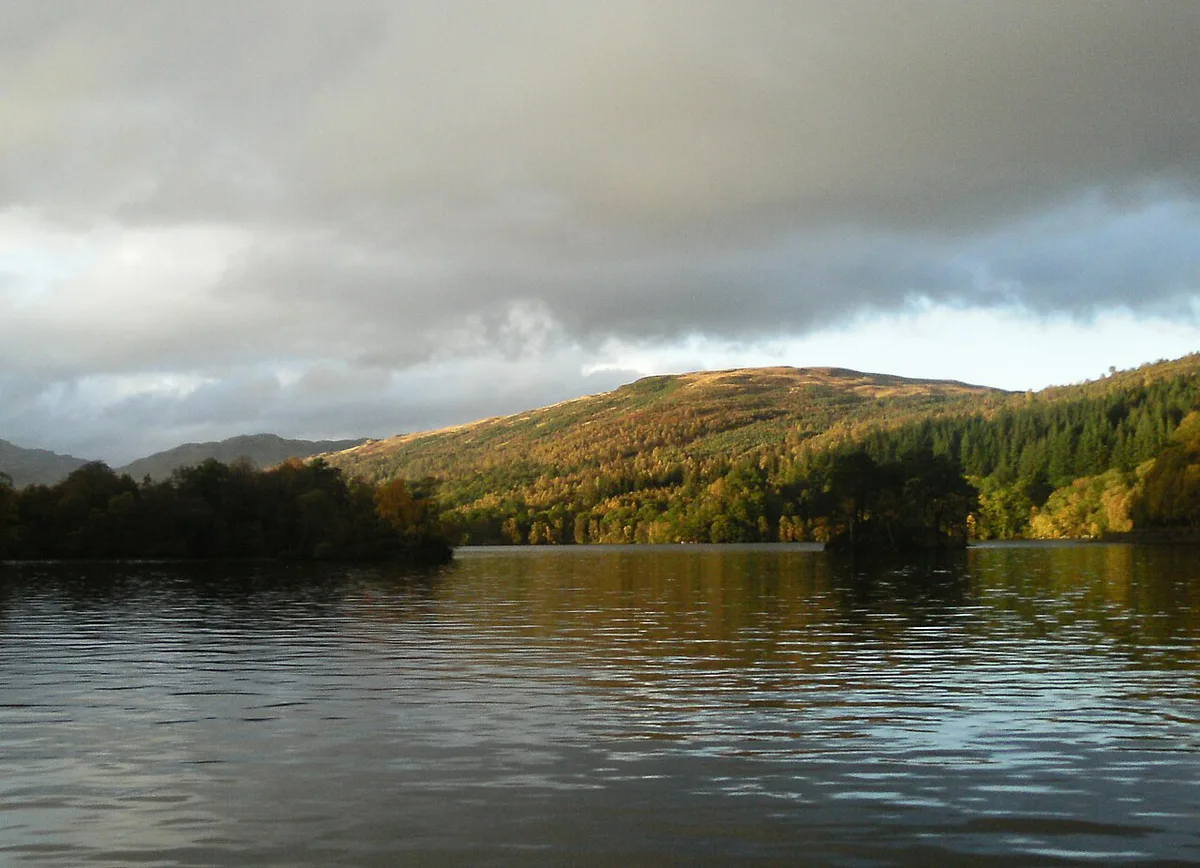
Scotland's first national park was established in 2002. It covers roughly 720 square miles of lochs, forests, glens and hills. Loch Lomond, the largest lake in Great Britain by surface area, gives the park half its name. The Trossachs, a region of wooded hills and smaller lochs, gives it the other half. The park also takes in Loch Katrine, Loch Earn and Balquhidder. Its landscape shifts from Highland mountains in the north and west to rolling Lowland country in the south. Details on boundaries, byelaws and visitor services are on the park authority's website.
Which area to choose: a zone comparison
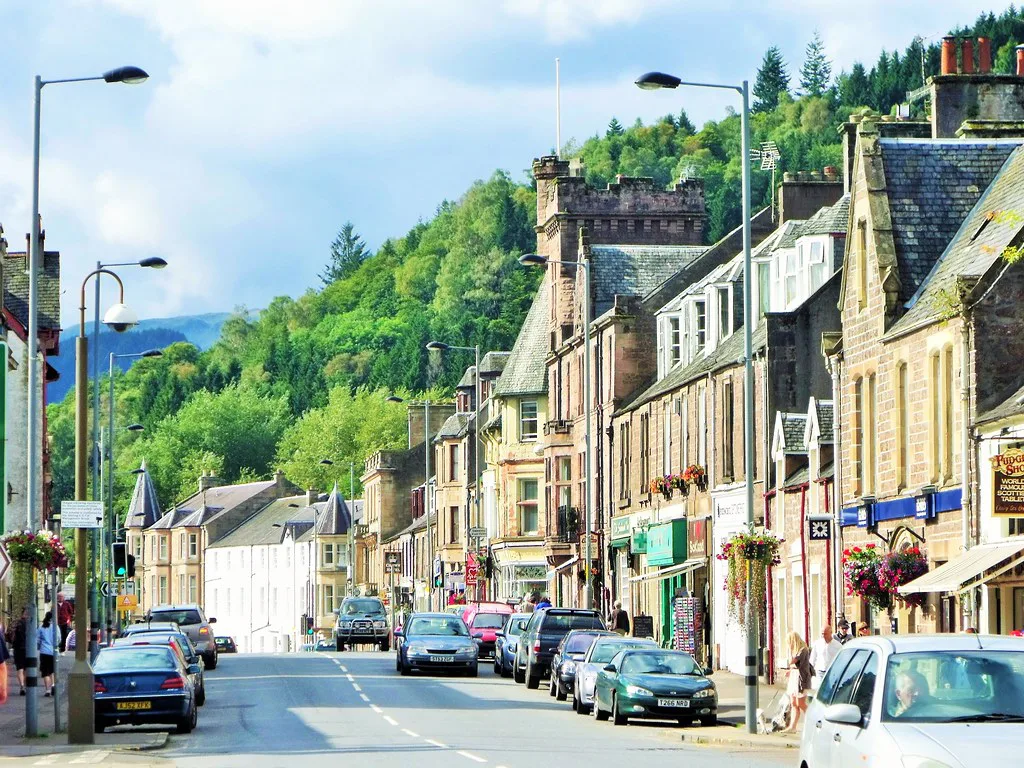
Pick the zone before the attraction. Driving between the east shore and the Trossachs takes real time, so a short trip works best in one zone. Prices and hours in this guide were checked November 2026, and cost levels below are relative.
| Zone and bases | Best for | Without a car | Crowds and season |
|---|---|---|---|
| West and south shore: Balloch, Loch Lomond Shores: Parking, Tickets & What to Do, Luss | First visits, cruises, short stays | Easiest. Rail reaches Balloch from Glasgow | Busiest in summer, especially Luss |
| East shore: Balmaha, Rowardennan, Inversnaid | Walking, Ben Lomond, quieter shoreline | Hard. Public transport is limited | Car parks fill early on fine weekends |
| The Trossachs: Loch Katrine, Loch Achray, Callander, Aberfoyle | Gentle lochside routes, steamship, heritage | Limited. Plan around bus times | Quieter outside summer, with reduced services in winter |
Best things to do in the park
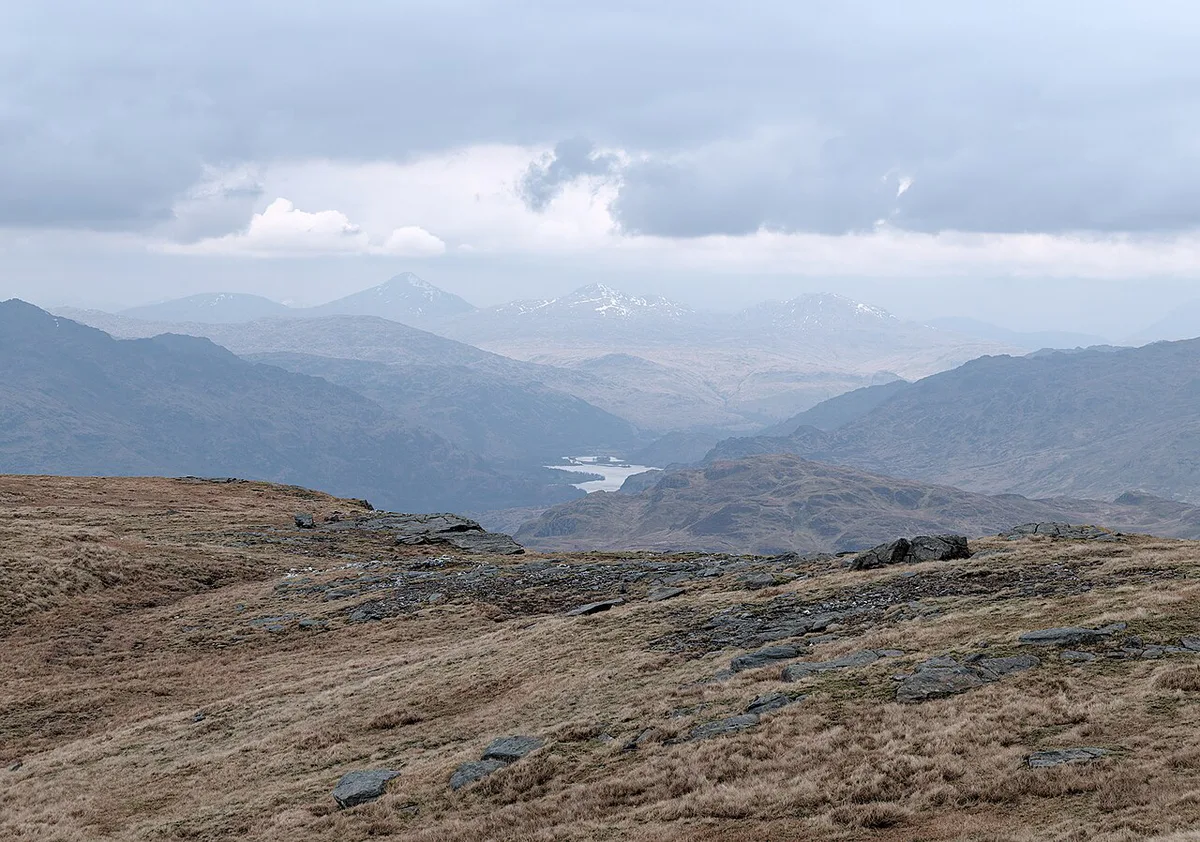
Walking is the park's backbone. The West Highland Way, Rob Roy Way and Three Lochs Way all pass through, and shorter routes start from the villages. Ben A'an in the Trossachs is a 2.4-mile climb with views over Loch Katrine and Loch Achray. Bracklinn Falls, near Callander, is a circular walk of about three miles. Ben Lomond is the serious option, listed at roughly 7.7 miles and strenuous. Check the route on the park's walking pages before you set out. Heritage fans should head to Loch Katrine, which inspired Sir Walter Scott's poem The Lady of the Lake and has supplied Glasgow with drinking water since the 19th century. Wildlife includes red squirrels, ospreys and otters, though sightings are never guaranteed. Our list of things to do around the loch covers the rest.
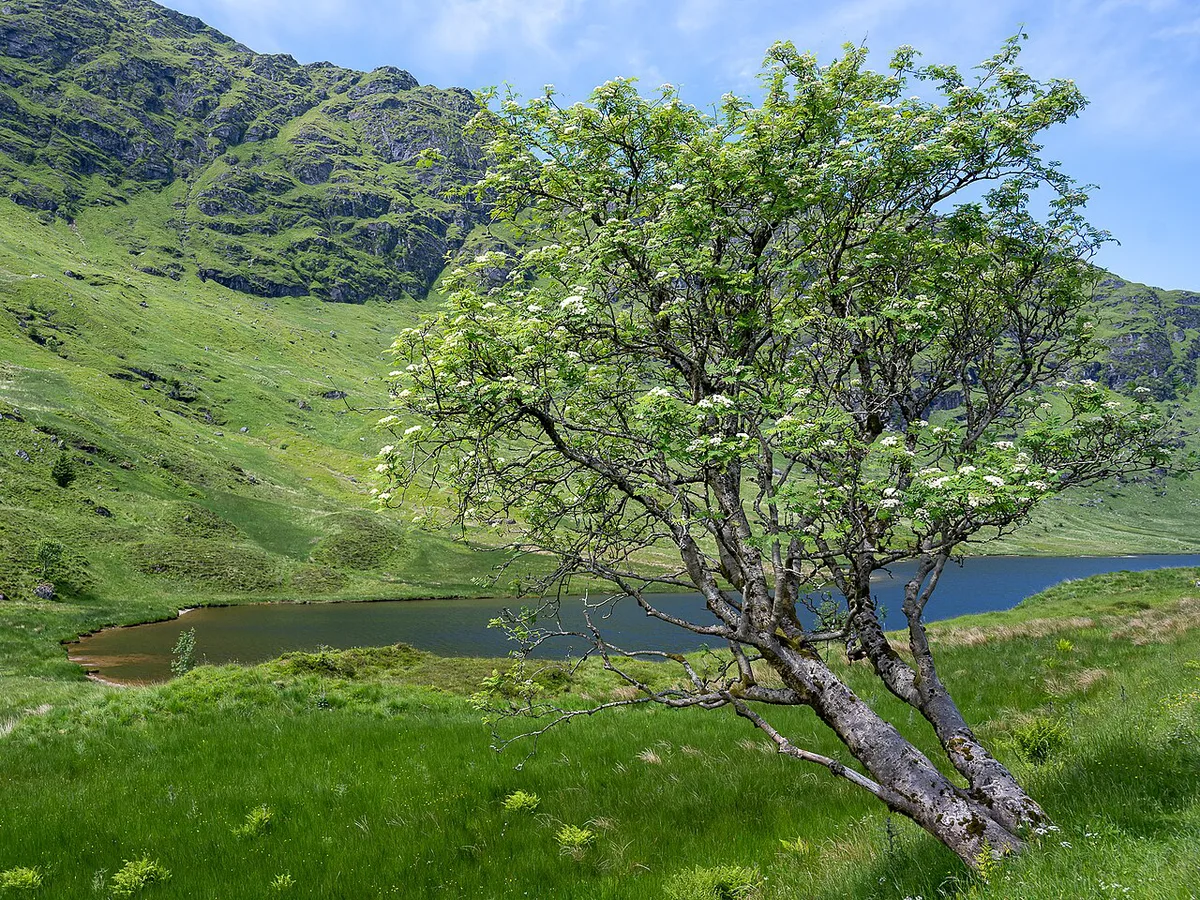
- Luss: sandy shoreline, sandstone cottages and a pier with views toward Ben Lomond.
- Balloch: the southern gateway, with shops, pubs and a country park.
- Loch Katrine: lochside paths and the Sir Walter Scott steamship, built in 1900.
- Inversnaid: a wild stretch of east shore with an RSPB reserve nearby.
Getting on the water: cruises, steamship and watersports
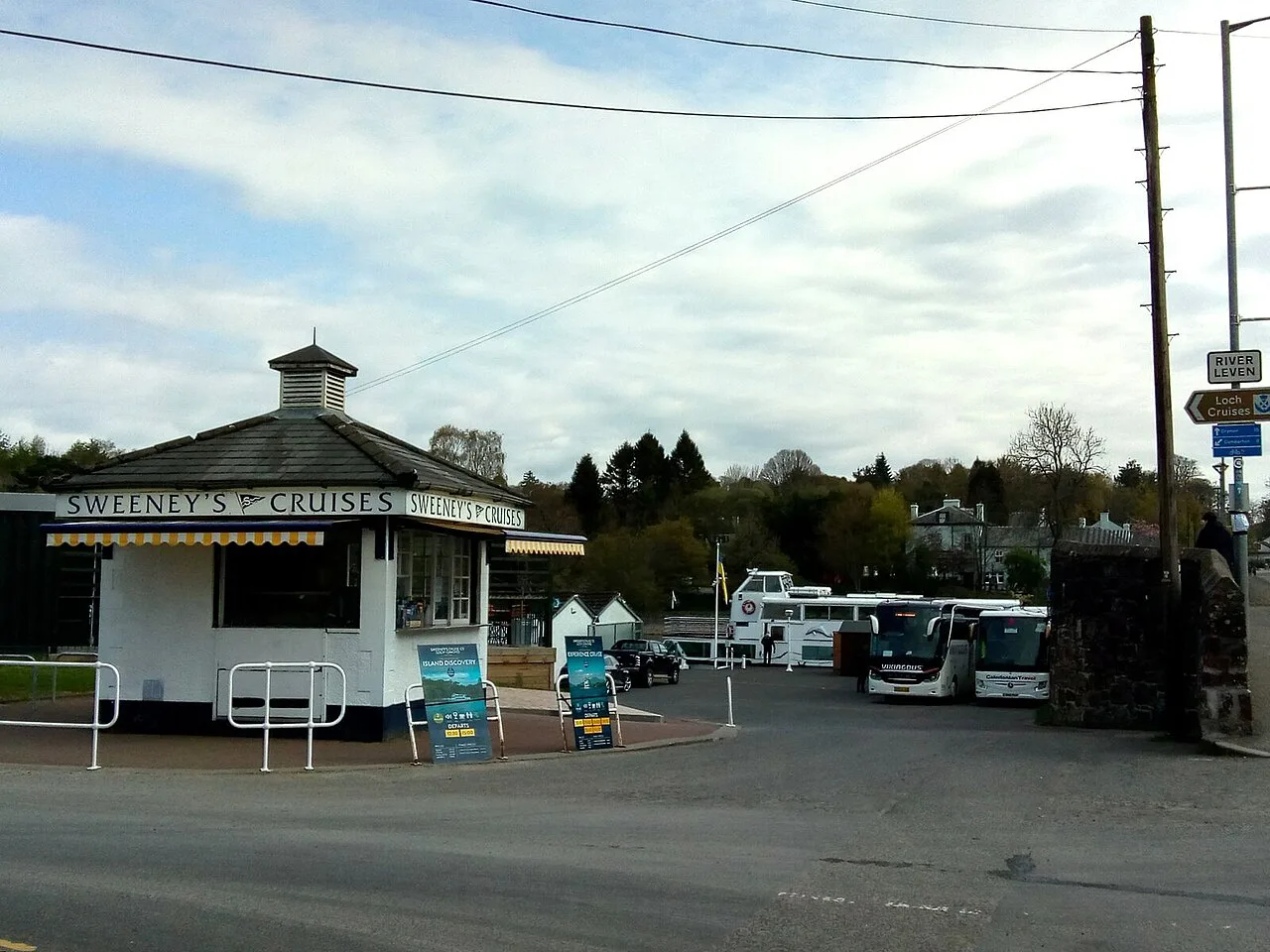
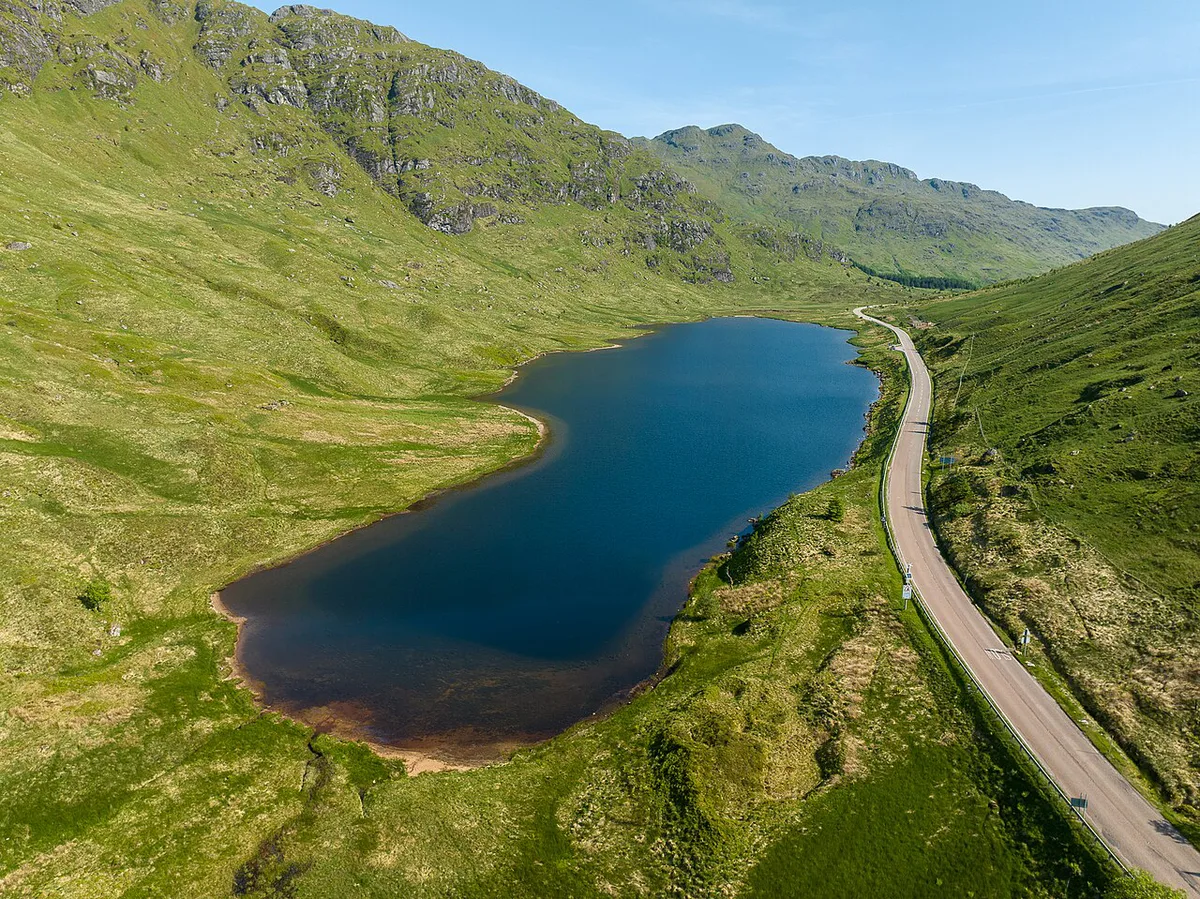
Water options differ most in season and access. Check each operator's current timetable before planning around it. Sweeney's Cruises runs sightseeing trips from Balloch. The Maid of the Loch is a paddle steamer moored at Balloch. Our Loch Lomond boat tour guide compares the trips in detail. Luss has a circular island cruise of around 90 minutes. Kayaks, canoes and stand-up paddleboards can be hired from several piers.
| Option | Season | Booking | Car-free access |
|---|---|---|---|
| Loch Lomond sightseeing cruise | Mainly spring to autumn | Advisable in summer | Yes, from Balloch |
| Loch Katrine steamship | Seasonal | Check operator | Hard without a car |
| Kayak, canoe or SUP hire | Warmer months | Often walk-up | Depends on the pier |
| Water-bus service | Seasonal | Check timetable | Yes at some piers |
How to plan your time
Half a day suits Balloch and Loch Lomond Shores, with a cruise if the timetable fits. One day works for Luss plus a shoreline stroll, or for Balmaha and a short east-shore walk. Two to three days let you add Ben Lomond or move into the Trossachs for Loch Katrine and Callander. Do not try to cover all three zones in one day.
Getting there and getting around
Trains from Glasgow reach Balloch, which makes the west shore the easiest car-free base. Check ScotRail for current times. Visitors from the capital can read our guide to Loch Lomond from Edinburgh: Train, Bus, Car or Tour. Bus links to the east shore and the Trossachs are thinner, so a car or taxi gives far more freedom there. Parking is tight at Luss, Balmaha and Rowardennan on summer weekends. Arrive early. Mobile signal can fail in glens and on hills, so download maps in advance.
Costs, tickets and opening hours
Entry to the park itself is free, and walking, lochside paths and village streets cost nothing. Paid items include cruises, the Loch Katrine steamship, boat and paddleboard hire, car parks and campsites. Cruise and steamship fares and sailing times change each season, so read them on the operator's own site. For village attractions, see Loch Lomond Shores and Luss Estates. Parking charges vary by site and are posted at the car parks.
Where to stay
Balloch suits visitors without a car and anyone on a short break. Luss gives a quieter village base but fills quickly in summer. Rowardennan and Balmaha put you beside the walking routes. Callander and Aberfoyle are the usual bases for the Trossachs. Campsites include Loch Chon, Cashel and Cobleland, and Loch Katrine Eco Camping. Book ahead in July and August.
Wild camping, access rules and staying safe
Do not assume wild camping is allowed everywhere in the park. Camping management rules, including permit zones on some shores and seasonal limits, are set by the park authority. Read them on the official site before you pitch a tent. Follow the Scottish Outdoor Access Code, take litter home and avoid open fires. Midges are worst in warm, still summer weather. Winter brings short days and colder conditions on the hills.
Mistakes to avoid
Most problems come from planning the park as a single stop.
- Treating the park as one destination instead of choosing a zone.
- Underestimating Ben Lomond, a strenuous full-day hill walk.
- Assuming boats run year-round when many are seasonal.
- Relying on phone signal for maps or tickets.
- Skipping parking and camping checks before peak weekends.
Final thoughts: a quick decision summary
Choose the west shore for a first trip or a car-free day. Choose the east shore for hill walking and quiet water. Choose the Trossachs for Loch Katrine, Callander and Aberfoyle. Late spring and early autumn usually offer fewer crowds and fewer midges than midsummer.
Frequently Asked Questions
Is Trossachs national park free?
There is no general entry charge for the park, and walking and lochside paths are free. Cruises, the Loch Katrine steamship, boat hire, parking and campsites are paid.
Why is Loch Lomond famous?
Loch Lomond is the largest lake in Great Britain by surface area. It also sits on the Highland and Lowland divide, so mountains rise at the north end while the south is gentler.
Notes for your next lake trip
Optional updates to our lake guides.
You might also like
Continue reading
More guides you'll find useful