
Lagarfljót: Iceland's Worm Lake & Visitor Guide
Lagarfljót in East Iceland: the Lagarfljótsormur legend, what the evidence says, and how to visit from Egilsstaðir, with seasons, access and trade-offs.
On this page
Last updated November 2026: Lagarfljot, spelled Lagarfljót in Icelandic, is a long glacial lake-river in East Iceland near Egilsstaðir. Local legend places a serpent, the Lagarfljótsormur, in its grey water. Nobody has proven the Worm, but the lake and the forest on its shore reward a stop on any East Iceland route.
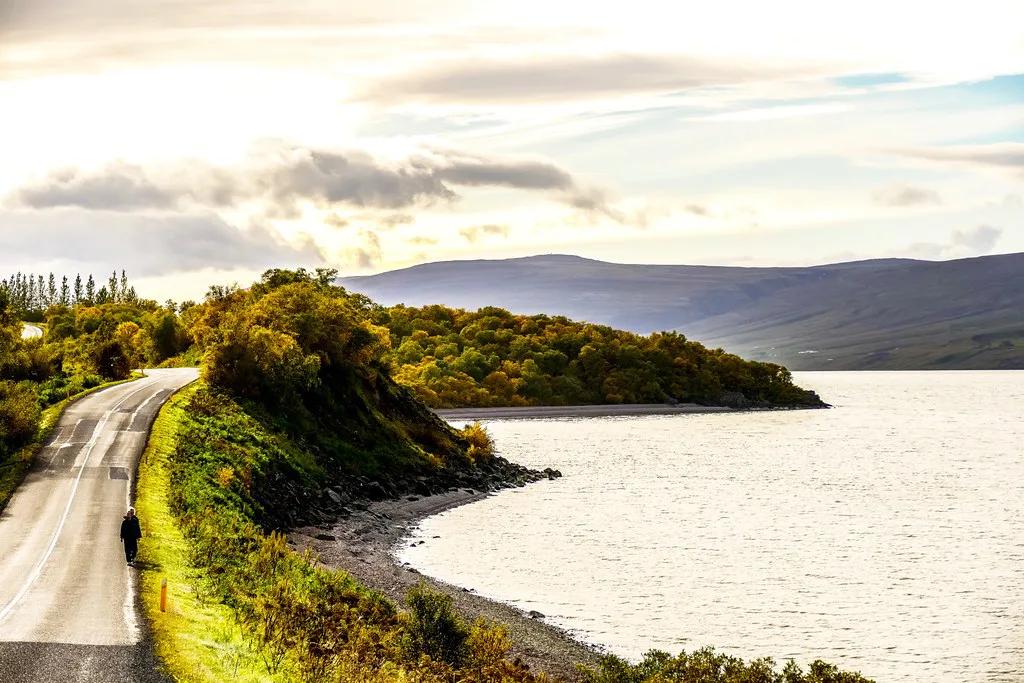
Featured image: specchio.nero, CC BY-SA 2.0, via Flickr.
What Lagarfljót is, and the Worm in brief
Lagarfljót is a long, dark water body in the Fljótsdalshérað area of East Iceland. Icelanders call its legendary creature the Lagarfljótsormur or Lagarfljótsormurinn. English-language writers say the Lagarfljót Worm. Written tradition reaches back to a medieval annal, yet no animal has ever been proven. Below, the legend comes first and the practical visit follows. For other lakes in the country, browse our guide to Icelandic lakes.
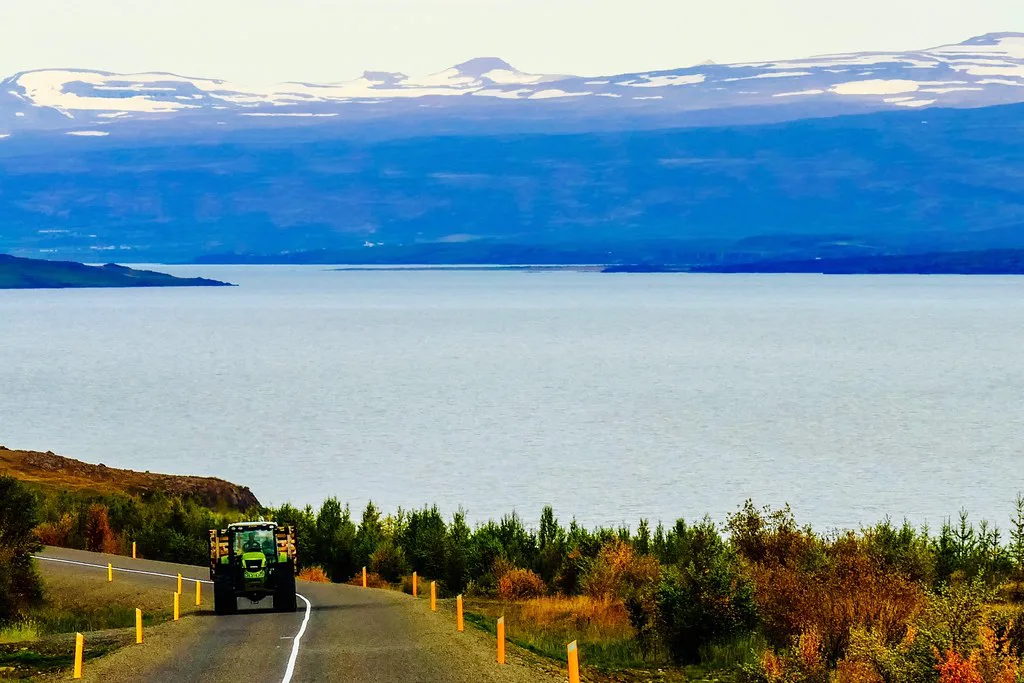
Lagarfljot at a glance: the lake and its setting
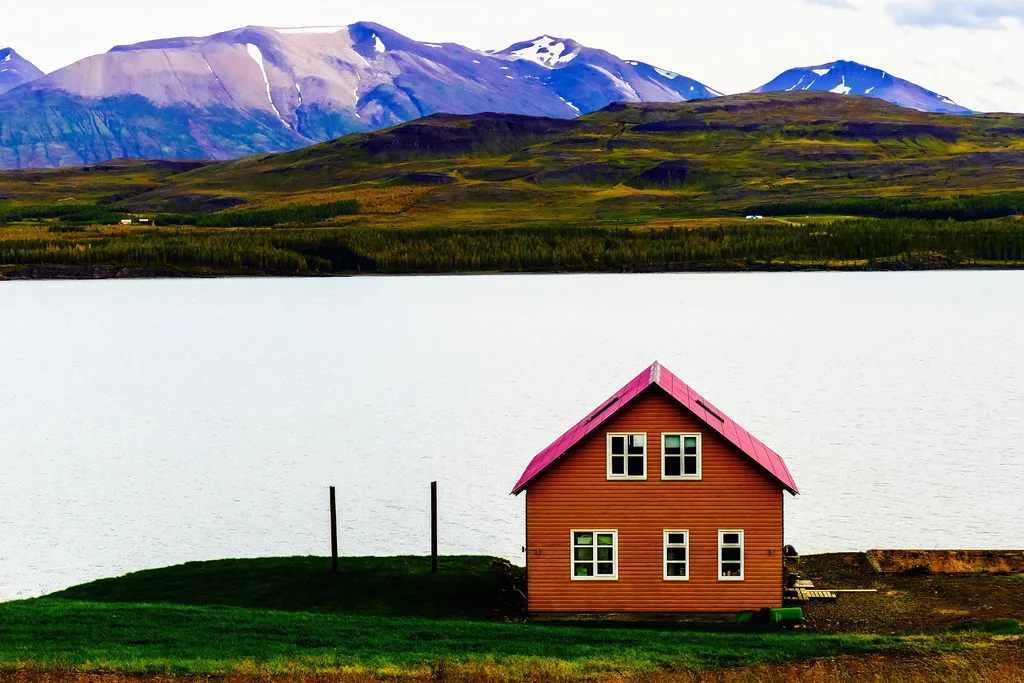
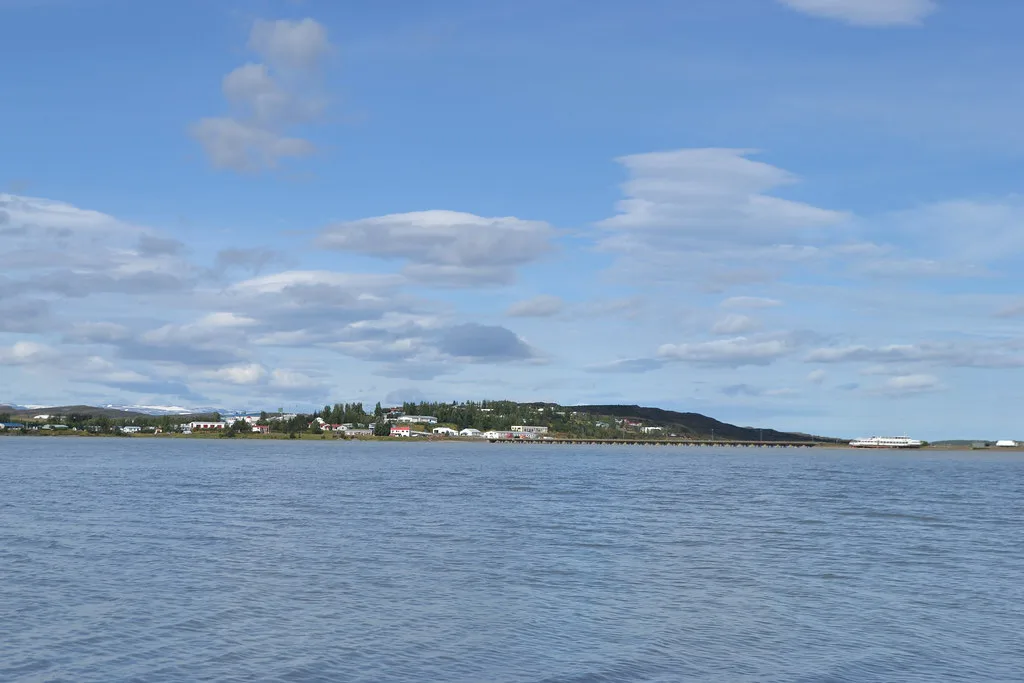
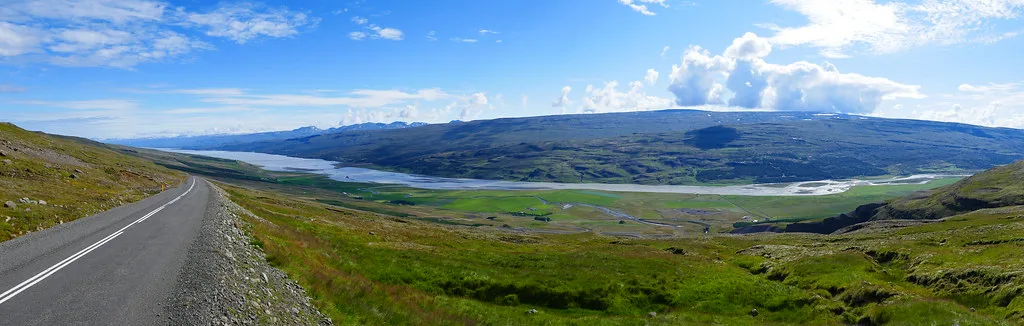
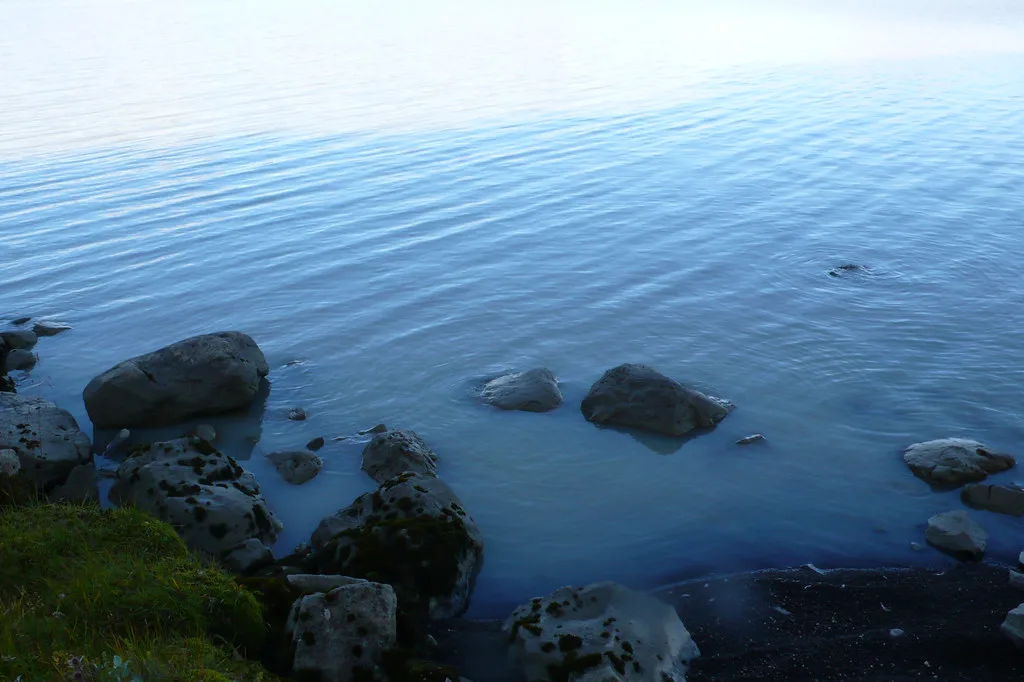
Lagarfljót behaves as both lake and river. Its main feed is the glacial river Jökulsá í Fljótsdal, and the silt it carries gives the water an opaque grey colour. Reported length is roughly 25 km (about 15 miles), though one source says 35 km. Maximum depth is about 112 m (around 370 ft). Egilsstaðir is the practical base. Hallormsstaður forest, widely described as Iceland's largest, lies along the shore.
- Type: glacial lake-river in Fljótsdalshérað, East Iceland
- Length: roughly 25 km (about 15 miles); one source gives 35 km
- Maximum depth: about 112 m (around 370 ft)
- Water colour: grey, from glacial silt carried by Jökulsá í Fljótsdal
- Base town: Egilsstaðir
- Shore forest: Hallormsstaður
The legend: the ring, the lyngormur, and the Finns
A girl receives a gold ring from her mother. Her mother advises placing the ring under a lyngormur, a heath worm. She puts both in a box. Days later the worm has swollen so much that the box nearly bursts. Terrified, she throws it into the river. Eventually a huge worm appears in the water and harms people and animals. Two skilled men from Finland are brought in to kill it and win the gold. They dive repeatedly and find the job harder than expected. Instead they bind the worm with two bands, one behind its front and one near its tail. After that it cannot hurt anyone, though a hump of its back still shows now and then. Locals say this usually comes before big news.
Earliest records and the omen tradition
A medieval annal mentions the creature in the middle of the 14th century. Skálholtsannáll is the named source for one early entry. Annals recorded news year by year, so this places the worm in the written record. Online claims tie the story to other medieval texts, but only the annal is firmly named. Tradition says sightings came before major events. One source lists the plague of 1495 and the smallpox outbreak of 1707, but that detail is thinly sourced. Poet Jónas Hallgrímsson later gave the worm a length of 28 yards (about 84 ft) in verse.
What people report seeing
Folklore and modern accounts describe a long, limbless body, pale or grey in colour. Estimated length runs from 10 to 20 m (33 to 66 ft). Reports often mention several humps, commonly three to eight, rising in sequence. Older accounts speak of a black streak or a high spine breaking the surface. In 2012, a video attributed to farmer Hjörtur Kjerúlf showed a moving shape on the water. Footage spread through Icelandic and foreign media. Many viewers still cannot explain it. All of this remains unverified.
Scientific explanations versus hoaxes
Skeptics offer several explanations. Floating logs and debris can drift with the current and resemble a swimming body. Large fish or eels, optical effects in mist, and moving ice ridges are other suggestions. Gas and currents in the deep, silty water are sometimes mentioned too. Analysts of the 2012 video have suggested a tangled fishing net or debris. Opaque glacial water makes underwater checks hard, so the question stays open for believers. No bones, skin or clear photograph has settled it. Treat claims of sonar proof with caution.
How the Worm compares with Loch Ness
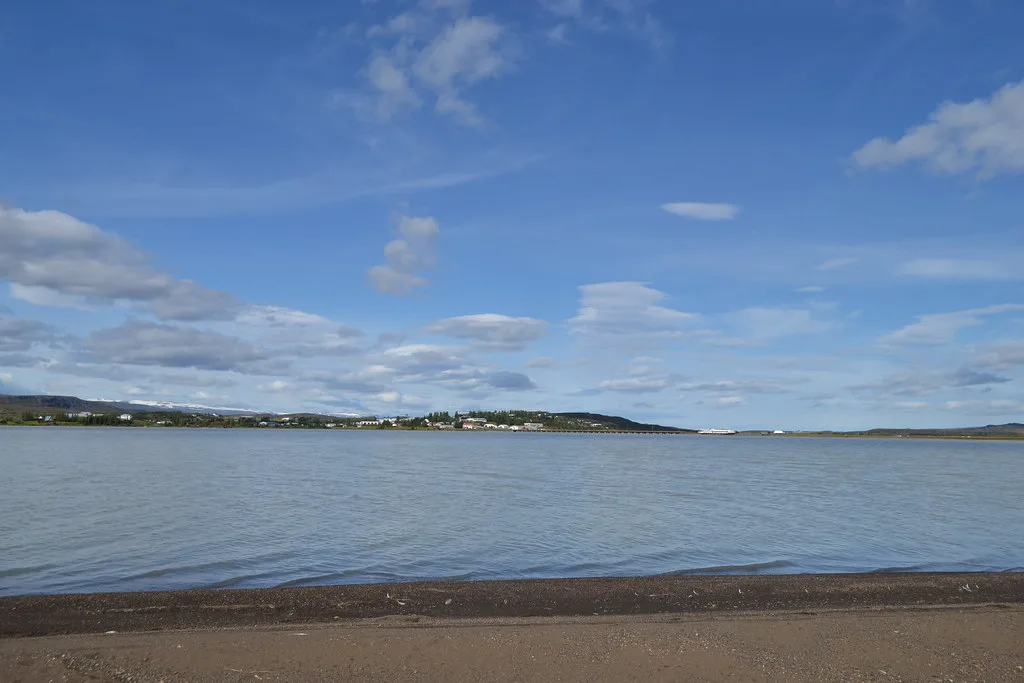
Both are long, deep freshwater lakes with centuries-old stories. Both produce reports of humps and occasional video. Neither has produced physical proof. Loch Ness in Scotland became internationally famous after a 1933 sighting. Lagarfljót's tale, by contrast, rests on an Icelandic folk story with a gold ring and two Finns. For a wider regional comparison, read our overview of Scandinavian lakes.
Visiting Lagarfljót: decision guide
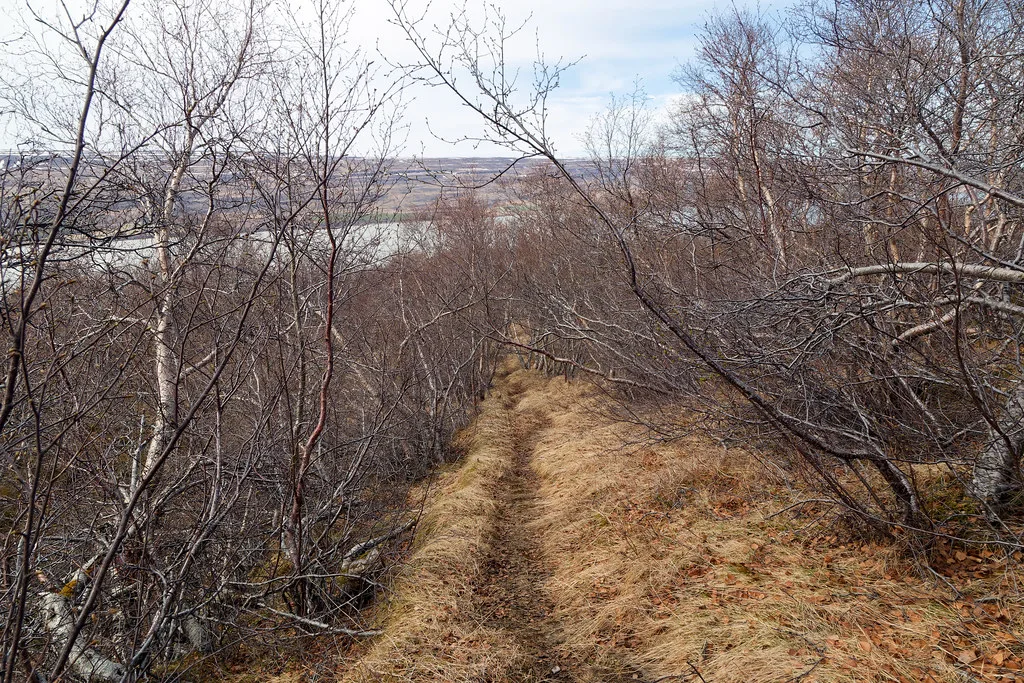
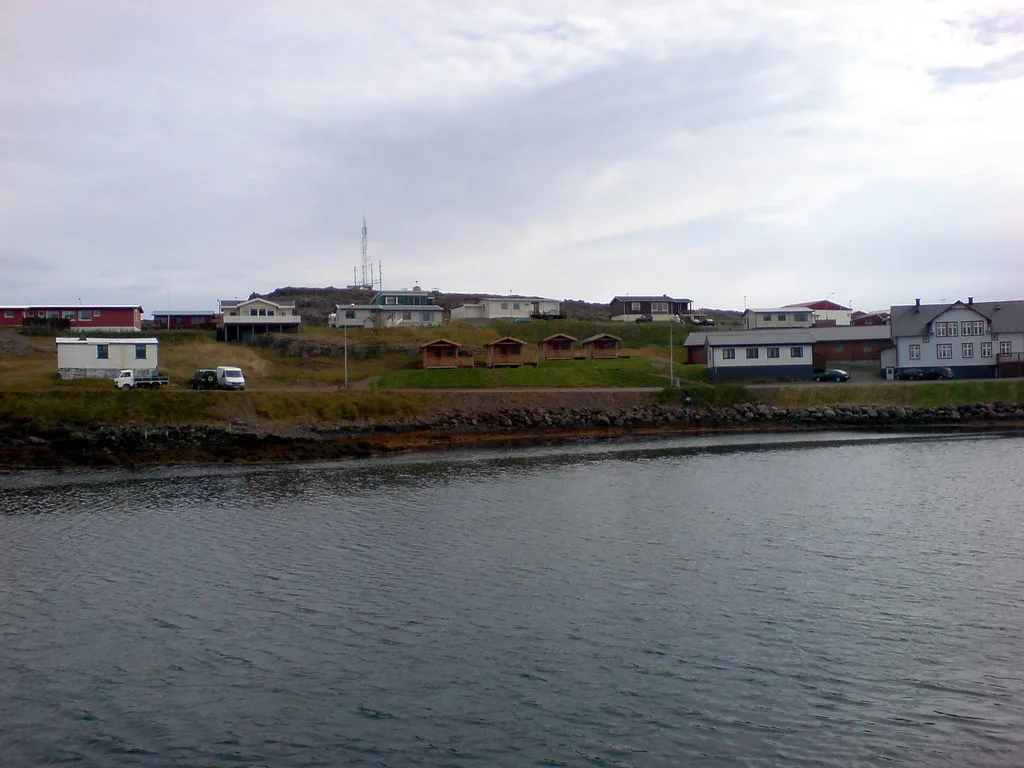
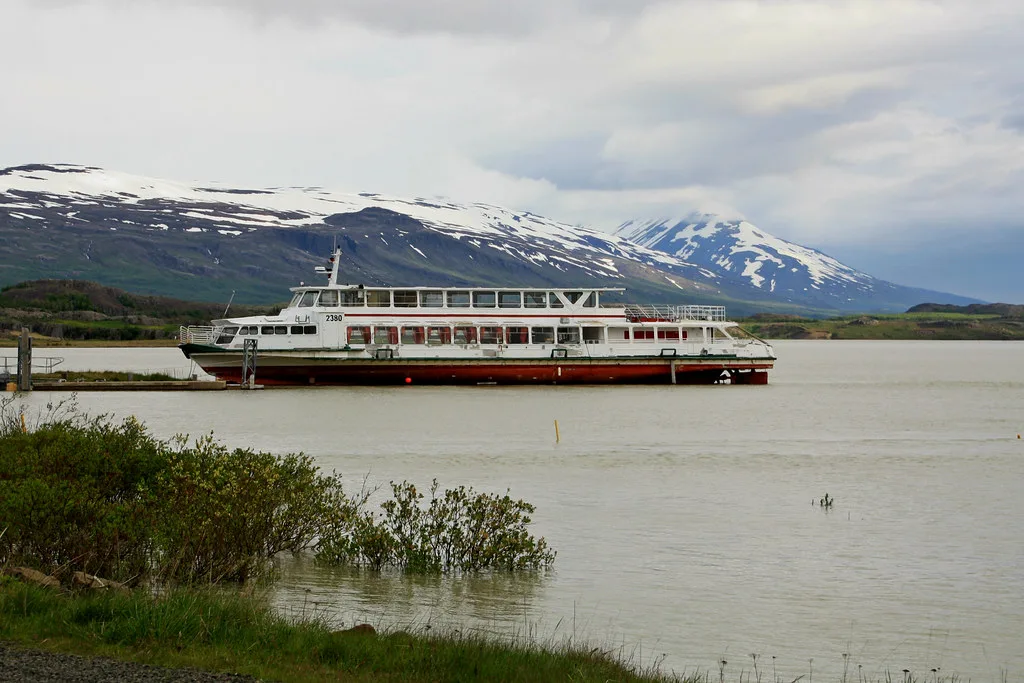
Base yourself in Egilsstaðir, the regional hub near the lake. Check current flight and road options before booking. For winter conditions, consult road.is and vedur.is. Hallormsstaður forest gives the easiest scenery stop. For forest details, see the Iceland Forest Service. Local tours and events are listed by Visit East Iceland. Fog often hangs over the cold, still water, so a clear morning gives better views. Winter brings short daylight, so keep days flexible. Do not expect to see the Worm. Plan for the lake, the forest and the story.
| Plan | Time | Best for | Trade-off |
|---|---|---|---|
| Quick stop | 1-2 hours | Legend-hunters wanting shoreline photos | You see grey water, not much else |
| Half-day | Roughly half a day | Forest walk and lake views near Hallormsstaður | Needs a car or tour, so check transport |
| East Iceland base | Several days | Slow travellers using Egilsstaðir as a hub | Winter roads and short daylight |
- Go if you enjoy folklore and want a story-linked stop
- Go if you travel with children and like easy forest paths
- Skip if you only want waterfalls or mountain peaks
- Skip if you expect a staffed monster attraction
Is the Worm good for tourism? Local context
Local marketing uses the legend, and Egilsstaðir shops reportedly sell Worm-themed souvenirs. Ask the regional tourism office about current tours before planning around them.
Planning mistakes to avoid
Most problems come from expectations rather than logistics. If you are building a longer Iceland route, Þingvallavatn is a south-west lake stop. Laugarvatn sits in the same region. So does Kerid Crater, Iceland: Fee, Walk Time and How to Visit. All three belong to a different region from East Iceland.
- Expecting guided monster hunts: ask local tourism offices what runs this season
- Skipping road and weather checks in winter: use road.is and vedur.is
- Treating 25 km as exact when planning: lengths vary by source
- Visiting only for the Worm: pair the stop with Hallormsstaður forest
Notes for your next lake trip
Optional updates to our lake guides.