
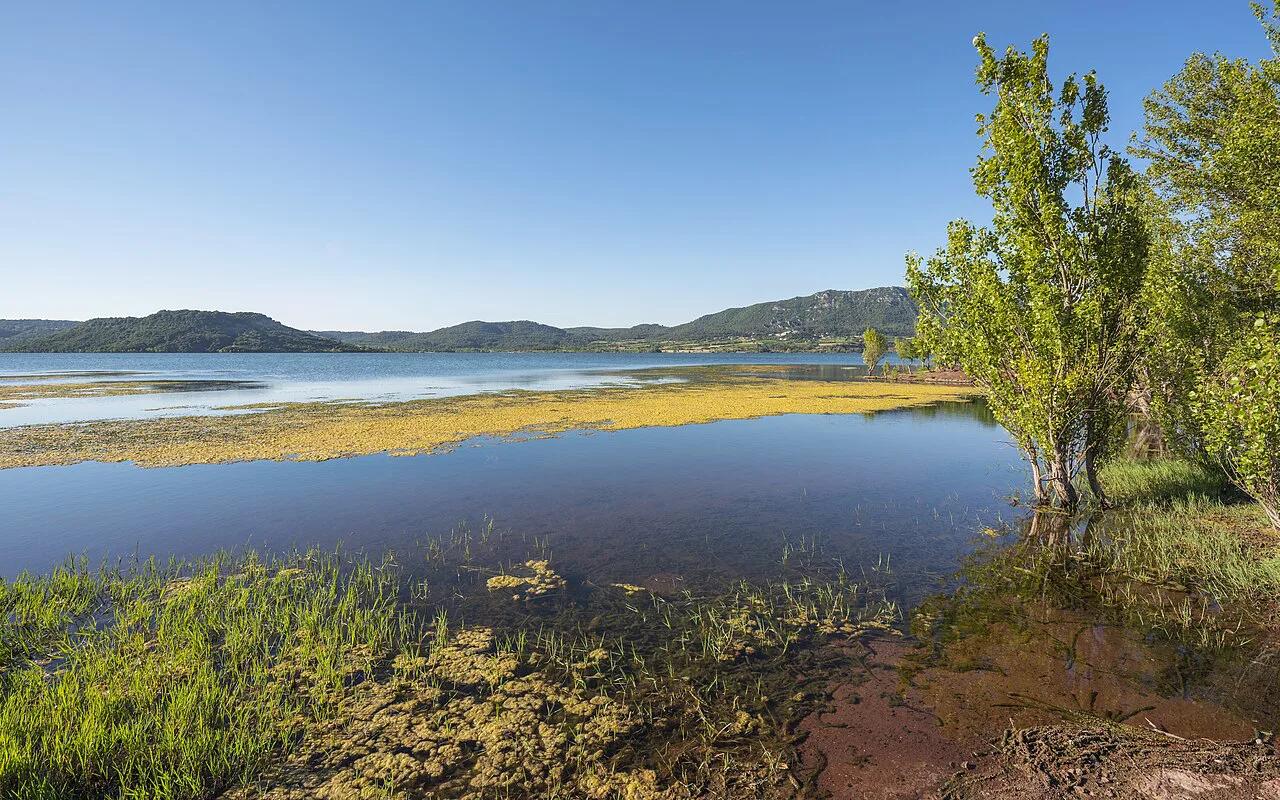
Lac du Salagou Guide: Red Earth, Swimming, Where to Go
Plan Lac du Salagou in the Hérault: why the earth is red, swimming, walking and cycling, the Cirque de Mourèze, and who should skip it.
On this page
Last updated November 2026. Lac du Salagou is a reservoir in the Hérault, Occitanie, ringed by red ruffe earth that turns deep rust against the water. A visit usually combines a swim, a walk or bike ride around the shore, and a few viewpoints. This guide sorts out who it suits, how to spend your time, and what to check before you drive out.
Featured image: Christian Ferrer, CC BY 4.0, via Wikimedia Commons.
What Lac du Salagou Is (and Why the Earth Is Red)
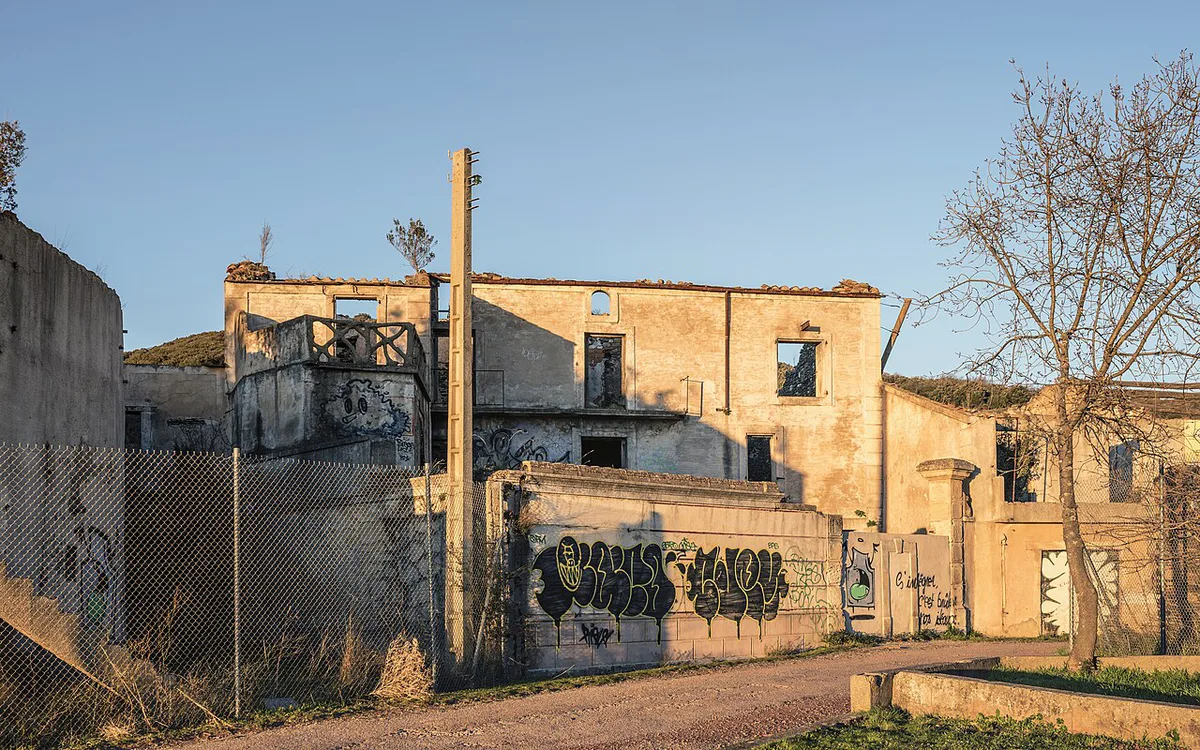
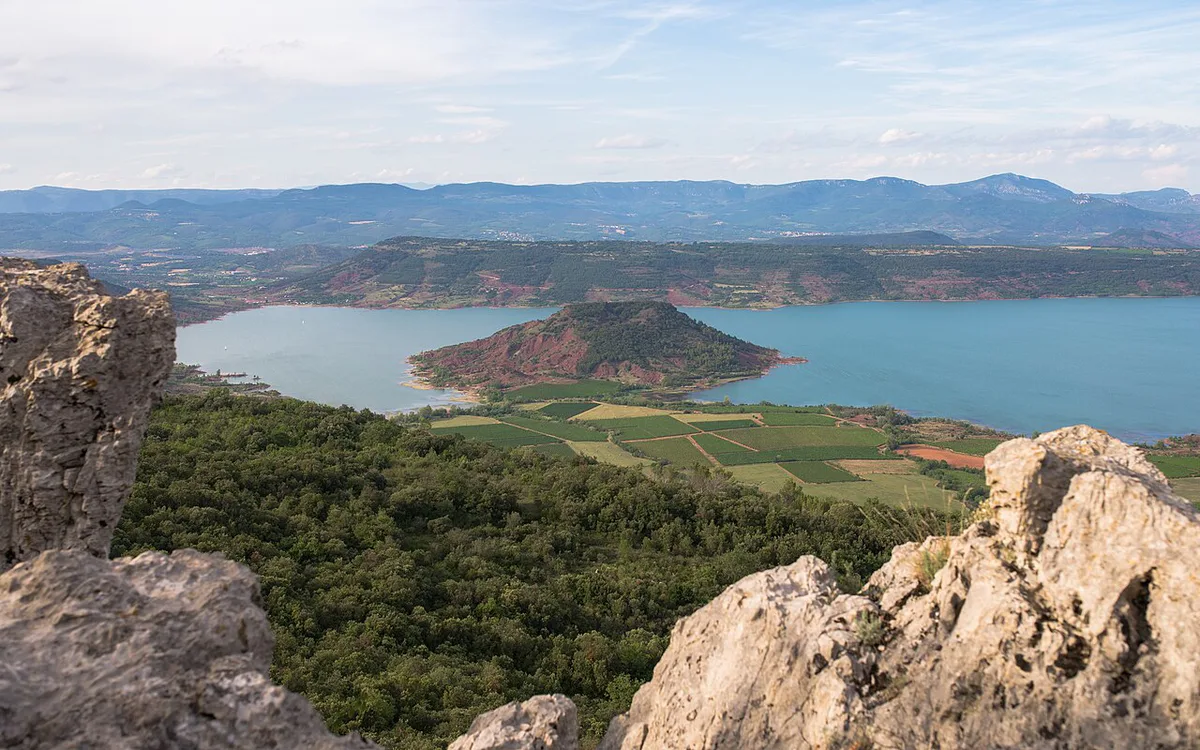
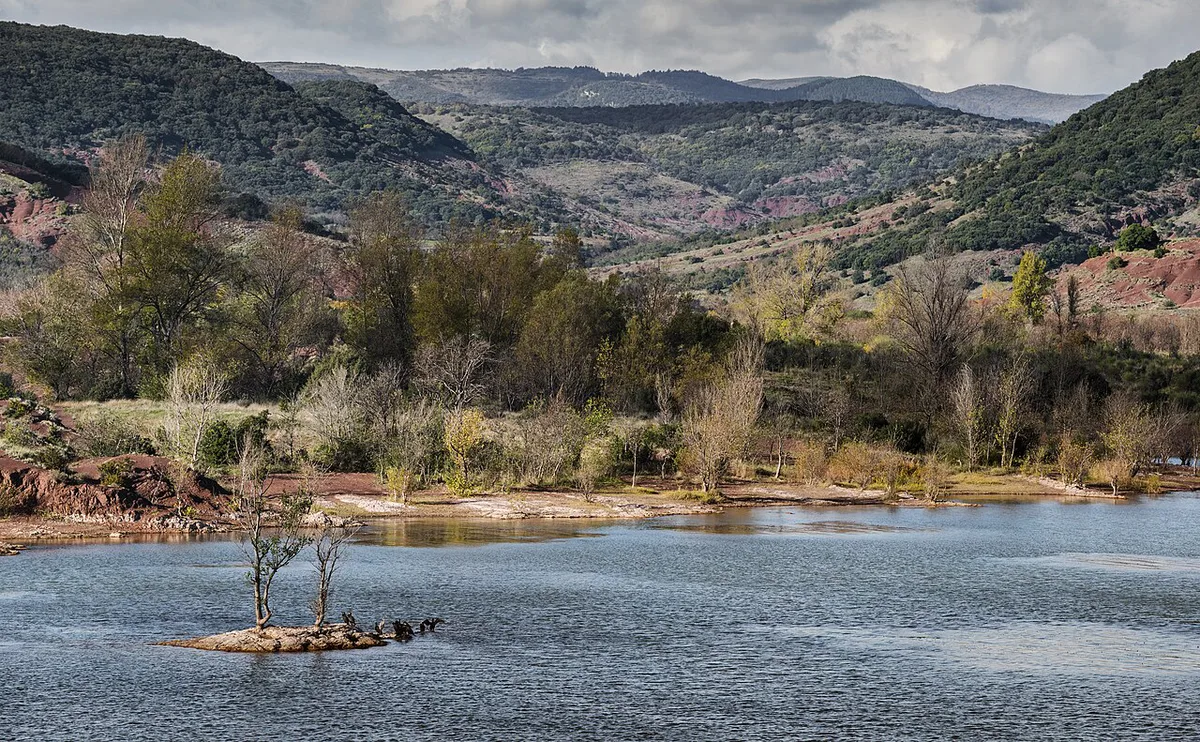
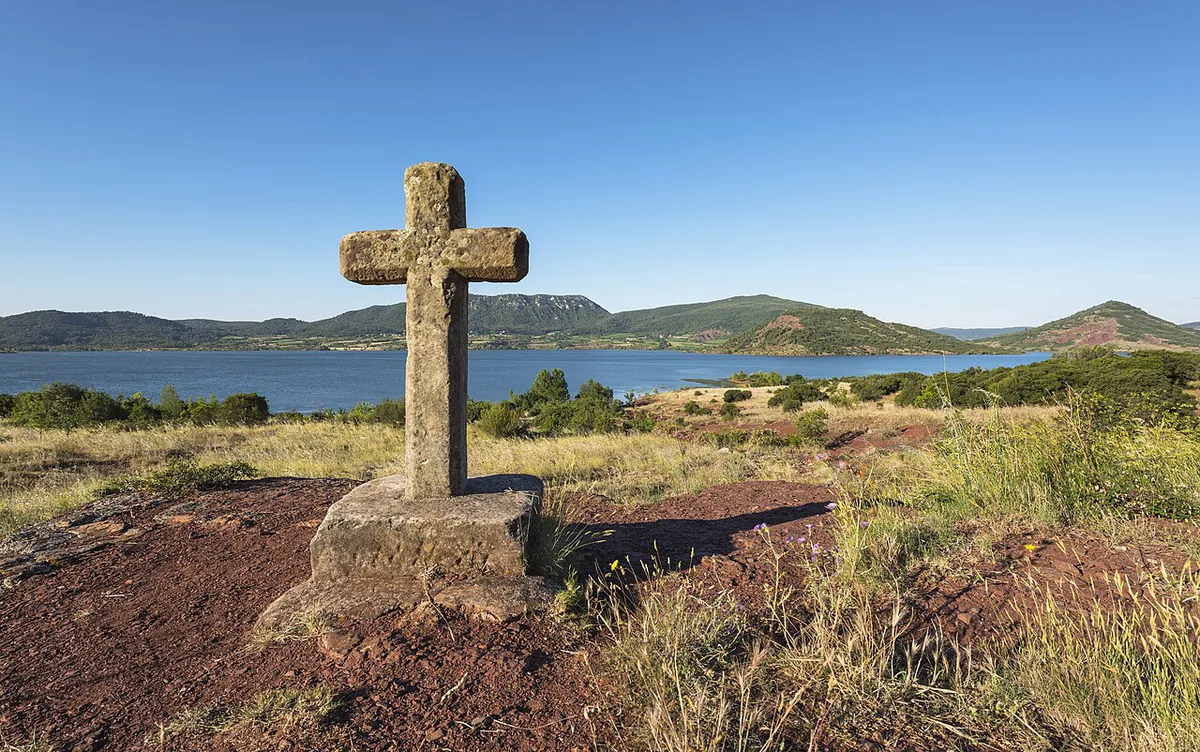
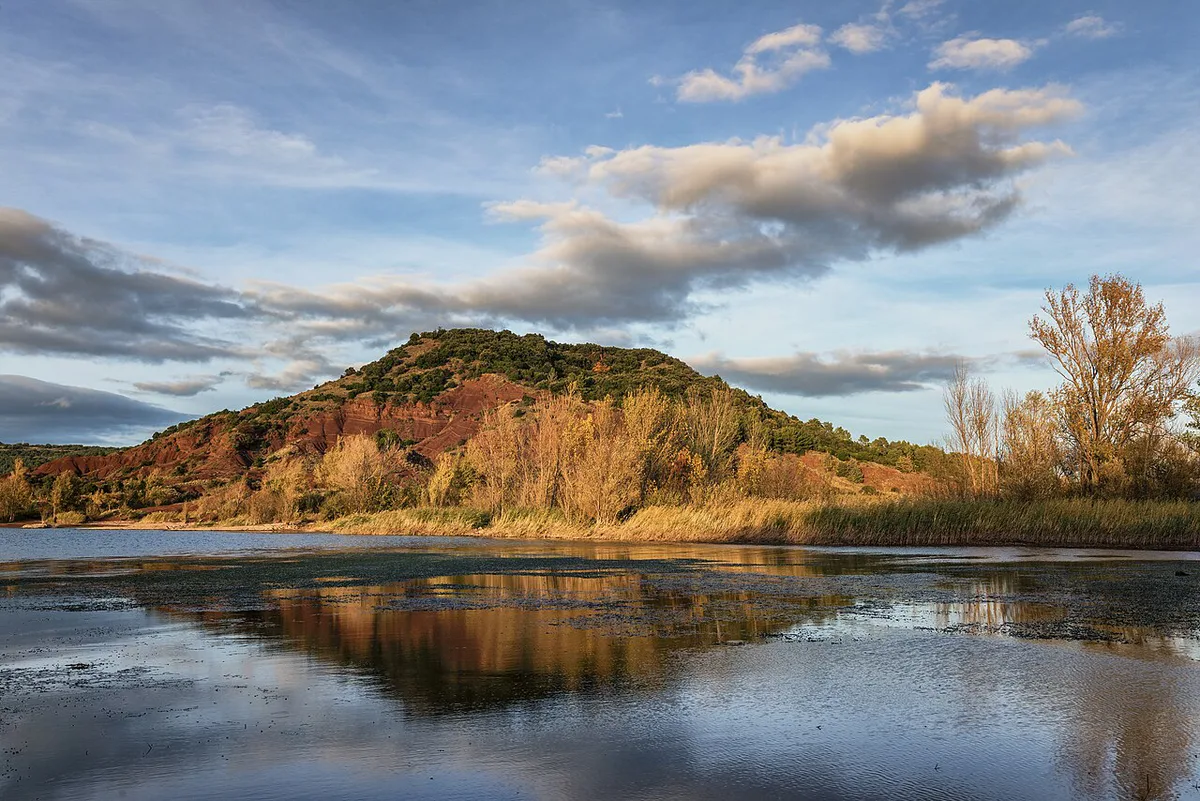
Lac du Salagou sits in the Hérault department, in the Languedoc part of Occitanie. The nearest towns include Clermont-l'Hérault, Celles, Octon and Lodève. Local tourism describes the place as a meeting of people, water and geology. The red comes from ruffe, a soft, iron-rich pelite rock that weathers into rust-coloured slopes and bare earth. Against green-blue water, that colour is what draws photographers and walkers. The surroundings are dry Mediterranean scrub rather than forest. Vineyards form patchwork mosaics to the south of the lake. The wider area is promoted as a Grand Site, and the Salagou and Mourèze Grand Site site is the best place to read current local information. If you are comparing destinations, our guide to lakes in France puts this one beside the Alpine and Provençal options.
Is Lac du Salagou Worth It? Who It Suits
Lac du Salagou rewards people who want open landscape, colour and a casual swim more than polished resort facilities. Photographers, walkers and cyclists get the most from it. Families who like simple lakeside days also do well here. Expect dry terrain and exposed shores, so plan around the sun.
- Good fit: walkers and cyclists who want a lake loop with big views.
- Good fit: photographers chasing red earth against blue water, especially in low-angle light.
- Good fit: travellers already based around Clermont-l'Hérault or Lodève who want a half-day outing.
- Think twice: anyone who needs developed beaches, deep shade or guaranteed water-sports infrastructure.
- Think twice: visitors without a car, who will find the shoreline hard to reach and hard to move around.
- Think twice: people travelling in peak summer heat with no plan for shade, water and early starts.
Best Things to Do at Lac du Salagou
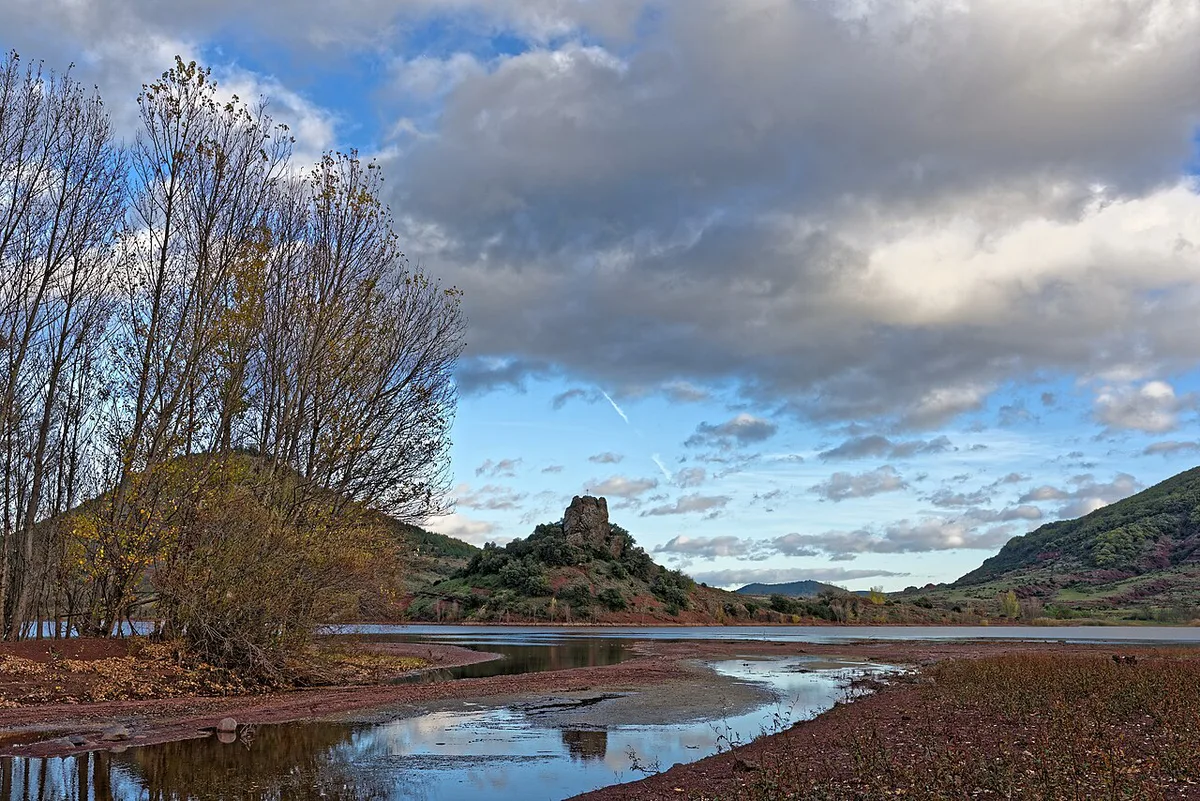
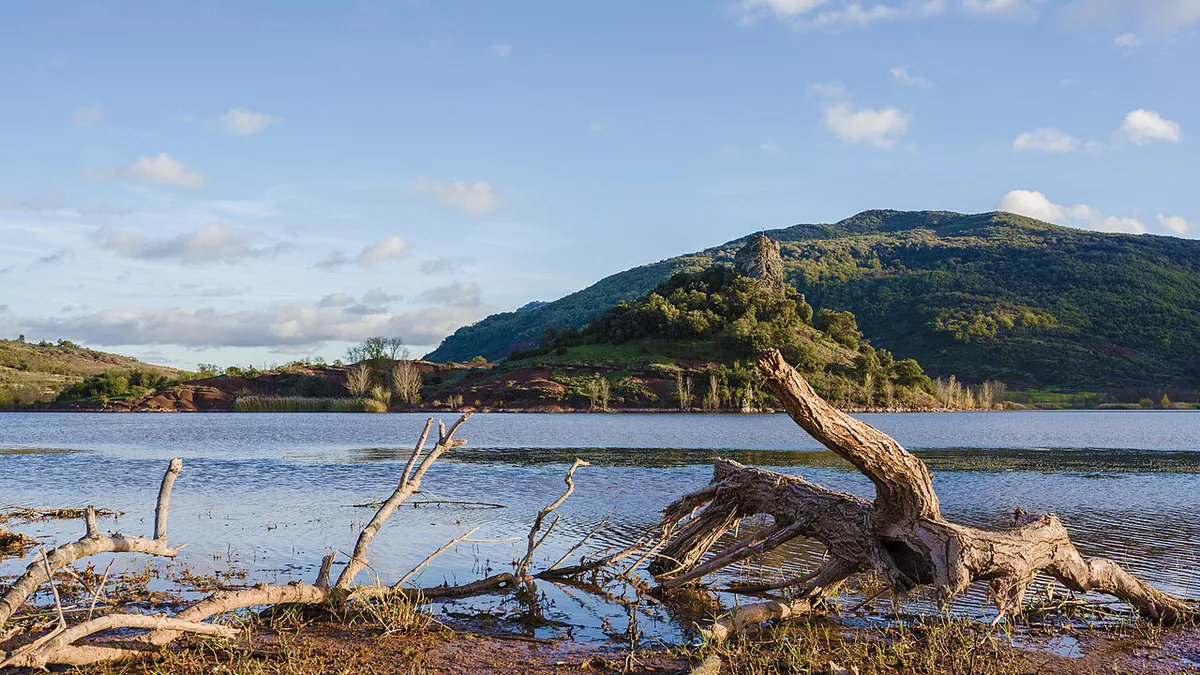
Swimming is the obvious draw, and the lake is open for a dip in warm weather. Walking or cycling the shoreline is the other classic, and it shows how many small habitats the dry landscape holds. Reed beds attract migrating birds, so bring binoculars in spring and autumn. South of the lake, vineyards and colourful hillsides make a good detour by car. One of the best add-ons is the Cirque de Mourèze, a field of dolomite rock sculpted into shapes locals call the monkey, the tortoise and the lovers. Its own information pages sit on the same Grand Site tourism site. Together, the lake and the cirque make a satisfying contrast between water and stone.
- Swim from a quiet shore in warm weather.
- Walk or cycle a stretch of the lake perimeter.
- Watch for migrating birds in the reed beds.
- Drive the vineyard and red-earth landscape south of the lake.
- Add the Cirque de Mourèze for its dolomite formations.
How Long to Spend: Half-Day, Day and Weekend Plans
Your time decides how you move. A short visit favours driving between viewpoints. A longer one lets you walk or cycle the shore at an easy pace.
| Plan | Suggested shape |
|---|---|
| Half-day | Pick one shore for a swim and a short walk, then add one viewpoint on the drive back to Clermont-l'Hérault. |
| Full day | Walk or cycle part of the lake in the morning, swim in the heat of the day, then visit the Cirque de Mourèze in softer evening light. |
| Weekend | Split the lake and the cirque across two days, using Lodève or Clermont-l'Hérault as a base, with a slack morning for birdwatching in the reeds. |
- Half-day: pick one shore for a swim and a short walk. Add one viewpoint on the drive back to Clermont-l'Hérault.
- Full day: walk or cycle part of the lake in the morning, swim in the heat of the day, then visit the Cirque de Mourèze in softer evening light.
- Weekend: split the lake and the cirque across two days. Use Lodève or Clermont-l'Hérault as a base for meals and shops, and leave a slack morning for birdwatching in the reeds.
- Trade-off: a full loop on foot or by bike gives the most complete picture, but driving between stops covers more ground in less sun.
Choosing a Shore: Swimming and Bases
Pick your shore by purpose rather than by name alone. Celles and Octon are the villages most often linked with the lake, and both sit close to the water. For a base with shops, restaurants and services, Clermont-l'Hérault is the practical town named most often. Lodève offers a different feel if you want an older town beside the lake outing. Swimming conditions, parking and any supervision vary by spot, so read the official local tourism information before choosing a beach. Lakes in Provence, such as Lac de Sainte-Croix, offer more organised water-sports setups if that matters to you.
Getting There and Getting Around
A car is realistically the best way to reach the lake and move between its shores. The shoreline is spread out, and walking between villages and beaches takes time. Clermont-l'Hérault works as a starting point because it has services and shops. Public transport links to the lake itself are limited, so check the current regional bus and rail timetables if you plan to go without a car. Cyclists can ride the lake perimeter, which avoids the need to drive between shores once you arrive.
Best Time to Visit and What to Avoid
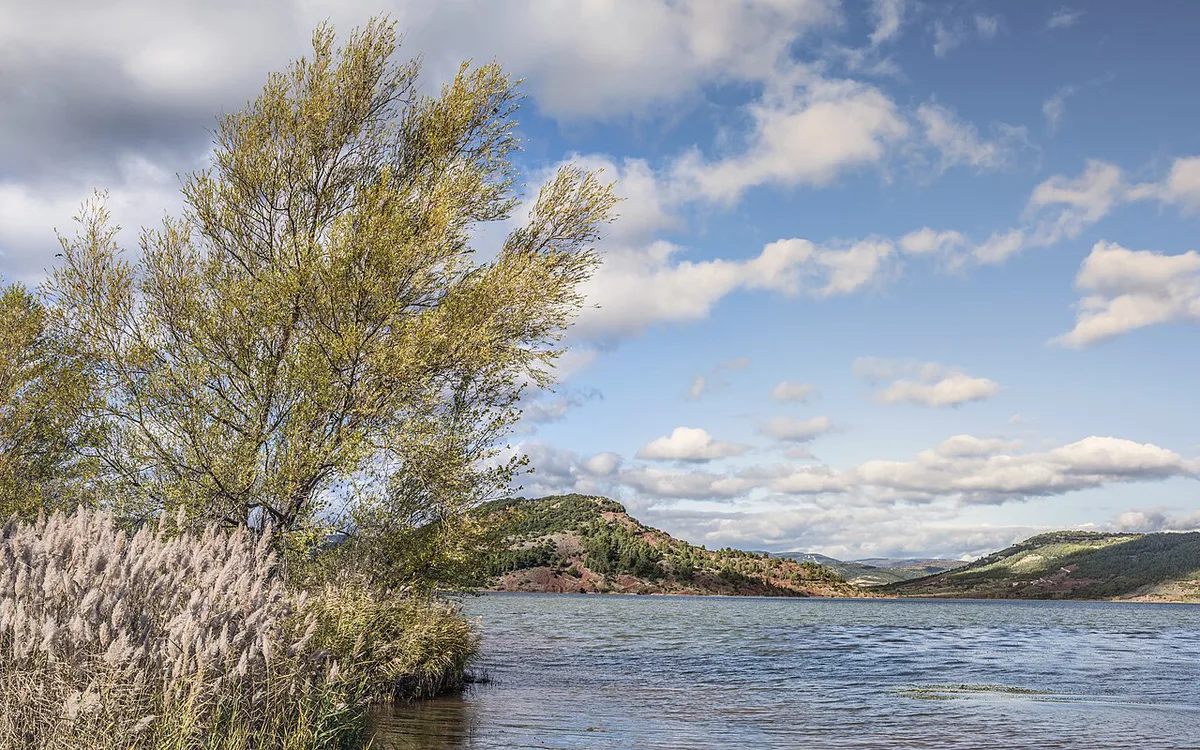
Summer brings the warmest water but also hard heat on exposed red ground with little shade. Go early, carry water and plan for a midday break. Spring and autumn offer softer light, gentler walking temperatures and the best chance of seeing migrating birds in the reed beds. Water levels can change through the year, so shorelines look different from one season to the next. Common mistakes include arriving at midday in July, expecting developed beaches everywhere, and trying to cover the lake and the cirque in one hot afternoon. If you want Alpine scenery rather than Mediterranean dryness, Gorges du Verdon Guide: Where to Go and How Long offers a different Provençal landscape within France.
Costs, Rules and What to Check Before You Go
Prices and hours checked November 2026. Parking charges, bike or kayak hire and any access fees vary by spot, so read current rates on the official Grand Site website before you go. Camping, open fires, drones and dogs are regulated around the lake, and some rules are seasonal. Fire restrictions in particular tighten in dry summer weather, so treat them as binding. Check the same site for swimming areas and any supervised beaches.
Notes for your next lake trip
Optional updates to our lake guides.
You might also like


Continue reading
More guides you'll find useful