Grotte di Catullo, Sirmione: Visit Guide, Access & History
What the Grotte di Catullo really are, why there are no caves, how to reach the ruins and how to fit them into a Sirmione day.
On this page
Last updated November 2026. The Grotte di Catullo are the ruins of a large Roman villa at the tip of the Sirmione peninsula, not a cave system. This guide covers access, what to see, how long to allow and how to combine the ruins with the rest of Sirmione on Lake Garda.
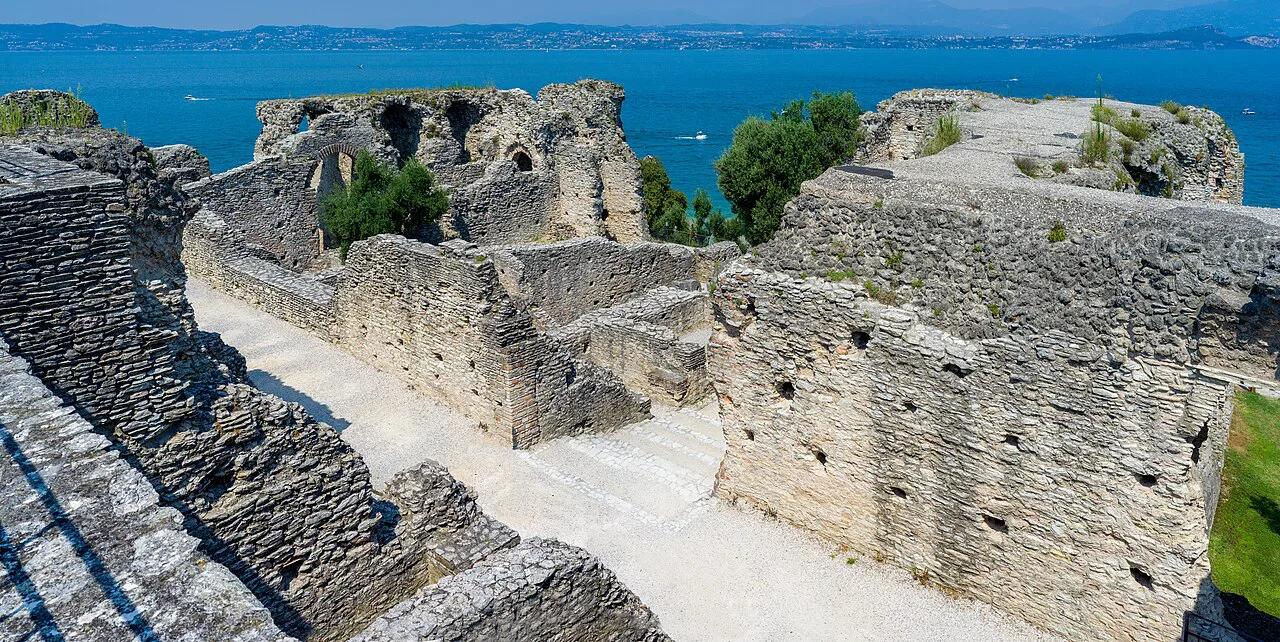
Featured image: This Photo was taken by Wolfgang Moroder, CC BY-SA 4.0, via Wikimedia Commons.
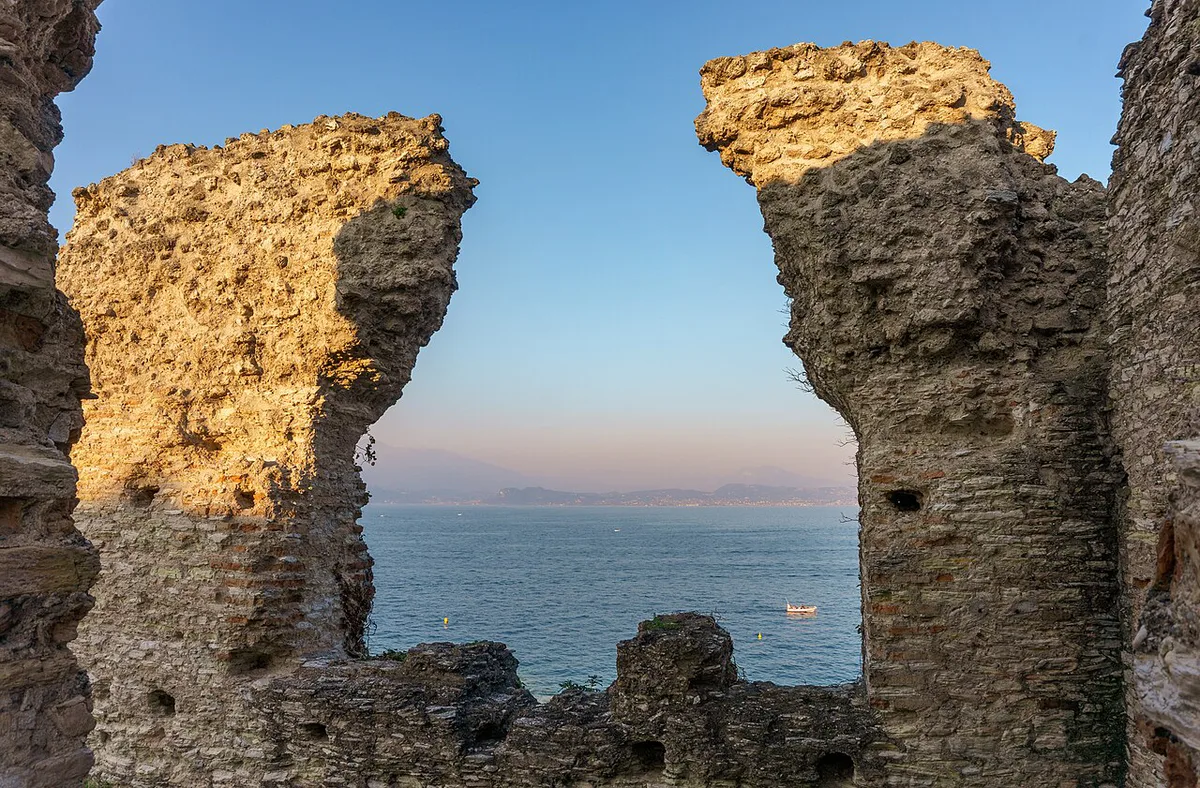
What the Grotte di Catullo are (and why there are no caves)
The Grotte di Catullo are the remains of a Roman residence built at the end of the Sirmione peninsula, around the turn of the eras. The complex covers almost 2 hectares, and one tour operator puts it at more than 20,000 square metres. Standing walls are few, but terraces, vaults and floor fragments survive. The word "grotte" is a Renaissance habit. Ruins overgrown with vegetation looked like caves, so the name stuck to the site. Nobody should expect to descend into a cavern. The address is Piazzale Orti Manara, 4, in Sirmione. The Ministry of Culture museum page is the official reference for the site.
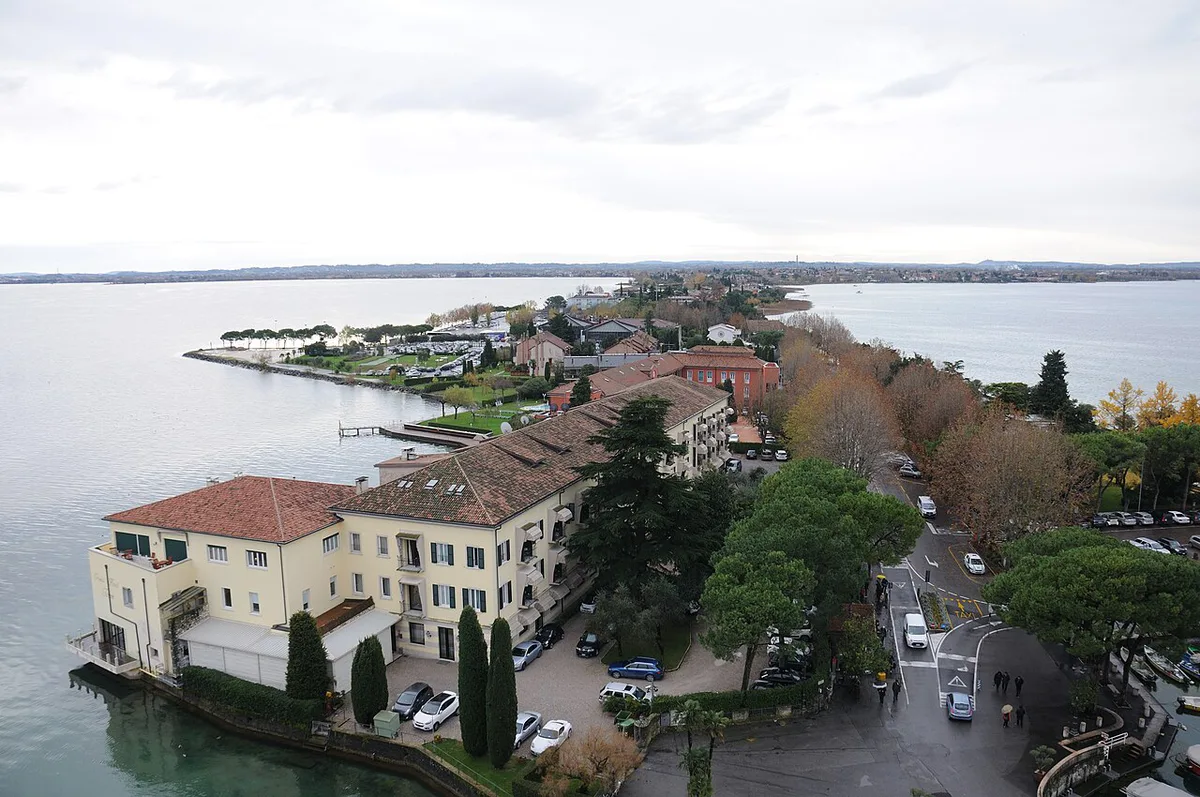
Is the Grotte di Catullo worth visiting?
Yes, if you like open-air archaeology and big lake views. The setting is the main draw, because the villa sat on a rocky point with water on several sides. The ruins are low and spread out, so they reward slow walking more than photo stops. Skip them if your Sirmione stop is very short. Skip them as well if you expect intact rooms, or if steps and uneven ground are a problem for someone in your group. In our editorial assessment, a first visit to Sirmione is better with the ruins than without them.
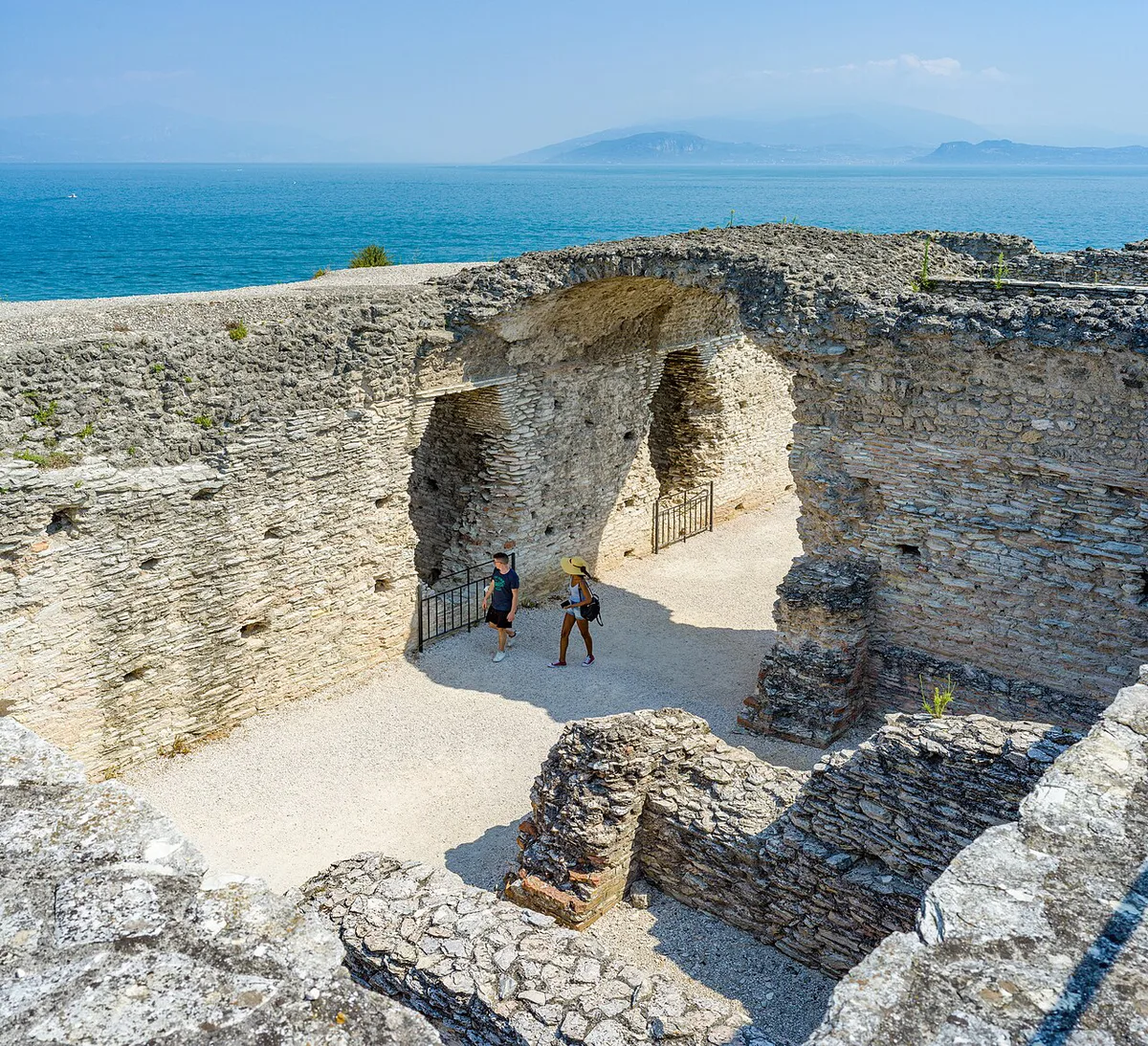
- Best for: history lovers, photographers and anyone who wants a quieter corner away from the old town lanes.
- Less suited to: a one-hour pass through town, or visitors who want furnished rooms and standing buildings.
Getting there and getting in
Sirmione's historic centre is a limited traffic zone. Entry by car needs a permit that goes only to residents, suppliers and hotel guests, in certain time bands, according to Sirmione's official site. The old town has a single access route, a bridge over the navigable moat. Most day visitors therefore park outside and walk in, then continue on foot through the centre to the peninsula tip. Allow for that walk when you plan your time. The ruins are closed on Mondays. If Monday is a public holiday, they close on Tuesday instead. Ticket prices, opening hours and accessibility details change by season, so read them on the Ministry page before you set out. Prices and hours were not confirmed for this guide as of November 2026.
Park outside the ZTL and walk in, then head for Piazzale Orti Manara, 4 on foot through the centre.
- Address: Piazzale Orti Manara, 4, 25019 Sirmione (BS).
- Closed: Mondays, or Tuesday when Monday is a holiday.
- By car: the historic centre is a ZTL, so park outside it.
- By boat: Navigazione Laghi publishes the lake ferry timetables.
What to see on site
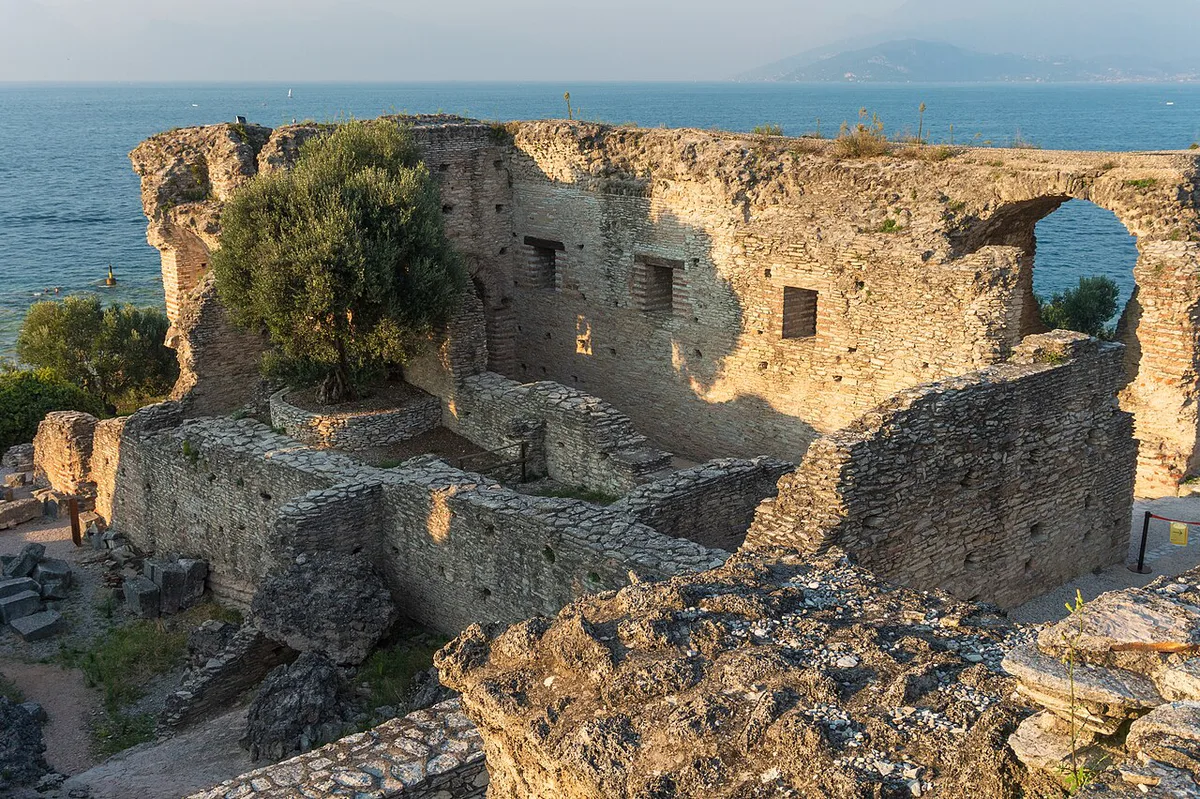
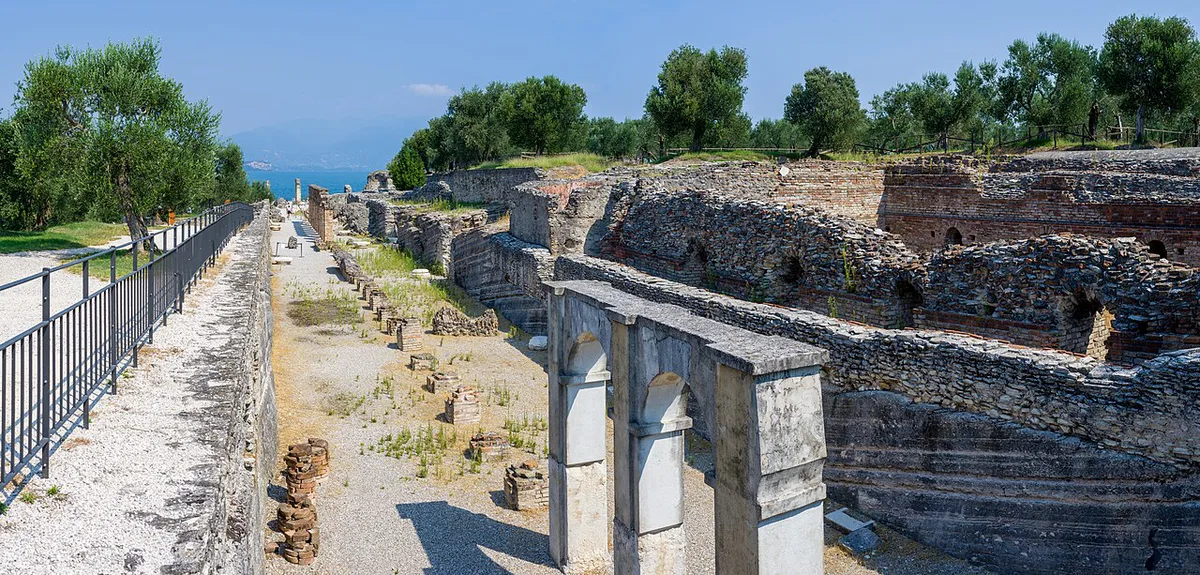
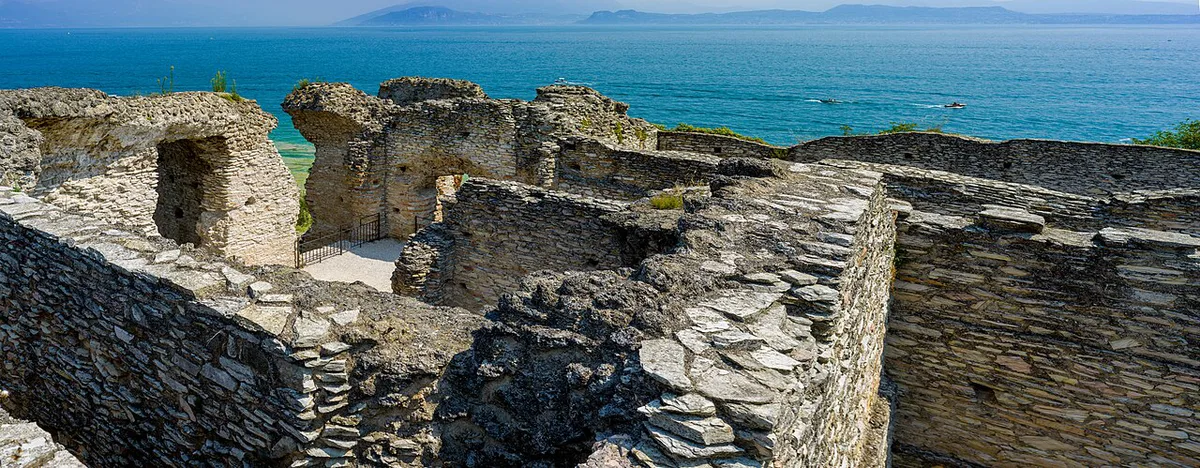
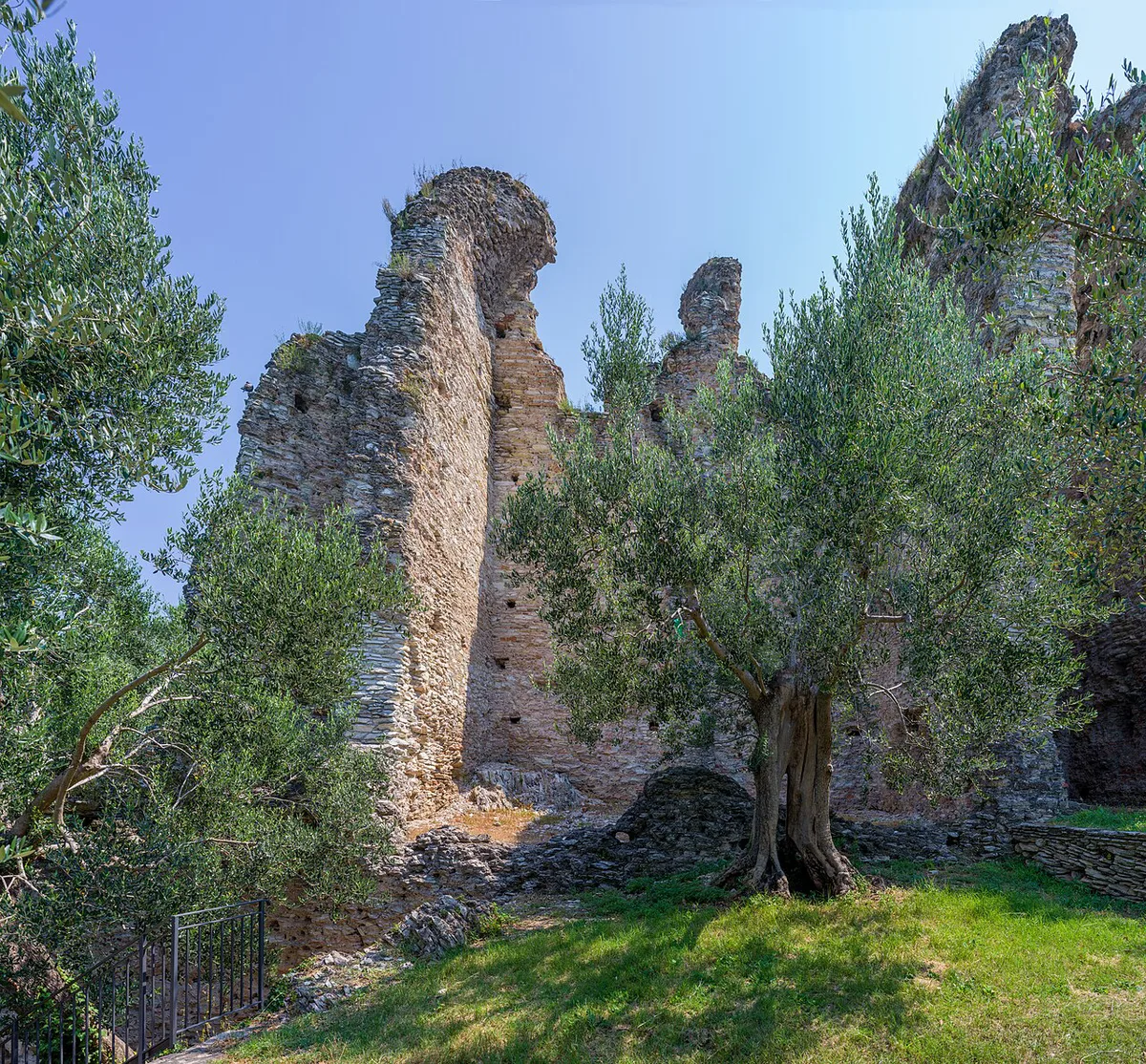
The villa was built around a peristyle, an inner garden ringed by a columned portico. It rose on three levels, with large terraces on the north and south sides. Walk the terraces first for the lake views, then look for the cryptoportico. This was a covered walkway that gave shade from strong sun. Fragments of floor mosaics survive in some rooms. If the site museum is open on your day, add it for context on the finds. Whether it shares the site ticket is a detail to read on the official page.
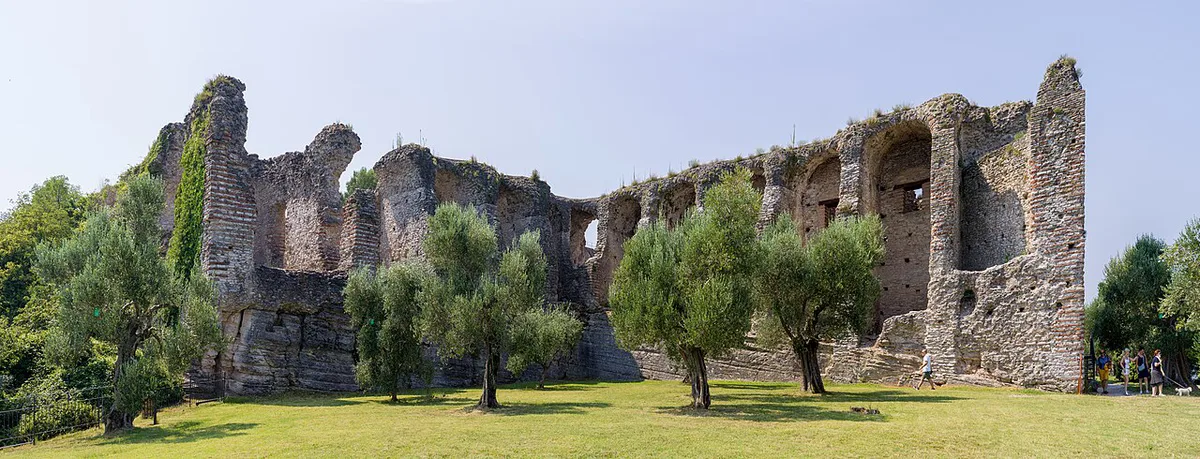
- Terraces: the open lake views and the best photo light.
- Cryptoportico: vaulted passages that show how the villa managed heat.
- Peristyle area: the plan of the villa's central garden.
- Mosaic fragments: small surviving floor patches, easy to miss without looking down.
- Museum: finds from the site, when open.
Was it really Catullus's villa?
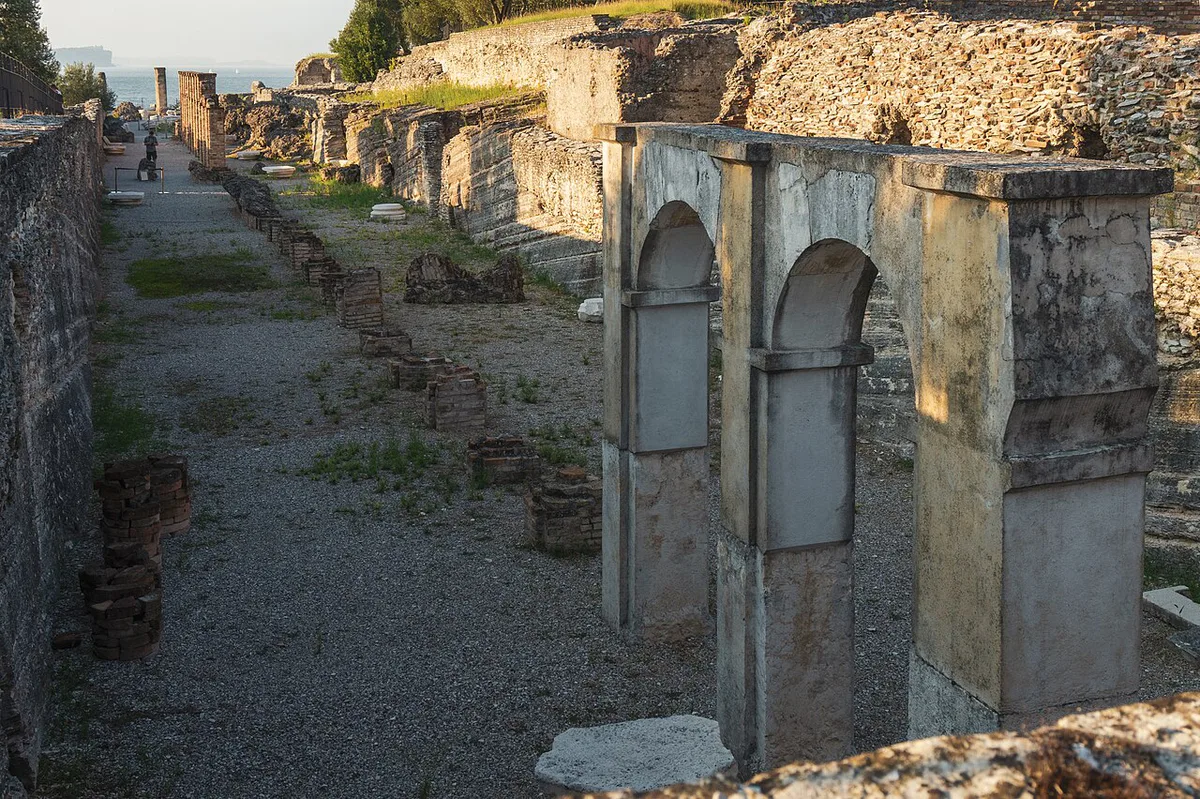
Probably not as such. Renaissance scholars linked the ruins to the Roman poet Catullus, who wrote fondly about Sirmione. Later study dated the villa's construction to the Augustan age, which falls after his death. Some reports mention older structures beneath the ruins, but that is not settled. Treat the attribution as tradition, not proof. By the 3rd century AD the villa was reported deserted. In the 4th and 5th centuries the ruins were reportedly reused as a cemetery and as part of defences. Organised excavation began in 1939. Visitors should read the name as a label with a long history, not as a statement of ownership.
How long to allow and how to combine it with Sirmione
Plan a half day if you want the ruins, the old town and a lakeside lunch. Plan a full day if you add the castle, a swim or a boat trip. Durations below are our estimates, not official figures. Boat tours also pass the peninsula, so you can see the ruins from the water as an alternative or an addition.
| Option | Time (estimate) | What you get | Suits |
|---|---|---|---|
| Quick look | About 45–60 minutes | Terraces and lake views | Short stops, mixed groups |
| Standard visit | Around 90 minutes | Full walk, cryptoportico, mosaics | Most first-time visitors |
| Slow visit | Two hours or more | Museum, photography, long pauses | History fans and photographers |
| Ruins plus old town | Half day | Villa walk, lanes and the moat bridge | Day trippers |
| Ruins plus boat trip | Full day | Land and water views of the peninsula | Repeat visitors, families |
Best time to visit
Shade is scarce on an exposed hillside site, so early morning or late afternoon works better than midday in summer. Late light also suits photography across the lake. Spring and autumn give cooler walking, though opening hours can change with the season. If you are choosing a base for the wider lake, our Lake Garda towns guide compares the options. Visitors staying on the eastern shore can reach Sirmione as a day trip from Lazise or Bardolino.
Around 90 minutes of walking suits a morning start, since shade is scarce on the exposed hillside at midday.
Common mistakes
A few simple errors cause most disappointment at the Grotte di Catullo.
- Arriving on a Monday, when the site is closed.
- Expecting caves instead of Roman ruins.
- Visiting at midday in summer with no shade or water.
- Driving toward the old town and meeting the ZTL.
- Forgetting the walk from your parking spot to the peninsula tip.
Frequently Asked Questions
Are there Roman ruins in Sirmione, Lake Garda?
Yes. The Grotte di Catullo are the ruins of a large Roman villa at the tip of the Sirmione peninsula. They are the main archaeological site in town.
Is Sirmione, Italy worth visiting?
Yes, especially for a day trip. The walled old town is reached by a bridge over the moat, and the Roman ruins sit at the far end of the peninsula.
Notes for your next lake trip
Optional updates to our lake guides.
You might also like
Continue reading
More guides you'll find useful