
Edersee Guide: Dam, Cruises, Water Levels and Where to Stay
Plan a trip to the Edersee in Nordhessen. Learn how water level changes beaches and boats, where to base yourself, and how to pair the lake with the national park.
On this page
Last updated November 2026: the Edersee is worth a day or a weekend if you have a car and like a lake with a working-reservoir edge. This dammed lake in Nordhessen combines boat trips, beaches and the Kellerwald-Edersee National Park. Our guide covers what to expect, where to base yourself and how water level shapes the visit, and it sits within our guide to lakes in Germany.
Featured image: marcostetter, Public Domain Mark 1.0, via Flickr.
Is the Edersee worth visiting, and for whom?
Yes, if you want water, woods and a slow pace in northern Hesse. Families, hikers, campers and couples after a quiet break get the most from it. Visitors without a car will find it harder, and a swimming-only beach holiday can disappoint in a low-water year. Plan a half day for the dam and Waldeck, a full day to add a cruise or a hike, and a weekend to combine the lake with the national park.
What the Edersee is and how water level changes your visit
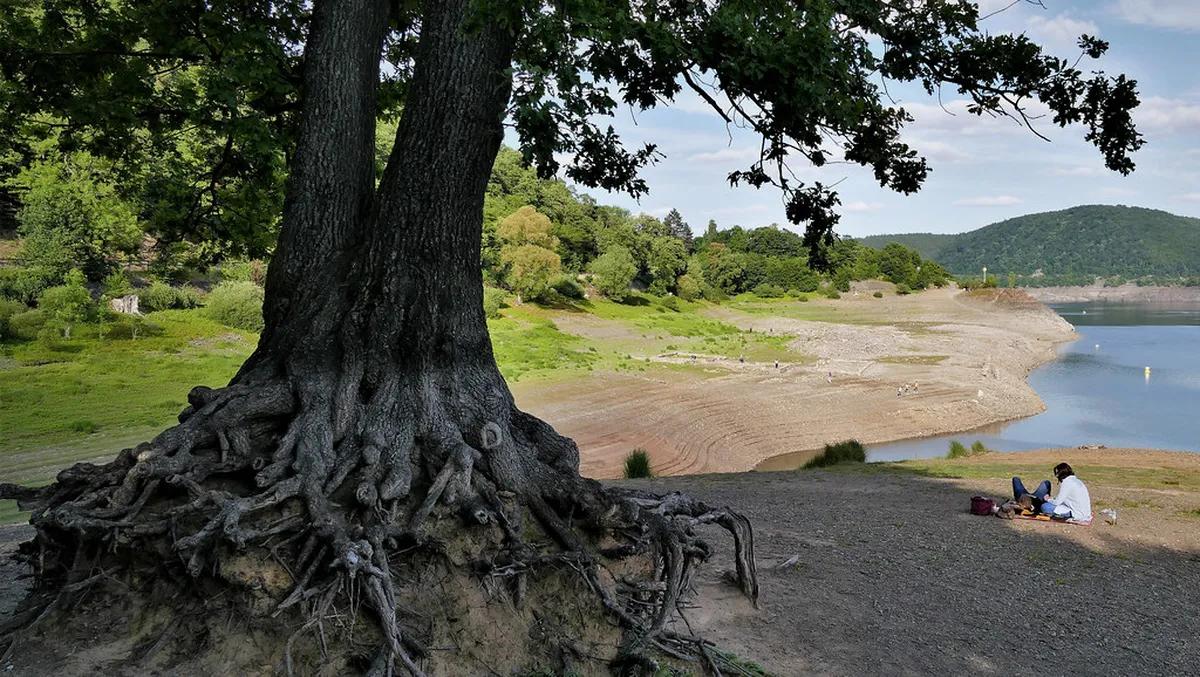
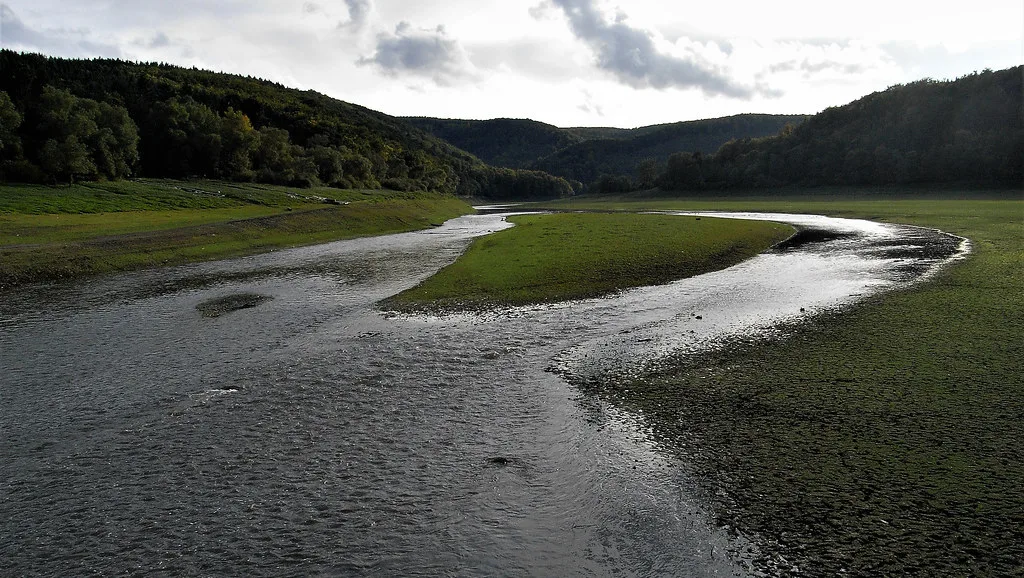
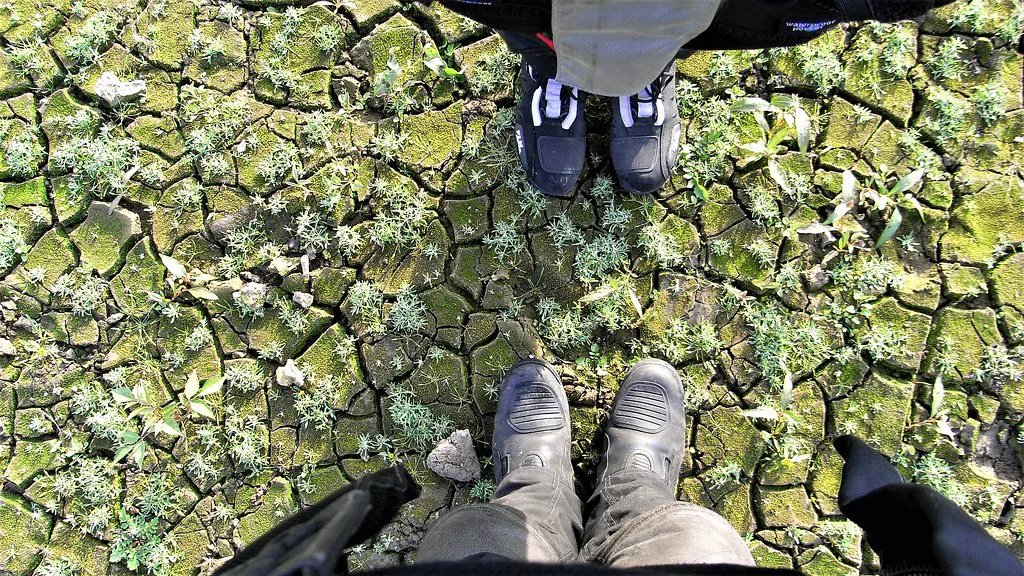
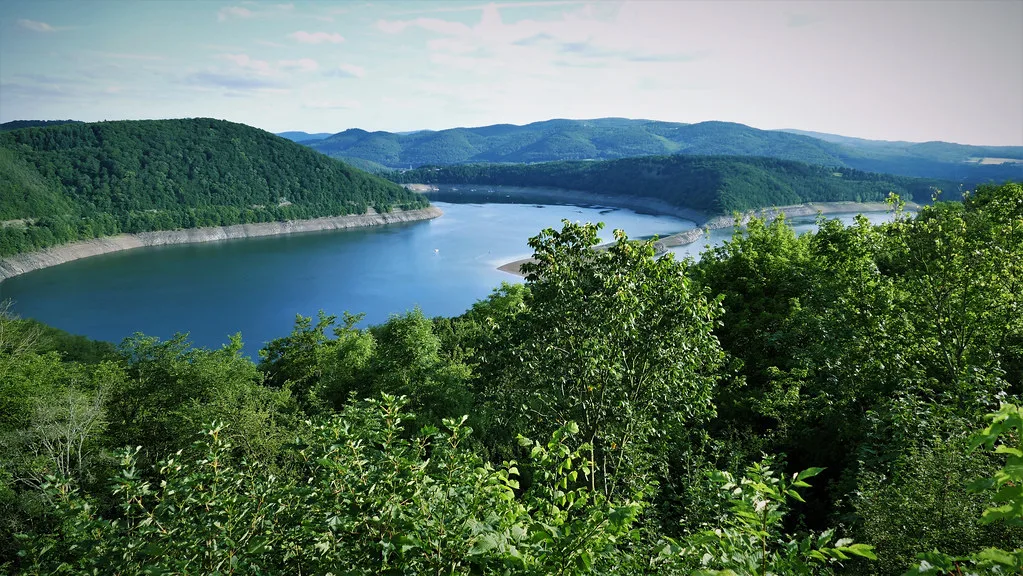
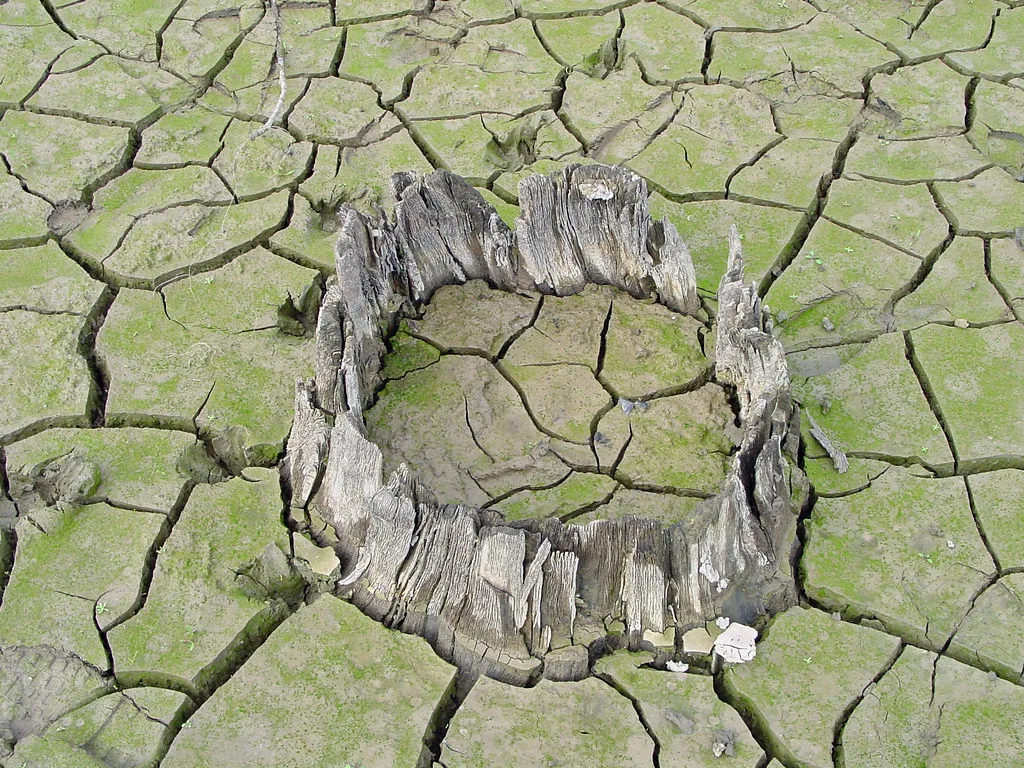
Edersee is a reservoir, not a natural lake. The Edertalsperre dam holds back the Eder, so the shoreline moves with the season and with the weather of the year. When the water is high, beaches shrink and boats reach more of the lake. When it drops, wider shores appear and the flooded landscape beneath can surface, including the ruins people call the lake's Atlantis. Check the current level with the Edersee tourism office before you choose between a beach day and a boat day.
- High water: more boat routes, narrower beaches.
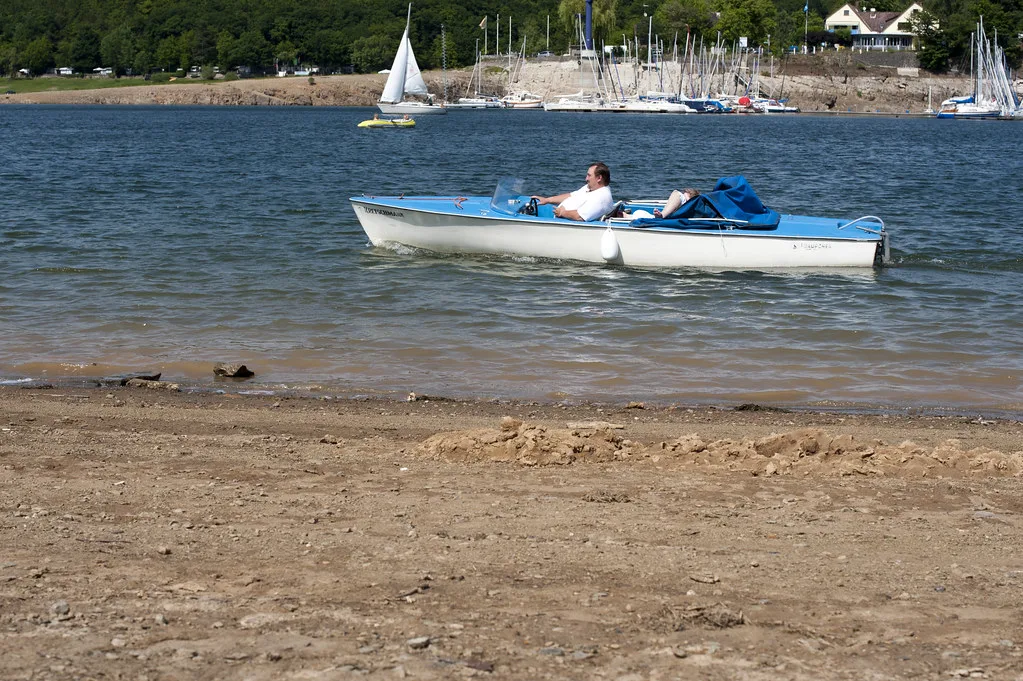
- Low water: wider shores, longer walks to the swimming spots, and ruins visible in some years.
- Either way, treat swimming conditions as variable rather than guaranteed.
Best things to do at the Edersee
Most visits mix water, walking and a look at the dam. Pick two or three of these rather than trying everything in one day.
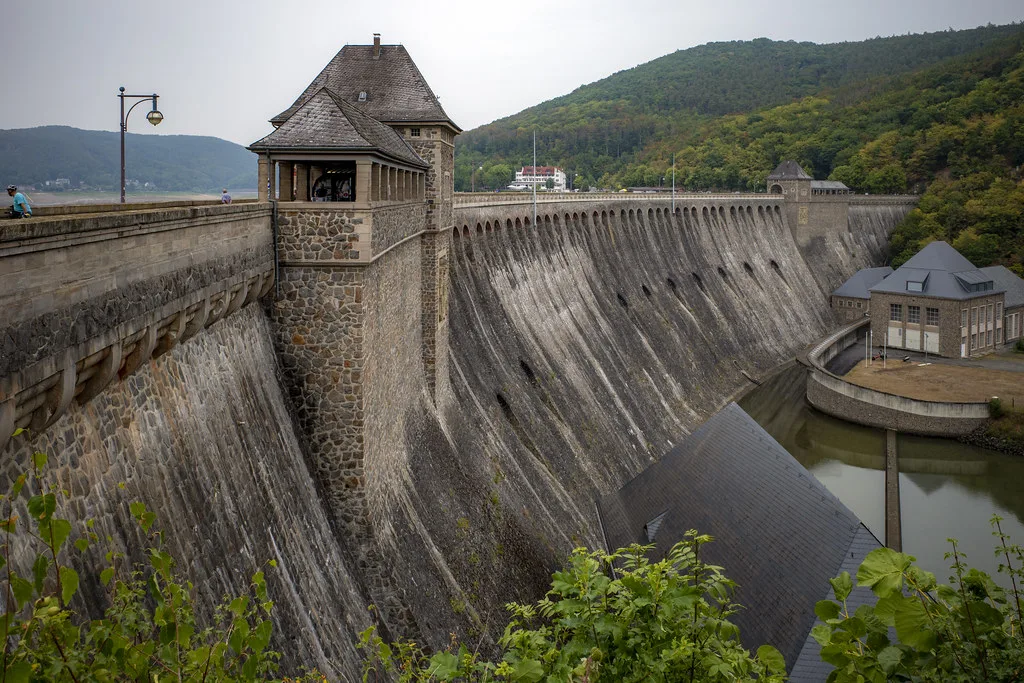
- Edersee dam (Edertalsperre): walk the dam wall and look out over the lake and the valley below.
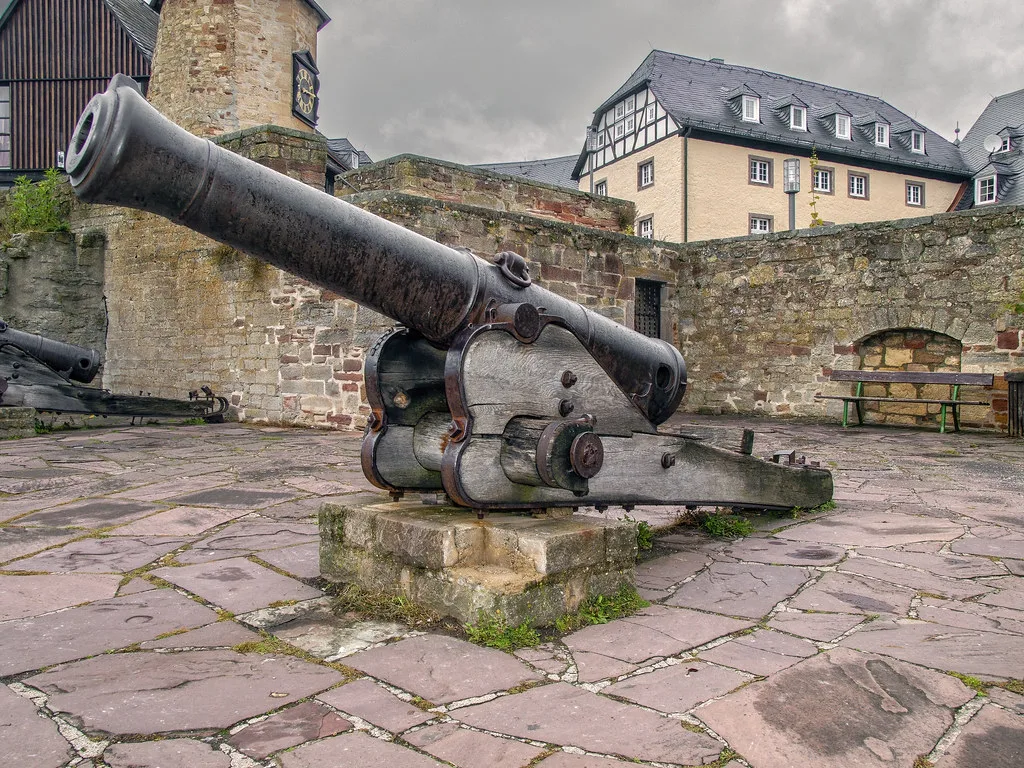
- Waldeck: wander the town and climb to the castle above the lake for the best overview.
- Lake cruises: the Edersee-Schifffahrt runs boat trips in season, and routes can depend on water level.
- Beaches: the lakeshore has bathing spots, though access changes with the water.
- Kellerwald-Edersee National Park: add a forest hike on the shore side for a quieter day.
- Families: boats, beaches and short shoreline walks suit children better than long trails.
Where to base yourself: dam and Waldeck side or quieter shores
Waldeck and the dam side put you near the castle, the cruise piers and the most services. This base suits day-trippers, families and anyone relying on short transfers. The quieter shores and the national-park side suit hikers, campers and couples who prefer woods to crowds. Camper vans and campsites cluster around the lake, but check current availability and any seasonal rules with the local tourism office. Anyone wanting a livelier resort feel might compare the Titisee instead, which is a natural lake with a stronger tourist focus.
Getting to the Edersee and around
A car is the easiest way to reach the lake and to link the dam, Waldeck and the trailheads. Rail and bus links exist in the region, but the last stretch to the shore is the hard part, as the car-free section below explains.
When to go: season by season
Summer suits water activities and cruises, and weekends are the busiest time. Weekdays and shoulder months feel calmer. Autumn brings colour in the national park forests and fewer visitors. Spring is a good time for hiking. Winter services are reduced, so check what is open before you drive out. If you want a calmer reservoir comparison, the Black Forest's Schluchsee is another dammed lake with a different landscape.
Sample Edersee plans
Choose the shape that fits your time. In each plan, keep the boat or beach part flexible so a low or high water level does not ruin the day.
- Half day: walk the Edertalsperre dam, then go up to Waldeck castle for the view.
- Full day: morning hike in the national park, afternoon cruise with the Edersee-Schifffahrt.
- Weekend: base on the quieter shore, spend one day on the water and one on the trails, and use Waldeck for an evening meal.
Costs and booking for the Edersee
Boat fares, parking and camping rates change by season and operator. Current prices are on the Edersee tourism site, and Waldeck-Frankenberg has regional information.
Other German lakes to compare
If you want a city lake instead, Wannsee in Berlin is the obvious alternative. For a flat-country shoreline, try Steinhuder Meer Guide: How to Visit and Plan Your Day. Volcanic scenery is the draw at Laacher See Guide: Things to Do and Planning Tips. Smaller and quieter again is the Mummelsee in the Black Forest.
Visiting the Edersee Without a Car
A car-free visit is possible, but it needs more planning than a drive. Regional rail and bus services reach the wider area, yet the final connection to the shore, dam or trailheads can be awkward. Check current Deutsche Bahn and regional bus timetables before booking accommodation. Choose a base near Waldeck or the dam if you want services and boat access within shorter transfers.
Allow a full day once you reach the lake, rather than treating it as a quick stop between trains. A 2–3-night stay is more forgiving for visitors without a car. It leaves room to match boat departures, walking routes and weather conditions. Keep your plans flexible, because cruise routes can change with the water level. The quieter national-park shore is rewarding, but it is less convenient when every transfer depends on a timetable.
Notes for your next lake trip
Optional updates to our lake guides.
You might also like
Continue reading
More guides you'll find useful